
 EN
EN



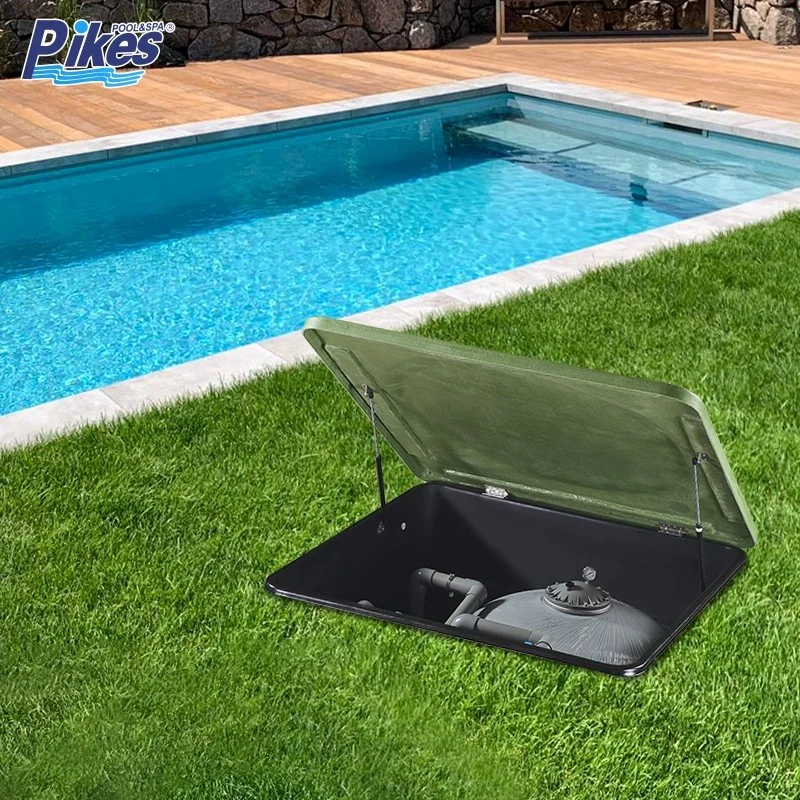
Selecting the appropriate sand filter for your swimming pool is a crucial decision that directly impacts water quality, maintenance costs, and overall swimming experience. A sand filter serves as the primary filtration system, removing debris, dirt, and contaminants from pool water through mechanical filtration. Understanding the key factors involved in choosing the right sand filter ensures optimal performance and long-term satisfaction with your pool maintenance system.
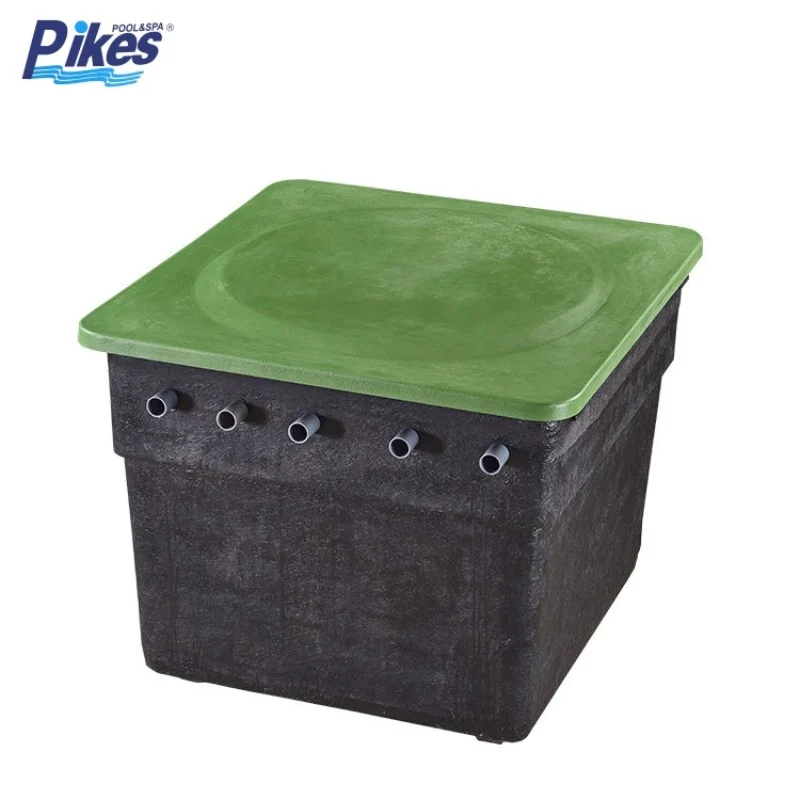
Pool owners must consider various technical specifications, installation requirements, and operational characteristics when evaluating different sand filter models. The filtration capacity, flow rate compatibility, tank construction materials, and maintenance accessibility all play significant roles in determining the most suitable sand filter for specific pool configurations. Making an informed decision requires understanding these fundamental aspects and how they align with your pool's unique requirements.
Understanding Sand Filter Fundamentals
Basic Operating Principles
A sand filter operates through a straightforward yet effective mechanical filtration process. Pool water enters the tank through the top distributor, flows downward through layers of specially graded sand media, and exits through the bottom collection system. The sand bed traps particles and debris as water passes through, with finer contaminants being captured deeper within the filter media layers.
The filtration efficiency of a sand filter depends on proper water flow distribution and adequate contact time between the water and filter media. As debris accumulates within the sand bed, the system requires periodic backwashing to remove trapped contaminants and restore optimal flow rates. This cleaning process reverses the water flow direction, lifting accumulated debris from the sand bed and flushing it through the waste line.
Sand filter systems typically achieve filtration down to 20-40 microns, effectively removing visible debris, algae, and most suspended particles. The filter media bed depth, sand grade specification, and flow rate all influence the overall filtration performance and particle removal efficiency of the system.
Key System Components
Modern sand filter systems consist of several essential components working together to provide effective pool filtration. The pressure vessel or tank houses the filter media and withstands the operating pressures generated by the circulation pump. High-quality tanks feature corrosion-resistant construction materials and reinforced designs to ensure long-term durability under continuous operation.
The multiport valve serves as the control center for sand filter operations, allowing users to select different operational modes including filtration, backwashing, rinsing, and waste disposal. This valve system enables easy maintenance procedures and provides flexibility in system operation without requiring additional plumbing modifications.
Internal distribution systems ensure proper water flow patterns throughout the filter media bed. The top distributor spreads incoming water evenly across the sand surface, while the bottom collection system gathers filtered water without disturbing the media bed structure. These components are critical for maintaining uniform filtration performance and preventing channeling or bypassing issues.
Sizing Considerations for Pool Applications
Flow Rate Calculations
Proper sand filter sizing requires accurate calculation of the required flow rate based on pool volume and turnover requirements. Industry standards recommend complete water turnover every 6-8 hours for residential pools, which determines the minimum flow rate capacity needed from the filtration system. Commercial pools may require faster turnover rates depending on bather load and local health department regulations.
The sand filter flow rate should match or slightly exceed the pump capacity to ensure adequate filtration without creating excessive backpressure. Oversized filters can reduce pumping costs and extend cleaning intervals, while undersized units may struggle to maintain water clarity during peak usage periods. Calculating the proper flow rate involves dividing the total pool volume by the desired turnover time and adding a safety factor for future needs.
Sand filter manufacturers typically provide flow rate specifications at different pressure drops, allowing pool professionals to match system components appropriately. Understanding these performance curves helps optimize energy efficiency while maintaining effective filtration throughout the operating range.
Tank Size and Media Volume
The physical dimensions of a sand filter tank directly correlate with its filtration capacity and performance characteristics. Larger diameter tanks provide more filtration surface area, reducing the filtration velocity and improving particle removal efficiency. The media bed depth also affects filtration performance, with deeper beds providing longer contact time and better debris retention.
Sand filter media volume requirements depend on the expected debris load and desired cleaning intervals. Pools with heavy bather loads or significant environmental debris may benefit from larger media volumes to extend time between backwashing cycles. The media-to-water ratio should provide adequate filtration capacity while maintaining reasonable pressure drop across the system.
Tank construction materials influence both performance and longevity of the sand filter system. Fiberglass reinforced tanks offer excellent corrosion resistance and structural integrity, while maintaining lighter weight for easier installation. Proper tank sizing ensures adequate freeboard above the media bed for effective backwashing and prevents media carryover during cleaning cycles.
Material Construction and Durability Factors
Tank Construction Materials
The choice of tank construction material significantly impacts the long-term performance and maintenance requirements of a sand filter system. Fiberglass reinforced plastic tanks provide excellent chemical resistance, structural strength, and UV stability for outdoor installations. These tanks maintain their integrity under continuous pressure cycling and resist degradation from pool chemicals and environmental exposure.
Steel tanks with protective coatings offer high pressure ratings and structural durability but require careful attention to coating integrity to prevent corrosion. The initial cost advantage of steel construction may be offset by higher maintenance requirements and shorter service life in aggressive chemical environments.
Thermoplastic tanks provide good chemical resistance and lower initial costs but may have limitations in high-pressure applications. The material selection should consider operating pressure requirements, environmental conditions, and expected service life to ensure optimal value and performance.
Valve and Internal Component Quality
The multiport valve represents a critical component that directly affects system reliability and operational convenience. High-quality valves feature precision machined sealing surfaces, corrosion-resistant materials, and smooth operating mechanisms that maintain proper sealing under repeated use. The valve body material should resist chemical attack and maintain dimensional stability under varying temperature conditions.
Internal distribution components require materials that resist chemical degradation and maintain structural integrity under flow-induced stresses. Laterals and distributors manufactured from engineered plastics or stainless steel provide long-term reliability and consistent performance. These components should be easily accessible for inspection and replacement when necessary.
Sealing systems including O-rings, gaskets, and valve seats should utilize materials specifically designed for pool chemical environments. Premium sealing materials maintain flexibility and sealing effectiveness over extended service periods, reducing maintenance requirements and preventing system leaks.
Installation and Maintenance Requirements
Installation Considerations
Proper installation of a sand filter requires careful attention to location, support, and plumbing connections to ensure optimal performance and longevity. The installation site should provide adequate access for maintenance activities while protecting the equipment from environmental extremes. Level, stable foundations prevent stress concentrations in the tank and ensure proper valve operation.
Plumbing connections must accommodate thermal expansion, vibration, and pressure variations without creating stress on the tank or valve components. Flexible connections and proper support systems prevent damage from pump-induced vibrations and thermal cycling. The installation should include provisions for draining the system during winter shutdown or maintenance procedures.
Electrical connections for automated valve systems require protection from moisture and chemical vapors common in pool environments. Proper grounding and circuit protection ensure safe operation while preventing electrical damage to control components. The installation should comply with local electrical codes and pool safety requirements.
Routine Maintenance Procedures
Regular maintenance of sand filter systems ensures continued effectiveness and extends equipment service life. Backwashing frequency depends on debris load, bather usage, and environmental conditions, with most residential pools requiring backwashing every 1-2 weeks during the swimming season. The backwash process should continue until the sight glass shows clear water discharge, indicating complete removal of accumulated debris.
Sand filter media replacement typically occurs every 2-3 years, depending on water quality and system usage. Signs indicating media replacement needs include shortened intervals between backwashing, difficulty achieving clear water, and pressure differentials that don't normalize after cleaning. The replacement process involves complete media removal, tank inspection, and installation of fresh, properly graded filter sand.
Valve maintenance includes periodic lubrication of moving parts, inspection of sealing surfaces, and replacement of worn components. The multiport valve should operate smoothly through all positions without binding or excessive force. Regular inspection prevents minor issues from developing into major repairs that could compromise system operation.
Performance Optimization Strategies
Operating Parameter Adjustment
Optimizing sand filter performance requires understanding the relationship between flow rate, pressure drop, and filtration efficiency. Operating at the designed flow rate ensures proper water distribution through the media bed while maintaining reasonable pressure levels. Excessive flow rates can cause channeling and reduced particle removal, while inadequate flow may result in poor water circulation and quality issues.
Monitoring pressure differentials across the sand filter provides valuable information about system condition and cleaning requirements. Normal operating pressure should be established when the system is clean and documented for future reference. Pressure increases of 8-10 psi above the clean starting pressure typically indicate the need for backwashing to restore proper flow rates.
Water chemistry management directly affects sand filter performance and longevity. Proper pH control prevents scale formation and media degradation, while adequate sanitizer levels reduce biological growth within the filter bed. Regular water testing and chemical adjustment maintain optimal conditions for both filtration performance and equipment protection.
System Enhancement Options
Several enhancement options can improve sand filter performance and reduce maintenance requirements. Pre-filtration systems including skimmer baskets and hair-and-lint strainers remove larger debris before it reaches the sand filter, extending cleaning intervals and reducing system loading. These components require regular cleaning but protect the main filter from excessive debris accumulation.
Chemical feed systems integrated with sand filter operations can improve water quality and system efficiency. Automated chlorination and pH adjustment systems maintain proper water chemistry without manual intervention, reducing maintenance requirements and ensuring consistent water quality. These systems should be properly sized and calibrated for the specific pool application.
Filter aid products can enhance sand filter performance by improving particle removal efficiency and extending cleaning intervals. These products work by coating the sand media with materials that trap smaller particles and improve filtration effectiveness. Proper application and dosing ensure maximum benefit without negative impacts on system operation.
Cost Analysis and Value Considerations
Initial Investment Factors
The initial cost of a sand filter system includes equipment purchase, installation materials, and labor expenses. Higher quality systems with premium construction materials and advanced features command higher prices but typically provide better long-term value through improved reliability and performance. The investment should be evaluated based on expected service life and maintenance requirements rather than initial cost alone.
Installation complexity affects total project costs, with simple retrofits being more economical than complete system redesigns. Professional installation ensures proper system setup and operation while providing warranty protection for both equipment and workmanship. The installation cost should include provisions for future maintenance access and system expansion if needed.
Comparing different sand filter options requires consideration of performance specifications, construction quality, and manufacturer support. Systems with proven track records and comprehensive warranty coverage provide better long-term value despite potentially higher initial costs. The selection process should include evaluation of local service support and replacement part availability.
Operating Cost Considerations
Long-term operating costs include energy consumption, water usage for backwashing, and routine maintenance expenses. Energy-efficient designs with lower pressure drops reduce pumping costs while maintaining effective filtration. The frequency of backwashing operations affects both water and energy consumption, making efficient systems more economical over time.
Media replacement costs should be factored into the long-term operating budget, with high-quality filter sand providing better value through extended service life and improved performance. The replacement frequency depends on water quality, system loading, and maintenance practices, with proper care extending media life significantly.
Maintenance labor costs can be minimized through selection of systems with user-friendly designs and accessible components. Equipment with simplified maintenance procedures and readily available parts reduces service costs and minimizes downtime. Training pool operators on proper maintenance techniques further reduces long-term operating expenses.
FAQ
How often should I replace the sand in my pool filter
Sand filter media typically requires replacement every 2-3 years under normal operating conditions. However, the replacement frequency can vary based on several factors including pool usage, environmental debris load, and water chemistry management. Signs that indicate sand replacement is needed include shortened intervals between required backwashing, difficulty maintaining clear water despite proper chemical balance, and pressure differentials that remain elevated after backwashing. Pools with heavy bather loads or significant environmental contamination may require more frequent media changes, while well-maintained systems in clean environments may extend the replacement interval slightly.
What size sand filter do I need for my swimming pool
Sand filter sizing depends primarily on your pool volume and desired turnover rate. For residential pools, calculate the required flow rate by dividing your pool volume in gallons by 360 (for 6-hour turnover) or 480 (for 8-hour turnover). The sand filter should handle this flow rate at reasonable pressure levels while providing adequate filtration surface area. As a general guideline, pools up to 15,000 gallons typically use filters with 1.5-2.0 square feet of filtration area per 10 GPM of flow rate. Larger pools or those with heavy usage may benefit from oversized filters to improve performance and reduce maintenance frequency.
Can I use different types of filter media instead of sand
While sand remains the most common and cost-effective filter media, alternative materials can be used in sand filter tanks to improve filtration performance. Glass media provides finer filtration down to smaller particle sizes and requires less frequent replacement than traditional sand. Zeolite media offers superior ammonia removal capabilities and enhanced filtration efficiency. However, these alternative media typically cost more initially and may require different backwashing procedures. Before switching media types, ensure compatibility with your existing sand filter system and consider the cost-benefit relationship based on your specific pool requirements and water quality goals.
Why does my sand filter require frequent backwashing
Frequent backwashing requirements typically indicate high debris loading, inadequate pre-filtration, or potential system issues. Common causes include insufficient skimming and brushing, algae growth due to poor chemical balance, or environmental factors like heavy pollen or dust. Technical issues such as channeling in the sand bed, worn distributor components, or incorrect sand grade can also reduce cleaning intervals. To address this issue, first ensure proper water chemistry and adequate skimming, then inspect the sand filter components for wear or damage. If the sand media is old or contaminated, replacement may be necessary to restore normal operating intervals and filtration performance.