
 EN
EN



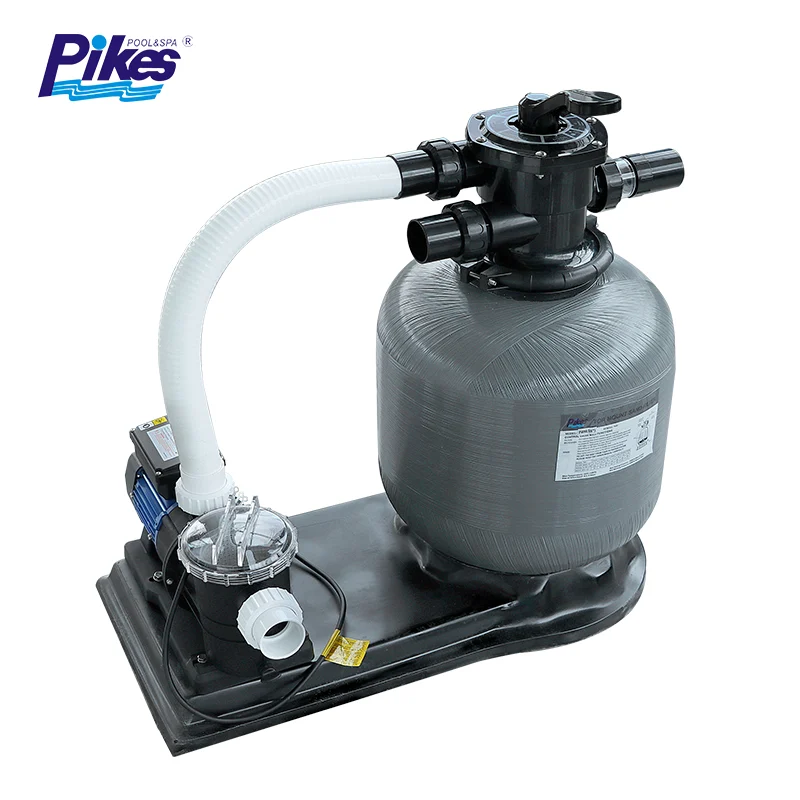
Pool owners constantly face the critical decision of choosing the right filtration system to maintain crystal-clear, healthy swimming water. The debate between sand filter vs cartridge filter systems has been ongoing in the pool maintenance community for decades, with each option offering distinct advantages and challenges. Understanding the fundamental differences between these two popular filtration methods can significantly impact your pool's water quality, maintenance requirements, and long-term operational costs. Modern pool filtration technology has evolved considerably, yet the choice between sand and cartridge systems remains one of the most important decisions pool owners must make to ensure optimal water clarity and swimmer safety.
Understanding Pool Filtration Fundamentals
Basic Filtration Principles
Pool filtration systems operate on the principle of removing contaminants, debris, and microscopic particles from swimming pool water to maintain safe and clear conditions. The effectiveness of any filtration system depends on its ability to capture particles of various sizes while maintaining adequate water flow rates. Sand filter vs cartridge filter systems employ different mechanisms to achieve this goal, with sand filters using a bed of specially graded sand as the filtering medium and cartridge filters utilizing pleated fabric or paper elements. The filtration process involves water being pumped through the filtering medium, where particles become trapped while clean water returns to the pool.
Water Quality Standards
Maintaining proper water quality requires filtration systems to remove particles ranging from visible debris to microscopic contaminants that can harbor bacteria and algae. Professional pool maintenance standards typically require filtration systems to capture particles as small as 10-15 microns for sand filters and 5-10 microns for cartridge filters. The sand filter vs cartridge filter comparison becomes crucial when considering these microscopic filtration capabilities, as different systems excel at capturing different particle sizes. Proper filtration also supports the effectiveness of chemical sanitizers by removing organic matter that can consume chlorine and create chloramine formation.
Sand Filter Technology and Performance
Sand Filter Operation Mechanics
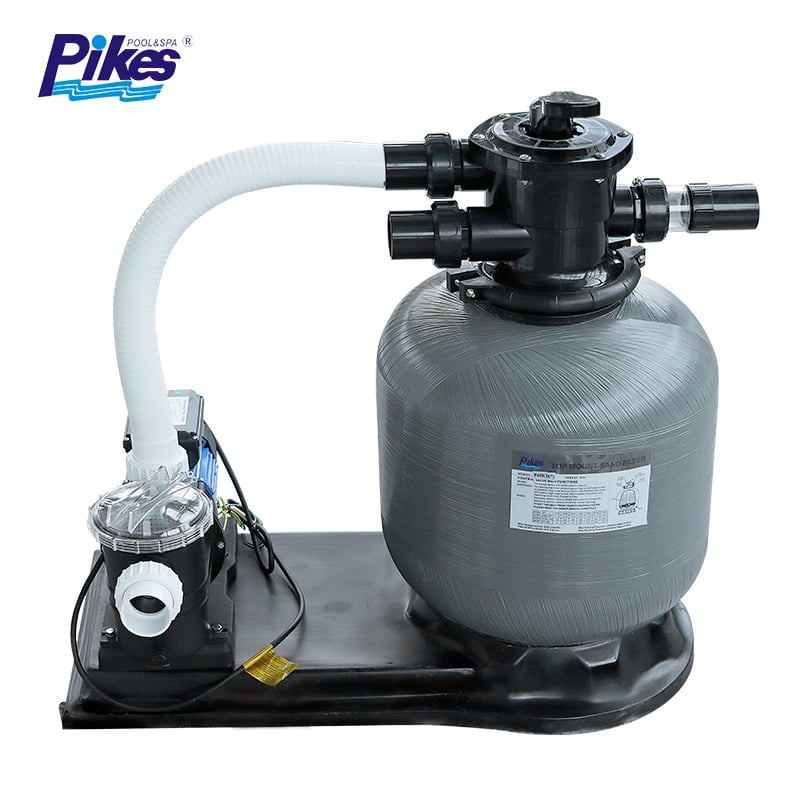
Sand filtration systems utilize a tank filled with specially graded silica sand that creates a filtering bed through which pool water passes. The sand particles create microscopic pathways that trap contaminants while allowing clean water to flow through to the bottom of the tank and return to the pool. Over time, trapped debris accumulates within the sand bed, which actually improves filtration efficiency by creating smaller pathways for water flow. The sand filter vs cartridge filter debate often centers on this self-improving characteristic of sand systems, where the accumulated debris helps capture even smaller particles. Regular backwashing reverses the water flow to flush out accumulated contaminants and restore optimal flow rates.
Maintenance Requirements for Sand Systems
Sand filter maintenance primarily involves regular backwashing procedures that typically occur every 1-2 weeks depending on pool usage and environmental conditions. The backwashing process requires reversing water flow through the sand bed to flush out trapped debris and restore proper filtration performance. Most sand filter systems include a multiport valve that simplifies the backwashing process, making it accessible for most pool owners to perform routine maintenance. When comparing sand filter vs cartridge filter maintenance demands, sand systems generally require less frequent hands-on maintenance but consume more water during the backwashing process. Sand replacement typically occurs every 5-7 years, representing a significant long-term maintenance consideration.
Cartridge Filter Design and Efficiency
Cartridge Filter Construction
Cartridge filtration systems employ pleated filter elements made from polyester fabric, paper, or other synthetic materials that create a large surface area for particle capture. The pleated design maximizes the available filtration area within a compact housing, allowing cartridge systems to achieve superior particle capture rates compared to sand filters. These filter elements feature precisely engineered pore sizes that can capture particles as small as 5-10 microns, making them highly effective at removing fine debris and microscopic contaminants. The sand filter vs cartridge filter comparison reveals that cartridge systems excel at capturing smaller particles due to their engineered filtering medium and increased surface area.
Cartridge System Advantages
Cartridge filters offer several distinct advantages that make them attractive for many pool applications, particularly their superior filtration capability and water conservation benefits. Unlike sand systems, cartridge filters require no backwashing, which eliminates water waste and reduces ongoing operational costs. The maintenance process involves simply removing dirty cartridges and either cleaning them with a hose or replacing them with new elements. When evaluating sand filter vs cartridge filter performance, cartridge systems consistently demonstrate superior particle capture rates and can maintain clearer water with less chemical usage. Additionally, cartridge systems operate at lower pressures, reducing energy consumption and extending pump life.
Cost Analysis and Economic Considerations
Initial Investment Comparison
The initial cost comparison between sand and cartridge filtration systems reveals significant differences in equipment pricing and installation requirements. Sand filter systems typically require a larger initial investment due to the tank size, multiport valve, and quantity of filter sand needed for proper operation. Cartridge systems generally feature lower upfront costs, with simpler housing designs and fewer components required for installation. However, the sand filter vs cartridge filter economic analysis must consider long-term operational costs, including replacement media, water usage, and energy consumption. Professional installation costs may also vary between systems, with sand filters potentially requiring more complex plumbing configurations.
Long-term Operational Expenses
Long-term operational costs represent a crucial factor in the sand filter vs cartridge filter decision, as ongoing expenses can significantly impact the total cost of ownership. Sand filter systems require periodic sand replacement every 5-7 years, but cartridge filters need regular replacement every 2-4 months depending on usage and water conditions. The cumulative cost of cartridge replacements often exceeds sand replacement costs over extended periods, particularly for heavily used pools. Water costs associated with backwashing sand filters can also accumulate significantly in areas with high water rates or during drought conditions when water conservation becomes critical.
Performance Comparison in Different Applications
Residential Pool Applications
Residential pool owners must consider various factors when choosing between filtration systems, including pool size, usage patterns, and maintenance preferences. Smaller residential pools often benefit from cartridge filtration systems due to their compact size, superior particle capture, and simplified maintenance procedures. Larger residential pools may find sand filter systems more cost-effective over time, particularly when considering the frequency of cartridge replacements required for high-volume filtration. The sand filter vs cartridge filter choice for residential applications often depends on the owner's willingness to perform regular maintenance tasks and their long-term cost considerations.
Commercial and High-Usage Environments
Commercial pools, hotels, and high-usage residential facilities face unique challenges that influence the sand filter vs cartridge filter decision significantly. These environments typically require robust filtration systems capable of handling heavy bather loads and continuous operation throughout extended periods. Sand filter systems often prove more suitable for commercial applications due to their durability, high flow capacity, and ability to handle large volumes of contaminants without frequent media replacement. The automatic backwashing capabilities of sand systems also reduce labor requirements in commercial settings where maintenance staff availability may be limited.
Environmental Impact and Sustainability
Water Conservation Considerations
Environmental sustainability has become increasingly important in pool filtration decisions, with water conservation representing a primary concern in many regions. Cartridge filter systems offer significant advantages in water conservation since they require no backwashing procedures that can waste hundreds of gallons per cycle. Sand filter systems consume substantial water quantities during backwashing, which may become problematic in drought-prone areas or regions with water usage restrictions. The sand filter vs cartridge filter environmental comparison must also consider the manufacturing and disposal impacts of replacement filter cartridges versus the longevity of sand filtration media.
Energy Efficiency Factors
Energy consumption represents another critical environmental and economic factor in the sand filter vs cartridge filter evaluation process. Cartridge systems typically operate at lower pressures, reducing pump workload and energy consumption compared to sand filter systems. The lower pressure requirements allow cartridge systems to maintain adequate flow rates with less powerful pumps, resulting in reduced electricity consumption over time. However, sand filter systems may demonstrate better long-term energy efficiency due to their ability to maintain consistent performance over extended periods without frequent media replacement.
Installation and Setup Requirements
Sand Filter Installation Process
Installing sand filtration systems requires careful attention to proper sand grading, tank positioning, and plumbing connections to ensure optimal performance and longevity. The installation process typically involves positioning the filter tank, connecting inlet and outlet plumbing, installing the multiport valve, and carefully adding the appropriate quantity and grade of filter sand. Proper sand installation requires specific layering techniques and gradual water addition to prevent sand displacement and ensure even distribution throughout the tank. The sand filter vs cartridge filter installation comparison reveals that sand systems generally require more complex setup procedures and professional expertise to achieve optimal performance.
Cartridge System Setup
Cartridge filter installation typically involves simpler procedures with fewer components and less specialized knowledge required for proper setup. The installation process generally includes positioning the filter housing, connecting inlet and outlet plumbing, and inserting the appropriate number and type of filter cartridges. Most cartridge systems feature user-friendly designs that facilitate straightforward installation and maintenance procedures. When comparing sand filter vs cartridge filter setup requirements, cartridge systems often prove more accessible for do-it-yourself installation while maintaining professional performance standards.
Troubleshooting Common Issues
Sand Filter Problem Diagnosis
Sand filter systems can experience various performance issues that require proper diagnosis and resolution to maintain optimal filtration effectiveness. Common problems include channeling within the sand bed, where water creates preferential flow paths that bypass proper filtration zones. Sand filter troubleshooting also involves identifying issues with multiport valve operation, pressure gauge accuracy, and backwash cycle effectiveness. The sand filter vs cartridge filter maintenance comparison shows that sand systems may require more technical knowledge for problem diagnosis but generally offer longer periods between major maintenance requirements.
Cartridge Filter Maintenance Issues
Cartridge filter systems present their own set of maintenance challenges that pool owners must understand to ensure consistent performance. Common issues include cartridge clogging, uneven wear patterns, and housing seal failures that can compromise filtration effectiveness. Proper cartridge rotation and cleaning techniques become crucial for maximizing filter life and maintaining optimal water quality. The frequency of cartridge replacement represents a significant consideration in the sand filter vs cartridge filter decision, particularly for pools with high debris loads or challenging water conditions.
FAQ
How often should I clean or replace my pool filter media
Sand filters require backwashing every 1-2 weeks with complete sand replacement every 5-7 years, while cartridge filters need cleaning every 2-4 weeks and replacement every 2-4 months depending on usage. The sand filter vs cartridge filter maintenance schedule varies significantly based on pool size, bather load, and environmental conditions. Regular monitoring of pressure gauges and water clarity helps determine optimal maintenance timing for both systems.
Which filter type provides better water clarity
Cartridge filters generally provide superior water clarity due to their ability to capture smaller particles (5-10 microns) compared to sand filters (10-15 microns). The pleated design of cartridge filters creates more surface area for particle capture, resulting in clearer water with less chemical usage. However, properly maintained sand filters can also achieve excellent water clarity when combined with appropriate chemical treatment programs.
What are the total costs of ownership for each filter type
The sand filter vs cartridge filter cost analysis reveals that sand filters typically have higher upfront costs but lower long-term expenses, while cartridge systems feature lower initial investment but higher ongoing replacement costs. Water usage for backwashing sand filters and frequent cartridge replacements significantly impact the total cost of ownership for each system type.
Can I switch from one filter type to another
Converting between sand and cartridge filtration systems is possible but may require plumbing modifications and equipment changes depending on your existing setup. The conversion process typically involves replacing the filter housing, adjusting plumbing connections, and potentially upgrading pump capacity. Professional consultation is recommended when considering filter system conversion to ensure compatibility with existing pool equipment and optimal performance.
Table of Contents
- Understanding Pool Filtration Fundamentals
- Sand Filter Technology and Performance
- Cartridge Filter Design and Efficiency
- Cost Analysis and Economic Considerations
- Performance Comparison in Different Applications
- Environmental Impact and Sustainability
- Installation and Setup Requirements
- Troubleshooting Common Issues
- FAQ