
 EN
EN



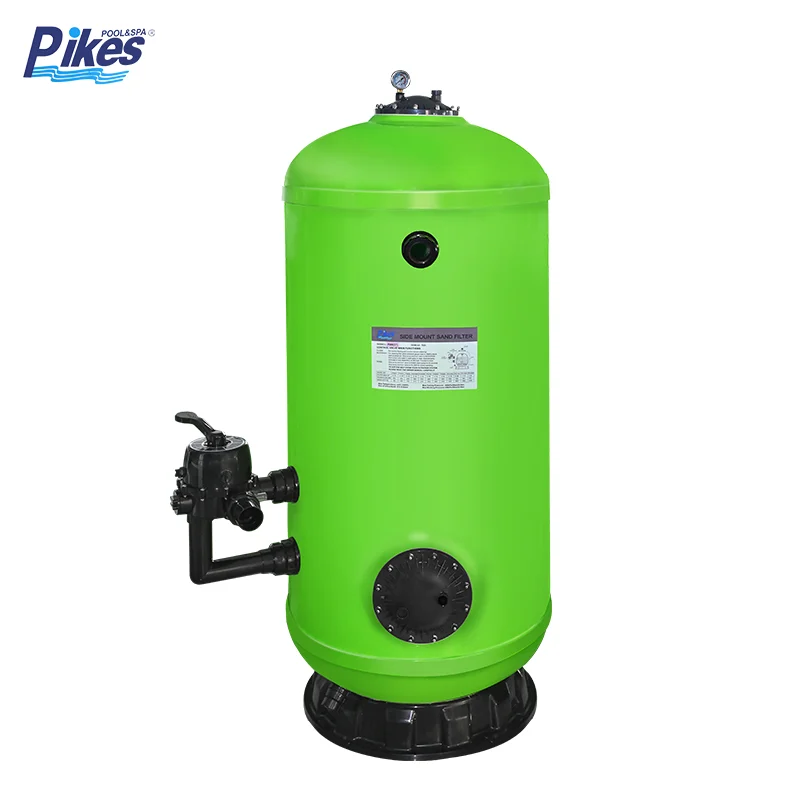
A swimming pool sand filter represents one of the most reliable and cost-effective filtration systems available for residential and commercial pool applications. This essential piece of equipment operates on the fundamental principle of mechanical filtration, where water passes through a bed of specially graded sand that captures debris, contaminants, and particles as small as 20-40 microns. Understanding how a swimming pool sand filter works helps pool owners make informed decisions about maintenance, operation, and system optimization for crystal-clear water quality.
Basic Operating Principles of Sand Filtration Systems
Mechanical Filtration Process
The swimming pool sand filter operates through a straightforward yet highly effective mechanical filtration process. Pool water enters the filter tank through the top distribution system, which evenly disperses the water across the sand bed surface. As water moves downward through the sand media, particles become trapped within the microscopic spaces between sand grains. The filtered water then travels through the underdrain system at the bottom of the tank, where it returns to the pool circulation system clean and clear.
The effectiveness of this filtration method depends on several critical factors including sand grain size, bed depth, and flow rate. Properly sized sand particles create the optimal pore structure for capturing contaminants while maintaining adequate flow rates. The multilayer filtration effect occurs as larger particles are caught near the surface while progressively smaller particles are trapped deeper within the sand bed, creating a comprehensive filtration system.
Water Flow Dynamics
Water flow dynamics within a swimming pool sand filter follow specific hydraulic principles that maximize filtration efficiency. The downward flow pattern ensures that captured debris remains securely trapped within the sand matrix rather than being carried through to the pool. Flow rates must be carefully controlled to prevent channeling, where water creates preferential pathways that bypass portions of the filter media.
The distribution head or lateral system plays a crucial role in maintaining uniform water flow across the entire sand bed surface. This even distribution prevents dead zones and ensures that all sand media participates in the filtration process. Proper flow velocity maintains the delicate balance between effective particle capture and reasonable pressure drop across the filter system.
Essential Components of Sand Filter Systems
Filter Tank Construction
Modern swimming pool sand filter tanks are typically constructed from durable fiberglass or high-density polyethylene materials that resist corrosion and chemical degradation. The tank design incorporates a cylindrical or spherical shape that provides optimal structural integrity under pressure while facilitating even water distribution. Tank sizing varies according to pool volume and circulation requirements, with larger pools requiring proportionally larger filter tanks to maintain adequate filtration capacity.
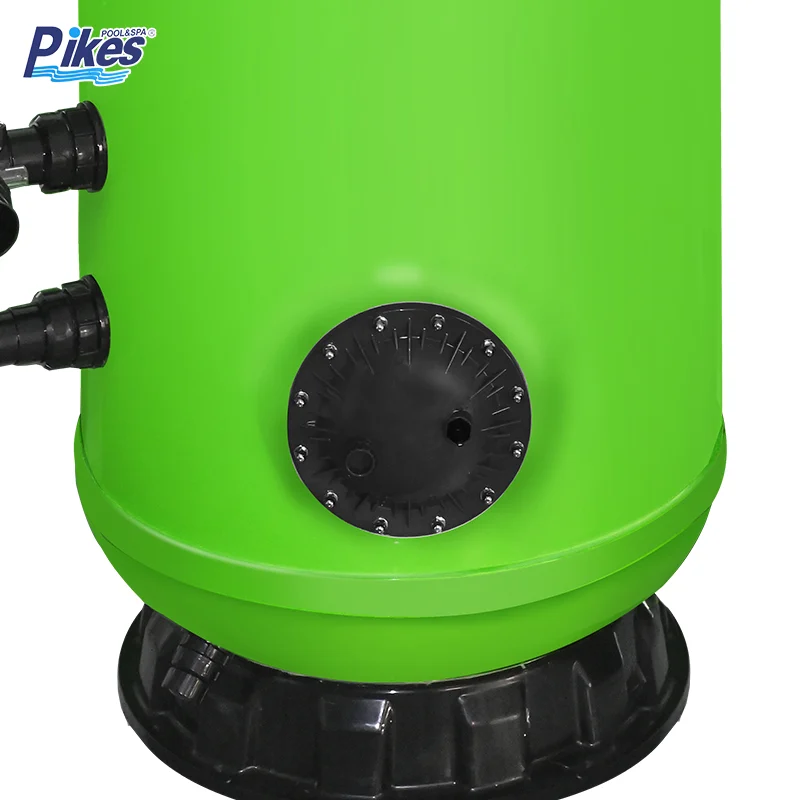
The tank interior features smooth surfaces that prevent debris accumulation and facilitate easy cleaning during maintenance procedures. Reinforcement ribs or structural elements provide additional strength to withstand operating pressures and external loads. Access ports and inspection openings allow for sand media replacement and system servicing when required.
Media and Support Systems
The filtration media in a swimming pool sand filter consists of specially graded silica sand with specific particle size distributions optimized for pool water treatment. The sand bed typically measures 18-24 inches in depth, providing sufficient contact time for effective particle removal. Beneath the sand layer, a graded gravel support bed prevents sand migration into the underdrain system while maintaining proper hydraulic flow patterns.
The underdrain system, consisting of lateral pipes or hub-and-spoke configurations, collects filtered water while preventing sand loss during operation and backwashing. These components feature precisely sized slots or perforations that retain sand particles while allowing free water passage. The underdrain design must distribute backwash water evenly to ensure thorough cleaning of the entire sand bed.
Multiport Valve Operations and Functions
Standard Operating Positions
The multiport valve serves as the control center for swimming pool sand filter operations, providing six standard positions that direct water flow for different system functions. The filter position represents normal operation, where pool water passes through the sand media before returning to the pool. The backwash position reverses water flow to clean accumulated debris from the sand bed, while the rinse position removes loose particles after backwashing.
Additional valve positions include waste for draining pool water, recirculate for bypassing the filter media during chemical treatments, and closed for system shutdown. Each position serves specific operational requirements and must be selected according to current system needs. Proper valve operation ensures optimal swimming pool sand filter performance and longevity.
Flow Control Mechanisms
Advanced multiport valves incorporate flow control mechanisms that regulate water velocity through the filter system. These controls prevent excessive flow rates that could damage the sand bed or reduce filtration efficiency. Pressure gauges mounted on the valve assembly provide real-time monitoring of system pressure, indicating when backwashing becomes necessary due to debris accumulation.
Automatic valve systems offer programmable operation that performs routine backwashing and maintenance cycles without manual intervention. These automated systems monitor pressure differentials and cycle times to optimize filter performance while minimizing water waste. Manual override capabilities ensure operator control when specific conditions require immediate attention.
Filtration Efficiency and Performance Factors
Particle Removal Capabilities
Swimming pool sand filter systems demonstrate excellent particle removal capabilities for contaminants ranging from visible debris to microscopic particles. The multilayer filtration effect captures particles progressively smaller as water moves through the sand bed depth. Surface layers remove larger debris like leaves and insects, while deeper sand layers trap fine particles including algae, bacteria, and suspended solids.
Filtration efficiency improves as the sand bed develops a thin layer of captured debris that creates additional filtration surfaces. This biological and physical layer, known as schmutzdecke, enhances particle removal down to the 10-20 micron range under optimal conditions. However, excessive debris accumulation eventually reduces flow rates and necessitates backwashing to restore system performance.
Operational Variables
Multiple operational variables influence swimming pool sand filter performance including flow rate, sand condition, water temperature, and chemical balance. Optimal flow rates typically range from 15-20 gallons per minute per square foot of filter surface area, providing adequate contact time without excessive pressure drop. Higher flow rates may reduce filtration efficiency by forcing particles through the sand matrix.
Sand media condition directly affects filtration performance, with fresh sand providing optimal particle capture capabilities. Over time, sand particles become rounded and compacted, reducing effective pore space and filtration efficiency. Regular sand replacement every 3-5 years maintains peak system performance and ensures consistent water quality results.
Maintenance Procedures and Best Practices
Backwashing Protocols
Proper backwashing represents the most critical maintenance procedure for swimming pool sand filter systems. The backwashing process reverses water flow direction, lifting and agitating the sand bed to remove trapped debris and restore filtration capacity. Backwashing frequency depends on bather load, environmental conditions, and debris accumulation rates, typically ranging from weekly to bi-weekly intervals during peak usage periods.
Effective backwashing requires sufficient flow velocity to expand the sand bed by approximately 30-50 percent, ensuring thorough cleaning throughout the media depth. The backwash cycle continues until discharge water runs clear, typically requiring 3-5 minutes of operation. Following backwashing, a brief rinse cycle settles the sand bed and removes any remaining loose particles before returning to normal filtration mode.
Sand Media Management
Swimming pool sand filter media requires periodic inspection and replacement to maintain optimal performance levels. Sand media typically lasts 3-5 years under normal operating conditions but may require more frequent replacement in high-debris environments or heavily used facilities. Signs indicating sand replacement needs include reduced filtration efficiency, shortened backwash cycles, or visible sand discharge into the pool.
During sand replacement procedures, the entire sand bed should be removed and the tank thoroughly cleaned to eliminate accumulated debris and biofilm. New sand media must meet specific gradation requirements and should be washed before installation to remove dust and fine particles. Proper sand depth and leveling ensure uniform water distribution and optimal filtration performance.
Troubleshooting Common Filter Issues
Performance Problems
Common swimming pool sand filter performance problems include reduced flow rates, poor water clarity, and excessive pressure buildup. Reduced flow rates often indicate clogged sand media, damaged underdrain components, or valve positioning errors. Poor water clarity may result from channeling within the sand bed, inadequate filtration time, or chemical imbalance issues affecting particle coagulation.
Excessive pressure buildup typically occurs when debris accumulation exceeds normal levels or when backwashing frequency proves insufficient for current operating conditions. Regular pressure monitoring helps identify these issues before they impact system performance significantly. Pressure increases of 8-10 PSI above clean filter readings generally indicate the need for immediate backwashing.
Mechanical Failures
Mechanical failures in swimming pool sand filter systems commonly involve multiport valve malfunctions, underdrain damage, or tank structural issues. Valve problems may include difficulty changing positions, internal seal failures, or broken control handles. These issues typically require valve rebuilding or replacement to restore proper system operation.
Underdrain system failures can result in sand loss, uneven backwashing, or complete system malfunction. Cracked lateral pipes or damaged hub assemblies require tank disassembly for repair or replacement. Regular inspection during sand replacement procedures helps identify potential underdrain problems before they cause system failures.
Advanced Features and Technology Integration
Automated Control Systems
Modern swimming pool sand filter installations increasingly incorporate automated control systems that optimize performance while reducing maintenance requirements. These systems monitor pressure differentials, flow rates, and cycle times to determine optimal backwashing schedules automatically. Programmable controllers can coordinate filter operations with pool circulation schedules and chemical treatment systems for enhanced efficiency.
Remote monitoring capabilities allow pool operators to track filter performance from mobile devices or central control systems. Alert systems notify operators of maintenance needs, system malfunctions, or performance degradation before problems affect water quality. These advanced features significantly reduce labor requirements while ensuring consistent filtration performance.
Integration with Pool Systems
Swimming pool sand filter systems integrate seamlessly with comprehensive pool management systems including chemical controllers, heating equipment, and sanitization devices. Coordinated operation ensures optimal water quality while minimizing energy consumption and chemical usage. Flow sensors and pressure monitoring provide real-time feedback for system optimization and preventive maintenance scheduling.
Variable speed pumps offer particular advantages when combined with sand filter systems, allowing flow rate optimization for different operational modes. Reduced flow rates during low-demand periods extend sand media life while maintaining adequate filtration. Higher flow rates during peak usage ensure rapid turnover and consistent water quality throughout heavy bather loads.
FAQ
How often should I backwash my swimming pool sand filter?
Backwashing frequency depends on pool usage, environmental conditions, and debris accumulation rates. Generally, backwash when the pressure gauge reads 8-10 PSI above the clean filter starting pressure. This typically occurs every 1-2 weeks during swimming season, but high-use pools or those in debris-heavy environments may require more frequent backwashing. Monitor pressure readings regularly and backwash before pressure becomes excessive to maintain optimal filtration performance.
What type of sand should I use in my pool filter?
Use only pool-grade silica sand specifically designed for swimming pool filtration systems. The sand should have a gradation of 20-40 mesh (0.45-0.85mm) with angular particles that provide optimal filtration characteristics. Avoid using play sand, construction sand, or other non-pool grades that may contain impurities, improper sizing, or rounded particles that reduce filtration efficiency. Quality pool sand typically costs more but provides superior performance and longevity.
How long does sand media last in a pool filter?
Swimming pool sand filter media typically lasts 3-5 years under normal operating conditions. However, replacement frequency varies based on bather load, environmental debris, water chemistry, and maintenance practices. Signs indicating sand replacement needs include shortened time between backwashing, reduced water clarity, sand discharge into the pool, or visible debris accumulation that doesn't clear with normal backwashing. High-use commercial pools may require more frequent sand changes.
Why is my pool still cloudy after running the sand filter?
Cloudy water despite proper swimming pool sand filter operation typically indicates chemical imbalance, inadequate circulation time, or filter system problems. Check pH, alkalinity, and sanitizer levels first, as improper chemistry prevents effective particle coagulation. Ensure adequate circulation runtime - typically 8-12 hours daily. If chemistry and circulation are correct, the sand may need replacement, the system may require backwashing, or there could be channeling within the filter bed requiring professional attention.
Table of Contents
- Basic Operating Principles of Sand Filtration Systems
- Essential Components of Sand Filter Systems
- Multiport Valve Operations and Functions
- Filtration Efficiency and Performance Factors
- Maintenance Procedures and Best Practices
- Troubleshooting Common Filter Issues
- Advanced Features and Technology Integration
- FAQ