
 EN
EN



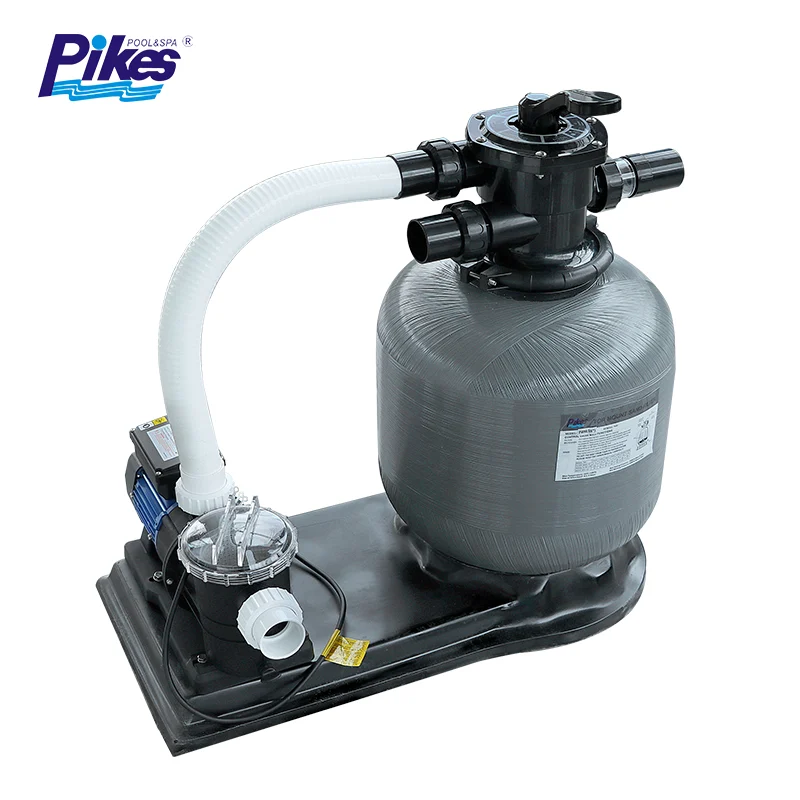
Swimming pool maintenance requires reliable filtration systems that deliver consistent water clarity and quality. Among the various filtration options available today, sand filter systems have established themselves as a trusted choice for pool owners seeking effective water treatment solutions. These filtration systems utilize natural sand media to capture debris, contaminants, and microscopic particles that can compromise water quality and swimmer safety.
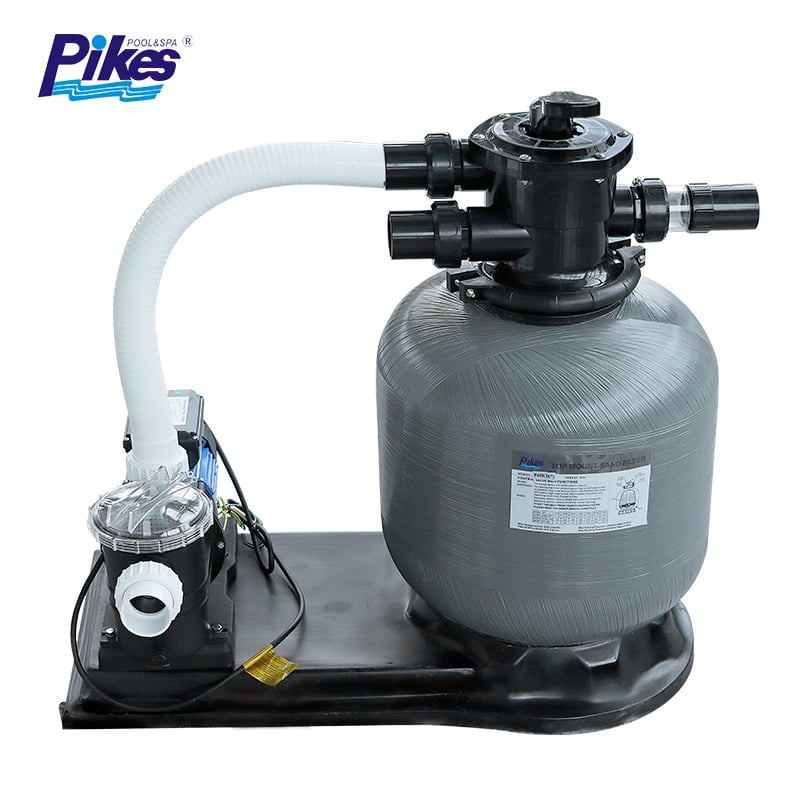
The effectiveness of a sand filter stems from its simple yet sophisticated design that mimics natural water filtration processes. Pool water circulates through layers of specially graded sand that trap particles as small as 20 to 40 microns. This filtration method has proven its reliability across decades of commercial and residential pool applications, making it a cornerstone technology in modern pool maintenance systems.
Understanding the advantages of sand filter technology helps pool owners make informed decisions about their filtration investments. From operational efficiency to maintenance simplicity, these systems offer compelling benefits that align with both budget considerations and performance expectations. The following comprehensive analysis explores why sand filter systems continue to dominate the pool filtration market.
Understanding Sand Filter Technology
Filtration Mechanism and Process
A sand filter operates through mechanical filtration principles that capture particles through physical straining and depth filtration. Pool water enters the filter tank from the top and flows downward through multiple layers of carefully graded sand media. The sand bed creates a tortuous path for water flow, forcing particles to come into contact with sand grains where they become trapped through various mechanisms including impaction, interception, and sedimentation.
The effectiveness of sand filter systems depends on proper media selection and bed depth configuration. Filter sand typically consists of silica sand with specific size distributions ranging from 0.45 to 0.85 millimeters. This sizing ensures optimal particle retention while maintaining adequate flow rates through the filter bed. The sand media gradually develops a biological layer called schmutzdecke that enhances filtration efficiency by capturing even smaller particles than the base sand alone.
Modern sand filter designs incorporate advanced features such as multi-port valves that enable easy switching between filtration, backwashing, and rinse cycles. These operational modes ensure consistent performance while simplifying maintenance procedures. The backwash cycle reverses water flow direction, lifting trapped debris from the sand bed and flushing it to waste, thereby regenerating the filter media for continued effective operation.
Types and Configurations
Sand filter systems are available in various configurations to accommodate different pool sizes and installation requirements. Top-mount configurations feature the multiport valve positioned on top of the filter tank, providing easy access for operation and maintenance. Side-mount designs position the valve on the side of the tank, offering space-saving benefits in equipment areas with height restrictions.
High-rate sand filter designs optimize filtration performance through enhanced hydraulic distribution systems. These filters incorporate underdrain systems with lateral distributors or hub-and-spoke configurations that ensure uniform water distribution across the entire sand bed. Proper distribution prevents channeling and dead zones that could compromise filtration effectiveness and reduce system efficiency.
Commercial-grade sand filter systems often feature multiple tank configurations that allow for continuous operation during maintenance cycles. While one filter undergoes backwashing or media replacement, parallel units continue providing filtration service. This redundancy ensures uninterrupted pool operation in high-use facilities where downtime must be minimized for operational and safety reasons.
Operational Advantages
Low Maintenance Requirements
One of the most compelling advantages of sand filter systems is their minimal maintenance requirements compared to other filtration technologies. The primary maintenance task involves periodic backwashing to clean the filter media, typically required every 1-2 weeks depending on pool usage and environmental conditions. This process takes only 10-15 minutes and requires no special tools or technical expertise from pool operators.
Sand media replacement represents the most significant maintenance requirement, but this task occurs infrequently, typically every 3-5 years under normal operating conditions. The longevity of sand media significantly reduces ongoing operational costs and maintenance scheduling complexity. When replacement becomes necessary, the process involves draining the tank, removing old sand, and refilling with fresh media.
The robust construction of sand filter tanks and internal components contributes to their low maintenance profile. High-quality fiberglass or reinforced plastic tanks resist corrosion and degradation from pool chemicals and environmental exposure. Internal components such as laterals and distributors are typically manufactured from durable materials that withstand years of continuous operation without requiring frequent replacement or adjustment.
Cost-Effective Operation
Sand filter systems deliver exceptional value through their cost-effective operational characteristics. The initial investment in a sand filter system typically provides decades of reliable service with minimal ongoing costs beyond basic maintenance. This long-term value proposition makes sand filters particularly attractive for budget-conscious pool owners seeking reliable filtration performance.
Energy consumption represents another area where sand filter systems excel. Their design allows for extended filtration cycles with relatively low pressure drops across the filter media. This efficiency translates to reduced pump operating costs and lower overall energy consumption compared to higher-maintenance filtration alternatives that require more frequent cleaning cycles or higher operating pressures.
The availability and affordability of replacement sand media further enhance the cost-effectiveness of these systems. Filter sand is readily available from pool supply retailers and bulk material suppliers at competitive prices. This accessibility ensures that maintenance costs remain predictable and affordable throughout the system's operational life, providing pool owners with budget certainty for long-term planning.
Performance and Reliability
Filtration Efficiency Standards
Sand filter systems consistently deliver reliable filtration performance that meets or exceeds industry standards for residential and commercial pool applications. These systems effectively remove particles in the 20-40 micron range, which includes most visible debris, algae, and organic contaminants that affect water clarity and quality. This level of filtration performance satisfies health department requirements and pool operator expectations for clean, safe swimming environments.
The filtration efficiency of sand filter systems improves over time as the filter bed matures and develops enhanced particle capture mechanisms. Initially, new sand media primarily relies on mechanical straining to remove larger particles. As the bed ages and accumulates organic matter, biological processes develop that enhance the removal of smaller particles and dissolved organic compounds, creating a more effective filtration system.
Consistent water quality maintenance represents a key strength of sand filter technology. Unlike cartridge systems that may experience declining performance between cleaning cycles, sand filter systems maintain relatively stable filtration efficiency throughout their operational cycle. This consistency helps pool operators maintain predictable water quality standards with minimal intervention or adjustment to chemical treatment programs.
Durability and Longevity
The durability of sand filter systems stems from their simple design and robust construction materials. Quality filter tanks manufactured from fiberglass or high-density polyethylene provide excellent resistance to chemical corrosion, UV degradation, and physical damage. These materials maintain their structural integrity for decades under normal operating conditions, providing exceptional return on investment for pool owners.
Internal components such as underdrain systems and distribution networks are typically manufactured from corrosion-resistant materials including PVC, ABS plastic, or stainless steel. These components are designed to withstand continuous exposure to treated pool water and cleaning chemicals without experiencing significant degradation. The longevity of these internal systems contributes to the overall reliability and low maintenance requirements of sand filter installations.
Environmental factors that might affect other filtration technologies have minimal impact on sand filter performance. Temperature fluctuations, chemical exposure, and physical stresses from water hammer or pressure variations are easily accommodated by the robust design of these systems. This resilience ensures consistent operation across diverse climatic conditions and varying operational demands.
Installation and Integration Benefits
Versatile Installation Options
Sand filter systems offer exceptional installation flexibility that accommodates various pool configurations and equipment room layouts. These systems can be installed above ground, below ground, or at grade level depending on site conditions and design preferences. The versatility in installation positioning helps pool designers optimize equipment placement while maintaining accessibility for operation and maintenance.
Plumbing integration with sand filter systems is straightforward due to standardized connection sizes and configurations. Most residential systems utilize 1.5 or 2-inch plumbing connections that align with common pool circulation system designs. This standardization simplifies installation procedures and reduces the need for custom fittings or adapters that might complicate the installation process or create potential failure points.
The compact footprint of modern sand filter designs enables installation in space-constrained equipment areas without compromising accessibility or performance. Vertical tank configurations minimize ground space requirements while maintaining adequate media capacity for effective filtration. This space efficiency is particularly valuable in residential installations where equipment areas may be limited by property boundaries or architectural constraints.
System Compatibility
Sand filter systems integrate seamlessly with existing pool circulation equipment including pumps, heaters, and chemical treatment systems. The hydraulic characteristics of sand filter designs complement standard centrifugal pump performance curves, ensuring efficient system operation without requiring specialized equipment or modifications. This compatibility simplifies system design and reduces equipment costs for new installations or retrofits.
Automation system integration represents another advantage of modern sand filter designs. Digital control systems can easily monitor filter pressure differentials and automate backwash cycles based on predetermined schedules or performance parameters. This automation capability enhances system efficiency while reducing operator workload and ensuring consistent maintenance schedules.
Chemical treatment systems work effectively with sand filter installations due to the stable hydraulic environment these filters provide. Unlike some filtration technologies that create turbulent flow conditions, sand filter systems promote laminar flow characteristics that enhance chemical distribution and contact time. This hydraulic stability improves the effectiveness of sanitization and pH adjustment systems throughout the pool circulation loop.
Environmental and Safety Considerations
Eco-Friendly Operation
Sand filter systems align with environmental sustainability goals through their use of natural filtration media and minimal chemical requirements. The sand media is composed of natural silica materials that are abundant, renewable, and environmentally benign. When sand replacement becomes necessary, the old media can often be repurposed for landscaping applications or other construction uses, minimizing waste disposal concerns.
Water conservation represents an important environmental benefit of sand filter systems. While backwashing does require water usage for filter cleaning, the overall water consumption is typically lower than that required by frequent cartridge replacement systems that may need more frequent cleaning or replacement. Modern sand filter designs optimize backwash cycles to minimize water usage while maintaining effective filter cleaning performance.
The energy efficiency of sand filter operations contributes to reduced environmental impact through lower electrical consumption. These systems operate effectively at relatively low pressure differentials, reducing the energy demands on circulation pumps. This efficiency translates to reduced carbon footprint and lower operational costs, supporting both environmental and economic sustainability objectives.
Safety and Health Benefits
Sand filter systems contribute to swimmer safety through reliable removal of pathogens and contaminants that could pose health risks. The multi-layer filtration process effectively captures bacteria, algae, and organic debris that might harbor harmful microorganisms. This physical removal complements chemical sanitization systems to create a comprehensive water treatment approach that protects swimmer health and safety.
The stable operating characteristics of sand filter systems reduce the risk of equipment failures that might compromise water quality. Unlike more complex filtration technologies that may experience sudden performance drops, sand filter systems typically exhibit gradual performance changes that allow operators time to respond with appropriate maintenance actions. This predictability helps maintain consistent water quality standards and reduces the risk of waterborne illness outbreaks.
Operator safety benefits from the simple maintenance procedures required by sand filter systems. Backwashing procedures involve minimal physical contact with filter media or contaminated components, reducing exposure risks for maintenance personnel. The robust construction and reliable operation of these systems also minimize the likelihood of equipment failures that might create safety hazards in pool equipment areas.
Comparing Sand Filters to Alternative Technologies
Sand Filter Versus Cartridge Systems
When comparing sand filter systems to cartridge filtration alternatives, several key differences emerge that influence system selection decisions. Cartridge systems offer finer filtration capabilities, typically removing particles as small as 10-15 microns compared to the 20-40 micron range of sand filter systems. However, this enhanced filtration comes at the cost of more frequent maintenance requirements and higher ongoing operational costs.
Maintenance frequency represents a significant differentiator between these technologies. Cartridge systems require cleaning every 2-4 weeks and complete replacement every 3-6 months depending on pool usage and environmental conditions. In contrast, sand filter systems need backwashing every 1-2 weeks but require sand replacement only every 3-5 years. This difference in maintenance schedules significantly impacts the total cost of ownership and operator workload over the system's lifespan.
The initial investment costs also differ substantially between these filtration approaches. While cartridge systems may have lower upfront equipment costs, the ongoing expense of replacement cartridges often exceeds the long-term costs associated with sand filter maintenance. Pool owners must consider both initial and lifecycle costs when evaluating these filtration alternatives to make informed economic decisions.
Sand Filter Versus Diatomaceous Earth Systems
Diatomaceous earth filtration systems provide superior filtration performance compared to sand filter alternatives, capable of removing particles as small as 2-5 microns. This enhanced filtration capability makes DE systems attractive for applications requiring exceptionally clear water quality. However, the operational complexity and maintenance requirements of DE systems often outweigh their performance advantages for typical residential pool applications.
The maintenance procedures for DE systems involve handling of diatomaceous earth powder, which requires careful safety precautions due to potential respiratory health concerns. Sand filter systems eliminate these safety considerations through their use of granular media that poses no inhalation risks during maintenance procedures. This safety advantage makes sand filter systems more suitable for pool owners who prefer to perform their own maintenance tasks.
Cost considerations favor sand filter systems over DE alternatives in most residential applications. DE filter media costs significantly more than replacement sand, and the more frequent maintenance requirements of DE systems increase labor and operational costs. These economic factors often make sand filter systems the preferred choice for cost-conscious pool owners seeking reliable filtration performance without premium operational expenses.
Optimizing Sand Filter Performance
Proper Sizing and Selection
Selecting the appropriate sand filter size requires careful consideration of pool volume, circulation rate, and intended usage patterns. Industry standards recommend sizing sand filter systems to achieve turnover rates of 6-8 hours for residential pools and 4-6 hours for commercial installations. These turnover rates ensure adequate filtration capacity while maintaining reasonable operating pressures and energy consumption levels.
Filter media selection plays a crucial role in optimizing system performance. Standard silica sand provides excellent filtration performance for most applications, but specialty media such as glass sand or zeolite can enhance filtration efficiency in specific circumstances. Glass media offers improved particle capture and reduced backwash frequency, while zeolite media provides enhanced ammonia removal capabilities for pools with heavy bather loads.
Hydraulic considerations must be evaluated during system sizing to ensure proper flow distribution and filtration efficiency. Undersized sand filter systems experience excessive flow rates that can cause media fluidization and reduced particle capture efficiency. Conversely, oversized systems may experience insufficient flow rates that allow channeling and reduced filtration effectiveness throughout the sand bed.
Maintenance Best Practices
Implementing proper backwash procedures is essential for maintaining optimal sand filter performance throughout the system's operational life. Backwash cycles should continue until the waste water runs clear, typically requiring 3-5 minutes of reverse flow operation. Insufficient backwash duration allows trapped debris to accumulate in the sand bed, gradually reducing filtration efficiency and increasing operating pressures.
Monitoring pressure differential across the filter provides valuable insight into system performance and maintenance needs. Clean sand filter systems typically operate with pressure drops of 5-10 psi, while increases of 15-20 psi above the clean pressure indicate the need for backwashing. Regular pressure monitoring helps optimize backwash frequency and identify potential system problems before they impact water quality or equipment performance.
Sand bed inspection and maintenance should be performed periodically to ensure continued filtration effectiveness. Over time, sand media can become contaminated with oils, scale, or organic deposits that reduce filtration efficiency even after proper backwashing. Chemical cleaning agents specifically designed for sand filter systems can remove these deposits and restore media effectiveness, extending the service life of the filter sand.
FAQ
How often should I backwash my sand filter system
Backwashing frequency depends on pool usage, environmental conditions, and water quality factors. Generally, sand filter systems require backwashing every 1-2 weeks during normal operation. Monitor the pressure gauge on your system and backwash when the pressure increases 8-10 psi above the clean operating pressure. Heavy pool usage or environmental factors like storms may necessitate more frequent backwashing to maintain optimal filtration performance.
What type of sand should I use in my pool filter
Pool filter sand should be specifically designed for filtration applications, typically consisting of silica sand with particle sizes ranging from 0.45 to 0.85 millimeters. Avoid using construction sand, play sand, or beach sand, as these materials may contain impurities or inappropriate particle size distributions that can compromise filtration performance. Purchase filter sand from reputable pool supply retailers to ensure proper specifications and quality standards.
How long does sand filter media last before replacement
Sand filter media typically lasts 3-5 years under normal operating conditions before requiring complete replacement. However, the actual service life depends on pool usage levels, water quality, and maintenance practices. Signs that sand replacement may be needed include difficulty maintaining water clarity, shortened time between backwash cycles, or the presence of algae despite proper chemical treatment. Regular inspection of the sand bed during maintenance can help determine when replacement becomes necessary.
Can I upgrade my existing cartridge filter to a sand filter system
Converting from a cartridge filter to a sand filter system is often possible but requires evaluation of existing plumbing, pump capacity, and installation space. Sand filter systems typically require larger equipment footprints and may need different plumbing connections compared to cartridge systems. Consult with a qualified pool professional to assess the feasibility of conversion and ensure proper system sizing and integration with existing equipment components.