
 EN
EN



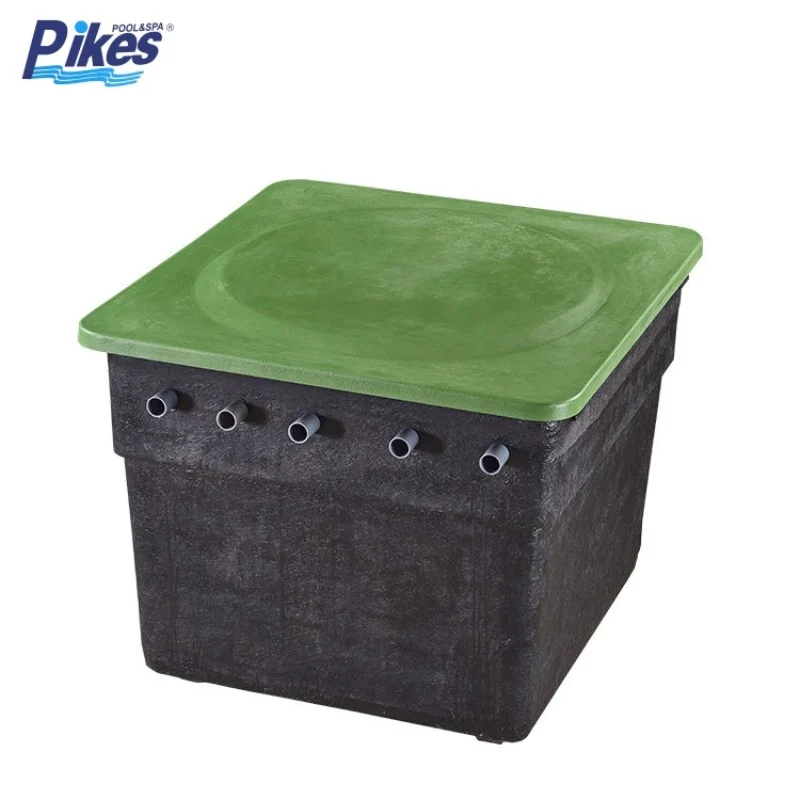
Maintaining crystal-clear pool water requires effective filtration systems that can handle daily contaminants and debris. A swimming pool sand filter represents one of the most reliable and cost-effective solutions for achieving consistent water quality in residential and commercial pools. These filtration systems utilize specially graded sand media to capture particles, dirt, and impurities, ensuring your pool remains clean and safe for swimmers throughout the season.
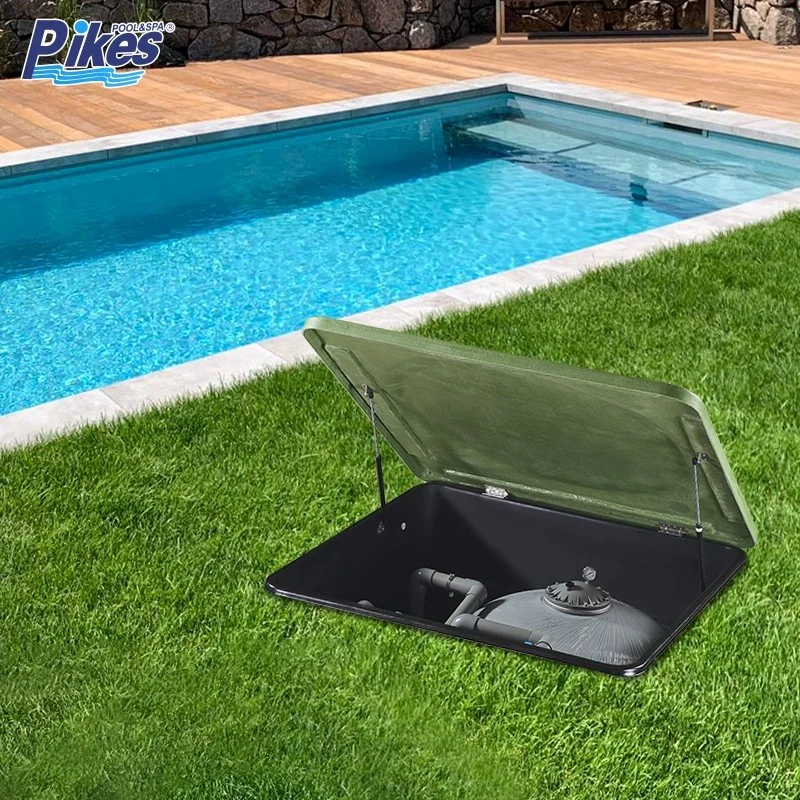
Pool owners worldwide rely on sand filtration technology for its proven track record and minimal maintenance requirements. Unlike other filtration methods that demand frequent cartridge replacements or complex cleaning procedures, a swimming pool sand filter operates efficiently with periodic backwashing cycles. This makes it an ideal choice for both novice pool owners and experienced maintenance professionals who prioritize long-term performance and reliability.
Understanding Sand Filter Technology
Core Filtration Mechanics
The fundamental operation of a swimming pool sand filter relies on physical straining and biological action within the sand bed. Water enters the filter tank through the top distribution system and flows downward through multiple layers of specially graded sand. As water passes through these layers, progressively smaller particles become trapped between sand granules, creating an effective barrier against contaminants.
The sand bed typically consists of #20 silica sand, which provides optimal filtration down to particles as small as 20-40 microns. This filtration capacity effectively removes most visible debris, algae, and suspended particles that can cloud pool water. The depth and density of the sand bed create multiple filtration zones, ensuring comprehensive cleaning as water travels through the medium.
Over time, the trapped debris forms a biofilm layer on top of the sand bed, which actually enhances filtration efficiency by capturing even smaller particles. This natural process, known as ripening, improves the swimming pool sand filter performance without requiring additional equipment or chemical treatments.
Sand Media Specifications
Proper sand selection plays a crucial role in filter performance and longevity. High-quality silica sand features angular granules that create effective void spaces for particle entrapment while maintaining consistent flow rates. The uniform size distribution prevents channeling and ensures even water distribution throughout the filter bed.
Standard swimming pool sand filter installations require approximately 350-500 pounds of sand, depending on the filter tank diameter and manufacturer specifications. The sand bed depth typically ranges from 24 to 30 inches, providing sufficient filtration media while maintaining proper backwash efficiency. Premium sand grades undergo washing and screening processes to remove dust and irregular particles that could impair filtration performance.
Alternative media options, such as glass sand or zeolite, offer enhanced filtration capabilities for specific applications. These specialized media types can capture smaller particles and resist biological growth, extending the intervals between sand replacement cycles while maintaining superior water clarity.
Installation and System Integration
Equipment Configuration
Integrating a swimming pool sand filter into your circulation system requires careful attention to pump sizing, plumbing connections, and valve positioning. The filter tank must be properly supported on a level pad to prevent structural stress and ensure optimal water distribution. Proper elevation relative to the pool water level prevents air lock issues and maintains consistent prime conditions.
The multiport valve serves as the control center for all filter operations, including filtration, backwashing, rinsing, and winterization modes. Professional installation ensures proper valve orientation and secure connections that prevent water bypass and maintain system efficiency. Pressure gauges and flow meters provide essential monitoring capabilities for ongoing maintenance and performance optimization.
Plumbing design considerations include adequate pipe sizing to minimize head pressure and flow restrictions. Proper isolation valves allow for system servicing without draining the entire pool, while union connections facilitate equipment replacement and winter maintenance procedures. Strategic placement of check valves prevents backflow and protects pump equipment during system shutdown periods.
Startup and Commissioning
Initial startup procedures for a swimming pool sand filter system require systematic steps to ensure proper operation and prevent equipment damage. The sand loading process must follow manufacturer guidelines regarding layer depth and compaction to avoid channeling and uneven flow distribution. Proper sand preparation includes rinsing to remove manufacturing dust that could cloud pool water during initial operation.
System commissioning involves gradual flow rate increases while monitoring pressure differential and water clarity. The initial filtration cycles typically require extended run times to establish the biofilm layer and achieve optimal particle removal efficiency. Backwash cycles during the first week of operation help settle the sand bed and remove any residual debris from installation.
Water chemistry balancing becomes critical during the startup phase, as improper pH or calcium hardness levels can affect sand bed performance and equipment longevity. Regular testing ensures optimal conditions for both filtration efficiency and swimmer comfort throughout the operating season.
Maintenance Procedures and Best Practices
Backwashing Operations
Regular backwashing represents the primary maintenance requirement for swimming pool sand filter systems, typically performed when the pressure gauge reads 8-10 psi above the clean starting pressure. The backwash process reverses water flow through the sand bed, lifting trapped debris and carrying it to the waste discharge. This cleaning cycle typically requires 2-3 minutes of reversed flow to achieve complete cleaning.
Proper backwashing technique involves monitoring the sight glass or waste line discharge until the water runs clear, indicating complete debris removal. Following each backwash cycle, a brief rinse period resettles the sand bed and removes any residual debris that might return to the pool. Excessive backwashing can waste water and chemicals while insufficient cleaning reduces filtration efficiency and increases operating pressures.
Seasonal backwashing frequency varies based on bather load, environmental conditions, and pool chemistry maintenance. Heavy usage periods or storm events may require increased backwashing frequency, while properly balanced pools with regular cleaning may extend intervals between cycles. Monitoring pressure differential provides the most reliable indicator for backwashing timing rather than following rigid schedules.
Long-term Care Requirements
Annual inspection and maintenance procedures ensure continued swimming pool sand filter performance and identify potential issues before they affect water quality. Visual inspection of the multiport valve components, pressure gauge accuracy, and plumbing connections helps prevent system failures during peak operating periods. Lubrication of O-rings and moving parts extends equipment life and maintains proper sealing.
Sand replacement typically occurs every 3-5 years, depending on usage patterns and maintenance quality. Signs indicating sand replacement needs include shortened intervals between backwashing, persistent water clarity issues, and sand particles appearing in pool returns. Complete sand changeout involves draining the tank, removing old media, and installing fresh sand following proper layering procedures.
Winter preparation for swimming pool sand filter systems includes draining water below freeze lines, removing drain plugs, and protecting exposed equipment from weather damage. Proper winterization prevents freeze damage to internal components and ensures reliable startup for the following season. Spring recommissioning procedures verify system integrity and prepare equipment for another year of reliable operation.
Performance Optimization Strategies
Flow Rate Management
Optimizing flow rates through a swimming pool sand filter system directly impacts filtration efficiency and energy consumption. The recommended flow rate typically ranges from 15-20 gallons per minute per square foot of filter surface area, providing optimal particle removal without excessive pressure drop. Higher flow rates can cause particle bypass and reduced cleaning effectiveness, while insufficient flow fails to maintain proper water circulation.
Variable speed pump integration allows precise flow control and significant energy savings compared to traditional single-speed equipment. Lower flow rates during extended circulation periods provide enhanced filtration while reducing operating costs and equipment wear. Peak flow rates during backwashing and cleaning cycles ensure thorough debris removal and maintain system efficiency.
System hydraulics affect overall performance, with properly sized plumbing and minimal restrictions maximizing filter effectiveness. Regular monitoring of pressure differentials helps identify developing restrictions or equipment issues that could compromise system performance. Professional system analysis can identify optimization opportunities and extend equipment operating life.
Chemical Compatibility Considerations
Water chemistry significantly impacts swimming pool sand filter performance and longevity. Proper pH balance between 7.2-7.6 prevents sand bed calcification and maintains optimal filtration efficiency. High pH conditions can cause calcium precipitation within the sand media, reducing flow capacity and requiring acid washing or sand replacement to restore performance.
Chlorine levels must be maintained within recommended ranges to prevent biological growth in the filter media while avoiding excessive chemical exposure that could damage internal components. Stabilized chlorine products help maintain consistent sanitizer levels while reducing chemical consumption and equipment stress. Regular shock treatments eliminate organic buildup and maintain peak filtration performance.
Specialty chemical treatments, such as clarifiers and enzymes, can enhance swimming pool sand filter effectiveness by improving particle aggregation and organic waste breakdown. These products work synergistically with sand filtration to achieve superior water clarity and reduce maintenance requirements. Proper dosing and application timing maximize benefits while preventing adverse reactions or equipment damage.
Troubleshooting Common Issues
Pressure and Flow Problems
High operating pressure in a swimming pool sand filter system typically indicates excessive debris buildup requiring immediate backwashing or potential equipment restrictions. Pressure readings exceeding manufacturer specifications can stress system components and reduce filtration efficiency. Systematic troubleshooting involves checking for valve malfunctions, plumbing restrictions, or sand bed compaction issues.
Low pressure conditions may indicate air leaks, pump cavitation, or inadequate water supply to the system. Suction line integrity becomes critical for maintaining proper prime and preventing air entrainment that can disrupt filtration cycles. Regular inspection of pump basket, skimmer weirs, and suction fittings helps identify and resolve air leak sources before they affect system performance.
Flow rate variations can result from partially closed valves, clogged strainer baskets, or variable speed pump programming issues. Consistent flow monitoring ensures optimal filtration while identifying developing problems that could affect water quality. Professional system evaluation may be necessary for complex flow distribution problems or recurring pressure anomalies.
Water Quality Concerns
Cloudy water despite proper swimming pool sand filter operation often indicates inadequate filtration time, chemical imbalance, or filter media problems. Extended circulation periods during problem resolution help restore water clarity while identifying the underlying cause. Sand bed channeling or media degradation may require professional inspection and potential sand replacement to restore proper filtration capacity.
Algae breakthrough during normal filter operation suggests inadequate sanitizer levels or biological growth within the filter media. Shock treatment combined with extended filtration periods typically resolves algae issues while preventing recurrence. Persistent problems may require sand bed cleaning with specialized chemicals or complete media replacement to eliminate biological contamination.
Sand appearing in pool returns indicates damaged internal components, improper installation, or media migration issues. Immediate system shutdown prevents further contamination while allowing inspection of lateral assemblies and internal filter components. Professional repair may be necessary to replace damaged parts and prevent recurring sand displacement problems.
FAQ
How often should I backwash my swimming pool sand filter
Backwashing frequency depends on pool usage, environmental conditions, and debris load, but typically ranges from weekly to monthly during active swimming seasons. Monitor the pressure gauge and perform backwashing when it reads 8-10 psi above the clean starting pressure. Heavy usage periods, storms, or algae blooms may require more frequent backwashing to maintain optimal filtration performance.
When should I replace the sand in my filter system
Swimming pool sand filter media typically requires replacement every 3-5 years, depending on usage patterns and maintenance quality. Signs indicating replacement needs include shortened intervals between backwashing, persistent water clarity issues, sand particles in pool returns, or calcified sand bed conditions. Professional inspection can determine if sand replacement or alternative solutions are most appropriate for your specific situation.
What type of sand should I use in my pool filter
Use only #20 silica sand specifically designed for swimming pool sand filter applications, which provides optimal particle size distribution and angular granules for effective filtration. Avoid using play sand, construction sand, or other non-pool specific products that may contain impurities or inappropriate particle sizes. Alternative media like glass sand or zeolite offer enhanced performance characteristics but require compatibility verification with your specific filter system.
Why is my sand filter not cleaning the pool water effectively
Poor filtration performance can result from several factors including inadequate circulation time, improper flow rates, sand bed channeling, or chemical imbalance issues. Check that your pump runs sufficient hours daily, verify proper water chemistry balance, and ensure the sand bed hasn't become calcified or contaminated. If problems persist after addressing these factors, professional inspection may reveal equipment issues requiring repair or sand replacement to restore optimal swimming pool sand filter performance.