
 EN
EN



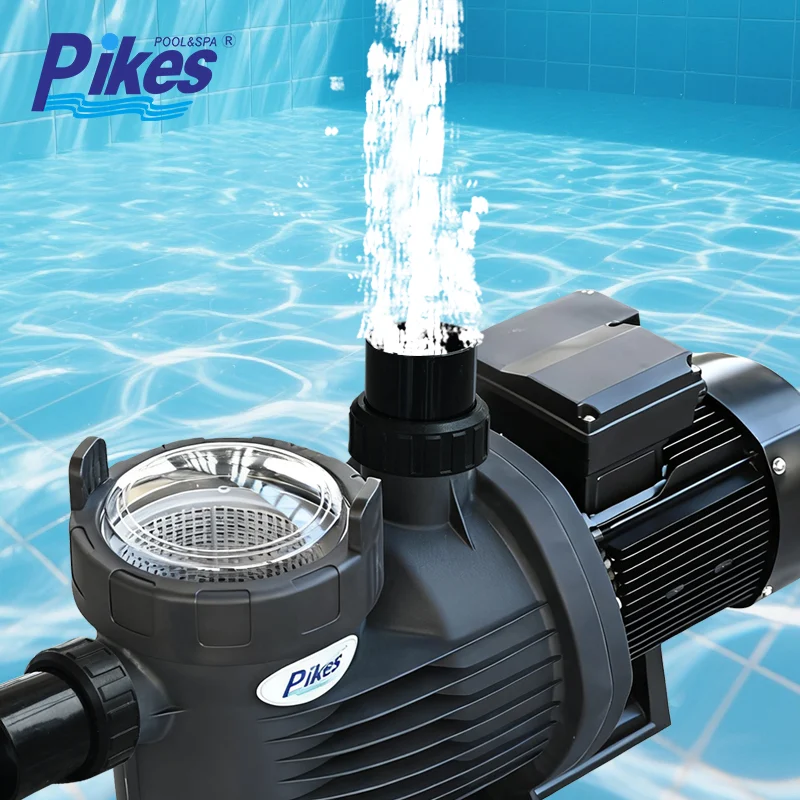
Selecting the appropriate pool pump is one of the most critical decisions for swimming pool owners, as this essential equipment directly impacts water quality, energy consumption, and overall maintenance costs. A properly sized and efficient pool pump ensures optimal water circulation, effective filtration, and consistent chemical distribution throughout your swimming pool system. Understanding the various factors that influence pool pump selection will help you make an informed decision that balances performance, efficiency, and long-term operational costs.
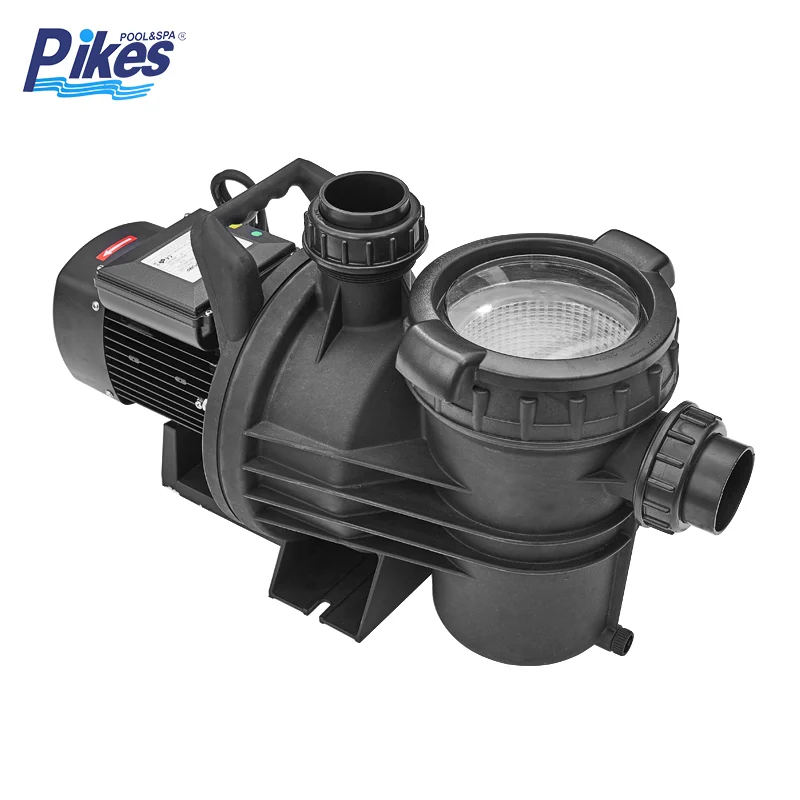
Understanding Pool Pump Fundamentals
Core Components and Operation
Every pool pump consists of several fundamental components that work together to maintain water circulation. The motor provides the power source, while the impeller creates the necessary pressure differential to move water through the system. The pump housing contains these components and provides connection points for suction and discharge lines. Understanding how these elements interact helps pool owners appreciate why proper pool pump sizing and selection matters significantly for system performance.
The operational principle behind any pool pump involves creating suction that draws water from the pool through skimmers and main drains. This water passes through the pump and gets pushed through the filtration system before returning to the pool through return jets. The entire process depends on the pool pump maintaining adequate flow rates and pressure levels to ensure complete water turnover within the recommended timeframe.
Types of Pool Pumps Available
Single-speed pool pumps operate at one constant speed and represent the most traditional option for residential swimming pools. These units typically run at 3,450 RPM and provide reliable performance for basic circulation needs. However, their energy consumption remains consistently high regardless of actual system requirements, making them less efficient for extended operation periods.
Variable-speed pool pumps offer multiple operational speeds, allowing pool owners to adjust flow rates based on specific needs. These advanced units can operate at lower speeds for routine circulation while providing higher speeds when necessary for cleaning or chemical distribution. The ability to match pump speed with system demands results in significant energy savings and reduced operational noise levels.
Calculating Your Pool Pump Requirements
Determining Pool Volume
Accurate pool volume calculation forms the foundation of proper pool pump selection. Rectangular pools require multiplying length, width, and average depth, then converting to gallons using appropriate conversion factors. Round pools use the formula involving radius squared, depth, and pi, while irregular shapes may require breaking the pool into geometric sections for individual calculation.
Most residential pools contain between 10,000 and 30,000 gallons, though larger installations can exceed 50,000 gallons. Pool volume directly influences the required flow rate and pump capacity needed to achieve complete water turnover within industry-recommended timeframes. Accurate volume calculations ensure your pool pump can handle the circulation demands without being oversized or undersized.
Flow Rate and Turnover Time
Industry standards recommend complete pool water turnover every 6 to 8 hours for residential applications. This means your pool pump must circulate the entire pool volume within this timeframe to maintain proper water quality and chemical distribution. Commercial pools typically require faster turnover rates, often between 4 to 6 hours, depending on bather load and local regulations.
Calculating required flow rate involves dividing total pool volume by desired turnover time in hours. For example, a 20,000-gallon pool requiring 8-hour turnover needs a minimum flow rate of 2,500 gallons per hour. However, you should account for system resistance and head loss when selecting your pool pump to ensure adequate performance under actual operating conditions.
System Resistance and Head Calculations
Understanding Total Dynamic Head
Total Dynamic Head represents the total resistance your pool pump must overcome to maintain desired flow rates. This measurement includes static head (vertical lift), friction losses through pipes and fittings, and pressure drops across filtration equipment. Accurate TDH calculations ensure your selected pool pump can deliver adequate performance throughout the entire circulation system.
Static head calculations consider the vertical distance between water level and equipment location, including any elevation changes in the plumbing system. Friction losses depend on pipe diameter, length, material, and flow velocity through the system. Equipment losses vary based on filter type, heater specifications, and additional components like UV sanitizers or salt chlorine generators.
Pipe Sizing and Flow Considerations
Proper pipe sizing significantly impacts pool pump performance and energy efficiency. Undersized pipes create excessive friction losses, forcing your pool pump to work harder and consume more energy. Oversized pipes may reduce friction but increase initial installation costs and potentially create flow velocity issues that affect skimming efficiency.
Industry guidelines recommend maintaining flow velocities between 6 to 8 feet per second in suction lines and 8 to 10 feet per second in return lines. These velocities provide optimal balance between efficient water movement and manageable friction losses. Your pool pump selection should consider these factors to ensure long-term performance and energy efficiency.
Energy Efficiency and Cost Considerations
Variable Speed Technology Benefits
Variable-speed pool pumps can reduce energy consumption by 50 to 90 percent compared to traditional single-speed units. These savings result from the cubic relationship between pump speed and power consumption, meaning small reductions in operating speed create dramatic decreases in energy usage. Lower operational speeds also extend equipment life and reduce maintenance requirements.
Modern variable-speed pool pumps include programmable timers and automation compatibility, allowing precise control over circulation schedules. Pool owners can program different speeds for various functions, such as low-speed circulation during off-peak hours and higher speeds for cleaning or heating operations. This flexibility maximizes energy efficiency while maintaining proper water quality.
Operating Cost Analysis
Long-term operating costs should influence your pool pump selection decision as much as initial purchase price. Energy consumption represents the largest ongoing expense, followed by maintenance and potential repair costs. Premium efficiency pool pumps may cost more initially but typically recover the investment through reduced energy bills within 12 to 24 months.
Local utility rates, climate conditions, and usage patterns all impact actual operating costs. Pool owners in areas with time-of-use electricity pricing can maximize savings by running their pool pump during off-peak hours when rates are lowest. Some utilities offer rebates for high-efficiency pool pump installations, further improving the economic benefits of premium equipment.
Installation and Maintenance Requirements
Professional Installation Considerations
Proper pool pump installation requires attention to electrical connections, plumbing alignment, and equipment placement. Licensed electricians should handle all electrical work to ensure code compliance and safety. The installation location should provide adequate ventilation, weather protection, and service access for routine maintenance activities.
Plumbing connections must be properly sealed and supported to prevent air leaks that can damage your pool pump motor. Union connections on both suction and discharge sides facilitate future maintenance and equipment replacement. Proper priming procedures during initial startup ensure reliable operation and prevent cavitation damage to pump components.
Routine Maintenance Practices
Regular maintenance extends pool pump life and maintains optimal performance levels. Weekly tasks include checking pump basket for debris, inspecting for visible leaks, and verifying proper pressure gauge readings. Monthly maintenance should include cleaning the pump basket thoroughly and checking motor ventilation areas for obstructions.
Seasonal maintenance involves more comprehensive inspections of seals, gaskets, and electrical connections. Pool pump motors benefit from professional servicing every 2 to 3 years, including bearing lubrication and electrical component inspection. Proper winter shutdown procedures in cold climates prevent freeze damage and ensure reliable spring startup.
Troubleshooting Common Pool Pump Issues
Performance Problems and Solutions
Reduced flow rates often indicate clogged pump baskets, dirty filters, or air leaks in the suction system. Pool owners should systematically check each potential cause, starting with the most accessible components. Pump basket inspection and cleaning typically resolve minor flow issues, while persistent problems may require professional diagnosis.
Unusual noises from your pool pump can indicate various mechanical issues, from cavitation due to restricted suction to bearing wear in older units. Grinding or squealing sounds warrant immediate attention to prevent major component damage. Regular monitoring of pump operation helps identify developing problems before they require expensive repairs.
Electrical and Motor Issues
Pool pump motors can experience various electrical problems, including capacitor failure, thermal overload tripping, and wiring deterioration. These issues require qualified technician diagnosis and repair to ensure safe operation. Frequent breaker tripping may indicate motor problems or electrical system issues requiring immediate professional attention.
Proper electrical protection includes GFCI breakers, appropriate wire sizing, and weatherproof connections. Pool pump electrical systems must comply with local codes and NEC requirements for safety and reliability. Regular electrical system inspections help prevent failures and ensure continued safe operation.
FAQ
How do I determine the right size pool pump for my swimming pool
Calculate your pool volume in gallons and divide by 8 hours to determine minimum flow rate requirements. Consider total dynamic head including pipe friction and equipment resistance. Choose a pool pump that can deliver the required flow rate at your system's operating head while providing some reserve capacity for future additions or modifications.
What are the main differences between single-speed and variable-speed pool pumps
Single-speed pool pumps operate at one constant speed, typically 3,450 RPM, providing consistent but energy-intensive operation. Variable-speed units can operate at multiple speeds, allowing you to match pump output with actual system needs. This flexibility results in significant energy savings, reduced noise, and extended equipment life compared to traditional single-speed models.
How often should I replace my pool pump
Quality pool pumps typically last 8 to 12 years with proper maintenance and normal residential use. Signs requiring replacement include frequent repairs, declining efficiency, excessive noise, or inability to maintain proper flow rates. Upgrading to a variable-speed pool pump before complete failure allows you to plan the investment and potentially qualify for utility rebates.
Can I install a pool pump myself or do I need professional help
While experienced pool owners can handle some installation aspects, electrical connections require licensed electrician services for safety and code compliance. Professional installation ensures proper sizing, placement, and system integration. Many manufacturers require professional installation to maintain warranty coverage, making professional service a wise investment for your new pool pump.