
 EN
EN


Maintaining crystal-clear pool water requires more than just regular cleaning and chemical balancing. The heart of any effective pool circulation system is a high performance pool pump that can efficiently move water through filtration and sanitization equipment. Commercial pool operators and facility managers understand that investing in reliable pumping technology directly impacts water quality, energy costs, and overall system longevity. Modern pool environments demand equipment that combines powerful flow rates with energy-efficient operation to meet stringent health codes while controlling operational expenses.
Engineering Excellence in Commercial Pool Circulation
Advanced Hydraulic Design Principles
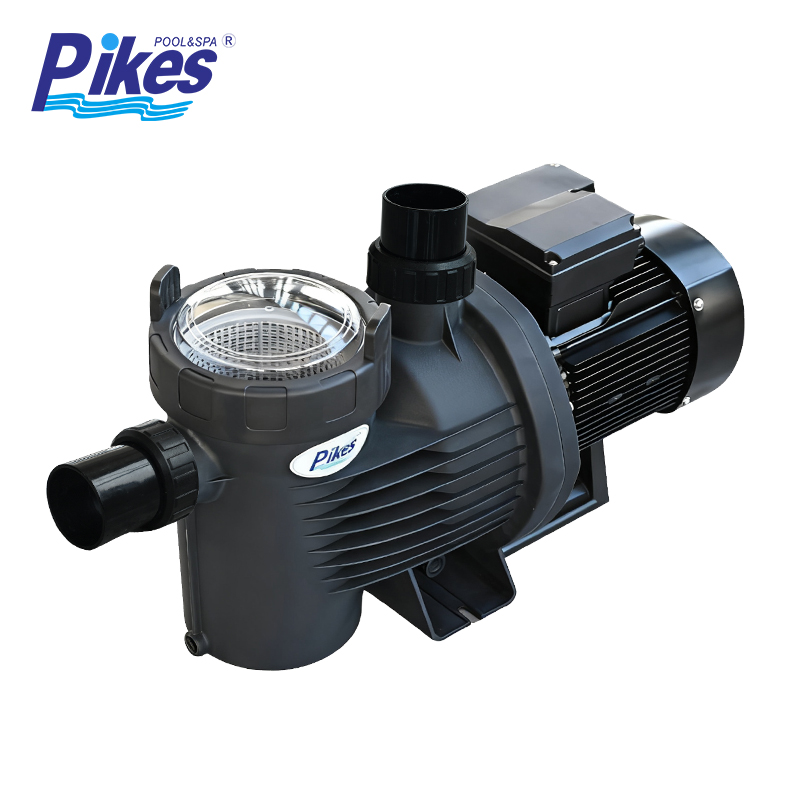
The foundation of any high performance pool pump lies in its hydraulic engineering and impeller design. Advanced computational fluid dynamics modeling enables manufacturers to optimize water flow patterns, reducing turbulence and maximizing efficiency throughout the pumping cycle. Precision-cast impellers with carefully calculated blade angles ensure smooth water acceleration while minimizing energy losses that plague conventional pumping systems. These engineering refinements translate directly into improved circulation rates and reduced operational costs for commercial facilities.
Volute chamber geometry plays an equally critical role in pump performance, with modern designs featuring gradual expansion curves that convert kinetic energy into pressure efficiently. The interaction between impeller dynamics and volute configuration determines overall system head characteristics, making proper selection essential for optimal pool circulation. Professional-grade pumping equipment incorporates these advanced design elements to deliver consistent performance across varying load conditions and seasonal demands.
Motor Integration and Control Systems
Contemporary pool pumping solutions integrate sophisticated motor control technology that enhances both performance and reliability. Variable frequency drives allow operators to adjust pump speed according to real-time circulation requirements, optimizing energy consumption while maintaining adequate flow rates for filtration and chemical distribution. This adaptive control capability becomes particularly valuable in commercial applications where usage patterns fluctuate throughout operating periods.
Premium motor designs feature enhanced cooling systems, corrosion-resistant housings, and extended bearing life to withstand demanding pool environments. The integration of smart monitoring systems enables predictive maintenance scheduling, reducing unexpected failures and extending equipment service life. These technological advances make modern pumping equipment significantly more reliable than traditional fixed-speed alternatives.
Flow Rate Optimization for Water Quality Management
Circulation Velocity and Filtration Efficiency
Proper water circulation velocity directly impacts filtration system effectiveness and chemical distribution throughout pool volumes. A high performance pool pump must generate sufficient flow to achieve complete water turnover within specified timeframes while maintaining adequate velocity through filtration media. Undersized pumping equipment results in stagnant zones where contaminants accumulate, compromising water quality and creating potential health hazards for pool users.
Commercial pool applications typically require flow rates that ensure complete water circulation every four to six hours, depending on bather load and facility type. Higher circulation rates improve filtration efficiency by reducing particle settling time and enhancing chemical mixing throughout the pool volume. This increased circulation also helps maintain uniform temperature distribution and prevents the formation of algae colonies in low-flow areas.
Hydraulic Matching and System Integration
Successful pool circulation systems require careful hydraulic matching between pumping equipment and downstream components including filters, heaters, and chemical feeders. The selected high performance pool pump must generate sufficient pressure to overcome system resistance while maintaining design flow rates through all circulation components. Improper sizing leads to cavitation, reduced component life, and compromised water quality management capabilities.
System designers must account for total dynamic head including friction losses through piping, elevation changes, and pressure drops across filtration equipment. Modern pumping solutions provide detailed performance curves that enable precise system matching, ensuring optimal operation across the full range of operating conditions. This engineering approach maximizes both equipment life and energy efficiency while maintaining superior water quality standards.
Energy Efficiency and Operational Cost Management
Variable Speed Technology Benefits
Energy efficiency represents a critical consideration for commercial pool operators facing rising utility costs and sustainability mandates. Variable speed pump technology allows facilities to operate at reduced speeds during low-demand periods while maintaining adequate circulation for water quality management. The cubic relationship between pump speed and power consumption means that even modest speed reductions can generate substantial energy savings over annual operating cycles.
Advanced pump controllers can automatically adjust operating speeds based on programmed schedules, filtration requirements, and real-time system feedback. This intelligent operation reduces energy consumption by up to 70% compared to traditional single-speed equipment while maintaining superior water quality. The resulting operational cost savings typically offset initial equipment investments within 18 to 24 months of installation.
Maintenance Requirements and Lifecycle Costs
Modern high performance pool pump designs incorporate features that reduce maintenance requirements and extend service intervals. Corrosion-resistant materials, improved seal designs, and enhanced bearing systems minimize component wear while withstanding harsh pool chemical environments. Self-priming capabilities eliminate the need for manual priming procedures, reducing labor requirements and improving operational reliability.
Preventive maintenance programs become more effective with equipment that provides diagnostic feedback and performance monitoring capabilities. Advanced pumping systems can alert operators to developing issues before component failures occur, enabling scheduled maintenance during low-usage periods. This proactive approach reduces emergency service calls and extends overall equipment service life significantly.
Installation Considerations and Best Practices
Mechanical Installation Requirements
Proper installation practices ensure optimal performance and longevity from commercial pool pumping equipment. Foundation requirements include level mounting surfaces, adequate vibration isolation, and proper alignment between pump and motor components. The installation location must provide sufficient clearance for maintenance access while protecting equipment from weather exposure and potential damage from facility operations.
Suction and discharge piping connections require careful attention to minimize flow restrictions and prevent air intrusion that can cause cavitation damage. Properly sized suction lines with minimal elevation changes help maintain positive suction pressure at the pump inlet. Discharge piping should incorporate gradual transitions and appropriate support to prevent stress on pump connections during thermal expansion cycles.
Electrical Integration and Safety Systems
Electrical installation of high performance pool pump equipment must comply with local electrical codes and swimming pool safety requirements. Ground fault circuit interrupter protection ensures operator safety while emergency shutdown systems provide additional protection during maintenance procedures. Proper motor starter sizing and overload protection prevent damage from electrical anomalies while ensuring reliable operation.
Control system integration allows pump operation to coordinate with filtration schedules, chemical feed systems, and facility automation equipment. Modern installations benefit from network connectivity that enables remote monitoring and control capabilities for improved operational efficiency. These integrated approaches optimize system performance while reducing operational complexity for facility staff.
Performance Monitoring and System Optimization
Flow Measurement and Trending Analysis
Continuous performance monitoring enables operators to optimize circulation system efficiency while identifying developing maintenance issues before they impact water quality. Flow measurement systems provide real-time feedback on pump performance, allowing adjustments to maintain design circulation rates despite changing system conditions. This data-driven approach ensures consistent water quality while maximizing energy efficiency throughout equipment service life.
Trending analysis of pump performance parameters helps identify gradual efficiency degradation that might indicate impeller wear, system fouling, or other developing issues. Regular performance comparisons against baseline measurements enable proactive maintenance scheduling that prevents unexpected failures and maintains optimal system operation. These monitoring capabilities become particularly valuable in commercial applications where system reliability directly impacts facility operations.
Chemical Distribution and Water Quality Impact
Effective circulation provided by properly sized pumping equipment ensures uniform chemical distribution throughout pool volumes, preventing localized concentration variations that can cause water quality issues. The hydraulic mixing action generated by circulation pumps helps maintain proper chemical balance while preventing stratification that can occur in large commercial pools. This improved mixing reduces overall chemical consumption while maintaining superior water quality standards.
Advanced circulation systems incorporate multiple return points and specialized nozzles that enhance mixing efficiency and eliminate stagnant zones where contaminants might accumulate. The combination of adequate flow rates and proper distribution design ensures that sanitizers reach all pool areas effectively, maintaining safe swimming conditions for facility users. This comprehensive approach to water circulation makes high performance pool pump selection critical for successful facility operations.
FAQ
What factors should be considered when selecting pump size for commercial pools
Commercial pool pump sizing depends on several critical factors including total pool volume, desired turnover rate, system hydraulic resistance, and peak bather load requirements. The pump must generate sufficient flow to achieve complete water circulation within four to six hours while overcoming friction losses through piping, filters, and other system components. Professional sizing calculations should account for total dynamic head including elevation changes, equipment pressure drops, and safety factors for future system modifications. Proper sizing ensures optimal water quality management while maximizing energy efficiency and equipment service life.
How does variable speed technology improve pool pump efficiency
Variable speed pump technology reduces energy consumption by allowing speed adjustment based on actual circulation requirements rather than operating at constant maximum capacity. The cubic relationship between pump speed and power consumption means that reducing speed by 20% can decrease energy use by approximately 50%. Modern variable speed systems include programmable controllers that automatically adjust operation based on filtration schedules, usage patterns, and water quality requirements. This intelligent operation typically reduces annual energy costs by 50-70% compared to traditional single-speed equipment while maintaining superior water circulation and quality.
What maintenance practices extend commercial pool pump service life
Regular maintenance practices that extend pump service life include monthly inspection of mechanical seals, bearing lubrication according to manufacturer schedules, and monitoring of motor operating temperatures and vibration levels. Chemical compatibility verification ensures that pool sanitizers and pH adjustment chemicals do not degrade pump materials over time. Strainer basket cleaning prevents debris accumulation that can cause impeller damage and reduce efficiency. Professional annual inspections should include impeller condition assessment, alignment verification, and electrical connection testing to identify developing issues before component failures occur.
How do modern pump control systems enhance facility operations
Contemporary pump control systems provide automated operation scheduling, remote monitoring capabilities, and integration with facility management systems for comprehensive oversight of pool circulation equipment. These systems can automatically adjust pump speed based on bather load sensors, water quality measurements, and filtration requirements to optimize both water quality and energy consumption. Diagnostic capabilities alert operators to developing maintenance issues while performance trending helps optimize system efficiency over time. Network connectivity enables centralized monitoring of multiple facilities and reduces the need for on-site operator presence during routine operations.