
 EN
EN


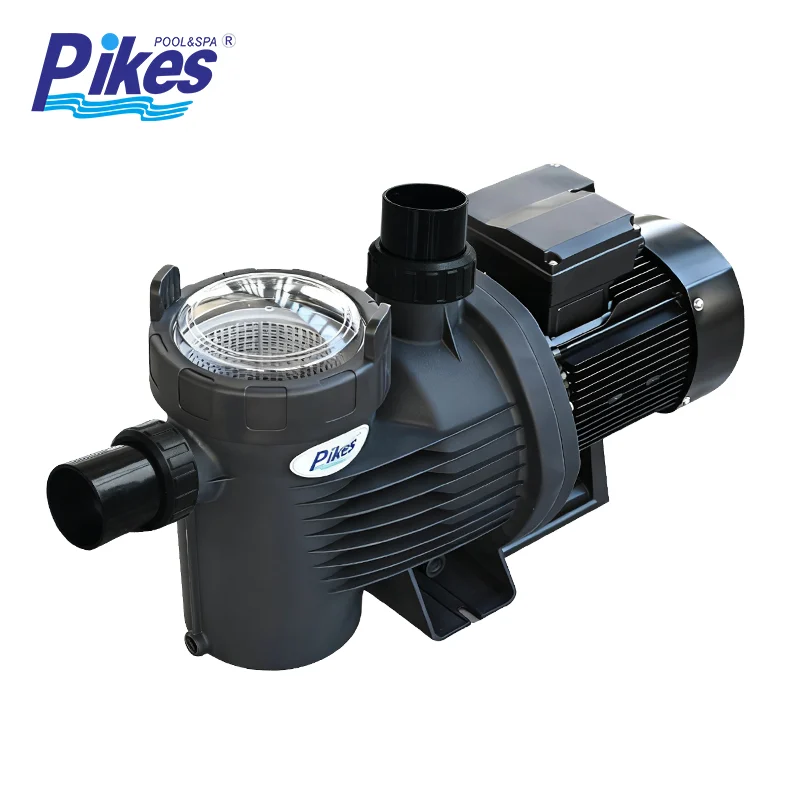
Commercial swimming pools and large residential facilities require robust equipment that can handle continuous operation while maintaining optimal water circulation. A heavy duty pool pump serves as the heart of any pool system, ensuring crystal-clear water through efficient filtration and circulation. These powerful units are engineered to operate 24/7, delivering consistent performance even under demanding conditions. Understanding the critical role of heavy duty pool pumps helps facility managers make informed decisions about their pool infrastructure investments.
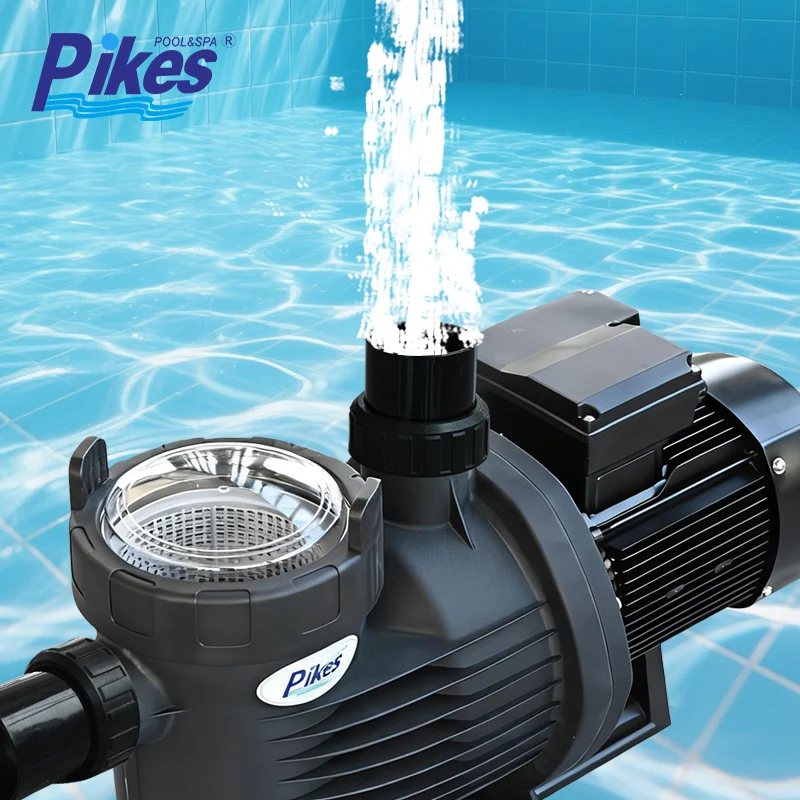
The modern pool industry demands equipment that combines reliability with energy efficiency, making the selection of appropriate pumping systems crucial for long-term operational success. Commercial-grade pumps must withstand harsh chemical environments while delivering consistent flow rates that meet strict health department regulations. Pool operators increasingly recognize that investing in quality pumping equipment reduces maintenance costs and ensures compliance with safety standards.
Essential Features of Commercial Pool Pumping Systems
Corrosion-Resistant Construction Materials
Industrial pool environments expose pumping equipment to aggressive chemical conditions that can rapidly degrade inferior materials. Premium heavy duty pool pump models incorporate marine-grade bronze impellers and stainless steel components that resist corrosion from chlorine, salt, and other pool chemicals. The pump housing typically features reinforced thermoplastic or cast iron construction designed to withstand decades of continuous operation without structural compromise.
Advanced seal technology prevents chemical infiltration while maintaining watertight operation under varying pressure conditions. These sealing systems often incorporate ceramic-faced mechanical seals that provide superior longevity compared to standard rubber seals. The combination of robust materials and precision engineering ensures that commercial pumps maintain optimal performance throughout their extended operational lifespan.
High-Flow Capacity and Pressure Ratings
Commercial pools require substantial water turnover rates to maintain water quality standards mandated by health authorities. A properly sized heavy duty pool pump must deliver sufficient gallons per minute to complete full pool circulation within regulatory timeframes, typically ranging from 6 to 12 hours depending on pool usage patterns. High-capacity pumps feature oversized impeller chambers and optimized hydraulic designs that maximize flow while minimizing energy consumption.
Pressure capabilities become critical when pumps must overcome resistance from extensive piping systems, multiple filtration stages, and elevated installations. Commercial-grade units typically operate at pressures exceeding 50 PSI, ensuring adequate flow delivery even through complex plumbing configurations. This pressure capacity enables effective operation of backwash cycles, automatic cleaning systems, and multiple simultaneous pool features.
Energy Efficiency and Operational Economics
Variable Speed Technology Integration
Modern heavy duty pool pump designs incorporate variable frequency drives that automatically adjust motor speed based on real-time demand conditions. This technology significantly reduces energy consumption during periods of lower circulation requirements while maintaining full capacity when maximum flow becomes necessary. Variable speed operation can reduce electrical costs by 30-70% compared to single-speed alternatives, making it an essential feature for cost-conscious facility managers.
Programmable control systems allow operators to establish custom circulation schedules that align with pool usage patterns and maintenance requirements. These intelligent systems can automatically increase circulation during peak bather loads and reduce operation during off-hours, optimizing both water quality and energy efficiency. The integration of smart controls provides comprehensive monitoring capabilities that alert operators to performance anomalies before they escalate into costly repairs.
Motor Efficiency and Heat Management
Premium efficiency motors in commercial pool pumps deliver maximum hydraulic performance while minimizing electrical consumption and heat generation. TEFC (Totally Enclosed Fan Cooled) motor designs provide superior protection against moisture and chemical vapors while maintaining optimal operating temperatures. These motors typically exceed NEMA Premium efficiency standards, ensuring long-term reliability and reduced operating costs.
Effective heat dissipation becomes crucial in continuous-duty applications where pumps operate around the clock. Advanced motor designs incorporate enhanced ventilation systems and thermal protection features that prevent overheating damage. Proper thermal management extends motor life and maintains consistent performance even in demanding environmental conditions common in commercial pool facilities.
Installation and Maintenance Considerations
Proper Sizing and System Integration
Selecting the appropriate heavy duty pool pump requires careful analysis of total dynamic head, flow requirements, and system hydraulics. Oversized pumps waste energy and may cause excessive turbulence, while undersized units fail to meet circulation requirements and struggle with filtration effectiveness. Professional hydraulic calculations ensure optimal pump selection that balances performance requirements with operational efficiency.
System integration involves coordinating pump specifications with existing filtration equipment, plumbing configurations, and electrical infrastructure. Proper pump placement minimizes suction lift requirements and reduces cavitation risks that can damage impellers and degrade performance. Strategic positioning also facilitates maintenance access while protecting equipment from environmental exposure and potential vandalism.
Preventive Maintenance Protocols
Establishing comprehensive maintenance schedules maximizes heavy duty pool pump reliability and prevents unexpected failures that can compromise water quality and safety. Regular inspection procedures include monitoring motor temperature, checking seal integrity, and verifying proper impeller clearances. Vibration analysis helps identify bearing wear and alignment issues before they cause catastrophic damage.
Lubrication schedules must account for continuous operation requirements and environmental conditions specific to pool facilities. High-quality marine-grade lubricants resist moisture contamination and provide extended service intervals. Maintaining detailed maintenance records enables trending analysis that can predict component replacement needs and optimize inventory management.
Performance Optimization and Troubleshooting
Hydraulic Efficiency Maximization
Achieving optimal performance from commercial pool pumps requires attention to hydraulic system design and maintenance practices. Proper piping sizing minimizes friction losses while strategic valve placement enables system balancing and flow control. Regular cleaning of pump strainer baskets and impeller chambers prevents debris accumulation that reduces efficiency and increases power consumption.
Water chemistry balance significantly impacts pump performance and component longevity. Maintaining proper pH levels and sanitizer concentrations prevents scale formation and corrosion that can degrade hydraulic components. Regular water testing and chemical adjustment protocols protect pump investments while ensuring optimal circulation performance.
Common Operational Challenges
Cavitation represents one of the most destructive conditions affecting heavy duty pool pump operation, typically resulting from inadequate suction conditions or excessive lift requirements. Identifying cavitation through characteristic noise patterns and performance degradation enables prompt corrective action before impeller damage occurs. Proper system design and maintenance practices effectively prevent most cavitation issues.
Air infiltration into suction lines can cause erratic operation and reduced flow capacity, often manifesting as cyclical pressure fluctuations and unusual noise patterns. Systematic inspection of suction-side connections and sealing components typically identifies air leak sources. Addressing these issues promptly prevents pump damage and maintains consistent circulation performance.
Regulatory Compliance and Safety Standards
Health Department Requirements
Public swimming facilities must comply with strict health department regulations governing water circulation and filtration rates. These requirements typically mandate complete pool turnover within specified timeframes, necessitating heavy duty pool pump systems capable of delivering required flow rates consistently. Documentation of circulation performance becomes essential for regulatory inspections and compliance verification.
Emergency shutdown capabilities and backup systems ensure continued operation during primary pump maintenance or failures. Redundant pumping capacity prevents water quality deterioration that could force pool closures and revenue losses. Understanding local regulations helps facility managers specify appropriate equipment configurations that maintain compliance while optimizing operational costs.
Electrical Safety and Code Compliance
Commercial pool pumps must comply with National Electrical Code requirements specific to wet locations and public facilities. Proper grounding and bonding procedures prevent electrical hazards while GFCI protection provides personnel safety during maintenance operations. Professional electrical installation ensures compliance with local codes and manufacturer specifications.
Motor control systems require appropriate overcurrent protection and disconnect switches located within sight of the equipment. Emergency stop capabilities enable immediate shutdown during maintenance or emergency situations. These safety features protect both personnel and equipment while ensuring regulatory compliance.
FAQ
How often should a heavy duty pool pump be serviced
Commercial pool pumps typically require professional inspection every 3-6 months depending on usage intensity and operating conditions. Monthly checks of basic parameters like motor temperature, vibration levels, and strainer basket cleanliness help identify potential issues early. Annual comprehensive overhauls including seal replacement and impeller inspection ensure continued reliable operation.
What causes premature pump failure in commercial applications
The most common causes of early heavy duty pool pump failure include inadequate maintenance, improper sizing, poor water chemistry, and cavitation damage. Running pumps dry, operating with clogged strainers, and exposure to extreme chemical imbalances can rapidly degrade components. Proper installation, regular maintenance, and appropriate system design prevent most premature failures.
How do I determine the correct pump size for my facility
Proper pump sizing requires calculating total dynamic head including static lift, friction losses, and equipment pressure drops. Pool volume, desired turnover rate, and filtration requirements determine minimum flow capacity needs. Professional hydraulic analysis ensures optimal heavy duty pool pump selection that balances performance requirements with energy efficiency.
What energy savings can be expected from upgrading to variable speed pumps
Variable speed heavy duty pool pump systems typically reduce energy consumption by 30-70% compared to single-speed alternatives. Actual savings depend on operating schedules, hydraulic system design, and local utility rates. Most commercial facilities recover upgrade costs within 2-4 years through reduced electrical expenses and lower maintenance requirements.