
 EN
EN


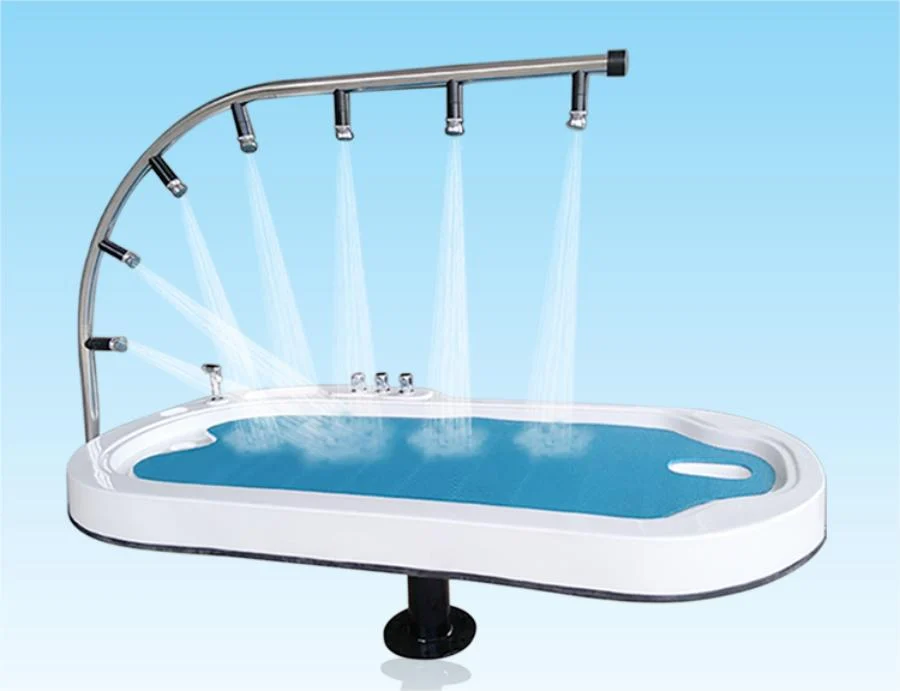
The wellness industry has experienced unprecedented growth over the past decade, with international projects demanding the highest standards of safety, quality, and regulatory compliance. When developing luxury resorts, commercial spas, or residential wellness facilities across multiple markets, selecting the right equipment becomes critical to project success. CE-certified spa equipment represents the gold standard for international wellness projects, offering unparalleled assurance that installations will meet stringent European safety directives while providing exceptional performance across diverse global markets.
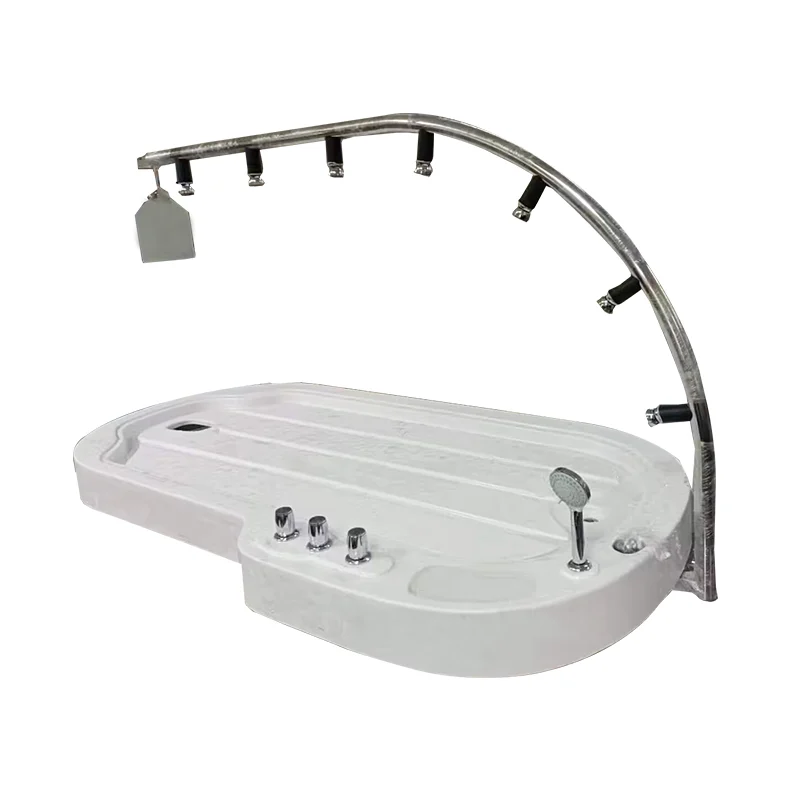
The CE marking system, established by the European Union, serves as a comprehensive framework ensuring products meet essential health, safety, and environmental protection requirements. For wellness project developers, this certification provides immediate recognition and acceptance across 27 EU member states plus additional countries that recognize CE standards. The rigorous testing and documentation processes required for CE certification guarantee that spa equipment will perform reliably under demanding commercial conditions while protecting end users from potential hazards.
International wellness projects often involve complex logistics, multiple stakeholders, and varying regional regulations. CE-certified spa equipment simplifies these challenges by providing a universally recognized quality benchmark that satisfies diverse regulatory frameworks. This standardization reduces project delays, minimizes compliance risks, and ensures consistent performance standards regardless of installation location.
Regulatory Compliance and Market Access
European Union Market Requirements
The European Union represents one of the world's largest and most sophisticated wellness markets, generating billions in annual revenue through luxury hotels, destination spas, and residential wellness developments. CE-certified spa equipment provides immediate access to this lucrative market without additional certification requirements or regulatory delays. The CE marking demonstrates compliance with multiple EU directives including the Low Voltage Directive, Electromagnetic Compatibility Directive, and Machinery Directive, ensuring comprehensive safety coverage.
Project developers working within EU territories must navigate complex regulatory landscapes that vary between member states. CE-certified spa equipment eliminates uncertainty by providing pre-approved compliance with overarching European standards. This certification streamlines permitting processes, reduces inspection delays, and provides legal protection for developers, contractors, and end users throughout the project lifecycle.
The economic benefits extend beyond regulatory compliance, as CE-certified spa equipment often commands premium pricing in international markets due to perceived quality advantages. Luxury resort operators and high-end residential developers specifically seek CE-certified products to differentiate their properties and appeal to discerning international clientele who associate European standards with superior quality and safety.
Global Recognition and Cross-Border Projects
Many countries outside the European Union have adopted CE standards or recognize CE certification within their own regulatory frameworks. Australia, New Zealand, several Asian markets, and numerous developing economies accept CE-certified spa equipment with minimal additional requirements, significantly expanding market opportunities for international wellness projects. This broad recognition reduces certification costs, accelerates project timelines, and provides consistent quality assurance across multiple jurisdictions.
Cross-border wellness projects, such as international hotel chains or multi-country resort developments, benefit tremendously from standardized equipment specifications. CE-certified spa equipment ensures identical performance characteristics, maintenance requirements, and safety standards across all installation locations, simplifying training, support, and operational procedures.
The documentation standards required for CE certification provide comprehensive technical specifications, installation guidelines, and maintenance protocols that translate easily across different markets. This standardization reduces project complexity, minimizes training requirements, and ensures consistent user experiences regardless of geographic location.
Quality Assurance and Performance Standards
Rigorous Testing and Certification Processes
CE certification requires extensive testing by accredited third-party laboratories that evaluate electrical safety, mechanical integrity, electromagnetic compatibility, and environmental performance under extreme conditions. These comprehensive assessments ensure CE-certified spa equipment will perform reliably in demanding commercial environments while maintaining safety standards over extended operational periods.
The testing protocols for CE-certified spa equipment include temperature cycling, vibration resistance, water ingress protection, and electrical isolation verification. These rigorous evaluations simulate years of commercial use, providing confidence that equipment will withstand intensive operation while maintaining performance specifications. The certification process also includes manufacturing quality system audits that ensure consistent production standards and ongoing compliance monitoring.
Independent laboratory testing eliminates manufacturer bias and provides objective performance verification that project stakeholders can trust. The transparent testing methodology and publicly available standards allow developers to make informed equipment selections based on verified performance data rather than marketing claims or subjective assessments.
Material Standards and Durability Requirements
CE certification mandates specific material standards that ensure long-term durability and safety in aquatic environments. Approved materials must resist chemical degradation, UV exposure, thermal cycling, and mechanical stress while maintaining structural integrity and aesthetic appearance. These material requirements exceed many national standards, providing superior long-term value for wellness project investments.
The corrosion resistance standards for CE-certified spa equipment protect against premature failure in challenging environments including coastal locations, high-humidity climates, and chemically treated water systems. Advanced material specifications ensure equipment maintains performance and appearance throughout extended commercial lifecycles, reducing replacement costs and operational disruptions.
Electrical component specifications for CE-certified spa equipment include enhanced insulation requirements, ground fault protection, and moisture resistance that exceed standard residential applications. These commercial-grade specifications ensure reliable operation in high-use environments while protecting users from electrical hazards that could result in liability exposure or operational shutdowns.
Safety and Risk Management
Electrical Safety and Ground Fault Protection
Electrical safety represents a critical concern for commercial spa installations, where multiple users interact with powered equipment in wet environments. CE-certified spa equipment incorporates advanced ground fault protection systems, redundant safety circuits, and enhanced insulation that provide multiple layers of protection against electrical hazards. These safety features exceed requirements in many international markets, providing superior risk management for commercial operations.
The electrical safety standards for CE-certified spa equipment include comprehensive testing of all electrical pathways, verification of isolation systems, and validation of emergency shutdown procedures. These requirements ensure equipment will perform safely even under fault conditions, protecting users and facility operators from potential injuries that could result in significant liability exposure.
Professional installation requirements for CE-certified spa equipment include detailed electrical specifications, grounding procedures, and safety verification protocols that ensure proper system integration. These comprehensive installation standards reduce the risk of improper connections or safety oversights that could compromise user protection or regulatory compliance.
Water Quality and Sanitation Systems
Water quality management represents another critical safety consideration for commercial spa operations. CE-certified spa equipment incorporates advanced filtration systems, circulation pumps, and chemical treatment capabilities that maintain optimal water quality while minimizing maintenance requirements. These integrated systems ensure consistent water safety standards that protect user health and satisfy public health regulations.
The sanitation standards for CE-certified spa equipment include specific requirements for circulation rates, filtration efficiency, and disinfection system performance. These standards ensure effective removal of contaminants, bacteria, and other harmful substances that could pose health risks to users. Regular testing and monitoring capabilities provide ongoing verification that water quality meets safety requirements.
Automated control systems in CE-certified spa equipment provide precise management of chemical levels, temperature control, and circulation patterns that optimize both safety and user comfort. These sophisticated control systems reduce operator workload while ensuring consistent performance and safety compliance throughout operational periods.
Economic Benefits and Return on Investment
Reduced Insurance and Liability Costs
Insurance providers often offer reduced premiums for facilities equipped with CE-certified spa equipment due to the enhanced safety standards and reduced risk exposure. The comprehensive testing and certification documentation provides clear evidence of due diligence in equipment selection, which can significantly impact liability coverage costs and claim outcomes in the event of incidents.
The documented safety standards and testing protocols for CE-certified spa equipment provide strong legal protection in liability disputes or regulatory investigations. Courts and regulatory agencies recognize CE certification as evidence of reasonable care in equipment selection and installation, potentially reducing legal exposure and associated costs for facility operators.
Professional liability insurance for contractors and designers may also benefit from CE-certified spa equipment specifications, as the standardized requirements reduce the risk of design errors or specification oversights that could result in performance problems or safety issues.
Operational Efficiency and Maintenance Advantages
CE-certified spa equipment typically incorporates advanced design features that improve operational efficiency and reduce ongoing maintenance costs. Energy-efficient pumps, motors, and heating systems reduce utility expenses while sophisticated control systems optimize performance and extend equipment lifecycles. These efficiency advantages provide measurable return on investment through reduced operational costs.
Standardized maintenance procedures and widely available replacement parts for CE-certified spa equipment reduce service costs and minimize downtime during repairs or routine maintenance. The comprehensive documentation required for CE certification includes detailed maintenance schedules and procedures that help operators maximize equipment lifespan while maintaining optimal performance.
Training and support resources for CE-certified spa equipment are typically more comprehensive and widely available than non-certified alternatives. This enhanced support infrastructure reduces training costs, improves operational efficiency, and ensures consistent maintenance quality across multiple facility locations.
Installation and Project Management
Standardized Installation Procedures
CE-certified spa equipment comes with comprehensive installation documentation that provides detailed specifications, connection requirements, and verification procedures. These standardized installation guides reduce project complexity, minimize contractor errors, and ensure consistent installation quality across different project locations. The clear documentation also facilitates coordination between multiple trades and reduces potential conflicts during construction phases.
Professional installation requirements for CE-certified spa equipment include specific qualifications for installers, testing procedures, and commissioning protocols that ensure proper system integration and performance verification. These requirements provide quality assurance while establishing clear responsibility and accountability throughout the installation process.
The standardized electrical and plumbing connections for CE-certified spa equipment simplify integration with building systems while ensuring compatibility with international construction standards. This standardization reduces custom fabrication requirements, accelerates installation schedules, and minimizes potential integration problems that could cause project delays.
Quality Control and Commissioning
Commissioning procedures for CE-certified spa equipment include comprehensive testing protocols that verify all safety systems, performance parameters, and control functions before facility opening. These detailed commissioning requirements ensure equipment operates according to specifications while providing documented verification of proper installation and setup.
Quality control documentation for CE-certified spa equipment installation provides clear acceptance criteria, testing procedures, and performance verification that protect project stakeholders from potential problems or disputes. The standardized testing protocols ensure consistent quality assessment regardless of contractor or location variations.
Final inspection and certification procedures for CE-certified spa equipment installations provide official verification of compliance with all applicable standards and regulations. This documentation supports facility licensing, insurance requirements, and regulatory compliance while providing legal protection for all project stakeholders.
Long-term Value and Sustainability
Equipment Longevity and Lifecycle Costs
The enhanced material standards and quality requirements for CE-certified spa equipment result in superior long-term durability and extended operational lifecycles. Commercial-grade components, advanced corrosion protection, and rigorous quality control ensure equipment maintains performance and appearance throughout extended commercial use, providing superior return on investment compared to lower-quality alternatives.
Lifecycle cost analysis for CE-certified spa equipment typically demonstrates significant advantages over non-certified alternatives when factoring in reduced maintenance costs, extended replacement intervals, and improved energy efficiency. These long-term economic benefits often offset higher initial purchase costs while providing superior overall value for wellness project investments.
Resale value for facilities equipped with CE-certified spa equipment tends to be higher due to the perceived quality advantages and reduced risk profile. Property buyers and investors recognize the value of certified equipment installations, which can provide additional return on investment when facilities are sold or refinanced.
Environmental Compliance and Sustainability
Environmental standards incorporated into CE certification requirements ensure CE-certified spa equipment meets strict energy efficiency and environmental protection criteria. These standards support sustainability goals while reducing operational costs through improved energy performance and reduced environmental impact throughout the equipment lifecycle.
Recycling and disposal requirements for CE-certified spa equipment provide clear guidelines for end-of-life management that support environmental responsibility and regulatory compliance. The standardized material specifications and documentation facilitate proper recycling and disposal procedures that minimize environmental impact and support circular economy principles.
Energy efficiency standards for CE-certified spa equipment often exceed local requirements, providing opportunities for utility rebates, tax incentives, and green building certification credits that offset initial equipment costs while supporting environmental objectives.
FAQ
What specific safety standards does CE certification guarantee for spa equipment
CE certification guarantees compliance with multiple European safety directives including electrical safety standards, electromagnetic compatibility requirements, and mechanical safety protocols. The certification ensures equipment has undergone rigorous third-party testing for electrical isolation, ground fault protection, water ingress resistance, and structural integrity under commercial use conditions.
How does CE-certified spa equipment compare to other international certifications
CE certification is generally considered more comprehensive than many national certifications due to its multi-directive approach and rigorous testing requirements. While other certifications like UL or CSA focus primarily on specific safety aspects, CE certification addresses safety, electromagnetic compatibility, environmental compliance, and performance standards in an integrated framework that provides broader protection and market acceptance.
What documentation should I expect when purchasing CE-certified spa equipment
CE-certified spa equipment should include a Declaration of Conformity, comprehensive installation manuals, electrical specifications, maintenance procedures, and test certificates from accredited laboratories. The documentation package should also include CE marking verification, regulatory compliance statements, and technical drawings that support proper installation and ongoing compliance verification.
Are there ongoing compliance requirements after installing CE-certified spa equipment
While the equipment itself maintains CE certification, facility operators must follow specified maintenance procedures, conduct regular safety inspections, and maintain proper documentation to ensure continued compliance with local regulations and insurance requirements. The comprehensive maintenance protocols provided with CE-certified spa equipment support ongoing compliance while maximizing equipment performance and lifespan.
Table of Contents
- Regulatory Compliance and Market Access
- Quality Assurance and Performance Standards
- Safety and Risk Management
- Economic Benefits and Return on Investment
- Installation and Project Management
- Long-term Value and Sustainability
-
FAQ
- What specific safety standards does CE certification guarantee for spa equipment
- How does CE-certified spa equipment compare to other international certifications
- What documentation should I expect when purchasing CE-certified spa equipment
- Are there ongoing compliance requirements after installing CE-certified spa equipment