
 EN
EN


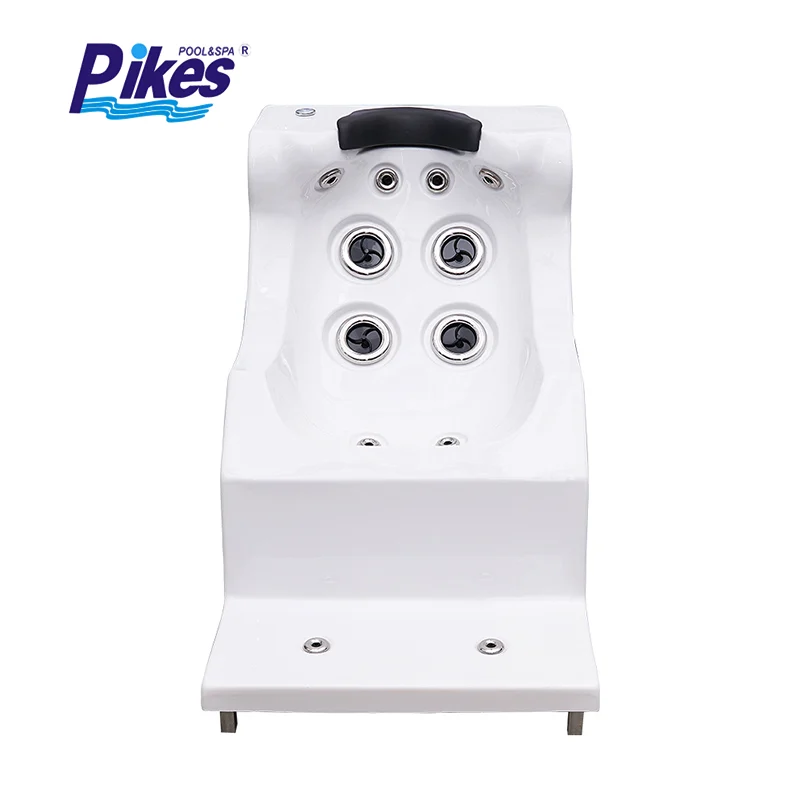
High-end resort developments require exceptional amenities that elevate guest experiences and establish lasting competitive advantages in the luxury hospitality market. Among the most sought-after features, professional spa equipment stands as a cornerstone investment that directly impacts guest satisfaction, operational efficiency, and long-term profitability. The selection process demands careful consideration of multiple factors including durability, performance specifications, aesthetic integration, and maintenance requirements that align with your resort's unique positioning and service standards.
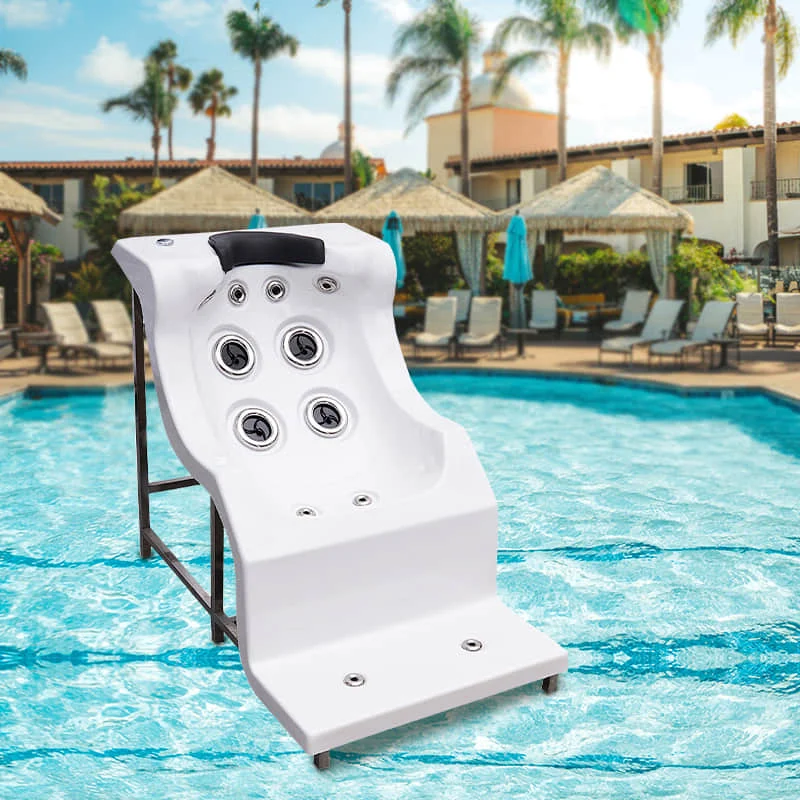
Resort developers and hospitality professionals face increasingly sophisticated guest expectations while navigating complex operational challenges. Modern travelers seek authentic wellness experiences that combine therapeutic benefits with luxurious comfort, making the quality and selection of spa equipment a critical differentiator. The investment in premium spa infrastructure extends beyond initial capital expenditure, encompassing ongoing operational costs, staff training requirements, and the equipment's ability to generate consistent revenue streams throughout its operational lifecycle.
Understanding Resort-Grade Equipment Standards
Commercial Durability Requirements
Professional spa equipment designed for resort applications must withstand continuous high-volume usage while maintaining consistent performance and safety standards. Unlike residential installations, resort-grade systems experience significantly higher operational demands with multiple daily usage cycles, varying user weights, and extended operating hours. The equipment must demonstrate proven reliability in commercial environments, featuring reinforced construction materials, enhanced filtration systems, and robust mechanical components capable of handling intensive usage patterns without compromising guest safety or comfort.
Material specifications play a crucial role in determining long-term durability and maintenance requirements. High-quality acrylic shells with UV resistance, reinforced fiberglass backing, and stainless steel hardware components ensure structural integrity under demanding operational conditions. The selected professional spa equipment should feature commercial-grade pumps, heaters, and control systems engineered for extended operational cycles while maintaining energy efficiency and reducing environmental impact through advanced insulation and heat recovery technologies.
Safety and Compliance Standards
Resort installations must adhere to stringent safety regulations and industry compliance standards that exceed residential requirements. Professional spa equipment installations require comprehensive safety features including emergency shut-off systems, slip-resistant surfaces, proper drainage capabilities, and electrical systems meeting commercial building codes. The equipment must comply with relevant health department regulations, Americans with Disabilities Act requirements, and local building codes specific to commercial hospitality installations.
Water quality management becomes paramount in resort environments where multiple guests utilize facilities throughout the day. Advanced sanitization systems, automated chemical monitoring, and redundant filtration capabilities ensure consistent water quality while minimizing maintenance intervention requirements. The selected equipment should incorporate ozone generation, UV sterilization, or advanced oxidation processes that maintain optimal water conditions while reducing chemical dependency and operational complexity for maintenance staff.
Capacity Planning and Guest Experience Design
Determining Optimal Sizing
Capacity planning requires comprehensive analysis of expected guest traffic patterns, seasonal occupancy fluctuations, and concurrent usage scenarios that inform equipment sizing decisions. Resort developers must balance maximum capacity requirements with intimate guest experiences that maintain the luxury positioning expected by discerning travelers. The professional spa equipment selection should accommodate peak demand periods while providing comfortable spacing and accessibility for guests with varying mobility requirements and comfort preferences.
Demographic analysis of target guest profiles influences capacity decisions and feature specifications. Business travelers may prefer smaller, more private installations with quick accessibility, while family-oriented resorts require larger capacity systems with varied seating arrangements and safety features appropriate for different age groups. The equipment configuration should support diverse usage patterns including therapeutic sessions, social relaxation, and romantic experiences that enhance the overall resort value proposition.
Creating Therapeutic Environments
The therapeutic value of spa installations extends beyond basic hot water immersion to encompass hydrotherapy benefits, stress reduction, and wellness enhancement that guests increasingly seek in luxury hospitality experiences. Professional spa equipment should incorporate variable jet configurations, targeted massage capabilities, and temperature control systems that support diverse therapeutic applications from muscle recovery to stress relief and circulation improvement.
Customizable settings allow guests to personalize their experiences while maintaining operational simplicity for resort staff. Advanced control systems enable pre-programmed therapy cycles, adjustable jet patterns, and temperature preferences that enhance guest satisfaction while reducing staff intervention requirements. The integration of aromatherapy systems, chromotherapy lighting, and sound dampening technologies creates immersive wellness environments that justify premium pricing and encourage extended guest engagement with spa facilities.
Technical Infrastructure and Integration
Mechanical Systems Requirements
Professional spa equipment installations require sophisticated mechanical infrastructure that supports reliable operation while minimizing energy consumption and environmental impact. The selected systems must integrate seamlessly with existing resort utilities including electrical distribution, water supply, drainage, and HVAC systems that maintain optimal environmental conditions around spa installations. Proper mechanical planning ensures consistent performance while avoiding costly retrofits or operational disruptions that impact guest experiences.
Energy efficiency considerations significantly impact operational costs and sustainability objectives that increasingly influence resort development decisions. Professional spa equipment with advanced insulation systems, heat recovery capabilities, and variable-speed pumps reduces energy consumption while maintaining optimal performance standards. Smart control systems optimize heating cycles, filtration schedules, and pump operations based on usage patterns and ambient conditions that further enhance operational efficiency.
Water Management Systems
Comprehensive water management encompasses supply, treatment, circulation, and waste management systems that ensure consistent water quality while minimizing environmental impact and operational complexity. Professional spa equipment must integrate with resort-wide water management infrastructure including softening systems, pre-filtration, and chemical treatment processes that maintain optimal water chemistry without requiring extensive staff expertise or frequent manual intervention.
Advanced circulation and filtration systems maintain water clarity and purity through multiple treatment stages including mechanical filtration, chemical sanitization, and secondary treatment processes. The equipment should feature easy-access filtration components, automated cleaning cycles, and monitoring systems that alert maintenance staff to potential issues before they impact guest experiences. Proper drainage design prevents water accumulation, reduces slip hazards, and facilitates efficient cleaning and maintenance procedures.
Aesthetic Integration and Design Considerations
Architectural Harmony
The visual integration of professional spa equipment within resort environments requires careful consideration of architectural styles, landscape design, and overall aesthetic themes that define the property's character and guest experience. Premium installations should complement existing design elements while creating focal points that enhance the perceived value and sophistication of spa facilities. The equipment selection must balance functional requirements with aesthetic appeal that supports the resort's branding and positioning objectives.
Color coordination, material textures, and design proportions influence guest perceptions and photographic appeal that increasingly impacts marketing effectiveness and social media engagement. Professional spa equipment manufacturers offer extensive customization options including shell colors, cabinet finishes, and accent lighting that enable seamless integration with existing architectural elements. The selected equipment should enhance rather than detract from surrounding landscape features, architectural details, and interior design themes.
Lighting and Ambiance Design
Strategic lighting design transforms functional spa installations into captivating focal points that create memorable guest experiences and enhance the resort's evening ambiance. Professional spa equipment should incorporate integrated lighting systems with customizable color options, intensity controls, and programmable sequences that support various usage scenarios from energetic daytime activities to romantic evening experiences.
The lighting design must balance guest safety requirements with aesthetic objectives that create inviting and relaxing environments. LED technology offers energy efficiency, longevity, and color flexibility while minimizing heat generation and maintenance requirements. Proper lighting placement eliminates harsh shadows, provides adequate visibility for safety, and creates visually appealing water effects that enhance the overall sensory experience of spa facilities.
Operational Efficiency and Maintenance
Staff Training and Management
Effective operation of professional spa equipment requires comprehensive staff training programs that ensure consistent guest experiences while maximizing equipment longevity and operational efficiency. Resort management must invest in proper training protocols that cover daily operations, safety procedures, water chemistry management, and preventive maintenance practices that reduce long-term operational costs and minimize service disruptions.
The selected equipment should feature intuitive control systems that minimize training requirements while providing comprehensive diagnostic capabilities that assist maintenance staff in identifying and resolving operational issues quickly. User-friendly interfaces, automated monitoring systems, and clear maintenance protocols reduce the complexity of daily operations while ensuring consistent performance standards that meet guest expectations and regulatory requirements.
Preventive Maintenance Strategies
Comprehensive maintenance strategies extend equipment lifespan while minimizing unexpected repairs and service interruptions that negatively impact guest experiences and operational revenues. Professional spa equipment requires regular maintenance schedules that address water chemistry balancing, filter cleaning, pump servicing, and system diagnostics that identify potential issues before they escalate into costly repairs or safety concerns.
The maintenance approach should incorporate manufacturer recommendations, local water conditions, usage intensity, and environmental factors that influence equipment performance and longevity. Regular professional inspections, scheduled component replacements, and thorough cleaning protocols maintain optimal performance while ensuring compliance with health department regulations and manufacturer warranty requirements that protect the resort's investment in spa infrastructure.
Return on Investment Analysis
Revenue Generation Potential
Professional spa equipment investments generate revenue through multiple channels including premium room rates, spa service fees, membership programs, and enhanced guest satisfaction that drives repeat bookings and positive reviews. High-quality installations command premium pricing while attracting discerning guests willing to pay elevated rates for exceptional amenities and experiences that differentiate the resort from competitors.
The revenue impact extends beyond direct spa services to encompass increased average daily rates, extended length of stay, and enhanced guest loyalty that generates long-term value through repeat visits and referral business. Professional spa equipment enables resorts to develop comprehensive wellness programs, host special events, and create package offerings that increase per-guest revenue while building brand reputation in the competitive luxury hospitality market.
Operational Cost Management
Long-term operational costs encompass energy consumption, water usage, chemical treatments, maintenance expenses, and staff labor that impact overall profitability and return on investment calculations. Energy-efficient professional spa equipment reduces utility costs while automated systems minimize staff labor requirements and reduce operational complexity that affects profitability margins.
The total cost of ownership analysis should include initial purchase price, installation costs, ongoing operational expenses, and expected equipment lifespan that determines the true return on investment. Premium equipment with higher initial costs often delivers superior long-term value through reduced maintenance requirements, lower energy consumption, and extended operational life that justifies the additional upfront investment through improved profitability and reduced replacement frequency.
FAQ
What factors determine the appropriate size for professional spa equipment in resort settings
The appropriate size depends on expected peak occupancy, target guest demographics, available installation space, and desired guest experience. Resort developers should analyze maximum concurrent usage scenarios, accounting for seasonal variations and special events. Professional spa equipment sizing should accommodate 80% of peak demand comfortably while maintaining intimate experiences that justify premium pricing.
How do commercial-grade spa systems differ from residential models
Commercial professional spa equipment features enhanced durability through reinforced construction, industrial-grade components, and advanced filtration systems designed for continuous high-volume usage. These systems include redundant safety features, commercial electrical requirements, and materials specifications that exceed residential standards to withstand intensive operational demands while maintaining consistent performance and guest safety.
What maintenance requirements should resorts expect with professional spa installations
Professional spa equipment requires daily water chemistry monitoring, weekly filter cleaning, monthly system inspections, and quarterly professional servicing to maintain optimal performance. Maintenance schedules vary based on usage intensity, local water conditions, and environmental factors. Proper maintenance protocols extend equipment lifespan while ensuring consistent guest experiences and regulatory compliance.
How can resorts maximize return on investment from spa equipment purchases
Maximizing ROI requires selecting energy-efficient professional spa equipment with proven durability, implementing comprehensive maintenance programs, and developing revenue strategies that leverage spa amenities for premium pricing. Successful resorts integrate spa facilities into package offerings, membership programs, and marketing campaigns that attract high-value guests while maintaining operational efficiency through proper staff training and automated systems.
Table of Contents
- Understanding Resort-Grade Equipment Standards
- Capacity Planning and Guest Experience Design
- Technical Infrastructure and Integration
- Aesthetic Integration and Design Considerations
- Operational Efficiency and Maintenance
- Return on Investment Analysis
-
FAQ
- What factors determine the appropriate size for professional spa equipment in resort settings
- How do commercial-grade spa systems differ from residential models
- What maintenance requirements should resorts expect with professional spa installations
- How can resorts maximize return on investment from spa equipment purchases