Tubular Heat Exchanger: High-Efficiency Industrial Thermal Management Solutions

Get a Free Quote

Our representative will contact you soon.
Email
Mobile
Name
Company Name
Message
0/1000

tubular heat exchanger

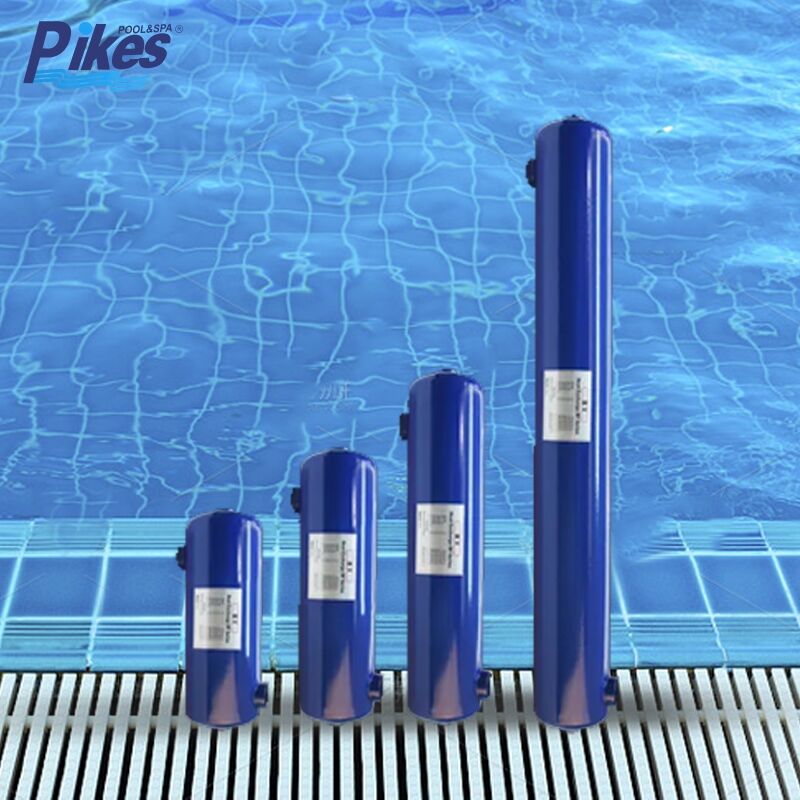
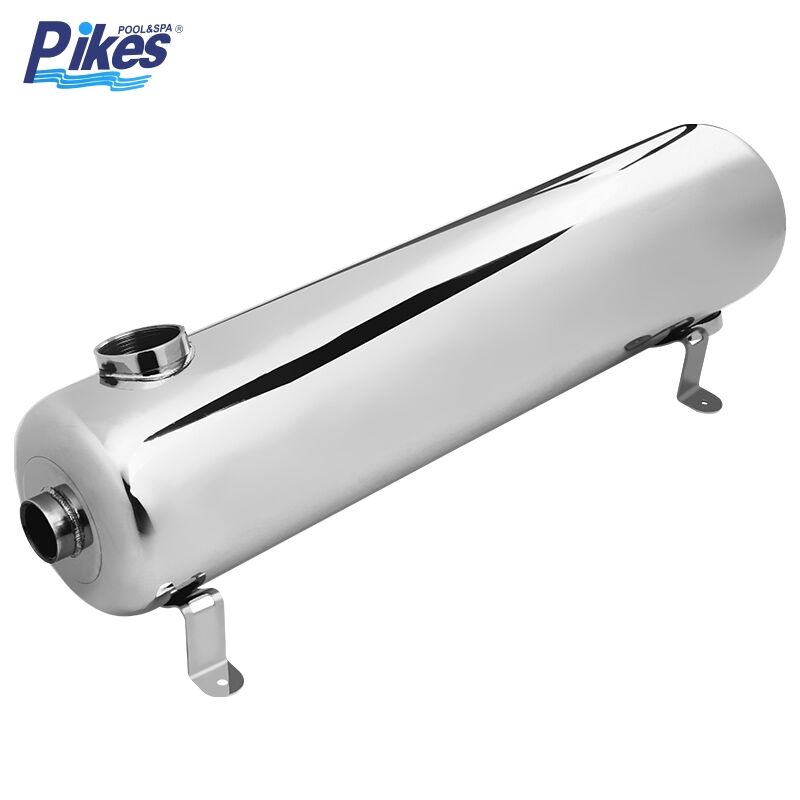
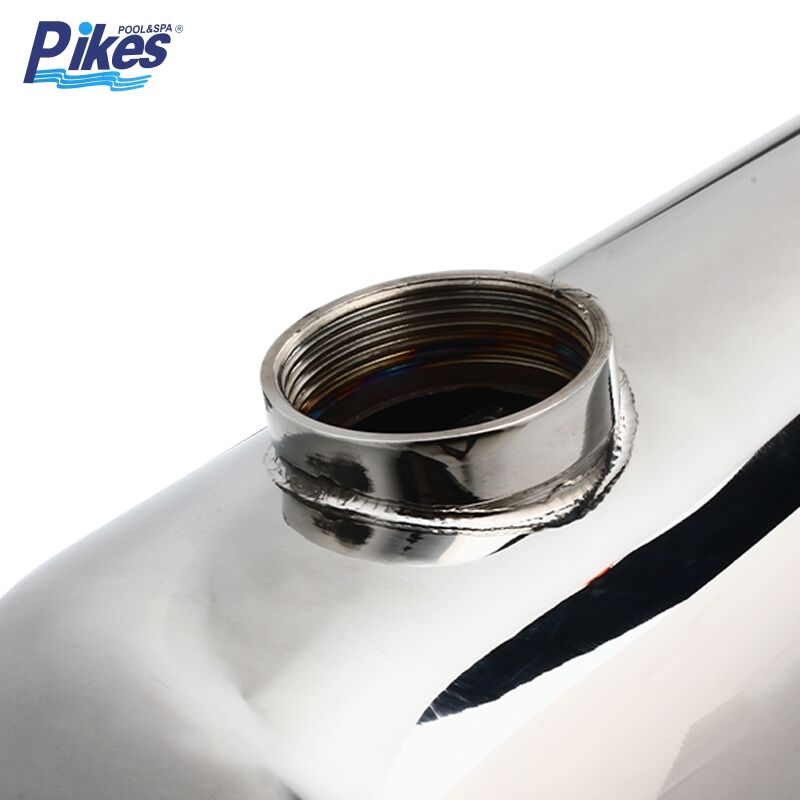
A tubular heat exchanger represents one of the most widely used thermal management devices in industrial applications, designed to efficiently transfer heat between two fluid streams without direct contact. This sophisticated equipment consists of a bundle of tubes housed within a cylindrical shell, where one fluid flows through the tubes while another circulates around them in the shell space. The tubular heat exchanger operates on the fundamental principle of thermal conduction, allowing heat to pass through the tube walls from the hotter fluid to the cooler one. The main functions of this equipment include temperature control, energy recovery, and thermal processing across diverse industrial sectors. The tubular heat exchanger features robust construction with materials ranging from carbon steel to exotic alloys, depending on the application requirements. Key technological features include multiple tube configurations such as straight, U-tube, or floating head designs, each optimized for specific operational conditions. The shell-and-tube arrangement allows for high heat transfer efficiency while maintaining structural integrity under varying pressure and temperature conditions. Modern tubular heat exchangers incorporate advanced design elements including baffles for enhanced turbulence, tube sheets for secure tube positioning, and expansion joints to accommodate thermal growth. These units can handle both single-phase and multi-phase heat transfer processes, making them versatile solutions for heating, cooling, condensing, and evaporating applications. Industrial applications span petroleum refining, chemical processing, power generation, HVAC systems, and food processing industries. The tubular heat exchanger design accommodates wide flow rate ranges and can operate under extreme temperature differentials, making it suitable for both cryogenic and high-temperature applications. Manufacturing facilities rely on these systems for process optimization, waste heat recovery, and energy conservation initiatives. The modular nature of tubular heat exchangers allows for capacity scaling and maintenance flexibility, ensuring long-term operational reliability and cost-effectiveness in industrial thermal management solutions.

New Product Recommendations

The tubular heat exchanger delivers exceptional thermal performance that directly translates to reduced operational costs and improved process efficiency for industrial facilities. This equipment achieves superior heat transfer rates through its optimized surface area configuration, allowing businesses to maximize energy recovery while minimizing utility expenses. The robust design structure ensures reliable operation under demanding conditions, significantly reducing maintenance requirements and extending service life compared to alternative heat transfer solutions. Manufacturing companies benefit from the tubular heat exchanger's ability to handle high-pressure applications without compromising safety or performance standards. The versatile construction accommodates various fluid types, including corrosive chemicals, viscous liquids, and high-temperature gases, eliminating the need for multiple specialized units. This flexibility reduces capital investment while simplifying system design and maintenance procedures. The tubular heat exchanger provides excellent fouling resistance through its accessible tube bundle design, enabling straightforward cleaning procedures that minimize downtime and maintain peak efficiency. Operators can easily remove tube bundles for inspection and cleaning, ensuring consistent thermal performance throughout the equipment's operational lifetime. Energy efficiency represents a primary advantage, as the tubular heat exchanger recovers waste heat that would otherwise be lost, contributing to sustainability goals and regulatory compliance. The compact footprint maximizes space utilization in crowded industrial facilities while delivering high thermal capacity. Advanced baffle configurations optimize fluid flow patterns, reducing pressure drops and pumping costs while enhancing heat transfer coefficients. The tubular heat exchanger supports precise temperature control, enabling manufacturers to maintain strict process parameters essential for product quality and consistency. Customization options allow engineers to tailor specifications for specific applications, ensuring optimal performance and cost-effectiveness. The proven track record of tubular heat exchangers in demanding industrial environments provides operators with confidence in long-term reliability and performance. Standardized designs facilitate replacement part availability and reduce procurement complexities. The tubular heat exchanger's ability to operate across wide temperature and pressure ranges makes it suitable for diverse applications within a single facility, reducing inventory requirements and simplifying maintenance protocols. This thermal management solution delivers measurable returns on investment through energy savings, reduced operational costs, and improved process reliability.

Tips And Tricks

Cartridge Filter: Efficient And Water-Saving Pool Filtration Solution

15

Jan

Cartridge Filter: Efficient And Water-Saving Pool Filtration Solution

View More
Why A Hot Tub Is The Perfect Investment For Relaxation And Wellness

15

Jan

Why A Hot Tub Is The Perfect Investment For Relaxation And Wellness

View More
Why More Families Are Choosing Hot Tubs For Modern Living

15

Jan

Why More Families Are Choosing Hot Tubs For Modern Living

View More
Pool Spa Equipment Joins AQUAFUN 2026 in Istanbul!

19

Jan

Pool Spa Equipment Joins AQUAFUN 2026 in Istanbul!

View More

Get a Free Quote

Our representative will contact you soon.
Email
Mobile
Name
Company Name
Message
0/1000

tubular heat exchanger

Superior Heat Transfer Efficiency and Energy Recovery

Superior Heat Transfer Efficiency and Energy Recovery

The tubular heat exchanger stands out in the thermal management industry through its exceptional heat transfer efficiency, which directly impacts operational costs and environmental sustainability. This advanced design maximizes surface contact between hot and cold fluid streams through precisely engineered tube configurations and optimized shell geometry. The enhanced heat transfer coefficient achieved by tubular heat exchangers means that facilities can recover significantly more waste heat than conventional alternatives, translating to substantial energy savings and reduced utility bills. Industrial operators have documented energy recovery improvements of up to 85% when implementing properly sized tubular heat exchanger systems in their processes. The efficient thermal performance stems from sophisticated baffle arrangements that create turbulent flow patterns, disrupting boundary layers and promoting superior heat transfer rates. This design feature ensures that the temperature differential between inlet and outlet streams is maximized, extracting the maximum possible thermal energy from waste heat sources. For manufacturing facilities facing rising energy costs and stringent environmental regulations, the tubular heat exchanger provides a practical solution for meeting sustainability targets while improving bottom-line performance. The equipment's ability to recover heat from exhaust gases, cooling water, and process streams allows companies to reduce their primary energy consumption and carbon footprint simultaneously. Additionally, the high efficiency of tubular heat exchangers enables smaller equipment sizing for equivalent thermal duty, reducing initial capital investment and installation space requirements. The consistent thermal performance ensures stable process conditions, improving product quality and reducing waste generation. This efficiency advantage becomes particularly significant in continuous operation scenarios where even small improvements in heat recovery translate to substantial annual savings.
Robust Construction and Operational Reliability

Robust Construction and Operational Reliability

The tubular heat exchanger delivers unmatched durability and operational reliability through its engineered construction that withstands the most demanding industrial environments. Built with heavy-duty materials and precision manufacturing techniques, this equipment maintains consistent performance under extreme temperature fluctuations, high pressures, and corrosive conditions that would compromise lesser thermal management solutions. The shell-and-tube design inherently provides structural strength, with the cylindrical shell configuration distributing mechanical stresses evenly across the vessel walls. This robust construction translates to extended service life, often exceeding 20 years in properly maintained installations, providing exceptional return on investment for industrial operators. The tubular heat exchanger's reliability stems from proven design principles that have been refined through decades of industrial application and continuous improvement. Quality control measures during manufacturing ensure that each unit meets stringent pressure vessel codes and safety standards, providing operators with confidence in long-term performance. The equipment's ability to handle thermal cycling without degradation makes it ideal for applications with variable operating conditions, where less robust alternatives might suffer from fatigue failure. Maintenance accessibility represents another key reliability feature, as the tubular heat exchanger design allows for inspection and cleaning of individual tubes without complete system shutdown. This serviceability reduces planned maintenance duration and enables condition-based maintenance strategies that optimize equipment availability. The standardized construction facilitates spare parts procurement and reduces maintenance complexity, ensuring that qualified technicians can service the equipment efficiently. Industrial facilities benefit from reduced unplanned downtime and maintenance costs, as the tubular heat exchanger's reliable operation minimizes process interruptions and emergency repair situations. The equipment's tolerance for fouling and scaling allows for extended operation between cleaning cycles, further enhancing operational reliability and reducing maintenance burden.
Versatile Application Range and Customization Capabilities

Versatile Application Range and Customization Capabilities

The tubular heat exchanger offers unparalleled versatility in industrial thermal management applications, capable of handling diverse fluid types, operating conditions, and process requirements within a single, adaptable platform. This flexibility eliminates the need for multiple specialized heat transfer devices, simplifying system design and reducing capital expenditure for facilities with varied thermal management needs. Engineers can customize tubular heat exchanger specifications to match exact application requirements, including tube materials, shell construction, baffle configurations, and connection orientations. This customization capability ensures optimal performance across applications ranging from cryogenic liquid processing to high-temperature gas cooling, with operating pressures from vacuum conditions to several hundred PSI. The tubular heat exchanger accommodates both clean and fouling service applications through appropriate material selection and design modifications. For corrosive environments, exotic alloy tubes such as titanium, Hastelloy, or duplex stainless steel provide long-term reliability, while standard carbon steel construction serves less demanding applications cost-effectively. The equipment handles single-phase and multi-phase heat transfer processes, including condensation, evaporation, and sensible heating or cooling applications. Flow configuration options include countercurrent, co-current, and multi-pass arrangements, allowing thermal engineers to optimize heat transfer effectiveness for specific process conditions. The tubular heat exchanger scales efficiently from small laboratory units processing gallons per minute to massive industrial installations handling thousands of gallons per hour. This scalability enables facilities to standardize on a single heat exchanger technology across multiple applications, reducing training requirements and spare parts inventory. Modular design principles allow for capacity expansion through parallel installation or tube bundle modifications, providing flexibility for future process changes. The adaptability extends to space constraints, with vertical and horizontal mounting options accommodating various facility layouts and piping configurations.

Get a Free Quote

Our representative will contact you soon.
Email
Mobile
Name
Company Name
Message
0/1000