High-Efficiency Plate Heat Exchangers: Advanced Thermal Solutions for Industrial Applications

Get a Free Quote

Our representative will contact you soon.
Email
Mobile
Name
Company Name
Message
0/1000

plate heat exchanger

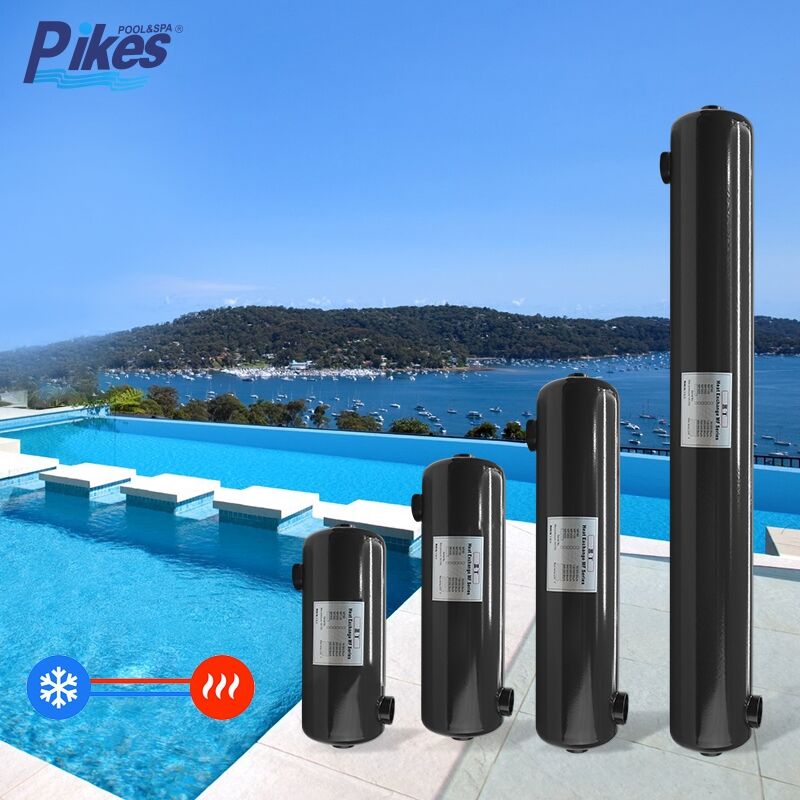
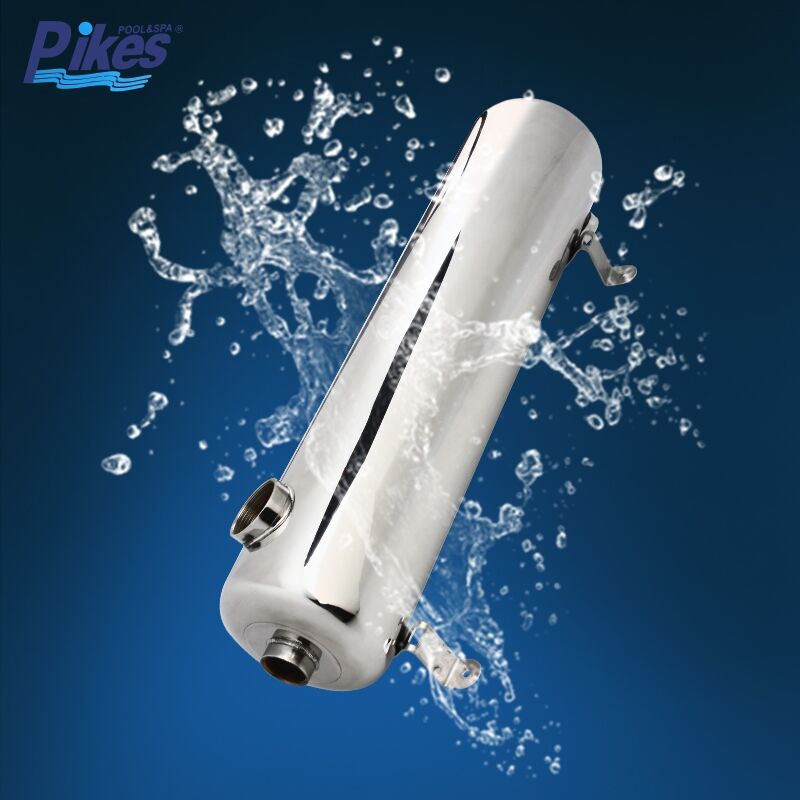
A plate heat exchanger represents a sophisticated thermal transfer device that efficiently exchanges heat between two separate fluid streams without allowing them to mix. This innovative equipment consists of multiple thin, corrugated metal plates arranged in a compact frame, creating alternating channels for hot and cold fluids to flow through. The fundamental principle operates through conduction, where thermal energy transfers from the warmer fluid to the cooler one across the metal plate surfaces. Modern plate heat exchanger designs incorporate advanced materials and precise engineering to maximize heat transfer coefficients while minimizing pressure drops and maintenance requirements. The corrugated plate patterns create turbulent flow conditions that significantly enhance heat transfer rates compared to traditional smooth-surface exchangers. These units feature removable plate assemblies secured between fixed and movable frame components, allowing for easy inspection, cleaning, and capacity adjustments. The gasket system ensures proper sealing between alternating flow channels while preventing cross-contamination of different fluid streams. Technological features include specialized plate materials such as stainless steel, titanium, or specialized alloys selected based on fluid compatibility and operating conditions. The compact design philosophy maximizes heat transfer surface area within minimal installation space, making these systems ideal for applications where space constraints exist. Advanced manufacturing techniques produce precise plate geometries that optimize fluid distribution and eliminate dead zones that could reduce efficiency. Temperature and pressure monitoring capabilities integrate seamlessly with modern control systems, enabling automated operation and performance optimization. The modular construction allows for future capacity expansion by simply adding additional plates to existing frame assemblies. Applications span numerous industries including HVAC systems, food processing, pharmaceutical manufacturing, chemical processing, power generation, and marine applications. Each application benefits from the exceptional thermal performance, compact footprint, and operational flexibility that characterize modern plate heat exchanger technology.

New Product Releases

Plate heat exchangers deliver exceptional energy efficiency that directly reduces operational costs for businesses across diverse industries. The unique corrugated plate design creates optimal fluid flow patterns that maximize heat transfer rates while minimizing energy consumption. Companies experience significant utility bill reductions because these units extract more thermal energy from waste heat streams and require less primary energy input to achieve desired temperature targets. The compact footprint advantage becomes immediately apparent when comparing installation space requirements with traditional shell-and-tube alternatives. Facilities save valuable floor space that can accommodate additional production equipment or storage capacity, directly impacting productivity and profitability. Maintenance procedures remain straightforward and cost-effective due to the accessible plate assembly design. Technicians can quickly disassemble units for thorough cleaning, inspection, and component replacement without specialized tools or extended downtime periods. This accessibility translates into reduced maintenance labor costs and shorter service intervals that keep operations running smoothly. The modular construction provides exceptional flexibility for changing process requirements or capacity expansion needs. Plant operators can add or remove plates to adjust heat transfer capacity without replacing entire systems, protecting capital investments while accommodating business growth. Superior heat transfer performance results from the turbulent flow conditions created by corrugated plate surfaces. This enhanced thermal efficiency means smaller units can handle equivalent heat loads compared to conventional heat exchangers, reducing initial capital expenses and ongoing operational costs. The precise temperature control capabilities enable optimal process conditions that improve product quality and reduce waste in manufacturing applications. Food processors maintain exact pasteurization temperatures, chemical plants achieve consistent reaction conditions, and HVAC systems deliver precise climate control throughout commercial buildings. Versatile fluid compatibility accommodates diverse applications from corrosive chemicals to sensitive food products. Specialized plate materials and gasket compounds ensure long service life while maintaining product purity and safety standards. The economic benefits compound over time through reduced energy consumption, lower maintenance costs, extended equipment life, and improved process efficiency that directly impacts bottom-line profitability for forward-thinking businesses.

Tips And Tricks

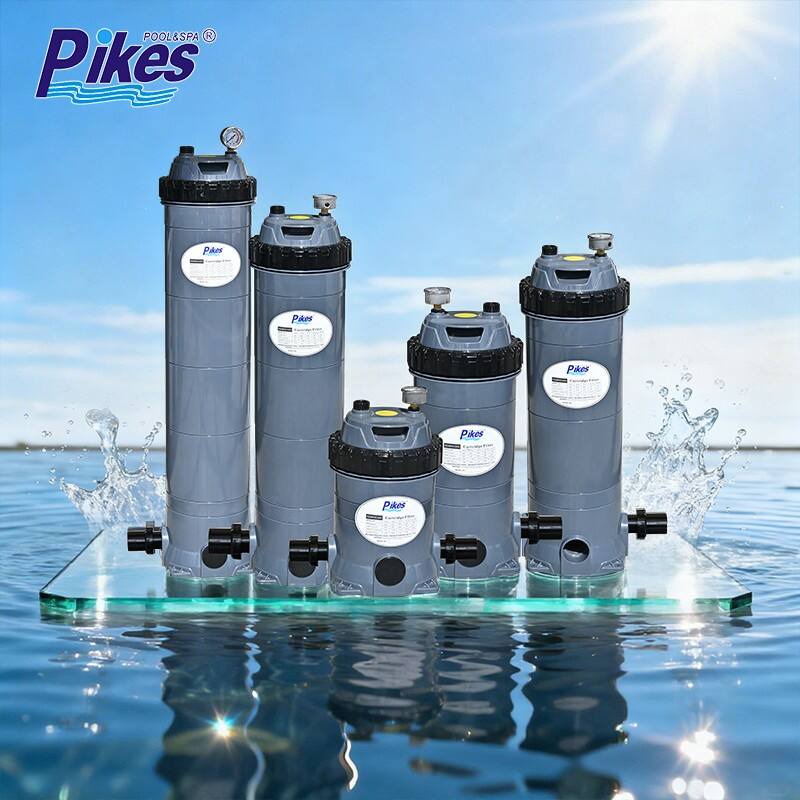
Cartridge Filter: Efficient And Water-Saving Pool Filtration Solution

15

Jan

Cartridge Filter: Efficient And Water-Saving Pool Filtration Solution

View More
Why A Hot Tub Is The Perfect Investment For Relaxation And Wellness

15

Jan

Why A Hot Tub Is The Perfect Investment For Relaxation And Wellness

View More
Wall-Mounted Filter: Space-Saving Filtration Solution For Swimming Pools

15

Jan

Wall-Mounted Filter: Space-Saving Filtration Solution For Swimming Pools

View More
Pool Spa Equipment Joins AQUAFUN 2026 in Istanbul!

19

Jan

Pool Spa Equipment Joins AQUAFUN 2026 in Istanbul!

View More

Get a Free Quote

Our representative will contact you soon.
Email
Mobile
Name
Company Name
Message
0/1000

plate heat exchanger

Advanced Corrugated Plate Technology Maximizes Heat Transfer Efficiency

Advanced Corrugated Plate Technology Maximizes Heat Transfer Efficiency

The revolutionary corrugated plate design represents the cornerstone technology that sets modern plate heat exchangers apart from conventional thermal transfer equipment. These precisely engineered plates feature intricate wave patterns and chevron configurations that create controlled turbulence within fluid streams, dramatically enhancing heat transfer coefficients compared to smooth-surface alternatives. The mathematical precision behind these corrugations follows extensive computational fluid dynamics modeling to optimize thermal performance while minimizing pressure losses. Each plate undergoes specialized forming processes that create consistent wave heights, angles, and spacing that promote ideal mixing conditions throughout the entire heat transfer surface. This turbulent flow regime breaks up thermal boundary layers that typically insulate fluid streams from effective heat exchange, resulting in transfer rates up to five times higher than traditional designs. The enhanced mixing action ensures uniform temperature distribution across the entire plate surface, eliminating hot spots and cold zones that reduce overall system efficiency. Manufacturing tolerances maintain exact plate spacing and alignment that creates uniform flow distribution across multiple parallel channels, preventing flow maldistribution that could compromise thermal performance. The corrugated geometry also provides structural strength that allows thinner plate construction without sacrificing pressure ratings, further improving heat transfer rates through reduced thermal resistance. Advanced surface treatments and specialized coatings can be applied to these corrugated plates to enhance specific performance characteristics such as fouling resistance or corrosion protection. The result delivers exceptional thermal efficiency that enables smaller, more compact installations while achieving superior temperature control and energy savings. Process engineers benefit from predictable performance characteristics that simplify system design and optimization calculations. The proven technology provides reliable long-term operation with consistent heat transfer performance throughout extended service periods, making it an ideal choice for critical applications requiring dependable thermal management solutions.
Modular Design Flexibility Enables Easy Maintenance and Future Expansion

Modular Design Flexibility Enables Easy Maintenance and Future Expansion

The innovative modular construction philosophy embedded within plate heat exchanger design delivers unmatched operational flexibility and maintenance accessibility that significantly reduces total ownership costs over the equipment lifecycle. This intelligent engineering approach allows complete disassembly of the heat transfer core without disconnecting piping connections or removing the entire unit from service positions. Maintenance technicians can access individual plates for thorough cleaning, inspection, and replacement procedures using standard hand tools, eliminating the need for specialized equipment or extensive facility modifications. The removable plate assembly slides smoothly along guide rails within the frame structure, exposing all internal components for comprehensive service procedures. Each plate can be individually examined for wear patterns, corrosion, or fouling accumulation, enabling targeted maintenance interventions rather than complete system overhauls. This granular maintenance capability extends equipment life while minimizing service costs and operational disruptions. The modular design philosophy extends beyond maintenance considerations to provide exceptional capacity adjustment capabilities that accommodate changing process requirements without major capital investments. Plant operators can easily add plates to increase heat transfer capacity during production expansions or remove plates to optimize performance for reduced load conditions. This scalability protects initial equipment investments while providing growth flexibility that adapts to evolving business needs. Quality assurance procedures ensure each plate meets exact specifications for thickness, material composition, and geometric precision, guaranteeing consistent performance when mixing plates from different manufacturing batches. The standardized gasket systems use proven sealing technologies that maintain leak-tight operation throughout multiple assembly and disassembly cycles. Frame components utilize robust construction materials and precision machining to ensure proper plate alignment and uniform compression across the entire assembly. These design features combine to create a maintenance-friendly system that reduces service complexity while providing operational flexibility that conventional heat exchangers cannot match, making plate heat exchangers the preferred choice for applications requiring adaptable thermal management solutions.
Compact Space-Saving Design Delivers Maximum Performance Per Square Foot

Compact Space-Saving Design Delivers Maximum Performance Per Square Foot

The exceptional space efficiency achieved by plate heat exchanger technology represents a game-changing advantage for facilities operating under strict space constraints or seeking to maximize productive capacity within existing building footprints. This compact design philosophy achieves remarkable heat transfer surface area density that can exceed conventional shell-and-tube alternatives by factors of three to five times, enabling equivalent thermal performance within dramatically reduced installation volumes. The parallel plate arrangement creates an extremely efficient geometric configuration where every square inch contributes to active heat transfer, unlike traditional designs that include significant non-productive structural elements and flow distribution zones. Modern plate heat exchanger installations typically require only twenty to forty percent of the floor space needed for equivalent capacity conventional units, freeing valuable facility area for additional production equipment, storage capacity, or operational workspace. The vertical orientation capability further enhances space utilization by allowing installation in areas with limited horizontal clearance while maintaining full accessibility for maintenance procedures. This space efficiency translates into reduced building construction costs for new facilities and enables capacity increases within existing plants without expensive structural modifications. The compact footprint also reduces piping requirements and associated installation labor, contributing additional cost savings during initial installation phases. Material efficiency benefits extend beyond space considerations to include reduced thermal mass that enables faster startup times and more responsive temperature control during load changes. The lower fluid inventory requirements reduce process hold-up volumes and associated heating or cooling energy demands. Transportation and installation advantages result from reduced equipment weight and size, simplifying logistics and reducing rigging requirements for equipment placement. The concentrated heat transfer capability enables process intensification strategies that improve overall plant efficiency while reducing capital and operational expenditures. Engineering teams appreciate the simplified system integration that results from standardized connection sizes and mounting configurations that streamline design and installation procedures. These space-saving benefits create compelling economic advantages that improve facility utilization while delivering superior thermal performance in the smallest possible footprint.

Get a Free Quote

Our representative will contact you soon.
Email
Mobile
Name
Company Name
Message
0/1000