
 EN
EN


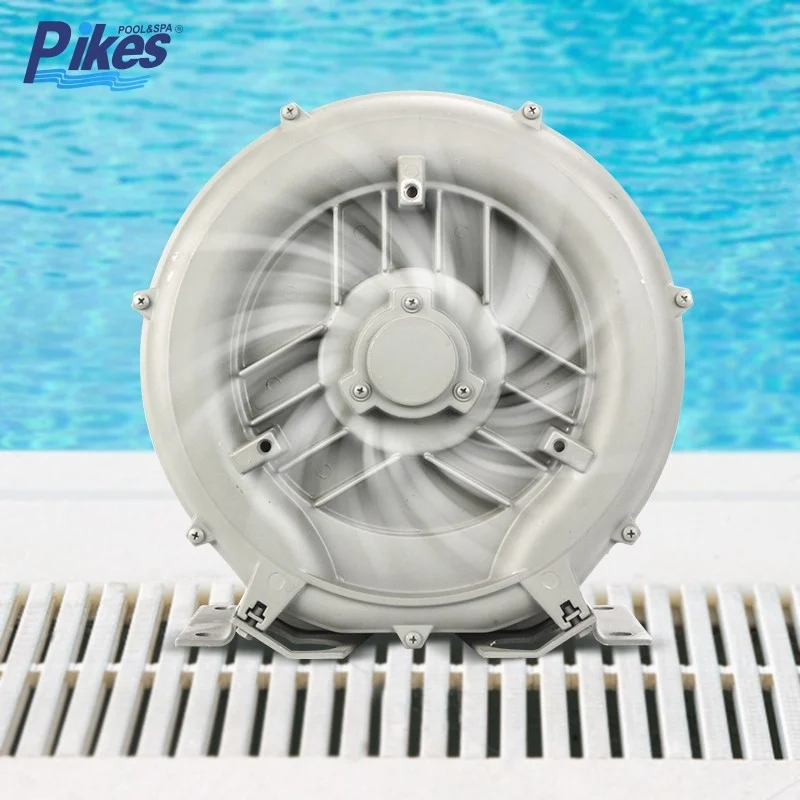
High-performance air blowers have become essential equipment for modern commercial pool and spa facilities seeking reliable water circulation and sanitation. These powerful systems drive essential operations, from maintaining water clarity to supporting advanced treatment protocols. Understanding how high-performance air blowers function and why they matter can help facility managers make informed decisions about equipment upgrades and maintenance strategies.
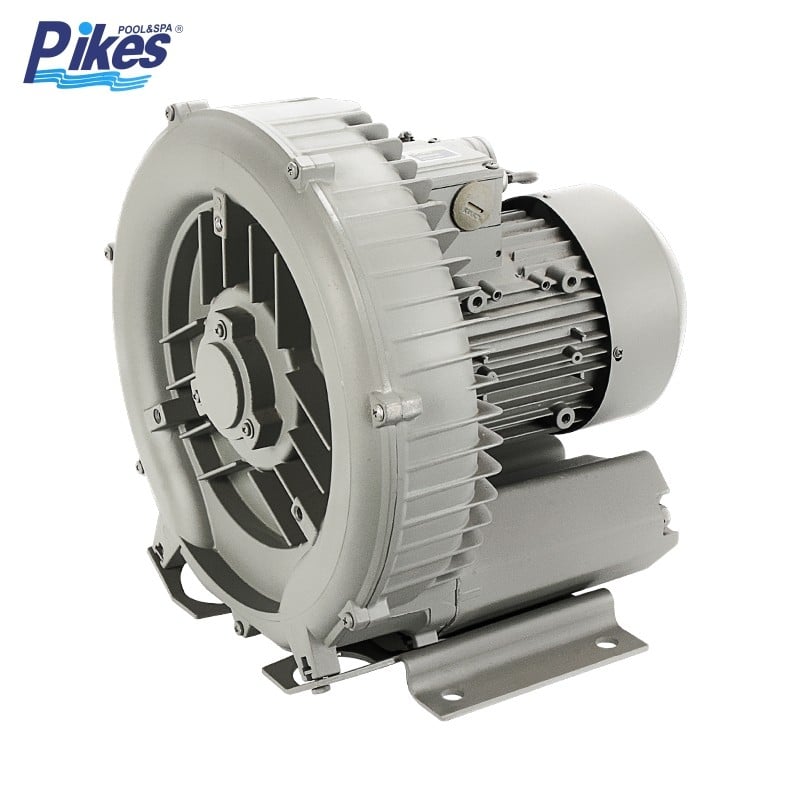
Commercial pool operators recognize that high-performance air blowers deliver consistent air flow rates necessary for efficient water treatment. Whether managing a resort facility, municipal aquatic center, or therapeutic spa environment, the right air blower system ensures optimal performance while minimizing energy waste. High-performance air blowers provide the durability and reliability that commercial applications demand, operating continuously throughout the season while maintaining precise control over water circulation patterns.
The Role of High-Performance Air Blowers in Commercial Pool Systems
Water Circulation and Filtration Support
High-performance air blowers function as critical components within comprehensive pool circulation systems. They generate controlled air streams that facilitate water movement through filtration equipment, ensuring particles and contaminants reach collection points efficiently. The consistent performance of high-performance air blowers directly impacts filtration system effectiveness, influencing both water clarity and chemical balance. Facilities that invest in quality high-performance air blowers experience fewer circulation bottlenecks and reduced filter maintenance intervals.
Commercial pool designers increasingly specify high-performance air blowers because they accommodate high-volume water processing demands. Modern facilities handle thousands of gallons daily, requiring equipment that maintains steady air pressure across varying operational conditions. High-performance air blowers designed for commercial applications deliver this reliability, preventing unexpected shutdowns that could disrupt guest access or compromise water quality standards.
Energy Efficiency and Operating Costs
Energy consumption represents a significant operational expense for commercial pool facilities. High-performance air blowers engineered with modern motor technology and aerodynamic designs reduce electrical demand while maintaining required air flow volumes. Many contemporary high-performance air blowers incorporate variable speed controls, allowing operators to adjust output based on real-time pool conditions. This adaptive capability reduces unnecessary energy expenditure during low-demand periods while ensuring sufficient capacity during peak usage.
Upgrading to high-performance air blowers frequently yields measurable cost savings within the first operating season. Facilities comparing energy consumption before and after installation often report 15-25% reductions in overall circulation system power usage. Because high-performance air blowers operate throughout the season, even modest efficiency improvements compound significantly across thousands of operating hours.
Selection Criteria for Commercial Applications
Air Flow Capacity and Pressure Requirements
Selecting appropriate high-performance air blowers requires careful assessment of facility-specific requirements. Pool volume, circulation rate targets, and integrated system components all influence the necessary air flow capacity. High-performance air blowers must deliver sufficient pressure to overcome system resistance while maintaining consistent output throughout daily operational cycles. Facility operators should consult with equipment specialists to determine whether high-performance air blowers with variable or fixed speed operation best suit their particular applications.
Commercial facilities typically require high-performance air blowers capable of processing 2,000 to 10,000 cubic feet of air per minute, depending on pool size and treatment system complexity. High-performance air blowers must function reliably at specified pressure ratings while accommodating seasonal variation in ambient conditions. Over-sizing equipment wastes energy, while under-sizing compromises water treatment effectiveness, making accurate capacity assessment essential when choosing among available high-performance air blowers.
Material Durability and Corrosion Resistance
Pool environments expose equipment to chemicals, moisture, and salt-based compounds that accelerate corrosion. High-performance air blowers constructed from corrosion-resistant materials maintain operational integrity across extended service periods. Stainless steel components, specialized coatings, and sealed bearing assemblies help high-performance air blowers withstand the demanding chemical environment inherent to commercial pool facilities. Investing in corrosion-resistant high-performance air blowers reduces unplanned maintenance and extends equipment lifespan significantly.
Superior construction quality distinguishes premium high-performance air blowers from standard alternatives. Professional-grade high-performance air blowers feature reinforced housing, precision-machined impellers, and heavy-duty mounting systems designed for continuous operation. These structural advantages translate to reduced noise levels, smoother vibration characteristics, and increased reliability across thousands of operational hours annually.
Installation, Maintenance, and Performance Optimization
Proper Installation and System Integration
Installing high-performance air blowers requires careful attention to mounting location, vibration isolation, and system connectivity. Improper installation can compromise efficiency and accelerate wear on bearings and seals. High-performance air blowers should be positioned in well-ventilated areas with adequate space for maintenance access. Professional installation ensures that high-performance air blowers align properly with circulation system components and that all pressure and flow connections meet design specifications.
Many commercial facilities benefit from hiring experienced technicians for initial high-performance air blower installation. Professionals verify that high-performance air blowers connect to monitoring systems that track performance metrics. This integration enables early detection of operational anomalies before they develop into significant equipment problems.
Routine Maintenance and Longevity
Scheduled maintenance maximizes the operational lifespan of high-performance air blowers. Regular inspection of seals, bearings, and motor components identifies wear before failure occurs. High-performance air blowers benefit from periodic cleaning to remove mineral deposits and chemical residue that accumulate during normal operation. Maintaining appropriate lubrication schedules and checking bearing temperatures ensures that high-performance air blowers continue performing at design specifications.
Facility managers should establish preventive maintenance protocols specific to their high-performance air blowers. Documenting maintenance activities, performance metrics, and any anomalous conditions creates valuable records for troubleshooting and planning equipment replacements. High-performance air blowers that receive consistent preventive attention typically operate reliably for 7-10 years or longer, representing excellent value relative to replacement costs.
FAQ
What size high-performance air blowers do most commercial pools require?
Most commercial pools require high-performance air blowers rated between 2,000 and 8,000 cubic feet per minute, depending on pool volume and system design. Smaller commercial facilities with 10,000-25,000 gallon pools typically use high-performance air blowers on the lower end of this range, while larger resort or aquatic center installations require high-performance air blowers at the upper end. Consulting equipment specifications and facility circulation requirements ensures selection of appropriately sized high-performance air blowers.
How often should high-performance air blowers be serviced?
High-performance air blowers benefit from professional inspection every six months during the operational season. Routine maintenance includes bearing lubrication, seal inspection, and verification of air flow output. Facilities operating high-performance air blowers year-round should schedule quarterly service intervals to address seasonal demand variations. More frequent inspections may be warranted if high-performance air blowers operate in particularly corrosive environments or handle exceptionally high flow volumes.
Can high-performance air blowers reduce pool operating expenses?
Yes, modern high-performance air blowers with variable speed controls and efficient motor design significantly reduce energy consumption compared to older fixed-speed models. High-performance air blowers can lower monthly electricity costs by 15-25% while improving water circulation consistency. The investment in quality high-performance air blowers typically returns within 1-3 years through combined energy savings and reduced maintenance expenses.