
 EN
EN



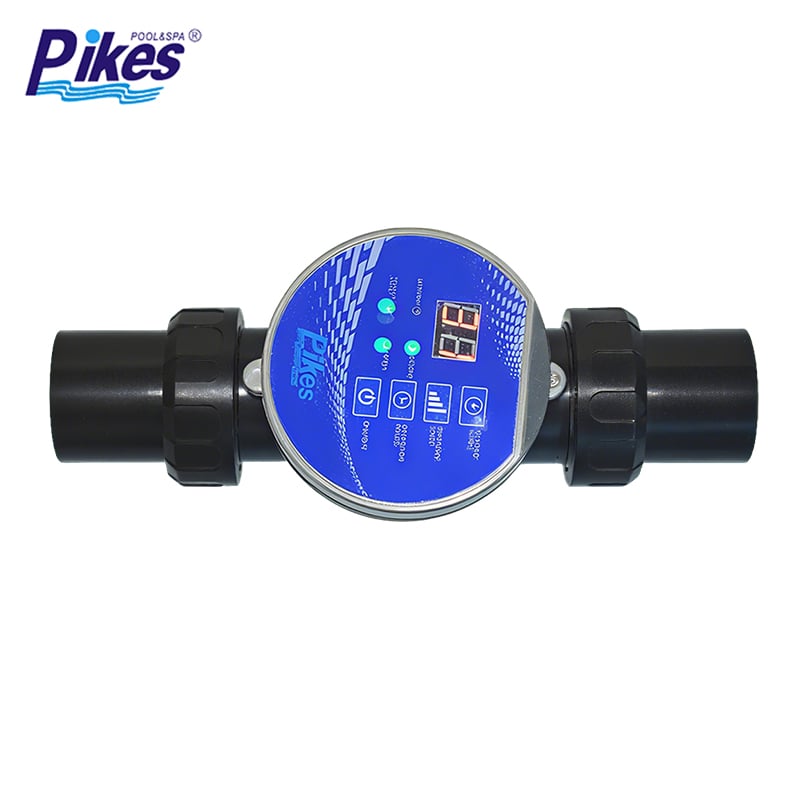
Selecting the right pool heat pump for commercial projects is one of the most critical decisions a facility manager or pool operator can make. The performance, longevity, and operating cost of your commercial swimming pool depend heavily on this choice. A properly matched pool heat pump for commercial projects will deliver consistent heating, optimize energy consumption, and minimize maintenance downtime across seasons. This guide walks you through the essential factors that ensure your pool heat pump for commercial projects meets your facility's unique demands and budget constraints.
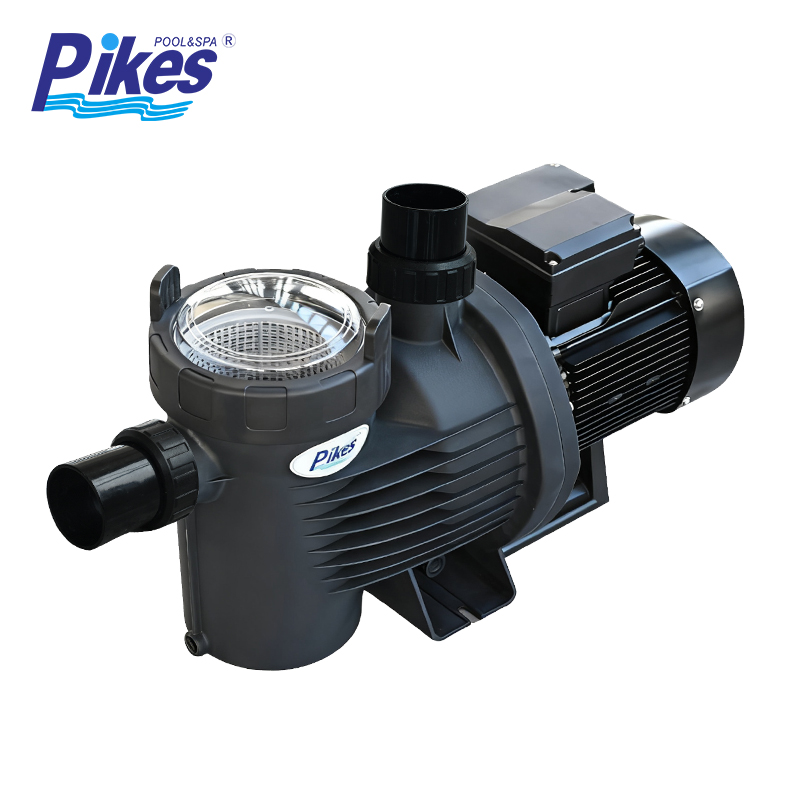
Commercial pool facilities face unique heating challenges that residential pools do not. High bather load, extended operating hours, and strict water temperature regulations demand a robust pool heat pump for commercial projects that can operate reliably year-round. Understanding how to evaluate capacity, efficiency ratings, durability standards, and integration requirements ensures you invest in a solution that performs consistently and protects your bottom line.
Understanding Capacity and Flow Rate Requirements
Determining Your Facility's Heating Demand
The first step in selecting a pool heat pump for commercial projects is calculating the total heating demand of your facility. This depends on pool volume, desired temperature rise, and climate conditions. A 50,000-gallon commercial pool requires significantly more heating power than a small residential pool, and the pool heat pump for commercial projects must be sized accordingly. Undersized units will struggle to maintain temperature during peak usage, while oversized models waste energy and increase operational costs unnecessarily.
Water flow rate through the heat exchanger directly impacts efficiency and heating output. Your pool heat pump for commercial projects must match the circulation rate of your existing filtration system to avoid pressure drops and equipment stress. Most commercial facilities operate at flow rates between 50 and 200 gallons per minute. Evaluating your current pump capacity and distribution piping ensures the pool heat pump for commercial projects integrates seamlessly without requiring expensive infrastructure modifications.
Matching Heat Output to Climate and Season
Climate plays a decisive role in pool heat pump for commercial projects performance. Facilities in cooler climates require higher output capacity to maintain temperature during winter months. The coefficient of performance (COP) of a pool heat pump for commercial projects varies with ambient air temperature—most units operate efficiently between 45°F and 90°F. Before committing to a specific model, verify that the pool heat pump for commercial projects maintains adequate output across the seasonal temperature range your facility experiences.
Extended operating seasons in warmer regions may allow for smaller capacity pools heat pump for commercial projects, reducing initial investment. Conversely, facilities operating heated pools year-round in cold climates need premium-grade pool heat pump for commercial projects with backup heating capability or hybrid configurations. Understanding your heating demand curve across all seasons prevents costly undersizing or overprovisioning decisions.
Evaluating Efficiency and Operating Cost Impact
Energy Efficiency Ratings and Long-Term ROI
The energy efficiency of your pool heat pump for commercial projects directly determines monthly utility bills and payback period. Look for units with high seasonal energy efficiency ratio (SEER) and heating seasonal performance factor (HSPF) ratings. A high-efficiency pool heat pump for commercial projects may cost more upfront but delivers substantial savings over its operational lifetime. Many commercial facilities recover the initial investment within three to five years through reduced electricity consumption.
Variable-speed compressors and advanced refrigerant technology in modern pool heat pump for commercial projects models provide superior efficiency across partial-load conditions. Commercial pools rarely operate at maximum capacity, so a pool heat pump for commercial projects with modulation capability adapts to actual demand and minimizes wasted energy. This technology is especially valuable for facilities with variable occupancy patterns or seasonal usage fluctuations.
Operating Conditions and System Integration
The efficiency of your pool heat pump for commercial projects also depends on proper system integration and maintenance practices. A well-designed pool heat pump for commercial projects installation includes proper refrigerant charging, optimal water flow rates, and appropriate ventilation around the outdoor unit. Restrictive airflow or inadequate drainage around the pool heat pump for commercial projects reduces efficiency and increases compressor wear, shortening equipment life.
Integrated controls allow your pool heat pump for commercial projects to operate during off-peak utility hours, further reducing operating costs. Facilities with time-of-use electricity rates can schedule heating cycles when rates are lowest, optimizing the financial performance of the pool heat pump for commercial projects. This flexibility is a major advantage over traditional gas heating, which operates on demand regardless of utility pricing.
Durability, Materials, and Maintenance Requirements
Corrosion Resistance and Construction Standards
Commercial pool environments expose all equipment to harsh chemical conditions, including chlorine vapors and salt-based sanitizers. Your pool heat pump for commercial projects must feature marine-grade corrosion-resistant materials—typically titanium or cupro-nickel heat exchangers—to survive extended exposure. Stainless steel casing and treated aluminum components are essential for outdoor pool heat pump for commercial projects installations.
Verify that the pool heat pump for commercial projects meets industry durability standards and carries appropriate certifications for commercial pool use. Models rated for continuous duty operation ensure the equipment can run extended hours without premature failure. A robust pool heat pump for commercial projects is built to sustain high cycle rates and maintains performance over 10 to 15 years with proper maintenance, justifying the premium investment compared to light-duty models.
Maintenance Access and Service Availability
The serviceability of your pool heat pump for commercial projects significantly impacts total cost of ownership. Ensure the unit design allows technicians easy access to compressor, fan motor, and refrigerant components for routine maintenance. A pool heat pump for commercial projects with modular components simplifies repairs and reduces labor costs when service is needed. Local availability of replacement parts and qualified service providers is critical—never invest in an obscure pool heat pump for commercial projects model without confirming local support infrastructure.
Manufacturers of commercial-grade pool heat pump for commercial projects typically provide extended warranty periods and responsive customer support. Request information about preventive maintenance programs and expected service intervals. A high-quality pool heat pump for commercial projects with good warranty coverage and transparent service procedures protects your facility from unexpected downtime and catastrophic repair expenses.
FAQ
What size pool heat pump for commercial projects do I need for a 50,000-gallon pool?
A 50,000-gallon commercial pool typically requires a pool heat pump for commercial projects with 75,000 to 150,000 BTU output, depending on climate, desired temperature rise, and heating timeframe. Cooler climates and faster heating demands require higher capacity. Calculate your exact requirement by multiplying pool volume, desired temperature increase, and heating time. Work with a qualified HVAC designer to size the pool heat pump for commercial projects accurately for your specific application and climate zone.
How much can I save annually by upgrading to an energy-efficient pool heat pump for commercial projects?
Energy savings from an efficient pool heat pump for commercial projects typically range from 40 to 60 percent compared to gas or electric resistance heating. For a commercial facility spending $10,000 annually on pool heating, upgrading to a high-efficiency pool heat pump for commercial projects could save $4,000 to $6,000 per year. Over a 12-year equipment lifespan, this translates to $48,000 to $72,000 in cumulative savings, far exceeding the initial equipment investment for most pool heat pump for commercial projects installations.
Can a pool heat pump for commercial projects work in cold climates?
Modern pool heat pump for commercial projects models operate efficiently down to 45°F ambient temperature, though output decreases significantly below this threshold. In extremely cold climates, a hybrid system combining heat pump and backup gas or electric heating ensures consistent pool temperature year-round. Cold-climate pool heat pump for commercial projects installations require oversizing the unit capacity or adding supplemental heating. Consult regional climate data and heating engineers to determine whether a standalone pool heat pump for commercial projects is suitable for your facility or whether hybrid configuration is necessary.