
 EN
EN



For distributors and wholesale buyers entering or expanding in the wellness equipment market, choosing the right hot tub supply partner is one of the most consequential decisions you will make. The hot tub category has grown steadily across residential, hospitality, and wellness sectors, and wholesale buyers who secure reliable, high-quality inventory are consistently better positioned to capture margin and build long-term client relationships. Understanding what separates a strong hot tub sourcing strategy from a weak one is the first step toward building a competitive distribution business.
This article is written specifically for hot tub distributors and wholesale buyers who need practical, decision-useful guidance. Whether you are sourcing your first container of hot tub units or scaling an established distribution network, the principles covered here will help you evaluate product quality, manage procurement risk, and serve your downstream customers more effectively. Every hot tub you place in the market reflects on your brand, so sourcing decisions deserve careful, structured thinking.
Understanding Hot Tub Product Categories for Wholesale
Acrylic Hot Tub Models and Their Market Fit
The acrylic hot tub is the dominant product type in the wholesale and distribution market, and for good reason. Acrylic shells offer superior surface durability, resistance to UV degradation, and a premium aesthetic that end customers associate with quality. When a distributor presents an acrylic hot tub to a retail client or a hospitality operator, the visual impact alone supports a higher price point. As a wholesale buyer, prioritizing acrylic hot tub inventory gives you a product that is easier to sell, easier to justify on price, and easier to support with after-sales service.
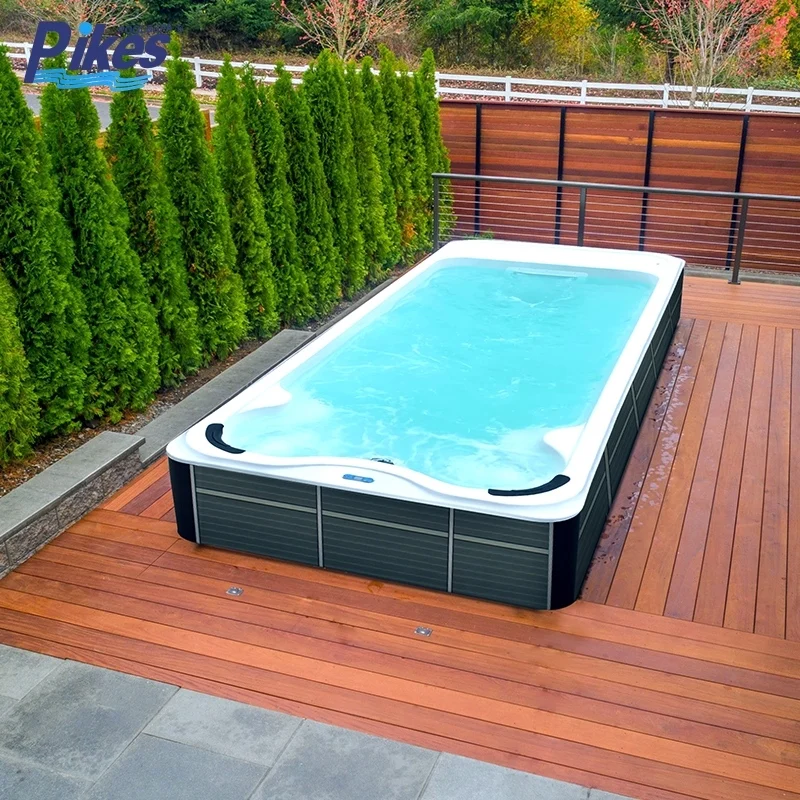
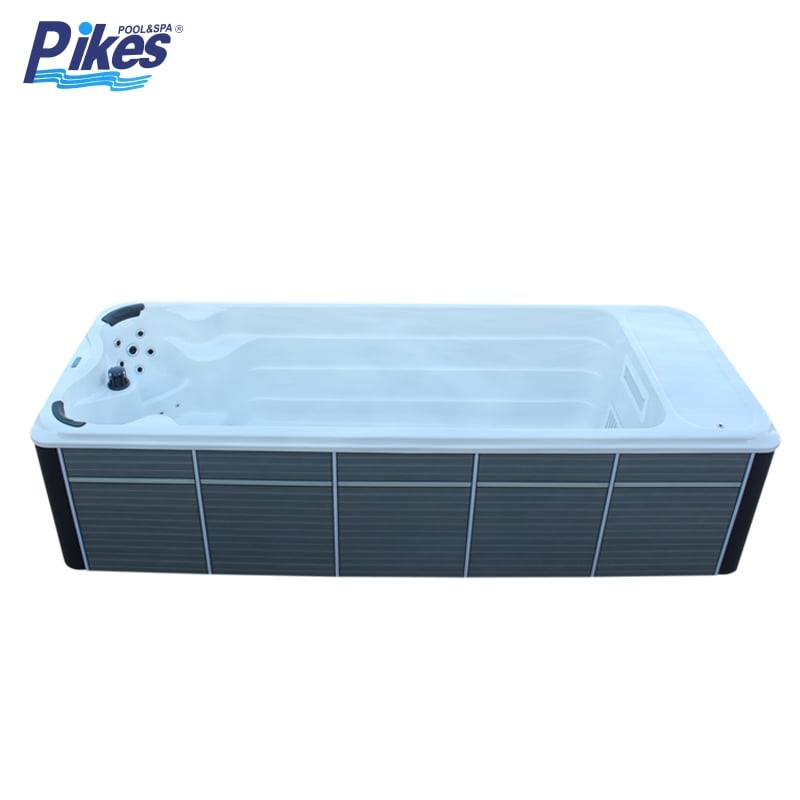
Beyond the shell material, a hot tub can be configured in multiple ways to serve different buyer segments. A compact two-person hot tub suits urban residential buyers and boutique hotel installations, while a large swim-spa-style hot tub appeals to wellness centers and upscale resorts. Distributors who carry a tiered hot tub range — from entry-level relaxation units to feature-rich therapeutic models — are better equipped to address the full spectrum of buyer demand without losing sales to competitors offering broader catalogs.
Swim Spa and Combination Hot Tub Units
The swim spa is a growing subcategory that combines the hydrotherapy benefits of a standard hot tub with a swim-current system. For wholesale buyers focused on commercial clients, the swim spa version of a hot tub can command significantly higher per-unit revenue and serves fitness-oriented end users who want more than passive relaxation. Stocking a hot tub and swim spa combination gives distributors a meaningful upsell path when engaging clients who have already decided to invest in water wellness infrastructure. The margins on a premium swim-spa hot tub unit are typically stronger than on a standard entry-level hot tub, making this segment attractive for volume-conscious distributors.
Quality Standards That Wholesale Buyers Must Evaluate
Structural and Mechanical Hot Tub Specifications
When evaluating a hot tub for wholesale purchasing, structural integrity is non-negotiable. The hot tub cabinet frame, typically constructed from treated wood, ABS composite, or stainless steel, must be able to withstand outdoor environmental exposure over years of use. A hot tub that degrades quickly in the field generates warranty claims, return logistics, and reputational damage for the distributor. Wholesale buyers should request detailed material specifications and ask suppliers to clarify what warranty support is available on both the hot tub shell and the mechanical components including pumps, heaters, and jet systems.
Jet count and pump configuration are two of the most frequently discussed hot tub specification points among B2B buyers. A hot tub designed for therapeutic use typically features a higher jet count with varied pressure zones targeting different muscle groups. For distributors selling into wellness or hospitality channels, specifying the right hot tub jet layout for each buyer segment avoids post-sale dissatisfaction. A hot tub sold to a hotel spa must perform reliably under daily multi-user sessions, which is a very different usage pattern than a hot tub in a private garden. Matching hot tub specifications to end-use context is a core competency for effective distributors.
Certifications and Compliance for Hot Tub Imports
For wholesale buyers importing a hot tub into regulated markets, product certification is a critical procurement checkpoint. A hot tub sold in North American markets will typically need to meet UL or CSA electrical standards, while a hot tub destined for European distribution must comply with CE marking requirements. Failure to verify that a hot tub meets local certification standards before importation can result in customs delays, forced product modifications, or outright rejection of the shipment. Distributors should always confirm which certifications each hot tub model carries before committing to a purchase order.
Procurement and Logistics Considerations for Hot Tub Distributors
Minimum Order Quantities and Container Planning
Wholesale hot tub procurement almost always involves container-based logistics, and understanding how many hot tub units fit per container is essential for cost planning. A standard 40-foot container can typically accommodate between four and six full-size hot tub units depending on shell dimensions and packaging configuration. For distributors managing cash flow carefully, negotiating flexible minimum order quantities with the hot tub supplier is a practical way to reduce inventory risk while still accessing wholesale pricing. Some hot tub suppliers offer mixed-SKU containers, allowing distributors to include multiple hot tub models or sizes in a single shipment to match diversified order books.
After-Sales Support and Spare Parts Availability
A hot tub distributor's reputation is built not just on the initial sale but on what happens when a unit needs service. Wholesale buyers should evaluate whether their hot tub supplier provides reliable access to replacement parts including jets, pumps, heaters, control panels, and cover hardware. A hot tub that cannot be repaired due to parts unavailability becomes a liability rather than an asset. Distributors who can offer fast hot tub service resolution retain clients and generate repeat business. Before finalizing a hot tub supply relationship, confirm the supplier's parts lead times and whether regional parts stocking is possible for high-volume distribution partners.
FAQ
What is the typical lead time for wholesale hot tub orders?
Lead times for wholesale hot tub orders vary depending on the supplier's production schedule and current inventory levels. For in-stock hot tub models, lead times may range from two to four weeks for production readiness plus shipping transit time. For custom-configured hot tub units with specific shell colors, jet layouts, or cabinet finishes, lead times typically extend to six to ten weeks. Distributors planning seasonal inventory builds should initiate hot tub procurement discussions at least three months in advance to avoid stock shortfalls during peak demand periods.
How should a distributor evaluate hot tub quality before placing a bulk order?
The most reliable way to evaluate hot tub quality before bulk commitment is to request a physical sample unit or arrange a factory visit. Inspecting a hot tub in person allows buyers to assess shell thickness, cabinet construction, plumbing routing, and jet finish quality directly. If a factory visit is not practical, engaging a third-party inspection agency to evaluate the hot tub at the production facility is a widely accepted alternative. Reviewing hot tub certification documentation and requesting references from existing distribution partners of the supplier also provides meaningful assurance before a large purchase order is placed.
Can a hot tub be private-labeled for distributor brands?
Yes, many hot tub manufacturers support private-label or OEM programs that allow distributors to market the hot tub under their own brand identity. Private-label hot tub programs typically involve customized cabinet colors, branded control panel interfaces, and co-branded product documentation. For distributors looking to differentiate their hot tub offering from generic catalog products, private labeling is an effective strategy that builds brand equity with end customers. Minimum order thresholds for private-label hot tub programs vary by manufacturer, so distributors should discuss these requirements early in the supplier evaluation process.