
 EN
EN



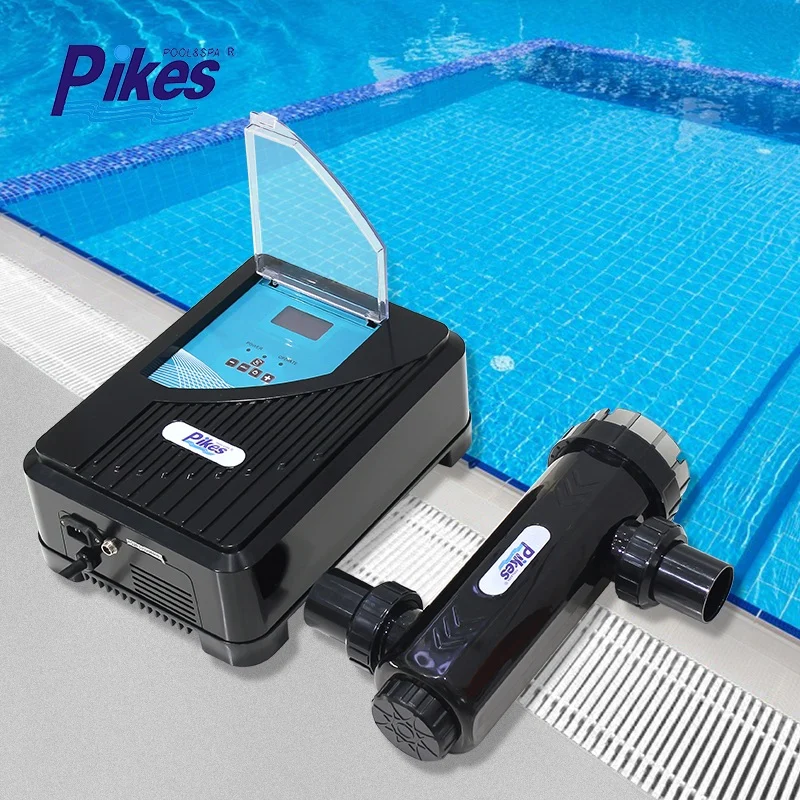
A pool salt chlorinator is a critical piece of equipment designed to keep your swimming pool water clean, safe, and properly sanitized. Rather than manually adding chlorine tablets or liquid chemicals to your pool, a pool salt chlorinator automates the sanitization process by converting dissolved salt into chlorine gas through a process called electrolysis. This innovative approach transforms the way pool owners maintain water quality while reducing the need for frequent chemical handling and storage.
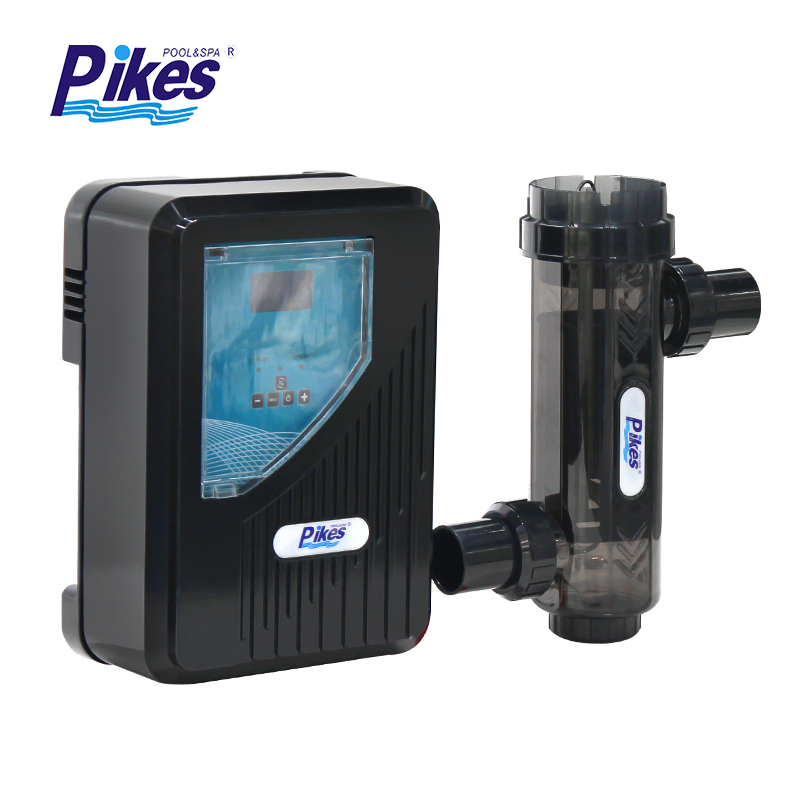
Understanding how a pool salt chlorinator operates is essential for any pool owner considering this technology. The system works by continuously circulating pool water through an electrolytic cell where salt (sodium chloride) is converted into usable chlorine. This chlorine then disperses back into the pool to eliminate bacteria, algae, and harmful microorganisms. The result is a more stable sanitization system that requires less hands-on maintenance compared to traditional chlorine methods, making pool ownership more convenient and enjoyable.
How a Pool Salt Chlorinator Functions
The Electrolysis Process
The core mechanism of a pool salt chlorinator depends on electrolysis, a chemical process that breaks down salt molecules using electrical current. When water containing dissolved salt passes through the electrolytic cell, the electrical charge separates sodium and chloride ions. The chloride ions are converted into chlorine gas and hypochlorous acid, which are the active sanitizing agents. This pool salt chlorinator method is highly efficient because it generates chlorine on-demand rather than relying on pre-made chemical supplies, ensuring consistent sanitization levels throughout your swimming season.
Continuous Circulation and Distribution
A properly installed pool salt chlorinator integrates with your existing filtration system to process water continuously. As your pool pump circulates water through the filter, it also sends water through the electrolytic cell of the pool salt chlorinator. The newly generated chlorine mixes back into the pool circulation, distributing evenly throughout the entire water volume. This continuous cycle maintains stable chlorine levels automatically, preventing the concentration spikes and drops that often occur with manual chlorine addition. Your pool salt chlorinator controller monitors and adjusts the electrolysis rate based on your pool's current sanitization needs.
Key Benefits of Pool Salt Chlorinator Systems
Reduced Chemical Handling and Storage
One of the most significant advantages of choosing a pool salt chlorinator is eliminating the need to handle, store, and transport large quantities of chlorine chemicals. Traditional chlorine tablets, powder, and liquid solutions require careful storage in cool, dry locations and present handling hazards. A pool salt chlorinator reduces these safety concerns because salt is a mild, non-toxic substance readily available as pool grade material. You simply add salt periodically to maintain the proper concentration, dramatically simplifying your pool maintenance routine and reducing the safety risks associated with corrosive chemical storage.
Gentler Water Quality for Swimmers
Many pool owners choose a pool salt chlorinator because it produces softer, gentler water that feels better on skin and eyes. The chlorine generated by a pool salt chlorinator comes from the salt itself, creating a more natural balance compared to added chlorine products. Swimmers report fewer chemical smells, reduced eye irritation, and less skin dryness when using a pool salt chlorinator system. The gentler water quality extends to your pool equipment as well, since the controlled chlorine generation process prevents the aggressive corrosion sometimes seen with over-chlorinated pools using traditional methods.
Lower Long-Term Operating Costs
Although a pool salt chlorinator requires an initial investment in equipment installation, the long-term cost savings are substantial. Pool salt is significantly less expensive than buying chlorine chemicals month after month. A pool salt chlorinator also reduces the frequency of water testing and chemical adjustments needed, saving both money and time. The automated nature of a pool salt chlorinator means fewer emergency service calls due to chemical imbalances, and the equipment itself typically requires minimal maintenance beyond occasional cell cleaning and salt level monitoring.
Maintenance and Performance Considerations
Salt Level Monitoring and Adjustment
Proper operation of your pool salt chlorinator depends on maintaining the correct salt concentration in your pool water, typically between 2700 and 3400 parts per million depending on your specific system. Your pool salt chlorinator controller displays current salt levels, and you add salt when needed by dissolving it in a bucket and pouring it into the pool. Most pool owners need to add salt only once or twice per year, making this maintenance task quick and simple. Testing your salt levels monthly ensures your pool salt chlorinator can continue generating adequate chlorine for effective sanitization.
Electrolytic Cell Care and Inspection
The electrolytic cell is the heart of your pool salt chlorinator, and keeping it clean ensures optimal performance and longevity. Over time, mineral deposits and calcium buildup can accumulate on the cell plates, reducing the efficiency of your pool salt chlorinator. Most manufacturers recommend inspecting the cell every three to six months and cleaning it with diluted acid solution when deposits appear. Regular maintenance of your pool salt chlorinator's cell extends its lifespan from five to ten years or more, representing excellent value compared to the continuous expense of traditional chlorine methods.
Balancing pH and Alkalinity
While a pool salt chlorinator handles chlorine generation automatically, you still need to monitor and adjust other water chemistry parameters like pH and alkalinity. A pool salt chlorinator tends to raise pH levels slightly over time, so regular pH testing and occasional acid addition may be necessary. Balanced water chemistry works in partnership with your pool salt chlorinator to provide optimal sanitization and swimmer comfort. Most pool owners find the chemistry maintenance for a pool salt chlorinator simpler than managing both chlorine levels and pH when using traditional chlorine systems.
FAQ
Is a pool salt chlorinator suitable for all pool sizes and types?
A pool salt chlorinator can be installed in most residential pools, from small above-ground pools to large in-ground installations. However, pool salt chlorinators work best in properly sized systems matched to your pool's volume and circulation rate. Your pool contractor can determine the appropriate capacity and model of pool salt chlorinator needed for your specific situation. Some vinyl-lined pools or older plumbing systems may require modifications before installing a pool salt chlorinator, so consulting with a professional ensures compatibility.
How often do you need to add salt to your pool?
Most pool owners add salt to their pool only once or twice per year, depending on rainfall, evaporation, and water dilution through backwashing. Your pool salt chlorinator controller shows salt levels, helping you determine when addition is needed. This minimal maintenance requirement is one of the major appeals of salt chlorination compared to weekly chemical additions required with traditional systems. Most seasoned pool owners keep extra bags of pool-grade salt on hand for convenient refilling.
Can you switch from traditional chlorine to a pool salt chlorinator?
Yes, converting from traditional chlorine to a pool salt chlorinator is absolutely possible in most cases. The conversion involves installing the electrolytic cell unit, adding salt to your pool, and adjusting your circulation system if necessary. Your existing pump and filter continue to operate normally while the pool salt chlorinator integrates into the circulation loop. Professional installation is recommended to ensure proper sizing and setup, but many pool owners successfully make the switch and enjoy the benefits of automated salt chlorination for years afterward.