
 EN
EN


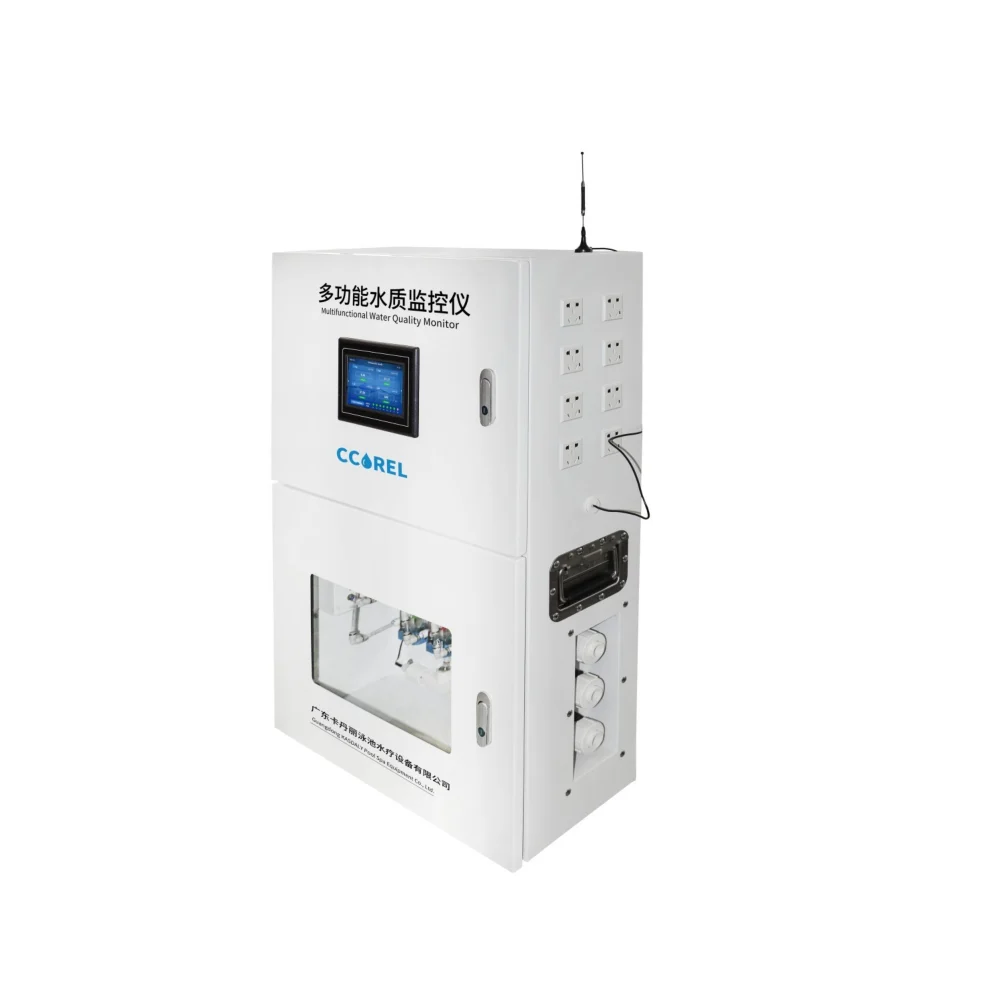
Maintaining pristine pool water requires consistent attention to chemical balance, pH levels, temperature, and clarity. A reliable pool water monitoring system is essential for pool operators who want to ensure guest safety, extend equipment lifespan, and reduce operational costs. Modern pool water monitoring systems combine real-time sensors, automated alerts, and data analytics to transform how facilities manage water chemistry. Whether you operate a residential pool, commercial facility, or aquatic center, selecting the best pool water monitoring system can dramatically improve maintenance efficiency and water quality outcomes.
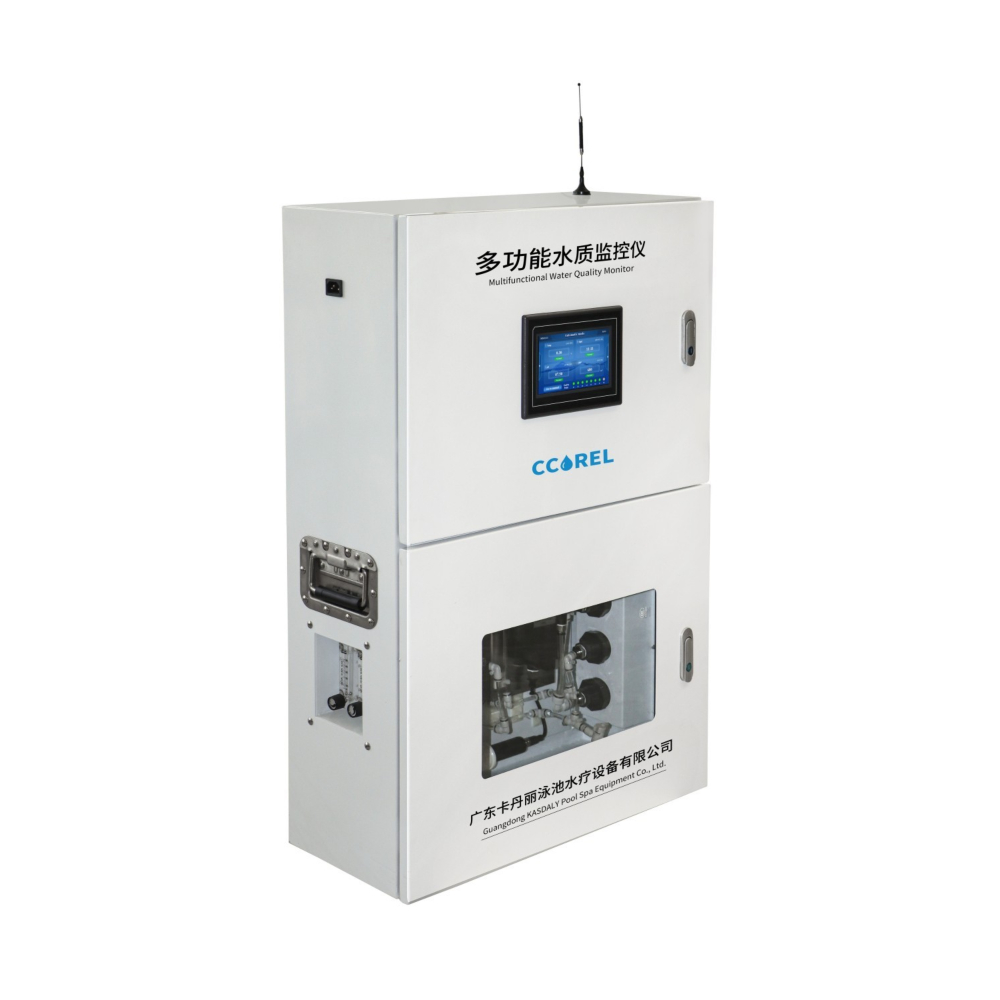
Today's best pool water monitoring system options go far beyond simple test kits. Advanced systems integrate continuous monitoring, automatic chemical dosing, mobile app connectivity, and predictive maintenance alerts. Understanding the key features and benefits of a modern pool water monitoring system empowers facility managers to make informed purchasing decisions that align with their operational goals and budget constraints.
Core Features of Leading Pool Water Monitoring Systems
Real-Time Chemical Analysis
The foundation of any best pool water monitoring system is accurate, real-time chemical analysis. Premium pool water monitoring system models use advanced sensor technology to continuously measure chlorine levels, pH balance, oxidation-reduction potential (ORP), and alkalinity. These sensors provide immediate feedback when water chemistry drifts outside safe parameters, enabling rapid intervention before problems escalate. A quality pool water monitoring system captures data every few seconds, offering operators precise visibility into water conditions at all times.
Automated Alert Capabilities
Effective pool water monitoring system platforms include intelligent alert mechanisms that notify staff when parameters exceed acceptable ranges. The best pool water monitoring system sends notifications via mobile app, email, or on-site displays, ensuring operators never miss critical changes. These alerts can be customized by facility type and operational preferences, allowing each pool water monitoring system to adapt to specific operational needs. Automated notifications from a dependable pool water monitoring system reduce response time and prevent water quality emergencies.
Automatic Chemical Dosing Integration
Integrated Dosing Systems
Many modern pool water monitoring system solutions include automatic chemical dosing capabilities, eliminating manual chemical addition and reducing human error. The best pool water monitoring system with integrated dosing maintains precise chemical balance by automatically dispensing chlorine, pH adjusters, or alkalinity boosters based on real-time sensor readings. This pool water monitoring system feature ensures consistent water quality 24/7 without operator intervention. Facilities using automated dosing through their pool water monitoring system report dramatically improved water clarity and reduced chemical waste.
Cost Reduction and Safety Benefits
Automated chemical management through an advanced pool water monitoring system reduces operational expenses by optimizing chemical consumption. Rather than over-treating water based on guesswork, the best pool water monitoring system dispenses exact quantities needed. This pool water monitoring system approach minimizes chemical costs, reduces environmental impact, and enhances safety by limiting manual chemical handling. Many facilities find that their pool water monitoring system investment pays for itself within two to three years through chemical savings alone.
Data Logging and Compliance Documentation
Regulatory Compliance Made Simple
Health and safety regulations require documented proof of water quality maintenance. The best pool water monitoring system automatically logs all measurements, creating a comprehensive audit trail that satisfies regulatory requirements. A modern pool water monitoring system records timestamp, chemical readings, temperature, and system actions, generating compliance reports with minimal staff effort. Facilities using a reputable pool water monitoring system demonstrate consistent regulatory adherence and reduce audit preparation time significantly.
Historical Data Analysis and Optimization
Advanced pool water monitoring system platforms store historical data, enabling managers to identify trends and optimize treatment strategies over time. The best pool water monitoring system reveals seasonal patterns, equipment performance issues, and opportunities for operational improvement. This pool water monitoring system data transforms raw information into actionable insights that drive continuous improvement in water management. Long-term tracking through a quality pool water monitoring system helps facilities refine processes and enhance overall efficiency.
Implementation and Operational Considerations
Installation and Compatibility
Selecting the best pool water monitoring system requires evaluating installation requirements, hardware compatibility, and integration with existing pool equipment. Modern pool water monitoring system solutions vary in complexity, from simple plug-and-play sensors to comprehensive integrated systems with multiple measurement points. The best pool water monitoring system for your facility depends on pool size, existing infrastructure, and technical capabilities. Professional installation ensures optimal sensor placement and proper system calibration, maximizing the benefits of your pool water monitoring system investment.
User Interface and Staff Training
The best pool water monitoring system combines powerful functionality with intuitive user interfaces that staff can quickly master. An effective pool water monitoring system dashboard displays critical parameters clearly, making it easy for operators to monitor conditions and respond to alerts. Quality pool water monitoring system platforms include comprehensive training resources, support documentation, and customer service to ensure smooth staff adoption. Investment in proper training maximizes the operational value delivered by your pool water monitoring system.
FAQ
What measurements does a pool water monitoring system track?
A comprehensive pool water monitoring system tracks chlorine or bromine levels, pH balance, alkalinity, temperature, oxidation-reduction potential (ORP), and turbidity. Many advanced pool water monitoring system models include additional parameters like salt levels for saltwater pools or calcium hardness. The best pool water monitoring system provides operators with complete visibility into all critical water quality factors necessary for safe, clear, and properly balanced pool water. Regular calibration ensures that your pool water monitoring system maintains measurement accuracy over time.
How often should pool water monitoring system sensors be calibrated?
Most pool water monitoring system manufacturers recommend calibrating sensors every three to six months, depending on usage intensity and water conditions. A well-maintained pool water monitoring system with proper calibration schedules provides accurate readings consistently. Regular maintenance of your pool water monitoring system sensors ensures the system continues to deliver reliable data for treatment decisions. Facilities that prioritize sensor calibration extend equipment lifespan and maintain the effectiveness of their pool water monitoring system investment.
Can a pool water monitoring system reduce chemical consumption?
Yes, an optimized pool water monitoring system typically reduces chemical usage by 15–30 percent compared to manual testing and treatment methods. The best pool water monitoring system uses precise dosing to add only the chemicals needed, eliminating over-treatment and waste. Automated chemical management through a quality pool water monitoring system also reduces labor costs and improves consistency in water quality maintenance. Many facilities discover that their pool water monitoring system delivers strong return on investment through chemical and labor savings within the first operational year.