
 EN
EN



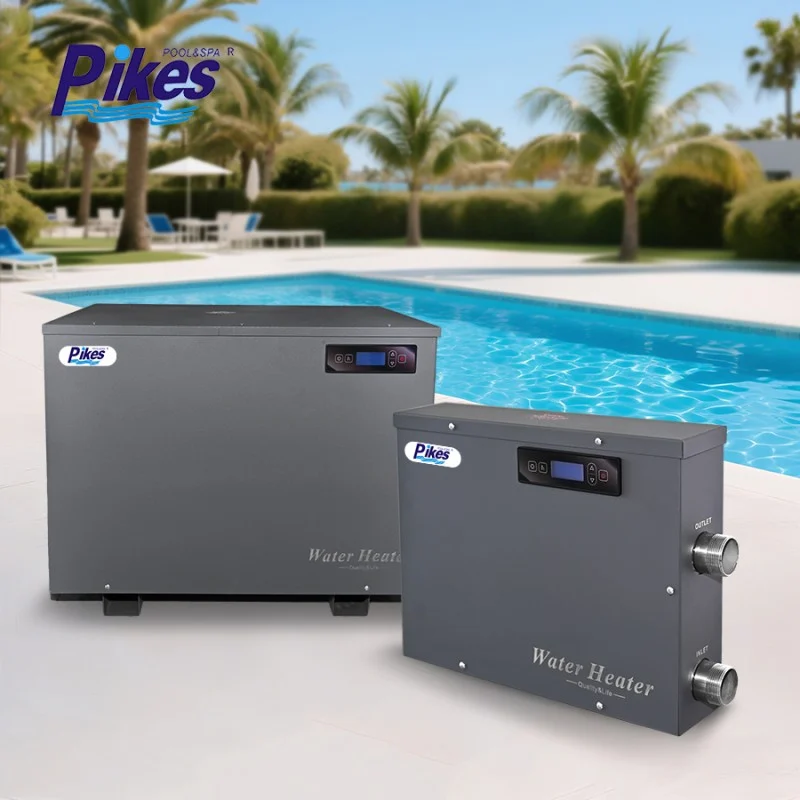
Yes, you can absolutely heat a pool with a pool water heater, and doing so transforms your swimming experience by extending your season and maintaining comfortable water temperatures year-round. A dedicated pool water heater is one of the most effective methods to regulate pool temperature, offering both comfort and practical advantages for residential and commercial properties. Understanding how a pool water heater works, what types are available, and how to maximize its efficiency will help you make an informed decision about your pool heating needs.
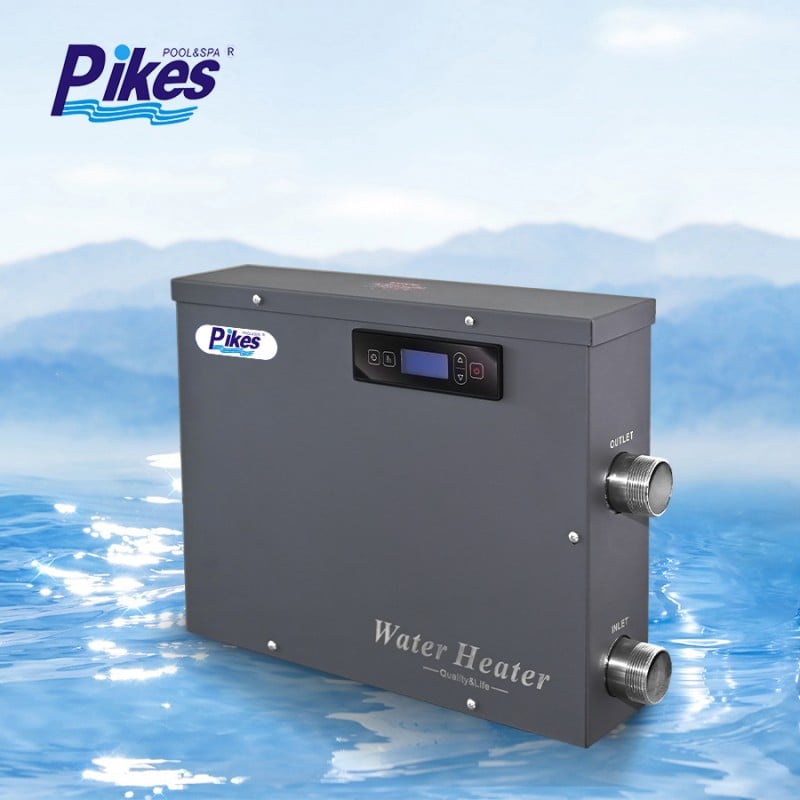
The pool water heater has become a standard investment for pool owners who want to enjoy their pools beyond the traditional summer months. A pool water heater circulates water through a heating element or heat exchanger, raising the temperature to your desired level before returning it to the pool. This process is continuous and can be controlled to suit your preferences, making pool heating both convenient and customizable for any climate or season.
How Pool Water Heater Systems Operate
Understanding the Pool Water Heater Heating Process
A pool water heater operates by drawing water from the pool through a circulation system, passing it through a heating mechanism, and then returning the warmed water back to the pool. The pool water heater uses various energy sources, including electric resistance, gas combustion, or heat pump technology, depending on the model and your location. The heating capacity of your pool water heater determines how quickly it raises water temperature and how effectively it maintains your desired warmth level. Most pool water heater systems include a thermostat that automatically cycles the heating on and off to maintain consistent temperatures without manual intervention.
Pool Water Heater Integration with Filtration
Your pool water heater integrates seamlessly with your existing pool filtration system, using the pump and circulation lines already in place. This integration means that a pool water heater doesn't require separate plumbing infrastructure in many cases, making installation more straightforward. The pool water heater works most efficiently when your pool pump is running, as the circulation ensures consistent heat distribution throughout the water. Many modern pool water heater models are designed to fit into standard filter systems, making them a practical addition to established pools.
Types and Benefits of Pool Water Heater Options
Gas and Electric Pool Water Heater Models
Gas-powered pool water heater units heat water quickly and are ideal for pools that need rapid temperature increases or sporadic heating. Electric pool water heater systems, particularly heat pump pool water heater models, operate with lower operating costs over time and represent a more energy-efficient choice. Heat pump pool water heater technology extracts heat from ambient air or ground, making it exceptionally efficient in moderate to warm climates. The choice between gas and electric pool water heater depends on your local energy costs, climate, usage patterns, and whether your pool water heater needs to provide consistent warmth or quick heating bursts.
Performance and Efficiency Factors
The efficiency of your pool water heater directly impacts both your operating costs and environmental footprint. A high-efficiency pool water heater minimizes energy waste while delivering consistent performance. Heat pump pool water heater systems typically achieve efficiency ratings of three to five times higher than resistance heating, meaning they deliver more warmth per unit of energy consumed. When selecting a pool water heater, consider the climate zone, seasonal usage, desired temperature levels, and your budget for both initial investment and long-term operation. A properly sized pool water heater ensures optimal performance without unnecessary energy consumption.
Practical Considerations for Your Pool Water Heater
Sizing and Installation of Pool Water Heater Systems
Proper sizing is critical for any pool water heater installation. Your pool water heater capacity should match your pool volume, desired temperature rise, and target heating time. A pool water heater that is undersized will struggle to maintain temperatures during cooler seasons, while an oversized pool water heater may cycle inefficiently and waste energy. Professional installation of your pool water heater ensures proper connections to plumbing, electrical systems, and safety features like pressure relief valves. Many pool water heater manufacturers provide sizing charts and calculators to help determine the right model for your specific pool dimensions and heating requirements.
Maintenance and Long-Term Performance
Regular maintenance extends the lifespan of your pool water heater and maintains peak efficiency. Winterization is essential in cold climates to protect your pool water heater from freeze damage. A well-maintained pool water heater operates reliably for ten to fifteen years, depending on water quality, usage intensity, and environmental conditions. Checking connections, cleaning intake strainers, and monitoring temperature readings help ensure your pool water heater continues delivering consistent performance. Professional inspections of your pool water heater annually can identify potential issues before they become expensive problems, protecting your investment while maximizing comfort.
FAQ
What temperature should a pool water heater maintain?
Most recreational pools are heated to between seventy-eight and eighty-two degrees Fahrenheit for comfort. A pool water heater can be programmed to maintain any temperature within its capacity, though warmer settings increase energy consumption. Your pool water heater thermostat allows simple adjustments based on season, occupancy, and personal preference. Commercial facilities and therapeutic pools often use slightly higher temperatures, while lap pools may use lower settings to reduce operating costs of the pool water heater.
How long does a pool water heater take to heat a pool?
Heating time depends on pool size, current water temperature, desired temperature, and the capacity of your pool water heater. A gas pool water heater typically raises water temperature by five to ten degrees in twelve to twenty-four hours, while a heat pump pool water heater may require several days for the same increase. Larger pools require longer heating periods, and climate conditions influence how efficiently your pool water heater can transfer energy. Starting your pool water heater early in the season ensures comfortable temperatures before peak swimming season arrives.
Can you use a household water heater for pool heating?
Household water heaters are not designed for pool heating applications and should not be used for this purpose. A dedicated pool water heater is engineered to handle the volume, flow rates, and specific demands of pool circulation systems. Using a household water heater could damage the equipment, void warranties, and create safety hazards. Always invest in a proper pool water heater that is specifically designed for swimming pool applications to ensure reliability, efficiency, and safe operation.