
 EN
EN



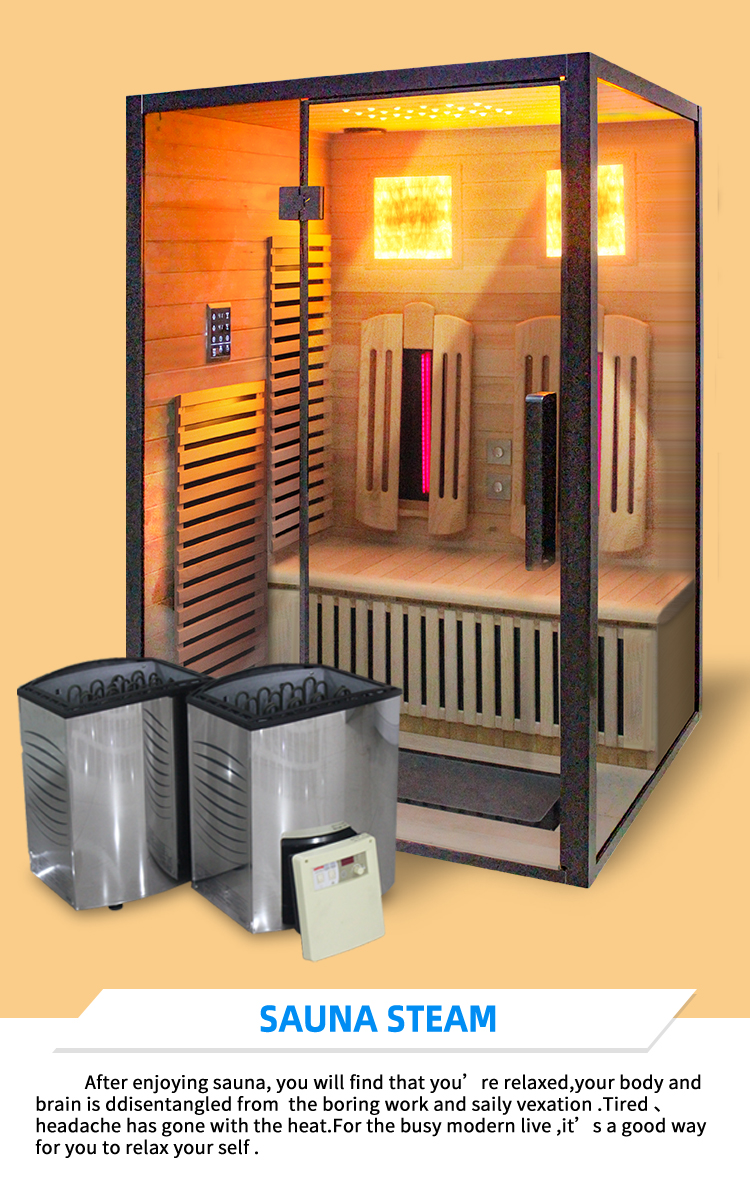
When evaluating a Sauna Room for your facility, whether for a wellness center, resort, spa, or corporate wellness program, selecting the right model requires understanding the key features that distinguish a high-quality Sauna Room from a basic installation. A premium Sauna Room goes far beyond simple heat generation; it combines durability, energy efficiency, user comfort, and safety compliance in ways that directly impact operational costs, user satisfaction, and long-term return on investment. B2B buyers need a clear framework for assessing Sauna Room options before committing significant capital to equipment that will operate continuously in commercial or institutional settings.
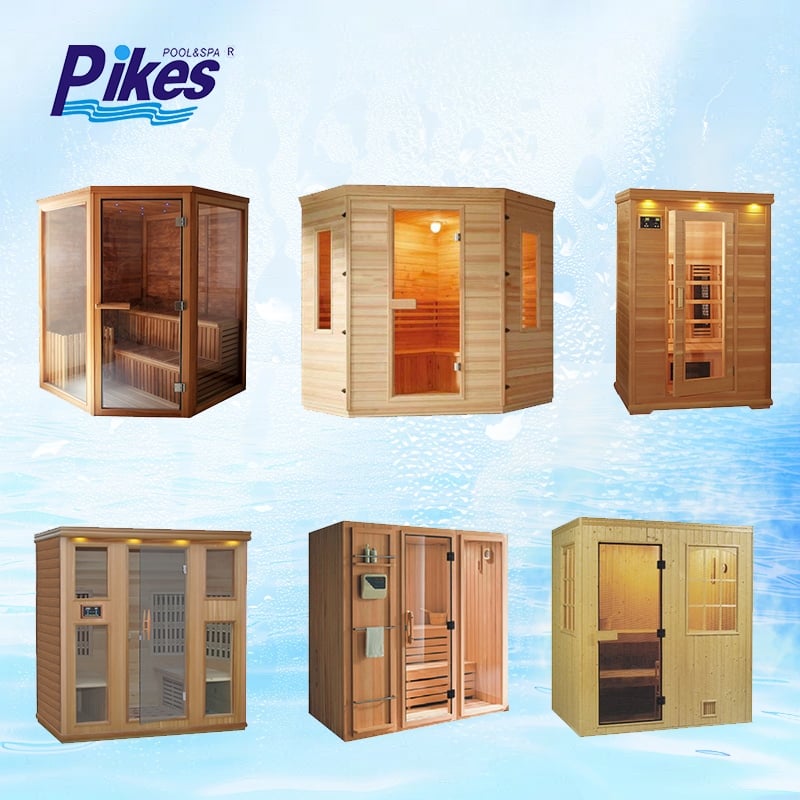
The decision to invest in a Sauna Room reflects both a wellness commitment and a financial calculation that extends across multiple years of operation. High-quality Sauna Room units are engineered to deliver consistent performance, maintain user safety standards, minimize utility consumption, and withstand the environmental stresses of frequent daily use. Understanding what makes a Sauna Room truly valuable ensures that B2B procurement teams can justify capital expenditure while avoiding costly mistakes that surface only after installation and months of operation.
Material Quality and Construction Durability
Sauna Room Building Materials
The material composition of a Sauna Room foundation directly influences its operational lifespan and resistance to heat stress, moisture accumulation, and structural degradation. Premium Sauna Room construction typically employs kiln-dried softwoods like Canadian hemlock or Nordic spruce because these species resist warping, maintain dimensional stability under extreme humidity, and develop patina rather than deteriorating over time. A high-quality Sauna Room uses tongue-and-groove joinery to eliminate gaps where steam escapes unnecessarily, reducing heating efficiency and increasing operational costs. The interior benching of a Sauna Room must also meet specific density and thermal conductivity standards; aspen wood is preferred for bench surfaces because it conducts heat slowly, preventing user discomfort while maintaining structural integrity across thousands of bathers.
Sauna Room Insulation and Vapor Barriers
A Sauna Room performs only as efficiently as its thermal envelope allows, making insulation specification a critical differentiator between premium and budget installations. High-quality Sauna Room designs incorporate mineral wool or rigid foam insulation rated for extreme temperature swings, preventing heat loss that directly translates to higher utility bills. The Sauna Room vapor barrier—typically aluminum foil or reinforced polyethylene sheeting—must be installed without breaches to prevent moisture migration into wall cavities, which corrodes structural components and creates mold conditions outside the Sauna Room's primary chamber. A premium Sauna Room incorporates reinforced corner sealing, continuous barrier overlap, and accessible maintenance points that allow facility teams to inspect integrity without dismantling wall sections.
Heating System Efficiency and Consistency
Sauna Room Heater Types and Performance
The heater assembly represents the operational heart of any Sauna Room, and heater selection determines temperature precision, user experience, and energy consumption profiles. Traditional electric resistance heaters in a premium Sauna Room deliver rapid temperature rise, precise thermostat control within ±2 degrees Fahrenheit, and long operational cycles without thermal drift. A high-quality Sauna Room heater includes sauna rocks or ceramic elements that store thermal energy and release it gradually, creating the consistent radiant heat that differentiates commercial-grade sessions from inferior models. Advanced Sauna Room heating systems now incorporate far-infrared technology, which penetrates tissue deeper than conventional convection heating, allowing operators to maintain the Sauna Room at lower ambient temperatures while delivering equivalent therapeutic benefits. This efficiency advantage means facility operators can reduce energy costs by 15 to 25 percent compared to conventional Sauna Room installations while improving user satisfaction scores.
Sauna Room Temperature Control Systems
Digital temperature control in a premium Sauna Room goes beyond simple on-off switches; modern systems allow preset session profiles, scheduled startup sequences, and integration with building management systems to optimize Sauna Room energy use across facility operating hours. A high-quality Sauna Room includes backup mechanical temperature limiters that automatically shut down the heating system if electrical controls fail or temperatures exceed safe thresholds. Remote monitoring capabilities in a Sauna Room allow facility staff to verify operating status, adjust settings, and document usage patterns without physically entering the chamber, essential for maintaining safety compliance in multi-unit facilities. The Sauna Room control interface must support both manual operation and automated scheduling, recognizing that premium B2B installations operate on predictable wellness programs rather than random individual use.
Safety Standards and User Comfort Features
Sauna Room Safety Compliance and Ventilation
A high-quality Sauna Room must meet established safety standards including UL certification, electrical code compliance, and OSHA requirements for occupational exposure limits. The Sauna Room ventilation system is critical; proper air exchange prevents CO2 buildup, removes excess moisture that promotes bacterial growth, and ensures that the Sauna Room environment remains safe for users with cardiovascular sensitivities or respiratory conditions. Premium Sauna Room installations incorporate variable-speed ventilation fans that automatically adjust based on occupancy sensors and humidity readings, optimizing the Sauna Room's internal air quality without unnecessary energy waste. The Sauna Room benching height, entry door specifications, and emergency exit pathways must all align with accessibility guidelines, ensuring that the Sauna Room accommodates diverse user populations and meets ADA requirements in institutional settings.
Sauna Room User Experience and Accessibility
The practical comfort features embedded in a premium Sauna Room design directly influence user retention and satisfaction metrics that justify the wellness investment. A high-quality Sauna Room includes ergonomic bench layouts with backrests, spacious interior dimensions that prevent claustrophobia, and chromotherapy lighting systems that enhance the therapeutic ambiance while promoting relaxation. Acoustic treatment in a Sauna Room—typically integrated into wall panels or ceiling design—reduces operational noise from heating elements and ventilation systems, creating a serene environment that encourages extended sessions and repeat usage. The Sauna Room flooring must provide slip resistance when wet, proper drainage to prevent pooling, and easy cleaning protocols that satisfy hygiene standards. Modern Sauna Room installations incorporate Bluetooth audio systems, temperature display readouts visible from the interior, and door hardware that accommodates users with limited grip strength, recognizing that accessibility drives market differentiation in B2B wellness markets.
Energy Efficiency and Operating Cost Performance
Sauna Room Power Consumption Ratings
B2B buyers must compare Sauna Room models using standardized power consumption metrics rather than marketing claims, as operating costs accumulate into substantial budget line items across facility ownership cycles. A high-quality Sauna Room's energy consumption rating reflects actual wattage requirements under typical operating conditions; premium models often employ variable-output heating systems that ramp power consumption based on ambient temperature and session requirements. For example, a Sauna Room rated at 4.5 kilowatts that operates six hours daily generates annual energy costs ranging from $2,500 to $4,000 depending on local electricity rates. When evaluating competing Sauna Room options, B2B procurement teams should calculate five-year operating cost projections that incorporate heating efficiency ratios, heater lifespan estimates, and replacement component costs. A premium Sauna Room that costs 15 percent more upfront but reduces energy consumption by 20 percent delivers clear financial advantage across the equipment lifecycle.
Sauna Room Maintenance Requirements and Lifecycle Costs
The total cost of ownership for a Sauna Room extends beyond energy consumption to include regular maintenance, component replacement, and repair labor that accumulates over a ten-year operational lifespan. Premium Sauna Room designs simplify maintenance by incorporating accessible heater elements, replaceable vapor barriers, and modular bench components that facility teams can service without specialized contractors. The Sauna Room heater lifespan typically ranges from five to eight years depending on water quality and mineral content, making heater replacement a predictable capital expense that high-quality installations minimize through superior construction. A robust Sauna Room warranty—typically three to five years on structural components, one to two years on electrical systems—provides budget certainty and signals manufacturer confidence in product durability. Facilities that invest in Sauna Room models with documented maintenance histories and proven component reliability experience fewer emergency service calls, lower downtime incidents, and better alignment with facility wellness program objectives.
FAQ
What specifications define a commercial-grade Sauna Room versus residential models?
Commercial Sauna Room installations typically exceed residential dimensions to accommodate multiple simultaneous users, incorporate heavy-duty heater elements rated for continuous operation cycles, and include automated control systems with remote monitoring capabilities. A commercial Sauna Room often features reinforced structural framing, premium insulation ratings exceeding R-20 in wall cavities, and compliance documentation verifying adherence to facility safety codes. The Sauna Room's capacity, heater wattage, and ventilation power directly scale to accommodate higher daily usage volumes and longer operating windows that characterize B2B wellness facilities.
How does far-infrared heating technology differentiate a premium Sauna Room?
Far-infrared Sauna Room technology emits wavelengths that penetrate tissue layers 1.5 to two inches below skin surface, delivering therapeutic heat more efficiently than conventional convection systems. A far-infrared Sauna Room operates at lower ambient temperatures—typically 120 to 140 degrees Fahrenheit compared to 170 to 190 degrees in traditional models—reducing energy consumption while delivering equivalent or superior wellness benefits. This Sauna Room technology appeals to users with heat sensitivity, cardiovascular conditions, or tolerance thresholds that limit traditional sauna enjoyment, expanding the potential user population for B2B facilities.
What warranty and support options should B2B buyers prioritize when selecting a Sauna Room?
Premium Sauna Room manufacturers typically provide comprehensive warranties covering structural components, electrical systems, and heater assemblies, with additional support offerings including on-site installation verification, staff training programs, and 24/7 technical support hotlines. B2B buyers should prioritize Sauna Room vendors offering documented component availability for five to ten years post-purchase, ensuring that future repairs do not require dismantling or replacing entire chamber sections. Service response time commitments—ideally within 24 to 48 hours for emergency Sauna Room failures—protect facility operations and prevent revenue loss from wellness amenity downtime.