salt chlorinator
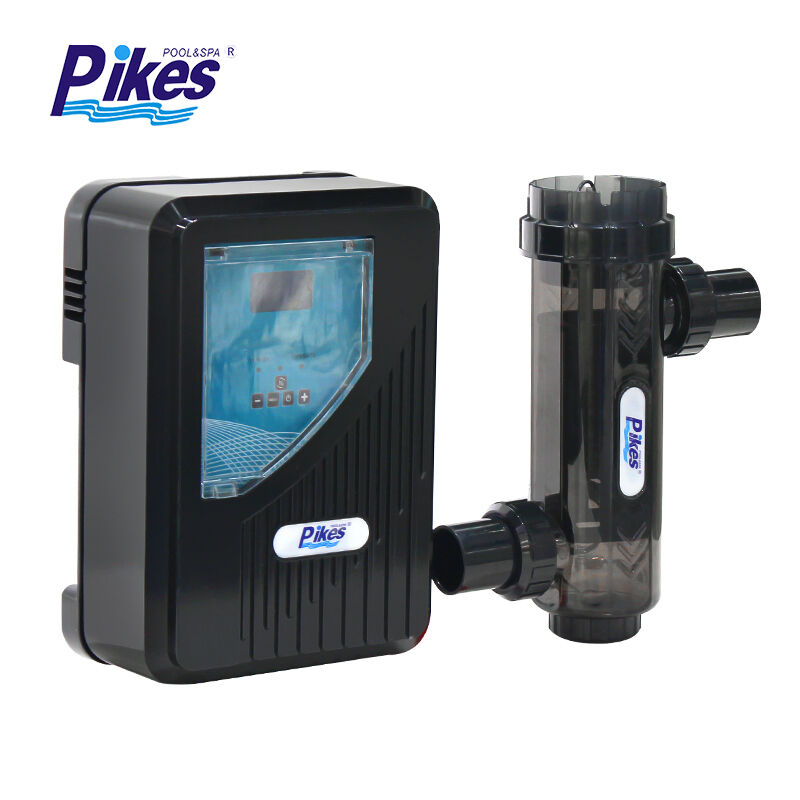
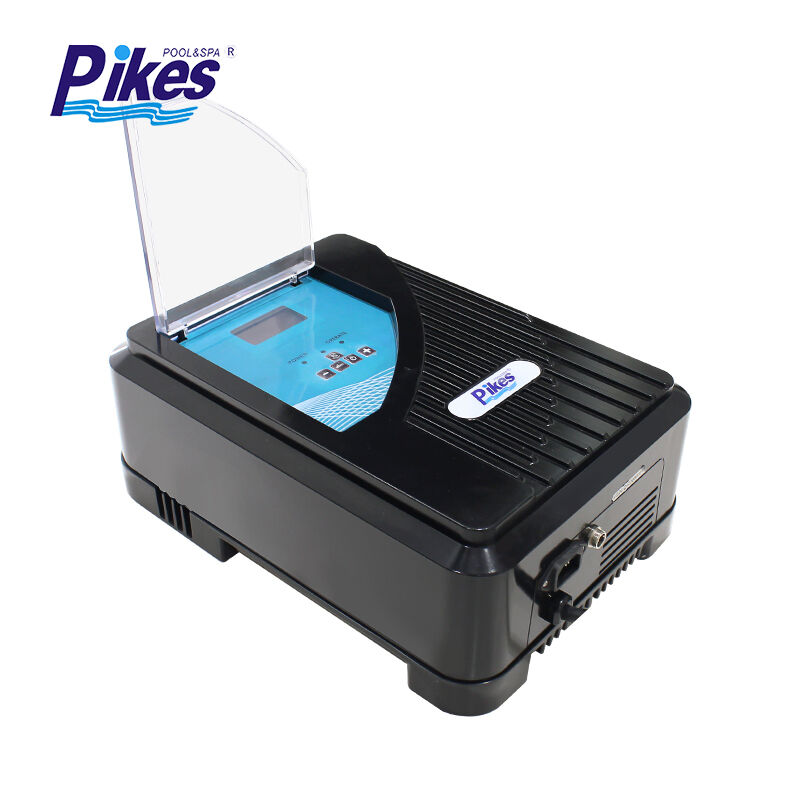
A salt chlorinator represents a revolutionary water sanitization system that transforms ordinary salt into chlorine through an advanced electrolytic process. This innovative pool maintenance solution eliminates the need for traditional chemical additives while providing consistent, automated water treatment. The salt chlorinator operates by passing salt water through an electrolytic cell containing titanium plates coated with precious metals like ruthenium or iridium. When electrical current flows through these plates, it splits salt molecules into sodium and chlorine, creating hypochlorous acid that effectively sanitizes pool water. The system continuously monitors chlorine levels and adjusts production accordingly, ensuring optimal water quality without manual intervention. Modern salt chlorinators feature sophisticated control panels with digital displays showing salt levels, chlorine output, and system status. These units integrate seamlessly with existing pool equipment and can be programmed for automatic operation based on pool usage patterns and seasonal requirements. The technology behind salt chlorinators has evolved significantly, incorporating smart sensors that detect water flow, temperature, and chemical balance. Many systems now offer remote monitoring capabilities through smartphone applications, allowing pool owners to manage their water quality from anywhere. The electrolytic cell design varies among manufacturers, with some featuring self-cleaning mechanisms that reverse polarity periodically to prevent calcium buildup. Salt chlorinators accommodate various pool sizes and types, from residential installations to large commercial facilities. The system requires pool-grade salt, typically sodium chloride with purity levels above 99 percent, added at concentrations between 2500 and 4000 parts per million. This salt concentration is significantly lower than ocean water, creating a comfortable swimming environment while providing effective sanitization. Advanced salt chlorinator models include additional features such as pH monitoring, oxidation reduction potential measurement, and integration with pool automation systems for comprehensive water management.
 ×
×


 EN
EN