
 EN
EN



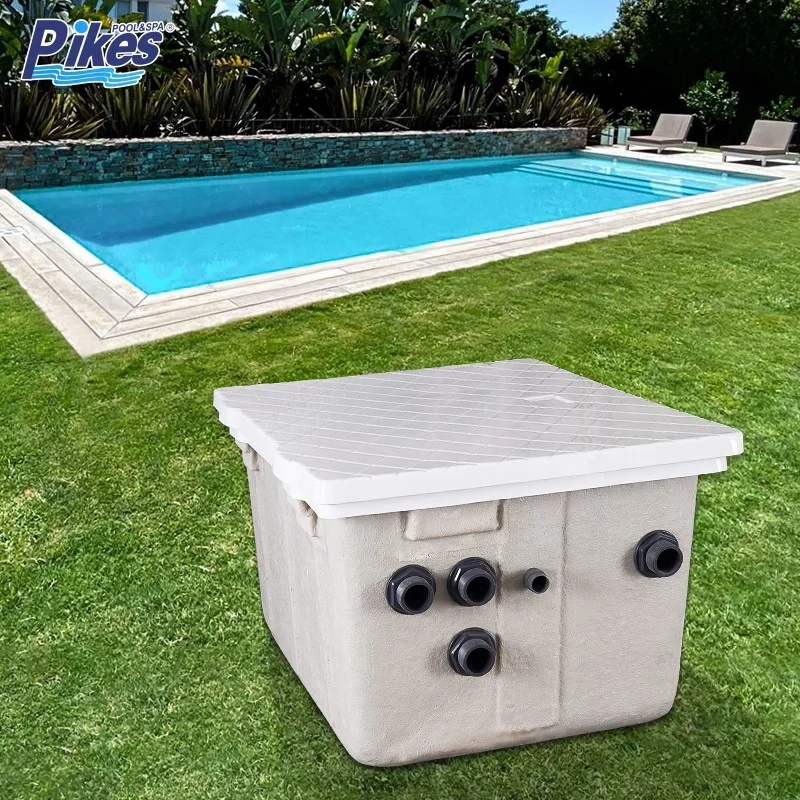
Maintaining clean, healthy pool water requires an effective filtration system, and selecting the right type of inground filter is fundamental to achieving optimal water quality. Inground filters serve as the backbone of pool sanitation by continuously removing debris, contaminants, and microscopic particles that can compromise water clarity and safety. Understanding the distinct categories of inground filters enables pool owners and facility managers to make informed decisions that align with their maintenance preferences, budget constraints, and water quality expectations. Each filtration technology offers unique advantages in terms of particle retention, operational efficiency, and long-term maintenance requirements.
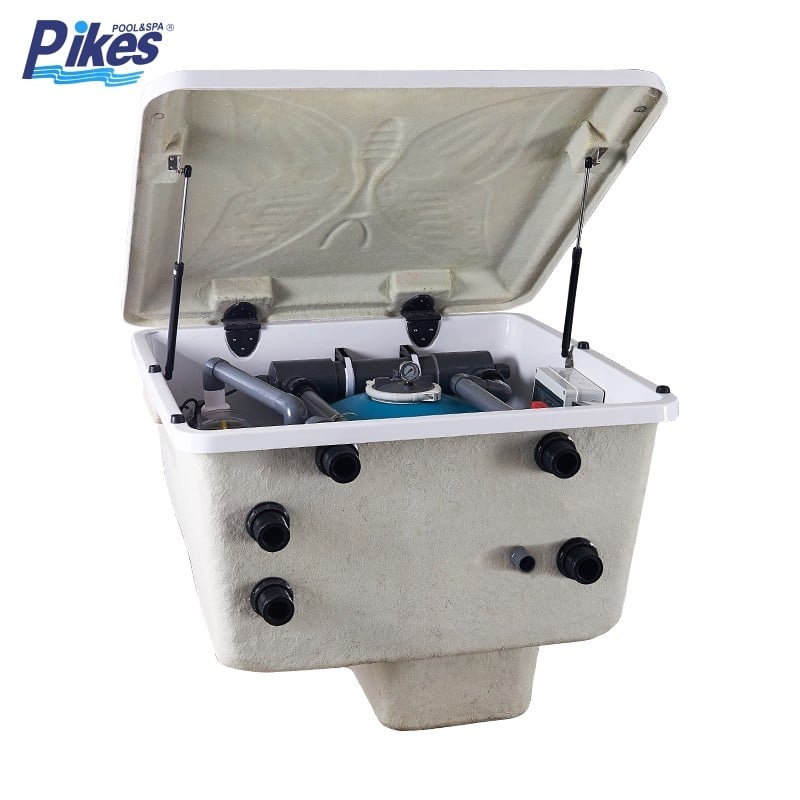
The primary types of inground filters include sand filters, cartridge filters, and diatomaceous earth filters, each employing different filtration media and operational mechanisms. Beyond these conventional categories, advanced systems such as pipeless filters and hybrid filtration solutions have emerged to address specific installation challenges and performance objectives. The choice among these inground filters depends on factors including pool size, bather load, surrounding environment, maintenance capabilities, and desired water clarity standards. This comprehensive exploration examines the structural characteristics, operational principles, and practical applications of each filter type to help you determine which filtration system best suits your specific pool environment.
Sand Filtration Systems for Inground Pools
Operational Mechanism of Sand Inground Filters
Sand inground filters represent the most traditional and widely adopted filtration technology in residential and commercial pool applications. These systems utilize specially graded silica sand as the filtration medium, typically employing sand particles ranging from 0.45 to 0.55 millimeters in diameter. Water enters the filter tank under pressure from the circulation pump and flows downward through the sand bed, where particles and contaminants become trapped within the spaces between sand grains. The filtered water then passes through lateral assemblies or underdrain systems at the tank bottom before returning to the pool through the return lines.
The filtration effectiveness of sand inground filters depends on the depth of the sand bed, typically ranging from 18 to 30 inches in residential applications. As water passes through multiple layers of sand, progressively smaller particles become trapped through a combination of mechanical straining and adhesive forces. Sand filters can effectively capture particles down to approximately 20 to 40 microns in size, which includes most visible debris, algae clusters, and larger suspended solids. The pressure gauge mounted on the filter tank provides real-time monitoring of system performance, with rising pressure indicating accumulated debris and the need for backwashing.
Maintenance Characteristics and Longevity
Sand inground filters require periodic backwashing to maintain optimal performance, a process that reverses water flow through the sand bed to flush accumulated debris out through the waste line. Most residential installations require backwashing every one to three weeks depending on bather load, environmental debris, and water chemistry conditions. The backwashing process typically takes five to ten minutes and consumes between 200 and 500 gallons of water per cycle, making water conservation an important consideration in drought-prone regions. Despite this water usage, sand filters remain popular due to their simplicity and minimal hands-on maintenance requirements.
The sand media in these inground filters typically requires complete replacement every five to seven years as the sand grains gradually lose their sharp edges and filtration effectiveness diminishes. This replacement interval represents one of the lowest maintenance burdens among filtration technologies, contributing to the long-term cost-effectiveness of sand filter systems. Modern high-rate sand filters incorporate design improvements such as self-cleaning underdrains, corrosion-resistant tank materials, and ergonomic multiport valves that simplify operation and extend system lifespan. These enhancements have solidified sand filtration as a reliable baseline technology suitable for pool owners seeking straightforward, proven performance.
Cartridge Filtration Technology
Structural Design and Filtration Process
Cartridge inground filters employ pleated fabric elements constructed from polyester, polypropylene, or specialty synthetic materials to capture waterborne contaminants. These cartridge elements feature a large surface area packed into a compact cylindrical or rectangular housing, allowing for efficient filtration without requiring backwashing infrastructure. Water flows through the cartridge media from the outside surface inward, with particles becoming trapped within the pleated fabric structure as clean water passes through to the center core and exits toward the return lines.
The filtration capacity of cartridge inground filters significantly exceeds that of sand systems, typically capturing particles as small as 10 to 15 microns with properly maintained elements. This superior particle retention translates to noticeably clearer water quality and reduced chemical demand, as the filter removes more organic material and fine particulates that would otherwise consume sanitizer. The increased surface area provided by pleated cartridge design allows these inground filters to operate at lower flow velocities, reducing hydraulic resistance and enabling energy-efficient operation with smaller circulation pumps. This efficiency advantage has made cartridge filtration increasingly popular among environmentally conscious pool owners.
Maintenance Requirements and Operational Considerations
Unlike sand inground filters, cartridge systems require manual cleaning rather than backwashing, a process that involves removing the cartridge elements from the tank housing and hosing them down to remove accumulated debris. Most installations require cartridge cleaning every two to six weeks depending on environmental conditions and pool usage patterns. This cleaning process eliminates the water waste associated with backwashing and allows for thorough inspection of the filter media condition. However, the manual labor involved represents a consideration for pool owners evaluating maintenance convenience versus water conservation priorities.
Cartridge elements for inground filters typically require replacement every two to four years depending on water chemistry, cleaning frequency, and manufacturing quality. Chemical cleaning with specialized filter cleaners becomes necessary several times per season to remove oils, lotions, and mineral deposits that embed within the fabric structure. Despite these periodic maintenance tasks, cartridge inground filters offer advantages in installations where backwash disposal presents challenges or where water conservation regulations restrict backwash discharge. The absence of multiport valves and backwash piping also simplifies installation and reduces potential leak points in the circulation system.
Diatomaceous Earth Filter Systems
Filtration Excellence Through Natural Media
Diatomaceous earth inground filters deliver the highest level of water clarity among conventional filtration technologies by utilizing fossilized remains of microscopic aquatic organisms called diatoms. This natural filtration media consists of porous silica structures with intricate internal geometries that trap particles as small as 3 to 5 microns, approaching the filtration capacity of commercial water treatment systems. The DE powder coats flexible fabric grids or rigid filter elements inside the tank housing, creating a precoat layer that serves as the actual filtration surface as water flows through the diatomaceous earth deposit.
The exceptional clarity achieved by DE inground filters makes them the preferred choice for applications demanding pristine water quality, including competitive swimming facilities, luxury residential pools, and commercial aquatic venues. The microscopic pore structure of diatomaceous earth captures bacteria, algae spores, and fine particulates that pass through other filtration technologies, significantly reducing the sanitizer demand and chemical consumption required to maintain safe water conditions. This filtration precision comes with increased operational complexity and maintenance requirements that pool operators must carefully consider against the water quality benefits.
Operational Complexity and Maintenance Protocols
DE inground filters require periodic backwashing similar to sand systems, but with the additional step of recharging the filter with fresh diatomaceous earth powder after each backwash cycle. This recharging process involves adding a predetermined quantity of DE powder through the skimmer, typically one pound per ten square feet of filter area, which then circulates through the system and recoats the filter grids. The need to handle and store DE powder represents a consideration for facilities with limited storage space or sensitivity to airborne particulates during the charging process.
The filter grids or elements within DE inground filters require annual disassembly and thorough cleaning to remove embedded debris and restore filtration performance. This maintenance procedure demands more technical skill and time investment compared to cartridge cleaning or sand replacement, making professional service a common choice for many pool owners. Despite these elevated maintenance requirements, facilities prioritizing maximum water clarity and willing to invest in operational excellence continue to select diatomaceous earth as their filtration technology. Modern DE filter designs incorporate improvements such as regenerative backwashing capabilities and bump-handle mechanisms that extend the interval between full disassembly procedures.
Advanced Pipeless and Integrated Filtration Solutions
Pipeless Inground Filter Innovation
Pipeless inground filters represent a significant evolution in pool filtration technology by integrating the filtration system directly into the pool structure rather than requiring separate equipment rooms and extensive underground plumbing. These systems feature self-contained filtration units that mount within the pool wall or floor, incorporating the pump, inground filters, and return mechanisms in a compact assembly. This integrated design eliminates the need for traditional pipe runs between the pool and remote equipment, dramatically simplifying installation and reducing construction costs while maintaining effective water circulation and filtration.
The operational principle of pipeless inground filters involves drawing water directly from the pool through integrated intake ports, passing it through the filtration media within the compact housing, and returning the cleaned water through strategically positioned outlets. This localized circulation pattern creates efficient water movement throughout the pool volume while minimizing hydraulic losses associated with long pipe runs. Pipeless systems particularly benefit retrofit installations, above-ground pool conversions to inground configurations, and sites where traditional equipment placement proves challenging due to space constraints or regulatory restrictions. The maintenance accessibility of these integrated inground filters varies by specific design but generally provides convenient access to filtration components without requiring separate equipment room entry.
Hybrid and Specialty Filtration Technologies
Hybrid inground filters combine multiple filtration technologies to leverage the advantages of different media types while mitigating individual limitations. Common hybrid configurations include sand filters with supplementary cartridge elements for enhanced particle retention, or DE systems with regenerative media that extends intervals between full recharging cycles. These combination systems appeal to pool owners seeking performance optimization beyond what single-technology inground filters can deliver, though they introduce additional complexity in maintenance procedures and component replacement scheduling.
Specialty inground filters address specific water quality challenges or operational requirements unique to certain pool environments. Glass media filters substitute crushed recycled glass for traditional sand, offering improved filtration efficiency and reduced backwash frequency. Zeolite media filters employ naturally occurring minerals with ion-exchange properties that capture ammonia and improve chlorine efficiency. Activated carbon filters integrate chemical adsorption capabilities to remove organic contaminants, chloramines, and odor-causing compounds. These specialized inground filters typically serve as supplementary systems rather than primary filtration solutions, enhancing overall water quality through targeted treatment of specific contaminants that conventional filters cannot effectively address.
Selection Criteria and Application Guidance
Matching Filter Type to Pool Characteristics
Selecting appropriate inground filters requires careful evaluation of pool volume, anticipated bather load, surrounding environment, and water quality expectations. Sand filters excel in high-volume commercial applications where simplicity and reliability outweigh the desire for maximum clarity, making them ideal for community pools, waterparks, and facilities with dedicated maintenance staff. Cartridge inground filters suit residential installations where water conservation matters and pool owners accept manual cleaning responsibilities in exchange for superior particle retention and energy efficiency. DE systems serve applications demanding exceptional clarity, including competitive swimming venues, luxury residential pools, and commercial facilities where water appearance directly impacts customer satisfaction.
Pool size influences filter selection through the relationship between required flow rate and available filtration technologies. Inground filters must complete full pool circulation within an appropriate turnover time, typically six to eight hours for residential pools and shorter intervals for commercial facilities. Larger pools may require multiple filter tanks operating in parallel to achieve adequate flow capacity, with sand and cartridge systems offering more flexibility in parallel configurations compared to DE filters. The hydraulic characteristics of the site, including pump sizing, pipe diameter, and elevation changes, also affect filter selection as different technologies present varying degrees of flow resistance that must be matched to circulation system capabilities.
Economic and Operational Considerations
Initial investment costs for inground filters vary significantly across technologies, with sand systems typically representing the most economical entry point, cartridge filters commanding moderate premiums, and DE systems requiring the highest initial expenditure. However, total cost of ownership analysis must consider ongoing maintenance expenses, replacement parts, water consumption, energy usage, and chemical savings over the expected system lifespan. Cartridge inground filters often demonstrate favorable long-term economics in water-scarce regions despite higher upfront costs, while sand filters may prove most cost-effective in areas with abundant water resources and minimal backwash disposal restrictions.
Operational complexity represents another critical selection factor, particularly for residential pool owners managing their own maintenance. Sand inground filters offer the simplest operation with minimal hands-on requirements beyond periodic backwashing and annual valve lubrication. Cartridge systems demand more frequent manual intervention but eliminate the need for backwash plumbing and valve manipulation. DE filters require the most operational attention with powder handling, precise recharging procedures, and periodic grid cleaning. Pool owners should honestly assess their maintenance commitment level and technical comfort before selecting filtration technology, as improper maintenance dramatically compromises performance regardless of the inherent capabilities of different inground filters.
FAQ
What is the main difference between sand and cartridge inground filters?
Sand inground filters use graded silica sand as the filtration medium and require backwashing to clean, while cartridge filters employ pleated fabric elements that are manually removed and hosed clean. Cartridge systems typically capture smaller particles ranging from 10 to 15 microns compared to sand filters at 20 to 40 microns, providing superior water clarity. Sand filters offer simpler operation with less manual handling, whereas cartridge inground filters conserve water by eliminating backwash requirements but demand more hands-on cleaning effort.
How often do different types of inground filters need maintenance?
Sand inground filters require backwashing every one to three weeks with complete media replacement every five to seven years. Cartridge filters need manual cleaning every two to six weeks with cartridge replacement every two to four years. Diatomaceous earth filters demand backwashing and recharging every few weeks with annual grid disassembly and cleaning. The specific maintenance frequency depends on pool usage intensity, environmental debris levels, and water chemistry conditions unique to each installation.
Can inground filters be upgraded or converted between types?
Converting between inground filter types typically requires replacing the entire filter tank and associated plumbing rather than simple component upgrades. The different operating pressures, flow characteristics, and connection configurations of sand, cartridge, and DE systems generally prevent direct conversion. However, upgrading within the same filter category, such as replacing an undersized sand filter with a larger capacity sand model, remains feasible with appropriate circulation system modifications. Pool owners considering filtration technology changes should evaluate whether the performance benefits justify complete system replacement costs.
Which type of inground filters work best for saltwater pools?
All major types of inground filters function effectively with saltwater chlorination systems when constructed from corrosion-resistant materials. Cartridge and DE filters particularly suit saltwater applications as they remove the fine salt residues and calcium deposits that can accelerate deterioration of metal components. Sand inground filters work well in saltwater pools but require more frequent monitoring of the multiport valve and internal components for corrosion. Regardless of filter type, saltwater pool systems benefit from tanks and hardware manufactured from polymer composites, fiberglass, or marine-grade stainless steel to ensure longevity in the mildly corrosive saltwater environment.