
 EN
EN


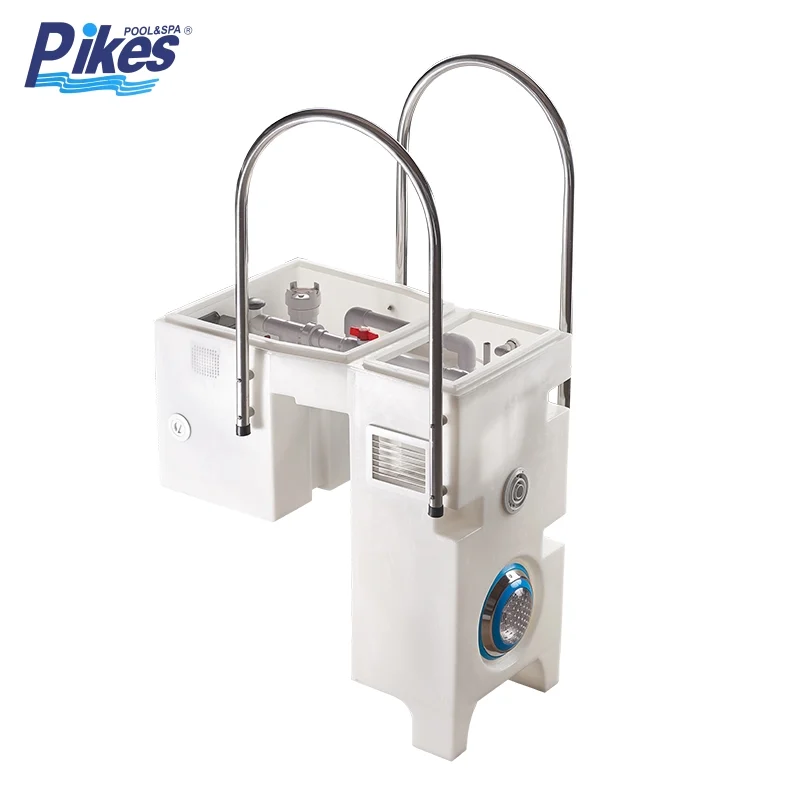
Selecting the appropriate wall-mounted filter for commercial pools requires careful consideration of multiple technical and operational factors that directly impact water quality, maintenance efficiency, and overall pool performance. Commercial aquatic facilities face unique challenges compared to residential installations, including higher bather loads, extended operating hours, and strict health department regulations that demand superior filtration capabilities.
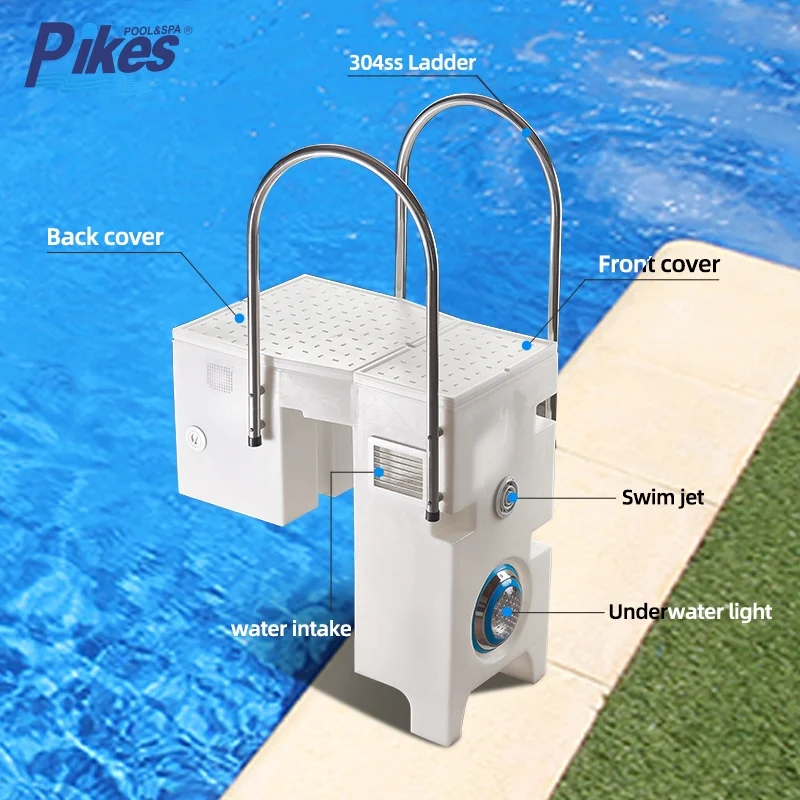
The decision-making process for commercial pool filtration systems involves analyzing pool volume, anticipated usage patterns, space constraints, and long-term operational costs. A properly selected wall-mounted filter system ensures consistent water clarity, reduces chemical consumption, minimizes downtime, and provides the reliability that commercial pool operators require to maintain safe swimming environments for their patrons.
Understanding Commercial Pool Filtration Requirements
Flow Rate Calculations and Sizing
Commercial pools require precise flow rate calculations to ensure adequate water circulation and filtration. The industry standard mandates that the entire pool volume should be filtered every six hours for most commercial applications, though high-use facilities may require four-hour turnover rates. When selecting a wall-mounted filter, calculate the required flow rate by dividing pool volume by the desired turnover time in hours.
For example, a 50,000-gallon commercial pool with a six-hour turnover requirement needs a filtration system capable of handling approximately 139 gallons per minute. The wall-mounted filter must accommodate this flow rate while maintaining optimal filtration efficiency without creating excessive pressure drop or energy consumption.
Consider peak usage scenarios when determining sizing requirements. Commercial pools often experience periods of maximum capacity that stress filtration systems beyond normal operating parameters. A properly sized wall-mounted filter should handle these peak loads while maintaining water quality standards throughout high-demand periods.
Regulatory Compliance and Standards
Commercial pool installations must comply with local health department regulations, building codes, and industry standards that govern filtration system performance. Many jurisdictions require specific filtration rates, backup systems, and monitoring capabilities that influence wall-mounted filter selection. Research applicable regulations in your area before finalizing equipment specifications.
The Association of Pool and Spa Professionals (APSP) and National Swimming Pool Foundation (NSPF) provide comprehensive guidelines for commercial pool filtration systems. These standards address minimum filtration rates, equipment durability requirements, and safety protocols that directly impact wall-mounted filter specifications and installation procedures.
Accessibility requirements under the Americans with Disabilities Act may also influence wall-mounted filter placement and design choices. Ensure that selected filtration equipment allows for proper maintenance access while meeting all applicable regulatory requirements for commercial pool facilities.
Technical Specifications and Performance Criteria
Filtration Media Options
Wall-mounted filter systems for commercial pools typically utilize one of three primary filtration media types: sand, cartridge, or diatomaceous earth. Each option offers distinct advantages and limitations that affect maintenance requirements, filtration efficiency, and operational costs. Sand filters provide reliable operation with minimal maintenance but offer limited fine particle removal capabilities.
Cartridge-based wall-mounted filter systems excel at removing fine particles and contaminants but require more frequent cleaning and replacement cycles. These systems often provide superior water clarity in commercial applications where appearance is critical. Consider the labor costs associated with cartridge maintenance when evaluating total cost of ownership.
Diatomaceous earth (DE) filters offer the finest filtration capabilities but require specialized handling procedures and disposal considerations. While DE systems provide exceptional water clarity, they may not be suitable for all commercial pool operations due to maintenance complexity and regulatory restrictions on DE disposal in some areas.
Pressure and Flow Characteristics
Commercial wall-mounted filter systems must operate within specific pressure ranges to maintain optimal performance and equipment longevity. Monitor clean starting pressure and establish maximum operating pressure limits based on manufacturer specifications and local code requirements. Excessive pressure can damage filter media and reduce system efficiency.
Flow distribution within the wall-mounted filter directly impacts filtration effectiveness and media life. Look for systems that incorporate internal flow distribution mechanisms to ensure even media utilization and prevent channeling that can compromise filtration performance.
Backwash capabilities are essential for maintaining commercial wall-mounted filter performance. Systems should provide adequate backwash flow rates to effectively clean filter media and remove accumulated contaminants. Consider water usage and disposal requirements when evaluating backwash specifications for commercial applications.
Installation Considerations and Space Requirements
Structural Support and Mounting
Wall-mounted filter installations require adequate structural support to handle the weight of the filter vessel, water, and media when fully loaded. Commercial-grade wall-mounted filter systems can weigh several hundred pounds when operational, necessitating proper wall reinforcement and mounting hardware specifications.
Consult with structural engineers to verify wall capacity and mounting requirements for large commercial wall-mounted filter systems. Concrete block or poured concrete walls typically provide the best support for heavy filtration equipment, while steel frame construction may require additional reinforcement or alternative mounting strategies.
Consider vibration isolation and noise control measures when planning wall-mounted filter installations in commercial facilities. These systems can generate significant vibration and noise during operation and backwash cycles that may require damping solutions to prevent structural damage or noise complaints.
Accessibility and Maintenance Access
Commercial pool operators require convenient access to wall-mounted filter systems for routine maintenance, media changes, and troubleshooting procedures. Plan installation locations that provide adequate clearance for maintenance activities while meeting safety requirements and local code provisions.
Consider the logistics of media replacement and disposal when selecting wall-mounted filter locations. Large commercial systems may require significant quantities of filter media that must be transported to and from the installation site. Ensure that access routes can accommodate maintenance vehicles and equipment as needed.
Emergency shutdown and isolation procedures are critical considerations for commercial wall-mounted filter installations. Systems should include readily accessible isolation valves, electrical disconnects, and bypass capabilities that allow for rapid response to equipment failures or maintenance emergencies.
Cost Analysis and Long-Term Value
Initial Investment Considerations
Commercial wall-mounted filter systems represent significant capital investments that require careful financial analysis to ensure optimal value. Compare initial equipment costs, installation expenses, and ancillary system requirements across different filter technologies and manufacturers to develop comprehensive cost projections.
Installation costs for wall-mounted filter systems vary considerably based on site conditions, structural requirements, and local labor rates. Factor in potential costs for wall reinforcement, electrical upgrades, plumbing modifications, and regulatory compliance measures when developing project budgets.
Consider financing options and equipment warranties when evaluating wall-mounted filter investments for commercial pools. Many manufacturers offer extended warranty programs and financing arrangements that can improve project economics and reduce financial risk for commercial pool operators.
Operating Cost Evaluation
Energy consumption represents a major ongoing cost component for commercial wall-mounted filter systems. Evaluate pump energy requirements, motor efficiency ratings, and variable frequency drive compatibility to minimize long-term electrical costs. High-efficiency systems may justify premium initial costs through reduced operating expenses.
Media replacement costs and maintenance labor requirements significantly impact total cost of ownership for commercial wall-mounted filter installations. Develop realistic projections for filter cleaning frequencies, media replacement schedules, and associated labor costs based on expected pool usage patterns and water quality conditions.
Water and chemical consumption associated with backwash cycles can represent substantial ongoing expenses for commercial pool operations. Systems with extended filter runs and efficient backwash procedures reduce these operational costs while maintaining superior water quality standards.
System Integration and Compatibility
Automation and Control Systems
Modern commercial pools benefit from automated control systems that monitor and manage wall-mounted filter performance. Integration capabilities with existing pool automation equipment, chemical feed systems, and monitoring devices should be evaluated when selecting filtration equipment for commercial applications.
Remote monitoring and diagnostic capabilities allow commercial pool operators to track wall-mounted filter performance, schedule maintenance activities, and respond quickly to system alarms or performance issues. These features are particularly valuable for facilities with multiple pools or limited on-site maintenance staff.
Programmable backwash cycles and automatic pressure monitoring help optimize commercial wall-mounted filter performance while reducing manual oversight requirements. These automation features improve system reliability and ensure consistent filtration performance throughout varying operational conditions.
Chemical Feed and Water Treatment Coordination
Wall-mounted filter systems must coordinate effectively with chemical feed equipment and water treatment systems to maintain proper water balance and sanitation levels. Consider chemical injection points, mixing requirements, and residence time factors when planning integrated commercial pool systems.
Ozone and UV treatment systems may require specific considerations for wall-mounted filter media compatibility and system design. Some filter media types can be damaged by high oxidation levels, while others may actually benefit from pre-oxidation treatment for improved contaminant removal.
Salt chlorine generators and other alternative sanitization systems may influence wall-mounted filter selection and maintenance procedures. Ensure compatibility between filtration equipment and planned chemical treatment systems to avoid performance issues or premature equipment failure.
FAQ
What flow rate should I target for a commercial wall-mounted filter system?
Commercial pools typically require turnover rates between four to six hours, meaning the wall-mounted filter should process the entire pool volume within this timeframe. Calculate the required flow rate by dividing total pool gallons by desired turnover hours, then add 10-20% capacity for peak usage periods and system degradation over time.
How often does a commercial wall-mounted filter require maintenance?
Maintenance frequency depends on bather load, environmental conditions, and filter media type. Sand-based wall-mounted filter systems typically require backwashing every 1-2 weeks, while cartridge systems may need cleaning every 2-4 weeks. Monitor pressure differential across the filter to determine optimal maintenance intervals for your specific installation.
Can wall-mounted filter systems handle high-chlorine environments in commercial pools?
Quality commercial wall-mounted filter systems are designed to withstand typical chlorine levels found in commercial pools. However, extremely high chlorine concentrations or shock treatments may require temporary system shutdown or media replacement. Choose filter materials rated for commercial chemical environments and follow manufacturer guidelines for chemical compatibility.
What backup filtration options should be considered for commercial installations?
Commercial pools should incorporate redundant filtration capacity through multiple wall-mounted filter units, bypass capabilities, or emergency filtration systems. Many facilities install parallel wall-mounted filter systems that can operate independently, allowing continued operation during maintenance or equipment failure of one unit while maintaining adequate water quality.
Table of Contents
- Understanding Commercial Pool Filtration Requirements
- Technical Specifications and Performance Criteria
- Installation Considerations and Space Requirements
- Cost Analysis and Long-Term Value
- System Integration and Compatibility
-
FAQ
- What flow rate should I target for a commercial wall-mounted filter system?
- How often does a commercial wall-mounted filter require maintenance?
- Can wall-mounted filter systems handle high-chlorine environments in commercial pools?
- What backup filtration options should be considered for commercial installations?