
 EN
EN


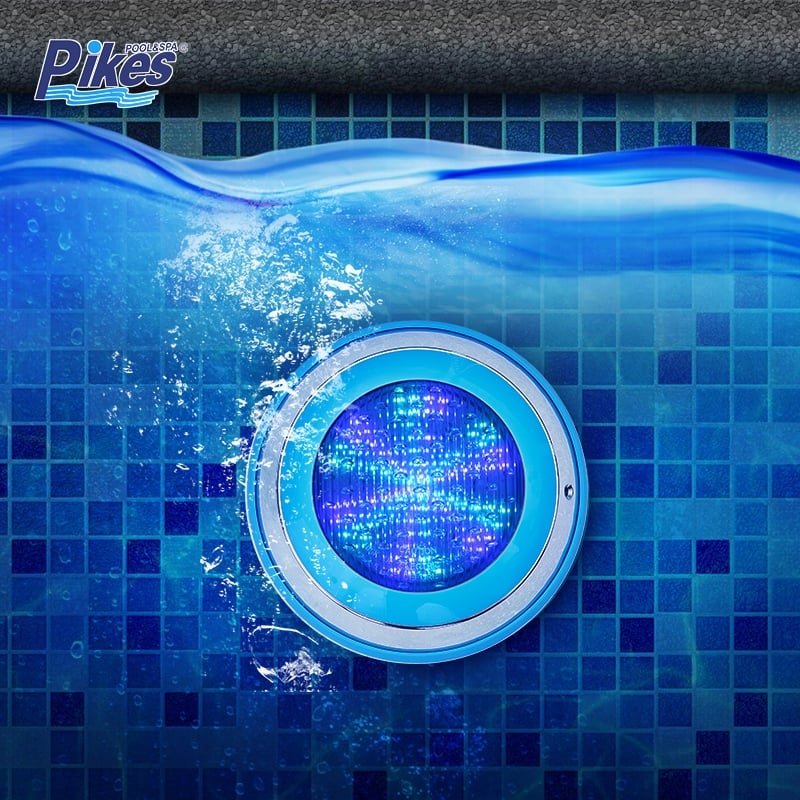
The pool equipment industry has witnessed remarkable transformation in recent years, with lighting solutions evolving from basic illumination to sophisticated color-changing systems that enhance aesthetic appeal and user experience. For pool equipment brands seeking to expand their product portfolios or enhance existing offerings, partnering with specialized OEM RGB underwater light manufacturers represents a strategic pathway to market competitiveness. This manufacturing relationship enables brands to leverage established production expertise, regulatory compliance frameworks, and technological innovation without the capital-intensive burden of developing manufacturing capabilities from scratch. Understanding the nuances of OEM RGB underwater light manufacturing becomes essential for brands aiming to deliver premium lighting solutions that meet evolving consumer expectations while maintaining profitability and market positioning.
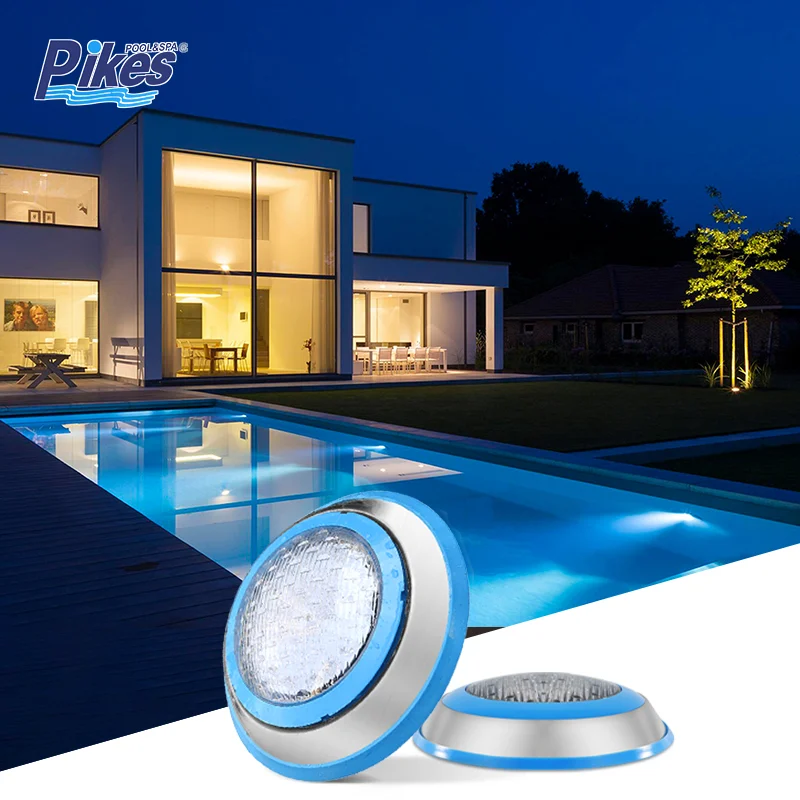
The decision to pursue OEM manufacturing for RGB underwater lighting systems involves multiple strategic considerations that extend beyond simple cost calculations. Pool equipment brands must evaluate manufacturing partners based on technical capabilities, quality assurance protocols, intellectual property protection measures, and the ability to scale production according to market demand fluctuations. The OEM RGB underwater light manufacturing landscape encompasses diverse specialization levels, from manufacturers focused exclusively on lighting components to integrated solution providers offering complete system design and assembly services. Successful partnerships in this domain require alignment between brand requirements and manufacturer capabilities, ensuring that the final product reflects brand identity while meeting rigorous performance and safety standards essential for underwater applications in residential and commercial pool environments.
Strategic Value of OEM RGB Underwater Light Manufacturing Partnerships
Capital Efficiency and Market Entry Acceleration
Pool equipment brands pursuing OEM RGB underwater light manufacturing partnerships gain immediate access to established production infrastructure without the substantial capital investment required for facility development, specialized equipment acquisition, and technical workforce recruitment. Manufacturing underwater lighting systems demands specialized equipment including automated LED mounting machines, waterproof sealing stations, optical testing chambers, and environmental simulation facilities that collectively represent millions in capital expenditure. By leveraging OEM manufacturing relationships, brands redirect financial resources toward market development, brand building, and customer relationship management activities that directly influence revenue generation and market share expansion.
The acceleration of market entry represents another critical advantage inherent in OEM RGB underwater light manufacturing arrangements. Developing internal manufacturing capabilities typically requires eighteen to thirty-six months from initial planning through production qualification, during which market opportunities may shift and competitive advantages erode. OEM manufacturers with established production lines and validated processes can transition from concept approval to commercial production within three to six months, enabling brands to capitalize on market trends, seasonal demand patterns, and emerging design preferences. This temporal efficiency proves particularly valuable in the pool equipment sector where product refresh cycles and seasonal purchasing patterns create defined windows of opportunity for new product introductions.
Technical Expertise and Innovation Access
Specialized OEM RGB underwater light manufacturers accumulate technical knowledge through continuous production experience, iterative design refinement, and resolution of field performance issues across diverse installation environments. This accumulated expertise encompasses optical design optimization for underwater color rendering, thermal management strategies for LED longevity, materials selection for corrosion resistance in chemically treated water, and electronic circuit protection against moisture infiltration. Pool equipment brands partnering with experienced OEM manufacturers effectively import this technical knowledge, avoiding the costly trial-and-error learning curve associated with independent development while benefiting from proven design solutions and manufacturing processes.
Innovation access through OEM RGB underwater light manufacturing relationships extends beyond current production capabilities to include emerging technologies and design methodologies. Leading manufacturers invest in research and development activities focused on next-generation LED technologies, advanced control systems, wireless communication protocols, and energy efficiency improvements. These development investments, distributed across multiple client relationships, provide individual brands with access to innovation that would be economically prohibitive to pursue independently. The collaborative nature of OEM relationships often facilitates customization of emerging technologies to specific brand requirements, creating differentiated products that combine cutting-edge capabilities with brand-specific features and market positioning strategies.
Regulatory Compliance and Quality Assurance
The underwater lighting industry operates under stringent regulatory frameworks governing electrical safety, water ingress protection, electromagnetic compatibility, and environmental compliance. These regulatory requirements vary across geographical markets, with certifications such as UL, CE, IP68 rating verification, and energy efficiency standards presenting complex compliance challenges. Established OEM RGB underwater light manufacturers maintain comprehensive certification portfolios and established relationships with testing laboratories, enabling rapid product qualification for target markets. This regulatory infrastructure represents significant value for pool equipment brands, particularly those expanding into international markets where certification requirements may differ substantially from domestic standards.
Quality assurance systems within OEM RGB underwater light manufacturing facilities provide brands with confidence in product reliability and performance consistency. Professional manufacturers implement structured quality management systems encompassing incoming material inspection, in-process verification, final product testing, and field performance monitoring. These systems typically include specific testing protocols for underwater lighting applications such as hydrostatic pressure testing, thermal cycling under water immersion, chemical resistance verification, and long-term color stability assessment. Brands leveraging OEM manufacturing relationships inherit these quality assurance capabilities, reducing warranty exposure and protecting brand reputation through consistent product performance across production batches and market deployments.
Technical Considerations in OEM RGB Underwater Light Manufacturing
Optical Performance and Color Rendering Requirements
The optical performance of RGB underwater lighting systems directly influences customer satisfaction and brand perception, making specification and verification of these characteristics essential in OEM manufacturing relationships. RGB color generation relies on precise intensity control of red, green, and blue LED elements to achieve desired color outputs across the visible spectrum. OEM RGB underwater light manufacturers must demonstrate capability in color calibration, ensuring consistent color reproduction across production units and maintaining color accuracy throughout the product lifecycle. Pool equipment brands should establish specific color rendering requirements including color temperature ranges, color mixing uniformity, and luminous intensity specifications that align with brand positioning and target market expectations.
Underwater optical considerations introduce additional complexity beyond standard lighting applications due to water's absorption and scattering characteristics that vary with chemical composition, temperature, and clarity. Effective OEM RGB underwater light designs compensate for these environmental factors through optical engineering that accounts for beam angle optimization, lens material selection for minimal optical distortion, and intensity calibration that considers typical installation depths and water conditions. Brands must work collaboratively with OEM manufacturers to define performance specifications that reflect actual installation environments rather than laboratory test conditions, ensuring that marketed performance claims accurately represent customer experience across diverse pool configurations and water maintenance practices.
Waterproofing and Environmental Protection Standards
The integrity of waterproofing systems represents the most critical technical requirement in OEM RGB underwater light manufacturing, as moisture infiltration leads to immediate electrical failure, corrosion, and potential safety hazards. Professional manufacturers employ multiple protection strategies including precision-molded housings with integrated sealing surfaces, compression gaskets manufactured from chemically resistant elastomers, potted electronic assemblies that encapsulate sensitive components, and pressure-compensated designs that eliminate differential pressure across sealing surfaces. Pool equipment brands must verify that OEM manufacturing partners implement comprehensive waterproofing validation including submersion testing at pressures exceeding maximum installation depths, thermal shock testing that simulates temperature cycling between operating and ambient conditions, and chemical exposure testing using typical pool sanitization agents.
Environmental protection extends beyond water ingress to encompass corrosion resistance, UV stability, and mechanical impact resistance that determine long-term reliability in pool environments. OEM RGB underwater light housings typically utilize materials such as marine-grade stainless steel, bronze alloys, or engineered polymers selected for specific corrosion resistance and structural properties. Surface treatments and protective coatings provide additional protection against chemical attack from chlorine, bromine, salt, and pH variation common in pool water. Brands should establish material specifications and environmental testing protocols with OEM manufacturers that reflect worst-case exposure scenarios, ensuring product longevity across diverse installation environments and maintenance practices that may deviate from ideal recommendations.
Thermal Management and LED Longevity
Thermal management in underwater lighting applications presents unique challenges and advantages compared to air-cooled lighting systems. Water provides superior heat transfer compared to air, enabling more compact designs and higher luminous outputs for given LED junction temperatures. However, OEM RGB underwater light designs must account for reduced cooling effectiveness when lights operate above water surface during pool drainage or maintenance activities. Effective thermal management strategies include aluminum or copper heat sink integration that conducts heat from LED junctions to housing exterior surfaces, thermal interface materials that minimize thermal resistance in heat transfer paths, and operating current limitations that maintain LED junction temperatures within manufacturer specifications under all anticipated operating conditions.
LED longevity in RGB underwater lighting systems directly correlates with thermal management effectiveness, as junction temperature represents the primary determinant of LED degradation rate and color shift over operational lifetime. Pool equipment brands should establish minimum lifetime expectations with OEM RGB underwater light manufacturers, typically specified as hours to seventy percent of initial luminous output under defined operating conditions. These specifications should account for LED binning practices that ensure color consistency across production batches, drive current optimization that balances luminous output with thermal stress, and accelerated lifetime testing that validates projected performance under representative thermal cycling and continuous operation scenarios. Brands positioned in premium market segments may specify enhanced LED components, oversized thermal management systems, or reduced operating currents that extend operational lifetime beyond standard industry expectations.
Supply Chain and Production Management in OEM Relationships
Component Sourcing and Supply Chain Stability
The stability and reliability of component supply chains significantly influence production consistency and cost predictability in OEM RGB underwater light manufacturing. LED components represent the highest-value materials in lighting assembly, with pricing subject to market fluctuations, technology transitions, and supplier allocation policies during periods of industry-wide demand surges. Established OEM manufacturers typically maintain strategic relationships with multiple LED suppliers, enabling component sourcing flexibility and negotiated pricing advantages through volume purchasing across their client base. Pool equipment brands benefit from this purchasing leverage while avoiding the supplier relationship management and volume commitment requirements necessary to secure favorable component pricing independently.
Supply chain transparency becomes increasingly important as brands seek to understand total product cost structures, identify vulnerability to component availability disruptions, and assess opportunities for value engineering. Leading OEM RGB underwater light manufacturers provide detailed bill-of-materials documentation, component sourcing disclosure, and regular market intelligence regarding component pricing trends and availability constraints. This transparency enables collaborative planning around component substitutions, design modifications that accommodate component availability, and inventory positioning strategies that buffer against supply disruptions. Brands should establish clear communication protocols with OEM manufacturing partners regarding supply chain visibility, including advance notification of component changes, participation in value engineering initiatives, and shared risk management for critical component categories subject to allocation or obsolescence.
Production Scalability and Capacity Planning
The ability of OEM manufacturers to scale production in response to demand variations represents a critical consideration for pool equipment brands experiencing seasonal sales patterns or rapid market growth. RGB underwater lighting demand typically exhibits pronounced seasonality correlated with pool construction activity and renovation projects, creating production volume fluctuations that challenge manufacturing efficiency and capacity utilization. Professional OEM RGB underwater light manufacturers implement flexible production systems that accommodate volume variations through workforce flexibility, equipment utilization optimization, and production scheduling coordination across multiple client programs. Brands should assess manufacturer capacity planning approaches, including dedicated versus shared production resources, lead time commitments across different volume scenarios, and surge capacity availability during peak demand periods.
Long-term production scalability considerations extend beyond seasonal fluctuations to encompass sustained growth scenarios as brands expand market share or enter new geographical markets. OEM manufacturing agreements should address capacity expansion mechanisms, including capital investment responsibilities, minimum volume commitments that justify capacity additions, and transition planning if production volumes exceed manufacturer capabilities. Transparent capacity planning enables brands to align marketing investments, channel development activities, and inventory positioning strategies with realistic production capabilities, avoiding stockout situations that damage customer relationships and competitive positioning. Collaborative capacity planning also identifies opportunities for brands to support manufacturer investments through volume commitments or advance payments that justify expansion ahead of confirmed order volumes.
Quality Control and Production Monitoring Systems
Comprehensive quality control systems in OEM RGB underwater light manufacturing facilities provide brands with confidence in product consistency and enable rapid identification of production anomalies before they result in field failures. Multi-stage inspection protocols typically include incoming material verification against specifications, in-process testing at critical assembly stages, and final product validation encompassing electrical performance, optical output, waterproof integrity, and aesthetic quality. Leading manufacturers implement statistical process control methodologies that monitor key production parameters, identify process drift before it produces out-of-specification products, and drive continuous improvement initiatives that enhance manufacturing efficiency and product quality simultaneously.
Production monitoring transparency represents an increasingly important aspect of OEM relationships, with brands seeking real-time visibility into production status, quality metrics, and potential delivery schedule impacts. Advanced OEM RGB underwater light manufacturers provide clients with digital access to production dashboards displaying current production quantities, quality test results, component availability status, and shipment scheduling information. This transparency enables proactive inventory management, customer communication regarding delivery expectations, and rapid response to quality issues or production disruptions. Brands should establish clear quality metrics and reporting protocols with OEM manufacturing partners, including definitions of acceptable quality levels, responsibilities for non-conforming product disposition, and continuous improvement expectations that drive year-over-year quality enhancement.
Customization and Brand Differentiation Strategies
Design Customization Capabilities and Limitations
The degree of design customization available through OEM RGB underwater light manufacturing relationships varies significantly based on manufacturer capabilities, production volume economics, and technical complexity of requested modifications. Cosmetic customization represents the most accessible differentiation strategy, including housing color variations, lens finish options, trim ring designs, and brand logo integration that create visual distinction without fundamental engineering changes. These modifications typically involve minimal tooling investment and can be implemented with modest production volume commitments, making them attractive for brands seeking cost-effective product differentiation. Pool equipment brands should work with OEM manufacturers to identify customization opportunities that enhance brand recognition and align with overall product line aesthetics while maintaining manufacturing efficiency.
Functional customization in OEM RGB underwater light manufacturing encompasses modifications to optical performance, control system features, physical dimensions, and mounting configurations that address specific market segment requirements or enable integration with proprietary pool control systems. These customizations typically require engineering investment including optical design analysis, circuit redesign, tooling modifications, and regulatory re-certification depending on the scope of changes. Brands considering functional customization should evaluate the business case including development cost allocation, minimum production volumes necessary to amortize customization investments, and market differentiation value relative to available standard products. Collaborative development approaches where brands and OEM manufacturers share customization costs and resulting intellectual property often provide optimal economic outcomes while creating defensible product differentiation.
Intellectual Property Protection and Proprietary Design Elements
Intellectual property considerations in OEM RGB underwater light manufacturing relationships require careful attention to ownership rights, confidentiality obligations, and protection mechanisms for proprietary design elements contributed by either party. Manufacturing agreements should clearly delineate ownership of pre-existing intellectual property, jointly developed innovations, and product-specific designs created during the collaboration. Brands typically retain ownership of distinctive design elements, brand identifiers, and proprietary control system interfaces, while manufacturers maintain rights to manufacturing processes, component specifications, and general design methodologies applicable across multiple client programs. Clear intellectual property frameworks prevent disputes and enable both parties to leverage the relationship for mutual benefit without constraining future business development opportunities.
Protection of proprietary design elements in OEM manufacturing contexts extends beyond formal intellectual property rights to encompass operational safeguards preventing unauthorized disclosure or competitive use of confidential information. Professional OEM RGB underwater light manufacturers implement physical and procedural controls including segregated production areas for proprietary designs, restricted access to sensitive specifications, and employee confidentiality agreements that protect client information. Brands should assess manufacturer information security practices including digital file protection, supplier communication protocols that prevent inadvertent disclosure, and client segregation practices that prevent cross-contamination of proprietary design elements between competing brands. These operational safeguards complement legal protections and provide practical assurance that proprietary investments remain protected throughout the manufacturing relationship.
Control System Integration and Smart Pool Compatibility
The integration of RGB underwater lighting with comprehensive pool control systems represents an increasingly important differentiation opportunity as smart home technology adoption expands into pool equipment markets. Pool equipment brands with established control system platforms can leverage OEM RGB underwater light manufacturing relationships to develop lighting products with native compatibility, creating seamless user experiences and ecosystem value that encourages customer loyalty. Technical integration considerations include communication protocol compatibility, control command standardization, power supply coordination, and user interface consistency across device types. Brands should engage OEM manufacturers early in control system development to ensure lighting products support planned connectivity features and maintain compatibility as control platforms evolve.
Third-party control system compatibility presents both opportunities and challenges in OEM RGB underwater light product development. Supporting popular smart home platforms and pool control protocols expands addressable market segments and enhances product appeal to technology-oriented customers. However, maintaining compatibility across multiple control ecosystems increases development complexity, testing requirements, and ongoing maintenance obligations as control platforms release updates. Brands must balance compatibility breadth with resource constraints and strategic positioning, potentially prioritizing control systems aligned with target customer demographics or geographic markets. OEM manufacturers with experience across multiple control system integrations provide valuable guidance regarding development complexity, certification requirements, and market adoption patterns that inform strategic compatibility decisions.
Economic Modeling and Partnership Structuring
Cost Structure Analysis and Pricing Strategy Development
Understanding the comprehensive cost structure of OEM RGB underwater light manufacturing enables brands to develop sustainable pricing strategies that support market positioning objectives while maintaining profitability targets. Direct manufacturing costs including materials, labor, and factory overhead typically represent fifty to sixty-five percent of OEM pricing, with specific proportions influenced by automation levels, production volumes, and design complexity. Component costs dominate material expenses, with LED elements, driver electronics, and housing materials comprising the majority of bill-of-materials value. Pool equipment brands should request detailed cost breakdowns from OEM manufacturers, enabling identification of cost reduction opportunities through design optimization, alternative component selection, or production volume increases that improve manufacturing efficiency.
Indirect costs in OEM RGB underwater light manufacturing relationships include development expenses, tooling investments, quality assurance infrastructure, regulatory certification fees, and logistics costs that collectively influence total product cost beyond per-unit manufacturing expenses. These costs exhibit different scaling characteristics, with some amortized across production volumes and others representing fixed investments regardless of quantity produced. Brands should model total cost of ownership across realistic production volume scenarios, identifying break-even quantities, volume thresholds where unit costs decrease substantially, and sensitivity to demand variations. This economic modeling informs minimum order quantity negotiations, inventory positioning strategies, and pricing architecture development that balances competitive market pricing with profitability objectives across different sales volume outcomes.
Contract Structures and Risk Allocation Mechanisms
OEM manufacturing agreements for RGB underwater lighting products should explicitly address risk allocation across multiple dimensions including component price volatility, production quality issues, delivery schedule adherence, and intellectual property disputes. Component price fluctuation represents a significant economic risk in electronics manufacturing, with LED and semiconductor pricing subject to market dynamics beyond either party's control. Contract structures may address this risk through fixed pricing for defined periods, price adjustment mechanisms tied to component market indices, or shared risk arrangements where brands and manufacturers split price variations. The optimal approach depends on volume predictability, market volatility expectations, and relative risk tolerance between parties, with larger brands often preferring price stability while smaller manufacturers may require protection against adverse component price movements.
Quality assurance responsibilities and warranty obligations require clear definition in OEM RGB underwater light manufacturing agreements to prevent disputes and establish accountability for product performance issues. Typical arrangements assign manufacturing defect responsibility to the OEM manufacturer for a defined warranty period, while brands assume responsibility for design adequacy, application suitability, and customer satisfaction beyond manufacturing conformance. These arrangements should specify quality metrics, acceptable defect rates, remediation processes for non-conforming products, and financial responsibility for field failures including replacement costs, labor expenses, and consequential damages. Balanced warranty structures provide manufacturers with incentive to maintain quality while protecting brands from excessive warranty exposure that damages profitability and customer relationships. Collaborative problem-solving approaches that focus on root cause identification and corrective action implementation rather than fault assignment typically produce superior long-term outcomes for both parties.
Long-Term Partnership Development and Strategic Alignment
Successful OEM RGB underwater light manufacturing relationships evolve beyond transactional supplier interactions toward strategic partnerships characterized by mutual investment, shared development initiatives, and aligned long-term objectives. This evolution requires intentional relationship development including regular business reviews, joint planning sessions, and transparency regarding market strategies and product roadmaps. Brands that share market intelligence, customer feedback, and competitive dynamics enable OEM manufacturers to anticipate requirements, propose proactive improvements, and align capacity investments with brand growth trajectories. Reciprocally, manufacturers that provide visibility into technology developments, cost reduction opportunities, and production capabilities enable brands to plan product strategies that leverage manufacturing partner strengths while avoiding initiatives that exceed partner capabilities or economic viability.
Strategic alignment in OEM manufacturing relationships includes evaluation of partnership exclusivity considerations, geographic market rights, and product category boundaries that define the scope of collaboration and competitive restrictions. Exclusive arrangements provide brands with assurance that proprietary designs and market investments remain protected from direct competition through the same manufacturer, while limiting manufacturer revenue diversification and potentially increasing brand dependency. Non-exclusive arrangements offer manufacturers volume stability through multiple clients while potentially creating competitive tensions if multiple brands pursue similar market segments with comparable products. The optimal arrangement depends on market dynamics, product differentiation strategies, and relative negotiating positions, with hybrid approaches often emerging where exclusivity applies within defined market segments or geographic regions while permitting manufacturer flexibility in other domains.
FAQ
What minimum order quantities should pool equipment brands expect when partnering with OEM RGB underwater light manufacturers?
Minimum order quantities for OEM RGB underwater light manufacturing typically range from 500 to 2,000 units depending on customization level and manufacturer business models. Standard products with minimal customization often carry lower minimums around 500 units, while products requiring custom tooling, proprietary components, or significant engineering modifications may require initial orders of 1,000 to 2,000 units to justify development investments. These quantities reflect the economic realities of electronics manufacturing including setup costs, material purchasing minimums, and efficiency thresholds where production becomes economically viable. Brands should discuss minimum order quantities early in partner selection, as requirements directly influence capital requirements, inventory risk, and market entry feasibility for different business models and market segments.
How long does product development typically take from concept to commercial production in OEM underwater lighting manufacturing?
Development timelines for OEM RGB underwater light products vary from three to twelve months depending on customization scope and regulatory requirements. Products based on existing platforms with cosmetic modifications typically require three to four months including design finalization, tooling fabrication, sample production, and testing validation. Products requiring substantial engineering development including optical redesign, circuit modifications, or housing reengineering typically require six to nine months for development completion. Products targeting markets with extensive certification requirements may extend timelines to twelve months when factoring regulatory testing and approval processes. Brands should establish detailed development schedules with OEM manufacturers including milestone definitions, approval gates, and contingency buffers that account for potential delays in component availability, testing outcomes, or certification processes that commonly extend idealized timelines.
What certification and testing requirements apply to RGB underwater lighting products for pool applications?
RGB underwater lighting products for pool applications must meet electrical safety standards, water ingress protection requirements, and electromagnetic compatibility regulations that vary by target market. In North American markets, UL certification for pool lighting products and NEC compliance for electrical installation represent primary requirements, with IP68 water ingress protection and appropriate voltage ratings for underwater use. European markets require CE marking including Low Voltage Directive compliance and electromagnetic compatibility demonstrated through appropriate testing. Additional testing may include chemical resistance verification, thermal performance validation, and optical output characterization depending on product claims and market positioning. OEM manufacturers should provide certification support including testing coordination, documentation preparation, and regulatory liaison services that facilitate market access while brands retain ultimate responsibility for product compliance and liability.
How can pool equipment brands protect their market position when using OEM manufacturers that serve multiple clients?
Pool equipment brands protect market position in OEM manufacturing relationships through contractual protections, design differentiation, and strategic brand building that creates value beyond physical product attributes. Contractual protections include non-disclosure agreements covering proprietary specifications, exclusivity clauses limiting manufacturer ability to serve direct competitors within defined market segments, and intellectual property provisions ensuring brand ownership of custom design elements. Design differentiation through distinctive aesthetics, proprietary control system integration, and unique feature combinations creates products that remain identifiable and defendable even when manufactured by suppliers serving multiple clients. Ultimately, the strongest protection comes from brand equity development including reputation establishment, customer relationship cultivation, and market positioning that creates preference beyond product specifications, making the brand rather than the physical product the primary source of competitive advantage and customer loyalty.
Table of Contents
- Strategic Value of OEM RGB Underwater Light Manufacturing Partnerships
- Technical Considerations in OEM RGB Underwater Light Manufacturing
- Supply Chain and Production Management in OEM Relationships
- Customization and Brand Differentiation Strategies
- Economic Modeling and Partnership Structuring
-
FAQ
- What minimum order quantities should pool equipment brands expect when partnering with OEM RGB underwater light manufacturers?
- How long does product development typically take from concept to commercial production in OEM underwater lighting manufacturing?
- What certification and testing requirements apply to RGB underwater lighting products for pool applications?
- How can pool equipment brands protect their market position when using OEM manufacturers that serve multiple clients?