
 EN
EN



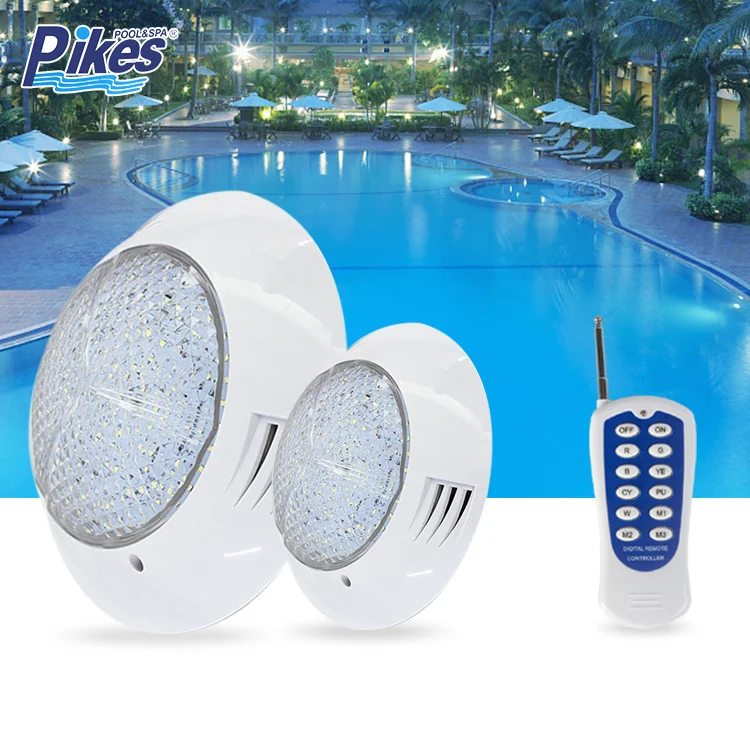
The question of whether underwater pool lights are safe concerns pool owners, facility managers, and anyone responsible for aquatic environments. Safety hinges on understanding the electrical risks inherent in submerged lighting systems, the engineering standards that govern their design, and the installation practices that protect users. Modern underwater pool lights, when properly designed, certified, and installed, present minimal risk. However, the combination of water and electricity demands strict adherence to safety codes, regular maintenance protocols, and awareness of potential failure modes. This article addresses the core safety considerations surrounding underwater pool lights, examining the technology, regulatory framework, installation requirements, and operational best practices that determine whether these essential fixtures can be used safely in swimming pools
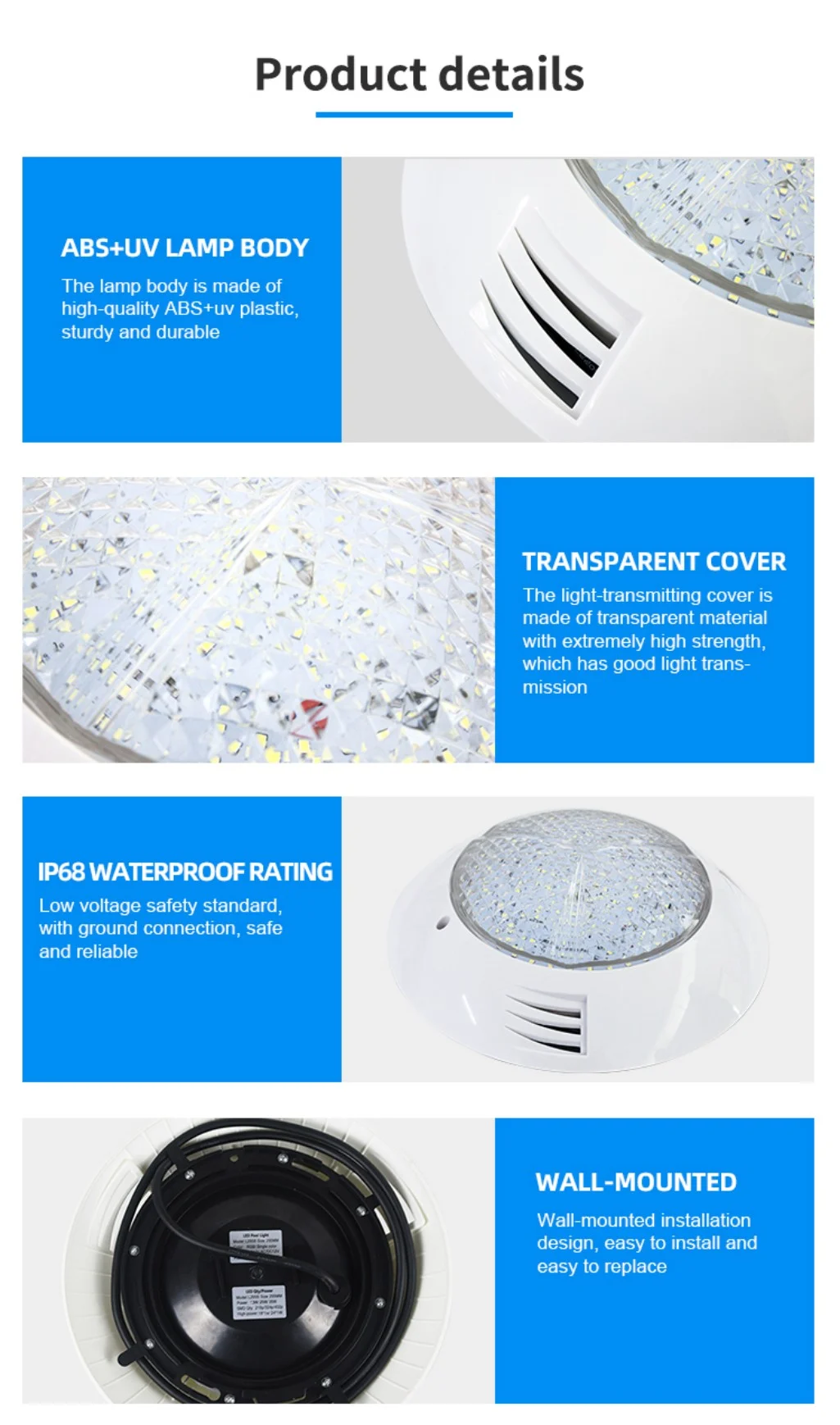
The safety of underwater pool lights fundamentally depends on three interdependent factors: the design standards that prevent electrical hazards, the quality of installation that maintains physical and electrical integrity, and the ongoing maintenance that identifies degradation before it leads to failure. Historically, underwater lighting posed significant electrocution risks when improperly grounded or when insulation failed. Contemporary underwater pool lights incorporate multiple safety layers including low-voltage operation, ground fault protection, waterproof enclosures rated to withstand continuous submersion, and materials resistant to chemical corrosion from pool treatments. Understanding these protective mechanisms, along with recognizing the conditions under which safety can be compromised, enables informed decision-making about pool lighting systems and their long-term management.
Electrical Safety Standards and Design Principles
Voltage Requirements and Low-Voltage Systems
The most significant advancement in underwater pool lights safety has been the widespread adoption of low-voltage systems. Most modern underwater pool lights operate at twelve volts rather than standard household voltage, dramatically reducing the risk of serious injury in the event of electrical fault. This voltage reduction is achieved through transformers located outside the pool environment, typically in junction boxes positioned at least several feet from the water's edge. Low-voltage underwater pool lights inherently limit the current that can flow through a human body, making them substantially safer than older line-voltage systems that operated at one hundred twenty volts. This design principle recognizes that while proper insulation and grounding remain essential, voltage reduction provides an additional safety margin that protects against unforeseen failures.
The transformer that powers low-voltage underwater pool lights must itself meet specific safety certifications and be properly sized for the lighting load. These transformers incorporate thermal protection to prevent overheating and are typically housed in weatherproof enclosures that prevent moisture intrusion. The cable connecting the transformer to the underwater pool lights uses specialized construction with multiple layers of insulation designed to resist both physical damage and chemical degradation. This entire system approach ensures that even if one protective layer fails, additional safeguards prevent hazardous conditions from developing. The electrical pathway from power source to light fixture involves deliberate redundancy in safety features.
Ground Fault Circuit Interrupter Protection
Ground Fault Circuit Interrupter protection represents a critical safety requirement for all pool electrical systems including underwater pool lights. These devices continuously monitor the electrical current flowing to and from the lighting circuit, detecting even minute imbalances that indicate current is escaping through an unintended path such as through water or a person. When such an imbalance is detected, the GFCI interrupts power within milliseconds, long before sufficient current can flow to cause serious harm. This protection operates independently of the low-voltage design, providing redundant safety that addresses different failure scenarios. GFCI devices specifically rated for pool applications account for the unique environmental conditions and electrical characteristics of underwater lighting systems.
The effectiveness of GFCI protection depends on proper installation and regular testing. Pool electrical codes require GFCI protection for all underwater pool lights regardless of voltage, and these devices should be tested monthly using the integral test button to verify operational status. GFCI devices can degrade over time due to environmental exposure, corrosion of internal components, or repeated nuisance tripping that stresses the mechanism. Facility managers should maintain records of GFCI testing and replace devices that fail testing or reach the manufacturer's recommended service life. This protective device serves as the last line of defense against electrical hazards, making its reliable operation essential to overall system safety.
Enclosure Ratings and Waterproof Integrity
The physical housing of underwater pool lights must achieve and maintain complete waterproof integrity throughout the fixture's service life. Industry standards define specific ingress protection ratings that specify the degree of protection against both solid particles and water penetration. Underwater pool lights typically require an IP68 rating, indicating complete protection against dust ingress and the ability to withstand continuous submersion under pressure. This rating is achieved through precision-engineered gaskets, sealed cable entries, and lens assemblies that maintain compression despite thermal cycling and chemical exposure. The materials used in these seals must resist degradation from chlorine, bromine, salt, and pH variations common in pool chemistry.
The structural integrity of underwater pool lights extends beyond the initial seal to include the lens material, housing construction, and mounting hardware. High-quality fixtures use tempered glass or impact-resistant polycarbonate lenses that can withstand both water pressure and accidental impact from pool users or cleaning equipment. The housing itself is typically constructed from marine-grade stainless steel, bronze, or engineered polymers selected for corrosion resistance and structural strength. Mounting niches and hardware must prevent water from penetrating behind the fixture into the pool structure while allowing safe removal for maintenance. This comprehensive approach to physical design ensures that the electrical components remain isolated from the water environment even under demanding operational conditions.
Installation Requirements and Professional Standards
Electrical Code Compliance and Permitting
Safe installation of underwater pool lights requires strict adherence to electrical codes that specifically address the unique hazards of pool environments. The National Electrical Code in the United States, along with corresponding international standards, establishes minimum requirements for equipment selection, installation methods, bonding, grounding, and circuit protection. These codes mandate specific distances between electrical equipment and water, require dedicated circuits for pool lighting, specify conduit types and installation methods, and define bonding requirements that equalize electrical potential across all metallic pool components. Compliance with these codes is not optional but represents the baseline for safe underwater pool lights installation.
Licensed electricians with specific training in pool electrical systems should perform all installation work involving underwater pool lights. The complexity of properly bonding pool components, sizing and installing transformers, routing conduit to prevent water intrusion, and testing completed installations requires specialized knowledge beyond general electrical work. Permit requirements ensure that installations receive inspection by qualified code officials who verify compliance before the system is energized. Attempting to install underwater pool lights without proper licensing, permits, and inspections creates serious liability exposure and potentially life-threatening conditions. The investment in professional installation protects both immediate safety and long-term system reliability.
Bonding and Grounding Systems
Proper bonding represents one of the most critical safety features for underwater pool lights, yet it is frequently misunderstood or improperly implemented. Bonding creates an electrically conductive connection between all metallic components in and around the pool, including light fixtures, handrails, ladders, pumps, filters, and reinforcing steel within the concrete structure. This bonding grid ensures that all metallic surfaces remain at the same electrical potential, preventing voltage gradients that could cause current to flow through a swimmer's body between different pool components. Underwater pool lights must connect to this bonding system through dedicated terminals provided on the fixture housing, using appropriate wire sizes and connection methods specified by electrical codes.
Grounding differs from bonding in that it provides a path for fault current to return to the electrical service panel, enabling overcurrent devices or GFCI protection to operate. While bonding equalizes potential, grounding provides fault clearing. Both systems must function correctly for underwater pool lights to operate safely. The grounding conductor runs from the lighting circuit back to the service panel through the same conduit as the supply conductors, maintaining an effective ground path throughout the circuit. Testing during installation and periodically thereafter verifies that both bonding and grounding systems maintain low resistance connections that will effectively carry fault current. These interconnected safety systems work together to prevent electrical shock hazards in the pool environment.
Niche Installation and Structural Considerations
Underwater pool lights mount within specially designed niches that are cast into or retrofitted into the pool structure. These niches serve multiple functions: they provide structural support for the fixture, create a sealed envelope that prevents water from penetrating the pool shell, and facilitate safe removal of the light for maintenance without draining the pool. Proper niche installation requires careful attention to waterproofing, structural support, and conduit routing. The niche must be positioned at the correct depth according to code requirements, typically at least eighteen inches below the normal water surface to prevent the lamp from being exposed when water levels fluctuate. The conduit entry must be sealed to prevent water from migrating through the conduit system to junction boxes or electrical panels.
The relationship between the niche and the underwater pool lights involves a critical safety feature: the fixture must be secured with a locking mechanism that prevents it from accidentally coming loose and floating with the electrical cord still attached. Modern underwater pool lights include stainless steel screws or locking tabs that positively secure the fixture to the niche. The electrical cord length is carefully calculated to allow removal of the fixture and placement on the pool deck for lamp changes, but not so long that excessive cord remains coiled behind the fixture where it could become damaged. During niche installation, the installer must verify proper alignment, ensure adequate structural support, confirm waterproof integrity, and test the fit of the fixture before completing the pool construction. These installation details directly impact both immediate safety and long-term reliability.
Operational Safety and Maintenance Practices
Routine Inspection and Degradation Monitoring
The safety of underwater pool lights depends not only on initial installation quality but also on ongoing maintenance that identifies degradation before it creates hazards. Regular visual inspection should examine the lens for cracks or moisture intrusion, check the fixture housing for corrosion or damage, verify that mounting hardware remains secure, and confirm that the fixture operates without flickering or dimming that might indicate electrical problems. Pool operators should establish inspection schedules that align with the operating intensity of the facility, with commercial pools requiring more frequent attention than residential installations. Any evidence of water intrusion, such as moisture inside the lens or corrosion on visible metal parts, demands immediate investigation and remedial action.
The gaskets and seals that maintain waterproof integrity in underwater pool lights gradually degrade due to chemical exposure, thermal cycling, and compression set. Manufacturers typically specify service intervals for seal replacement, often recommending that gaskets be replaced whenever the fixture is opened for lamp changes. Pool operators should maintain spare gasket sets for all installed fixture models and follow manufacturer procedures for cleaning sealing surfaces and proper installation of new gaskets. Using unauthorized substitutes or attempting to reuse degraded gaskets compromises the waterproof integrity that underwater pool lights require for safe operation. This preventive maintenance approach addresses wear before it leads to water intrusion and potential electrical hazards.
Water Chemistry and Material Compatibility
The chemical environment of swimming pools significantly affects the longevity and safety of underwater pool lights. Properly balanced water chemistry minimizes corrosion of metallic components, reduces degradation of gaskets and seals, and prevents scaling that can interfere with proper fixture operation. Excessively acidic water accelerates corrosion of bronze and stainless steel housings, while highly alkaline conditions promote scaling and can degrade certain seal materials. Chlorine and bromine sanitizers, while necessary for water quality, are corrosive to many materials and must be maintained within specified concentration ranges to prevent accelerated fixture degradation. Salt chlorination systems create particularly aggressive conditions for underwater pool lights due to the constant presence of dissolved salt that enhances electrical conductivity and accelerates corrosion.
Material selection for underwater pool lights must account for the specific chemical environment of the installation. Fixtures intended for saltwater pools require enhanced corrosion protection, typically using marine-grade stainless steel or specially coated bronze rather than standard materials. The electrical components must be protected by multiple barriers since any water that penetrates the first seal will be highly conductive due to dissolved minerals and sanitizers. Pool operators should document the chemical parameters of their water and verify that installed underwater pool lights are rated for those conditions. When chemical balance drifts outside acceptable ranges, corrective action protects not only water quality but also the integrity of underwater lighting systems that depend on stable chemistry for long-term reliability.
Safe Lamp Replacement Procedures
Changing lamps in underwater pool lights involves specific safety procedures that protect both the technician and pool users. The electrical circuit supplying the lights must be de-energized and locked out using proper lockout-tagout procedures before any maintenance begins. Simply turning off the switch is insufficient since others could inadvertently restore power while work is in progress. After verifying that power is off using a voltage tester, the fixture can be removed from its niche by releasing the mounting screw or locking mechanism and carefully withdrawing the unit. The fixture should be placed on the pool deck with the lens facing up, allowing any water that may have accumulated to drain away from electrical components.
Opening the fixture requires careful attention to preserve the gasket and avoid damage to the housing or lens. Many underwater pool lights use a threaded lens ring or compression collar that must be loosened without applying excessive force that could crack the lens. Once opened, the interior should be inspected for any evidence of water intrusion, corrosion, or damaged components before installing a new lamp. The lamp type must exactly match manufacturer specifications since voltage, wattage, and base configuration affect both performance and safety. After lamp installation, the sealing surfaces must be cleaned and inspected, a new gasket installed if required, and the fixture reassembled with proper torque on fasteners. A test operation before reinstalling the fixture in the niche verifies proper function and allows a final inspection for any issues that should be addressed before returning the underwater pool lights to service.
Risk Factors and Failure Modes
Common Safety Compromises and Their Consequences
Despite the safety features built into modern underwater pool lights, certain conditions and practices can compromise protection and create hazards. Using non-compliant or counterfeit fixtures that lack proper certifications exposes users to inadequately protected electrical systems. Improper installation that omits required bonding connections, uses incorrect wire sizes, fails to provide GFCI protection, or violates code-mandated clearances creates conditions where electrical faults can cause injury. Deferred maintenance that allows gaskets to fail, permits corrosion to compromise housings, or leaves damaged lenses in place gradually erodes the safety margins designed into the system. Each of these compromises increases the probability that an electrical fault will expose pool users to hazardous voltage or current.
The consequences of safety compromises in underwater pool lights range from equipment failure to serious injury or death. Minor gasket failures may initially cause only the light to fill with water and cease operating, but continued operation with compromised seals allows corrosion to progress until the housing integrity fails. Bonding failures create voltage gradients in the water that cause tingles or shocks when swimmers contact different metallic surfaces simultaneously. Complete insulation failure combined with inadequate grounding and failed GFCI protection can result in lethal current flow through the water and through swimmers' bodies. These failure modes have caused documented fatalities, emphasizing why safety standards exist and must be followed without exception. Understanding these risks motivates proper attention to installation quality, maintenance rigor, and prompt response to any indication of electrical problems.
Identifying Warning Signs and Taking Corrective Action
Pool operators and users should recognize warning signs that may indicate safety issues with underwater pool lights. Tingles or shocks felt when touching pool ladders, handrails, or other metallic components suggest electrical faults that could involve the lighting system. GFCI devices that trip repeatedly indicate genuine ground faults that must be investigated and corrected rather than ignored or bypassed. Visible damage to fixtures, including cracked lenses, corroded housings, or loose mounting hardware, demands immediate attention. Underwater pool lights that flicker, dim unexpectedly, or fail to illuminate may indicate electrical problems that, while not immediately hazardous, could progress to more serious conditions if left unaddressed.
When warning signs appear, the appropriate response involves immediately de-energizing the affected circuit, preventing pool use until the issue is investigated, and engaging qualified professionals to diagnose and correct the problem. Attempting to troubleshoot energized underwater pool lights in the water is extremely dangerous and should never be attempted. Even seemingly minor issues like a single failed lamp warrant investigation to determine whether the failure indicates a broader problem with water intrusion or electrical faults. Documentation of problems, corrective actions taken, and subsequent testing creates a maintenance history that helps identify patterns and verify that safety systems remain effective. This proactive approach to problem recognition and response maintains the safety margins that underwater pool lights depend on for reliable protection.
Age-Related Deterioration and Replacement Criteria
Underwater pool lights have finite service lives determined by the gradual accumulation of wear, corrosion, seal degradation, and material fatigue. Even with excellent maintenance, the harsh environment of continuous submersion in chemically treated water eventually compromises fixture integrity. Manufacturers typically specify expected service lives based on operating conditions, and prudent facility management involves planning for replacement before catastrophic failures occur. Warning signs of approaching end-of-life include increasing frequency of lamp failures, evidence of corrosion on internal components, difficulty maintaining waterproof seals, and discoloration or degradation of housing materials. Rather than attempting to extend service life through increasingly frequent repairs, replacement with modern fixtures provides enhanced safety, improved energy efficiency, and reduced maintenance burden.
The decision to replace aging underwater pool lights should consider not only the condition of the fixtures themselves but also changes in safety standards, technology improvements, and the overall risk profile of the installation. LED underwater pool lights offer substantial advantages over older incandescent or halogen types, including dramatically lower operating temperatures that reduce thermal stress on seals, longer lamp life that reduces maintenance frequency, and lower power consumption that reduces operating costs. Converting from line-voltage to low-voltage systems during replacement projects significantly enhances safety. While replacement involves capital investment and installation disruption, these costs must be weighed against the liability exposure and safety risks of continuing to operate deteriorated equipment. A planned replacement program based on age and condition assessment provides better outcomes than reactive replacement after failures occur.
FAQ
Can underwater pool lights electrocute swimmers if they malfunction?
Properly installed modern underwater pool lights with low-voltage operation, GFCI protection, and correct bonding present minimal electrocution risk even during malfunction. However, older line-voltage systems, improperly installed fixtures, or compromised safety systems can create serious electrocution hazards. Multiple layers of protection including voltage reduction, ground fault detection, waterproof enclosures, and equipotential bonding work together to prevent dangerous current flow through the water. When these protective systems are correctly implemented and maintained, the risk of electrocution from underwater pool lights is extremely low. Regular inspection, testing of safety devices, and prompt response to any electrical anomalies maintain this safety margin throughout the system's service life.
How often should underwater pool lights be inspected for safety issues?
Residential underwater pool lights should receive visual inspection monthly and more detailed examination annually, while commercial and public pool installations require weekly visual checks and quarterly detailed inspections. Each inspection should verify that fixtures remain securely mounted, lenses show no cracks or moisture intrusion, GFCI devices function properly when tested, and no visible corrosion or damage compromises fixture integrity. Professional inspection by a qualified electrician should occur at least every three years for residential pools and annually for commercial installations. Any indication of problems such as flickering lights, water inside fixtures, or electrical shocks warrants immediate professional evaluation regardless of the regular inspection schedule. Documentation of inspections, findings, and corrective actions creates an essential safety record.
What is the difference between bonding and grounding in pool electrical systems?
Bonding creates electrical connections between all metallic components in and around the pool to ensure they remain at the same electrical potential, preventing voltage differences that could cause current to flow through a swimmer between different metal surfaces. Grounding provides a path for fault current to return to the electrical panel, enabling circuit breakers or GFCI devices to operate and clear faults. Both systems are essential for safe operation of underwater pool lights. Bonding prevents shock hazards under normal conditions by equalizing potential, while grounding provides protection by quickly de-energizing faulted circuits. Proper installation requires both systems to be correctly implemented with low-resistance connections maintained throughout the system's life. Testing verifies that bonding and grounding remain effective as components age and connections may deteriorate.
Are LED underwater pool lights safer than traditional incandescent fixtures?
LED underwater pool lights offer several safety advantages over incandescent types, primarily due to their dramatically lower operating temperatures that reduce thermal stress on seals and gaskets. Traditional incandescent lamps generate substantial heat that accelerates seal degradation and can cause thermal shock if cold water contacts a hot lens. LED fixtures operate at much lower temperatures, extending seal life and reducing the risk of thermal-related failures. Additionally, LED systems typically operate at lower voltages and draw less current, further reducing electrical risk. The longer service life of LED lamps means less frequent maintenance intervention that could compromise waterproof integrity. While both technologies can be designed to meet safety standards, LED underwater pool lights inherently create less demanding operating conditions that support long-term safety and reliability with reduced maintenance requirements.