
 EN
EN


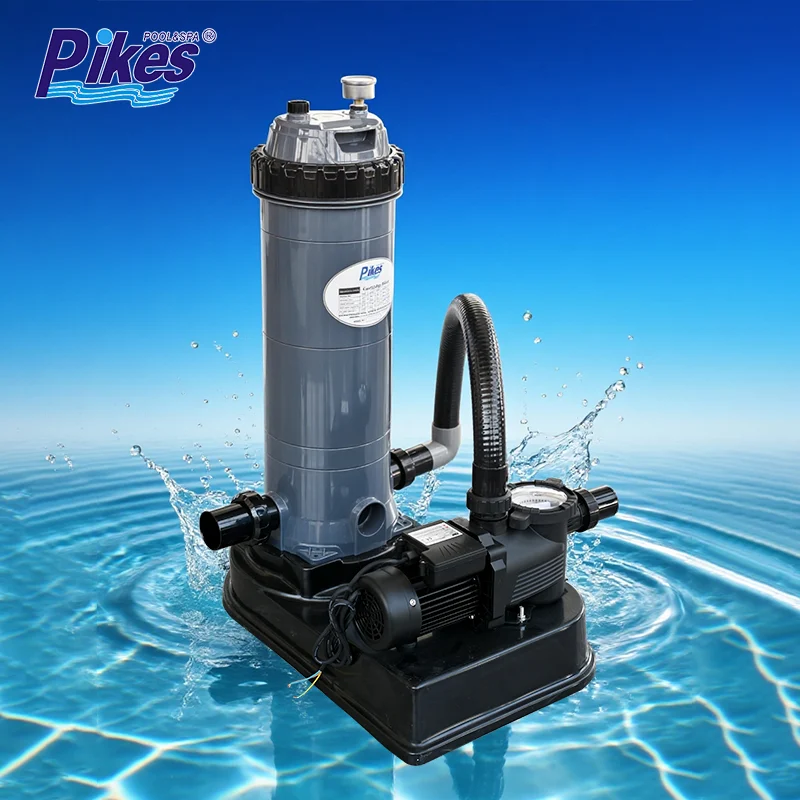
Pool owners frequently ask about the lifespan of their filtration equipment because maintenance costs and replacement schedules directly impact operational budgets and water quality. Understanding how long a pool cartridge filter will last requires examining multiple factors including filter construction quality, pool usage patterns, water chemistry, maintenance frequency, and environmental conditions. While manufacturers often provide general guidelines, real-world longevity depends heavily on how the filter is used and maintained. This comprehensive guide explores the typical lifespan expectations for pool cartridge filters and the key variables that determine when replacement becomes necessary.
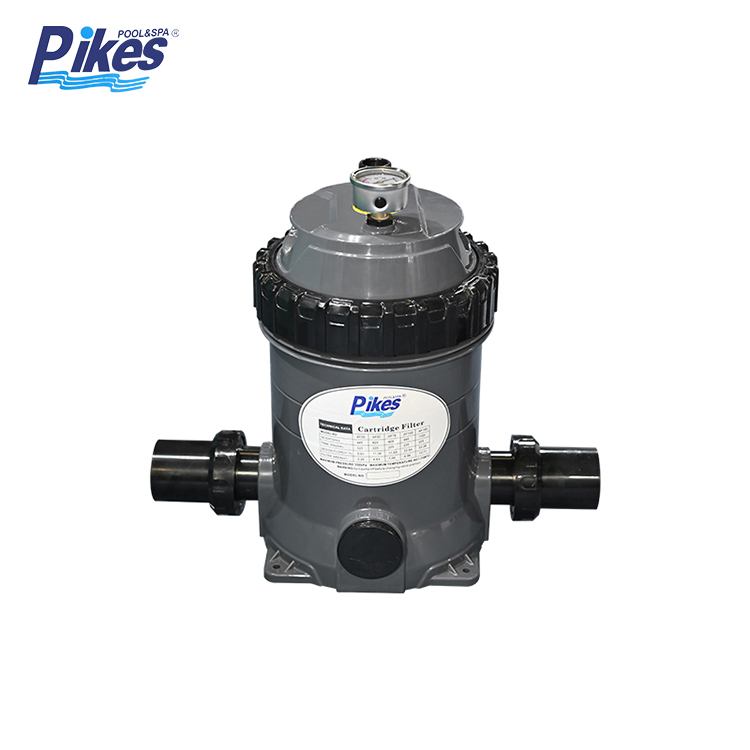
The average pool cartridge filter operates effectively between one and three years under normal residential conditions, though some high-quality units can extend beyond this range with proper care. Commercial installations or pools with heavy bather loads typically experience shorter filter lifespans due to increased debris accumulation and more frequent cleaning cycles. The pleated media inside these filters gradually degrades through repeated cleaning, chemical exposure, and physical wear, eventually losing its ability to trap contaminants efficiently. Recognizing the signs of filter deterioration and understanding replacement timing helps maintain optimal water clarity while avoiding premature replacement costs.
Material Composition and Construction Quality
Filter Media Characteristics
The pleated polyester fabric or synthetic media used in pool cartridge filter construction determines baseline durability and filtration efficiency. Premium filters incorporate reinforced polyester blends that resist chemical degradation and maintain structural integrity through hundreds of cleaning cycles. The density and thickness of these pleats directly correlate with both filtration effectiveness and longevity, as denser materials trap finer particles while withstanding more aggressive cleaning methods. Lower-quality filters may use thinner materials that develop tears or lose filtration capacity after just one season of use.
Manufacturing techniques also influence how well the pleated media bonds to the end caps and internal support structure. Superior bonding methods prevent delamination where the filter material separates from its frame, a common failure mode in budget cartridge filters. The uniformity of pleat spacing and proper material tensioning during manufacturing affect how evenly water flows through the media, which impacts both cleaning efficiency and long-term wear patterns. Filters with inconsistent construction may develop channeling where water bypasses certain sections, accelerating deterioration in overworked areas.
Structural Components
The end caps, center core, and outer support bands of a pool cartridge filter must withstand continuous water pressure and the mechanical stress of repeated installation and removal. High-quality filters use reinforced thermoplastic or composite materials for these structural elements, ensuring they resist warping, cracking, and degradation from chemical exposure. The integrity of these components directly affects filter lifespan, as damaged end caps can allow unfiltered water to bypass the media entirely, rendering the cartridge ineffective regardless of media condition.
The gasket or seal system that creates a watertight connection between the filter and housing also plays a crucial role in overall durability. These seals must maintain flexibility and compression characteristics throughout their service life to prevent air leaks and bypass flow. Premium gaskets resist hardening from chlorine exposure and temperature fluctuations, while inferior seals may crack or lose elasticity within months. When evaluating how long a pool cartridge filter will last, the quality of these seemingly minor components significantly influences practical lifespan.
Usage Patterns and Environmental Factors
Pool Size and Bather Load
The relationship between filter capacity and actual pool volume fundamentally determines how hard a pool cartridge filter must work during each filtration cycle. Undersized filters relative to pool volume run longer hours and process more water per cleaning interval, accelerating media wear and reducing overall lifespan. Residential pools with appropriate filter sizing typically allow cartridges to last toward the upper end of the expected range, while undersized installations may require replacement annually or even more frequently during peak usage seasons.
Bather load introduces organic contaminants, body oils, sunscreen, and other substances that challenge filtration media beyond simple debris removal. Pools serving large families or frequent social gatherings experience higher contamination rates that require more frequent cleaning and place greater stress on filter materials. Commercial pools or community facilities often replace cartridge filters every season due to the extreme contamination levels from continuous high-traffic use. Understanding your specific usage patterns helps establish realistic longevity expectations for your particular installation.
Environmental Contaminants
Geographic location and surrounding landscape significantly impact how long pool cartridge filters remain effective. Pools located near agricultural areas, construction sites, or unpaved roads face higher airborne dust infiltration that clogs filter media more rapidly. Trees and vegetation contribute leaves, pollen, seeds, and organic debris that accelerate filter loading and require more frequent maintenance. Coastal installations contend with salt-laden air that can degrade certain filter materials faster than inland locations experience.
Wind patterns and weather events introduce variable contamination levels throughout the operating season. A single major storm can introduce enough debris to significantly shorten filter lifespan if not promptly addressed through thorough cleaning. Pools in areas with extended swimming seasons naturally accumulate more operating hours annually, which translates to more cleaning cycles and faster media degradation compared to pools used only during short summer periods. These environmental variables make it impossible to assign a universal lifespan figure to all pool cartridge filter installations.
Maintenance Practices and Cleaning Frequency
Proper Cleaning Techniques
The method and frequency of cleaning directly determines whether a pool cartridge filter reaches its maximum potential lifespan or fails prematurely. Gentle rinsing with a garden hose at moderate pressure removes surface debris without damaging pleated media, while high-pressure washing can tear fibers and create weak points that lead to early failure. Many pool owners unknowingly reduce filter life by using excessive water pressure or directing spray at angles that stress pleat junctions and bonding points.
Chemical cleaning with approved filter cleaner solutions helps remove oils, scale, and embedded contaminants that water alone cannot eliminate. These treatments should occur every third or fourth routine cleaning to maintain filtration efficiency without over-exposing the media to harsh chemicals. Excessive chemical cleaning or using improper solutions can break down filter materials prematurely, while insufficient chemical maintenance allows contaminant buildup that permanently reduces flow capacity. Balancing mechanical and chemical cleaning approaches optimizes both immediate performance and long-term durability.
Cleaning Schedule Optimization
Establishing the correct cleaning interval for your specific pool conditions prevents both inadequate maintenance and excessive handling that shortens filter life. Monitoring pressure gauges provides objective data about when cleaning becomes necessary, as pressure increases of eight to ten PSI above baseline indicate significant debris accumulation. Cleaning too frequently before pressure builds wastes effort and subjects the pool cartridge filter to unnecessary wear, while waiting too long forces the media to work under excessive strain that can cause permanent damage.
Seasonal variation requires adjusting cleaning schedules as pool usage and environmental contamination levels change. Heavy use periods during summer months typically require weekly or bi-weekly cleaning, while shoulder seasons with lighter use may extend intervals to monthly maintenance. Developing awareness of how your specific installation responds to various conditions allows you to optimize the cleaning schedule that maximizes filter lifespan while maintaining water quality. Detailed record-keeping of cleaning dates, pressure readings, and observed conditions helps identify patterns that inform better maintenance decisions.
Water Chemistry Impact on Filter Longevity
Chemical Balance Effects
Maintaining proper water chemistry extends pool cartridge filter life by minimizing chemical degradation of filter media and preventing scale formation that permanently clogs pleats. Chronically low pH levels create acidic conditions that attack synthetic filter materials, weakening fibers and accelerating structural breakdown. Conversely, high pH combined with elevated calcium hardness promotes scale deposits that embed in filter media, reducing flow capacity and creating abrasive surfaces that damage pleats during cleaning.
Chlorine levels within recommended ranges provide necessary sanitization without excessive bleaching effects on filter materials, while shocking with extremely high chlorine concentrations subjects filters to oxidative stress. Frequent superchlorination or maintaining unnecessarily high residual chlorine accelerates the degradation of certain filter media types, particularly lower-quality materials without chemical-resistant treatments. Stabilizer levels also factor into filter longevity, as excessive cyanuric acid can contribute to biofilm formation within filter pleats that becomes increasingly difficult to remove over time.
Mineral Content and Hardness
Water hardness and mineral content significantly affect how quickly pool cartridge filters develop performance-limiting deposits. Areas with hard water experience faster accumulation of calcium and magnesium scale within filter pleats, which progressively restricts flow even with regular cleaning. These mineral deposits often require acid washing or specialized descaling treatments to remove, and repeated chemical treatments eventually weaken filter media structure. Pools operating with very hard source water may experience filter lifespans at the lower end of typical ranges despite otherwise proper maintenance.
Metal content from source water or equipment corrosion introduces iron, copper, and manganese that can stain and degrade filter materials. These metals often precipitate within filter media as oxidized compounds that prove extremely difficult to remove through standard cleaning methods. The cumulative effect of mineral and metal buildup explains why some pool cartridge filter installations in challenging water conditions require annual replacement, while identical filters in areas with favorable water chemistry last three years or longer. Water testing and appropriate treatment to manage hardness and metal content directly influence filtration equipment longevity.
Performance Indicators and Replacement Timing
Declining Filtration Efficiency
The clearest indication that a pool cartridge filter has reached the end of its service life is persistent water clarity problems despite proper chemical balance and adequate cleaning. As filter media degrades, the pore structure enlarges and loses its ability to capture fine particles that cause cloudy water. Visual inspection may reveal thinning pleats, discoloration indicating chemical damage, or visible tears and separations in the filter material. These signs indicate the filter has exhausted its effective lifespan and requires replacement rather than additional cleaning attempts.
Increased cleaning frequency requirements signal declining filter capacity even when the media appears superficially intact. A pool cartridge filter that previously operated three weeks between cleanings but now requires weekly attention has likely experienced enough material degradation to reduce its effective surface area. Shortened intervals between required cleanings indicate the filter can no longer hold as much debris before flow restriction occurs, a progressive condition that worsens as the filter ages. Tracking these performance trends helps identify the optimal replacement timing before water quality seriously deteriorates.
Physical Condition Assessment
Regular physical inspection during cleaning reveals developing problems before they cause complete filter failure. Hardened or flattened pleats that no longer expand properly when dry indicate material fatigue that reduces filtration efficiency. Discoloration beyond normal debris staining, particularly yellowing or brittleness in the filter fabric, signals chemical degradation that compromises structural integrity. End cap separation, cracking in the core tube, or damaged gaskets all indicate components that have exceeded their design life.
The smell test provides another indicator, as filters that retain musty or chemical odors after thorough cleaning have absorbed contaminants the material can no longer release. This saturation condition represents permanent loss of filtration capacity that cleaning cannot restore. When multiple performance indicators align, such as declining water clarity combined with physical deterioration and reduced cleaning intervals, replacement becomes necessary regardless of calendar age. Some pool cartridge filter units may require replacement after just one year under harsh conditions, while others properly maintained in ideal conditions can approach four years of service.
FAQ
Can I extend pool cartridge filter life beyond the typical range?
Yes, meticulous maintenance practices can extend filter life toward and sometimes beyond three years. Using proper cleaning techniques with appropriate water pressure, implementing regular chemical cleaning cycles, maintaining optimal water chemistry, and ensuring correct filter sizing for your pool all contribute to maximum longevity. However, attempting to extend filter life beyond its effective performance window compromises water quality and may increase chemical costs more than the savings from delayed replacement.
Do all pool cartridge filter brands last the same length of time?
No, significant quality variation exists among manufacturers and even within product lines from the same brand. Premium filters using reinforced polyester media with superior bonding techniques and chemical-resistant treatments typically outlast budget alternatives by substantial margins. The initial purchase price often correlates with longevity, making higher-quality filters more economical over time despite greater upfront costs. Reading reviews from long-term users and consulting with pool professionals helps identify brands with proven durability records.
How do I know when my pool cartridge filter absolutely must be replaced?
Absolute replacement becomes necessary when the filter no longer maintains water clarity despite balanced chemistry and thorough cleaning, when physical damage like tears or separations appear in the media or structural components, or when the filter cannot maintain adequate pressure even after cleaning. Additionally, filters that develop persistent bypass flow around damaged gaskets or end caps require immediate replacement to restore proper filtration. If water quality problems persist after addressing all other potential causes, filter replacement should be the next step.
Does reducing pool cartridge filter runtime extend its lifespan?
Reducing runtime below the minimum necessary for adequate water turnover does not meaningfully extend filter lifespan and compromises water quality. Filters degrade primarily through cleaning cycles and chemical exposure rather than simple operating hours. Proper runtime ensures complete water circulation and prevents stagnation problems that can introduce additional contaminants requiring more frequent filter cleaning. The optimal approach focuses on appropriate runtime for your pool volume combined with proper maintenance practices rather than attempting to extend filter life through inadequate circulation.