
 EN
EN



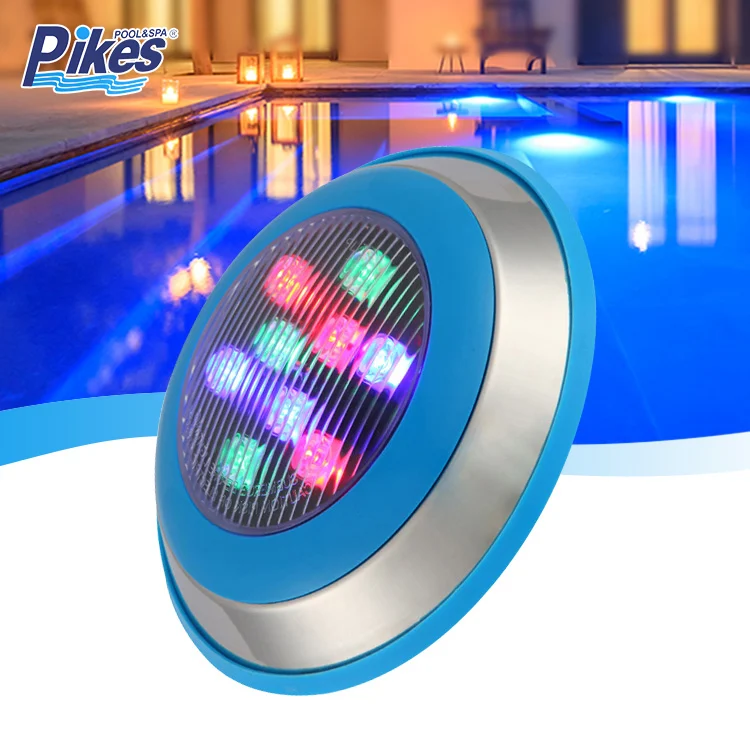
When planning a pool installation or upgrade, one of the most important questions homeowners and contractors ask is whether 12V pool lights are genuinely safer than higher-voltage alternatives. The short answer is yes — 12V pool lights are widely regarded as a safer choice for underwater and perimeter lighting in residential and commercial swimming pools. However, understanding exactly why they are safer, and under what conditions that safety advantage holds, is essential before making any lighting decision.
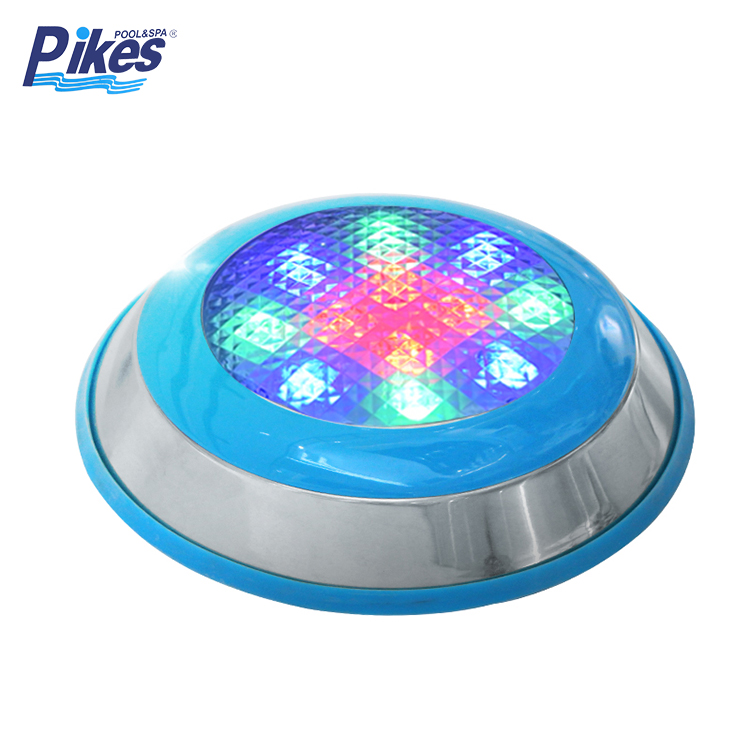
The relationship between electricity and water demands serious attention. 12V pool lights operate at a voltage level that significantly reduces the risk of electrocution compared to standard 120V or 240V systems. This makes 12V pool lights a preferred solution in environments where swimmers, children, and pool staff are regularly exposed to water. That said, proper installation, certified components, and regular maintenance all play a role in maintaining that safety advantage.
The Safety Advantage of 12V Pool Lights
Lower Voltage Means Lower Electrocution Risk
The fundamental reason 12V pool lights are considered safer is rooted in basic electrical physics. Lower voltage means lower potential energy for current to travel through the human body. In a scenario where a fixture seal fails or a wire becomes damaged, 12V pool lights deliver a dramatically smaller shock risk than a 120V equivalent. While no electrical exposure in water is entirely harmless, the injury threshold at 12 volts is far less severe.
Electrical safety codes in many countries have been updated to encourage or mandate the use of 12V pool lights in new residential pool builds. This regulatory shift reflects a growing body of evidence that low-voltage underwater lighting is among the most effective ways to protect swimmers from the danger of electric shock drowning. 12V pool lights are at the center of these updated safety guidelines.
Reduced Risk of Electric Shock Drowning
Electric shock drowning is a rare but devastating hazard associated with improperly wired or damaged pool lighting. It occurs when alternating current leaks into the water, creating a voltage gradient that causes muscle paralysis in swimmers. Because 12V pool lights operate well below the threshold voltage associated with severe neuromuscular effects, they provide a meaningful layer of protection against this risk. 12V pool lights are especially recommended for pools that children use frequently, where supervision cannot always guarantee immediate response to distress.
Installation and Compliance for 12V Pool Lights
Transformer Requirements and Proper Wiring
12V pool lights require a step-down transformer to convert standard household current to the lower operating voltage. This transformer must be installed outside the pool area, at a safe distance from water, and must comply with applicable electrical codes. Using a correctly rated transformer is not optional — it is a core part of what makes 12V pool lights safe in practice. A transformer that is undersized or improperly grounded can negate the safety benefits entirely.
Professional installation is strongly recommended for 12V pool lights, even though the operating voltage is low. The wiring pathways, conduit sealing, and fixture housing all contribute to the overall safety profile. Cutting corners during installation can introduce points of failure that undermine the protection 12V pool lights are designed to provide. Always verify that the installer holds the appropriate license for pool electrical work in your jurisdiction.
Certifications and Standards to Look For
Not all 12V pool lights are manufactured to the same standard. When selecting 12V pool lights for a new or existing pool, look for products that carry recognized safety certifications such as UL, CE, or equivalent marks from your regional authority. These certifications confirm that the fixture has been tested for waterproof integrity, insulation quality, and thermal performance. Certified 12V pool lights are tested under conditions that simulate prolonged underwater exposure, which is essential for long-term reliability.
The housing material also matters. High-quality 12V pool lights are typically constructed with corrosion-resistant materials such as stainless steel or reinforced thermoplastic, which maintain seal integrity over years of chemical and UV exposure. A compromised housing is one of the most common reasons that older pool lighting — at any voltage — becomes a hazard.
Maintenance and Long-Term Safety of 12V Pool Lights
Regular Inspection Keeps Safety Intact
Installing 12V pool lights is only the beginning. Maintaining their safety performance requires periodic inspection of the fixture seals, wiring connections, and transformer housing. Seals can degrade over time due to pool chemicals, UV radiation, and physical impact. When a seal on a pool light begins to fail, water can penetrate the housing and create a shock hazard, even with 12V pool lights. Annual inspections by a qualified electrician are considered best practice for any pool with electrical lighting.
During inspections, check that the conduit connections remain watertight and that no corrosion has developed on the fixture or wiring terminals. 12V pool lights should also be tested for proper function before and after each swimming season. Any flickering, dimming, or unexpected color shift in 12V pool lights may indicate internal moisture intrusion or component degradation that requires immediate attention.
Replacing Aging Fixtures Responsibly
Even well-maintained 12V pool lights have a finite service life. Most manufacturers recommend replacing underwater pool light fixtures every eight to twelve years, depending on usage intensity and water chemistry. When replacing older halogen-based 12V pool lights with modern LED versions, pool owners gain both improved safety margins and significant energy savings. LED-based 12V pool lights generate less heat, which reduces thermal stress on seals and extends fixture longevity. The transition to LED is one of the best ways to reset the safety clock on aging pool lighting systems.
FAQ
Do 12V pool lights completely eliminate electrical hazards in pools?
No, 12V pool lights significantly reduce electrical hazards but do not eliminate them entirely. Proper installation, certified components, regular maintenance, and compliance with local electrical codes are all necessary to maintain safe operation. Even low-voltage systems can pose risks if wiring is damaged or fixtures are improperly sealed.
Can 12V pool lights be used in both in-ground and above-ground pools?
Yes, 12V pool lights are suitable for both in-ground and above-ground pool applications. The specific fixture type and installation method will vary depending on the pool structure, but the voltage safety principle applies equally to both. Always confirm that the chosen 12V pool lights are rated for the installation type and wall thickness of your specific pool.
Are 12V pool lights more expensive than standard voltage pool lights?
12V pool lights may have a slightly higher upfront cost due to the transformer requirement and certified components involved. However, the long-term value is strong. Modern LED-based 12V pool lights consume significantly less energy than older 120V halogen systems, reducing operating costs over time. The safety benefits of 12V pool lights also reduce liability risk, which carries its own long-term financial value for commercial pool operators.