
 EN
EN



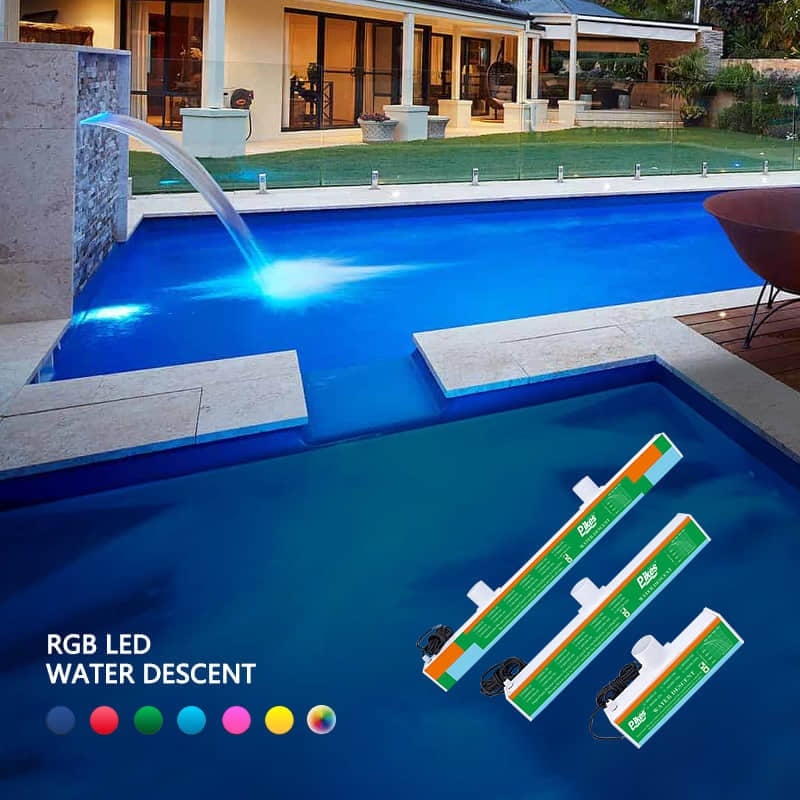
A water descent is a decorative pool water feature that creates a smooth, controlled sheet or curtain of water flowing from an elevated outlet into a pool or basin below. Unlike traditional fountains that shoot water upward, a water descent directs water in a graceful downward arc, producing a visually captivating effect that transforms any residential or commercial pool environment. Understanding what a water descent is and how it functions can help pool owners and designers make informed decisions about enhancing outdoor water spaces.
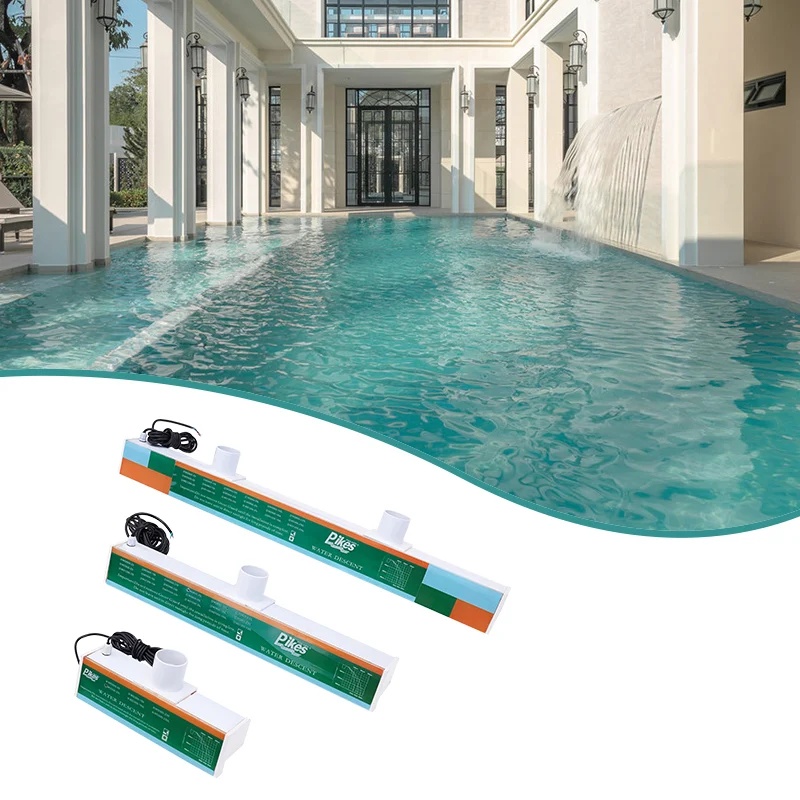
The concept of a water descent is rooted in both aesthetic design and relaxation science. A water descent introduces the natural sound of flowing water, which is widely recognized for its calming properties. Modern water descent products often incorporate RGB LED lighting systems, allowing the water curtain to shift through multiple colors and create stunning visual displays during evening hours. Whether installed in a private backyard pool or a large resort, a water descent serves as both a functional water circulation element and a striking focal point.
The Core Components of a Water Descent
The Water Outlet and Flow Mechanism
Every water descent system is built around a precisely engineered water outlet that controls the shape and flow rate of the descending water. The outlet of a water descent is typically a stainless steel or ABS blade-style nozzle mounted at the pool deck edge or on a raised wall. This blade shapes the water into a thin, even sheet as it falls, giving the water descent its signature ribbon-like appearance. The flow rate of a water descent can usually be adjusted to create either a heavy cascade effect or a delicate, whisper-thin curtain depending on the desired atmosphere.
The pump system behind a water descent draws water from the pool, pressurizes it through internal plumbing, and delivers it to the outlet at a consistent pressure. Proper pump sizing is critical to maintaining the visual quality of the water descent. An underpowered pump results in an uneven water descent sheet, while an overpowered setup creates excessive turbulence. Most water descent units are designed for easy integration with existing pool filtration systems, making installation straightforward for professional pool builders.
LED Lighting Integration in a Water Descent
One of the most popular modern upgrades to the traditional water descent is the integration of RGB LED lighting. An LED-equipped water descent illuminates the falling water sheet from behind or below, creating a glowing color effect that can be programmed or remotely controlled. The RGB capability of a water descent lighting system means the colors can be cycled through the full spectrum, offering everything from cool blues and greens to warm ambers and vivid purples. This feature makes the water descent especially attractive for nighttime pool environments and entertainment spaces.
How a Water Descent Differs from Other Pool Water Features
Water Descent vs. Traditional Pool Waterfall
A traditional pool waterfall typically mimics a natural rock formation, using textured surfaces and irregular flow patterns to simulate an outdoor stream environment. A water descent, by contrast, is a precision-engineered product designed to produce a clean, architectural sheet of water. The water descent fits seamlessly into modern and contemporary pool designs where sharp lines and sleek finishes are preferred. While a natural-style waterfall suits rustic or tropical landscaping, a water descent complements minimalist, geometric pool layouts with its structured and polished appearance.
Another key distinction is maintenance. A natural rock waterfall requires regular cleaning to prevent algae buildup in its crevices and uneven surfaces. A water descent, made from smooth stainless steel or high-grade plastic, is far easier to maintain. The flat, uniform surfaces of a water descent minimize areas where debris or algae can accumulate, reducing the frequency of deep cleaning required to keep the feature looking its best.
Water Descent vs. Pool Fountain
A pool fountain projects water upward in arcs or jets, which increases water surface agitation and can affect swimming conditions during use. A water descent channels water downward in a controlled flow, which has a much smaller impact on the water surface directly in the swimming zone. This makes a water descent a more practical choice for pools where swimming and decorative features must coexist. The sound profile of a water descent is also generally softer and more consistent than that of pressurized fountain jets, contributing to a more relaxed poolside atmosphere.
Practical Benefits of Installing a Water Descent
Aesthetic and Ambiance Enhancement
The primary reason most pool owners choose a water descent is the dramatic improvement it makes to the visual and sensory experience of the pool area. A water descent adds movement, sound, and light to what would otherwise be a static pool surface. The flowing water of a water descent catches natural sunlight during the day and glows with LED color at night, creating a dynamic display that evolves throughout the day. For commercial properties such as hotels, spas, and resorts, a water descent signals quality and attention to detail to guests, enhancing the perceived value of the facility.
Functional Advantages of a Water Descent
Beyond its visual appeal, a water descent contributes to better water circulation and aeration. As a water descent pours water back into the pool, it introduces oxygen and promotes surface movement, which supports the effectiveness of pool chemicals and reduces stagnation. In warmer climates, the evaporative cooling effect generated by a water descent can slightly reduce pool water temperature on hot days, adding a practical benefit alongside the decorative one. Regular use of a water descent also means the pump and plumbing connected to it receive consistent exercise, which helps prevent system issues caused by inactivity.
FAQ
What materials are typically used in a water descent?
A water descent is commonly manufactured from stainless steel, ABS plastic, or a combination of both. Stainless steel water descent models offer superior durability and corrosion resistance, making them ideal for saltwater pools. ABS plastic water descent units are lighter and often more affordable, suitable for standard chlorinated pools with moderate environmental exposure.
Can a water descent be added to an existing pool?
Yes, a water descent can be retrofitted to most existing pools provided there is adequate wall height or deck space to mount the unit and route the necessary plumbing. A professional pool contractor can assess whether your current pump system has sufficient capacity to support the added water descent flow requirements without significant modifications.
How do I control the LED colors on a water descent?
Most LED-equipped water descent models include a remote control or a wall-mounted controller that allows users to select static colors, dynamic color-cycling modes, or timed sequences. Some advanced water descent systems offer smartphone app integration, enabling wireless control of both lighting and flow settings from anywhere around the pool area.