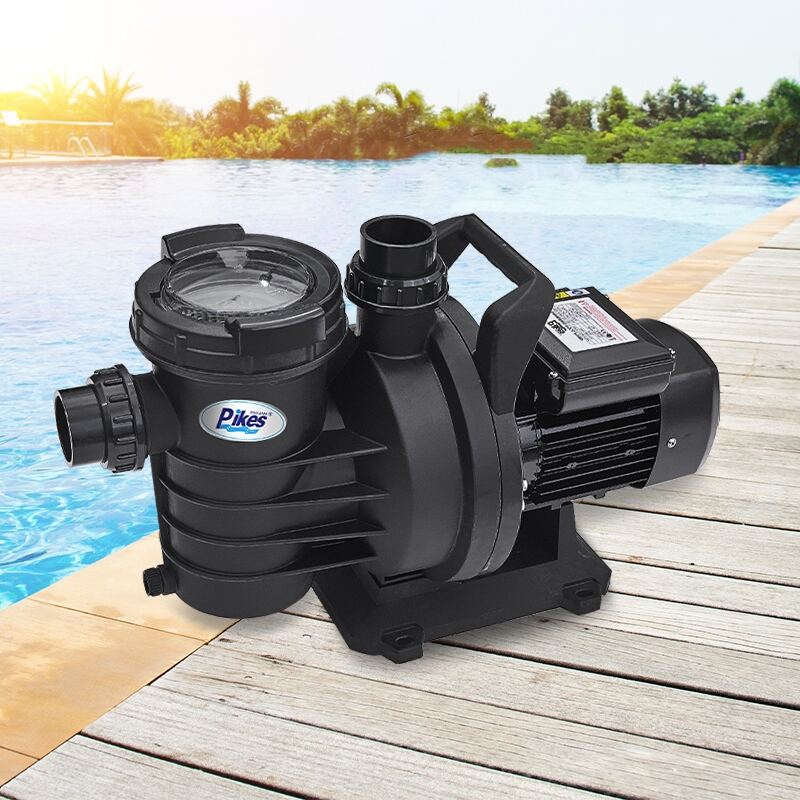
Advanced Water Return Systems: Efficient Circulation Technology for Sustainable Water Management Solutions

Get a Free Quote

Our representative will contact you soon.
Email
Mobile
Name
Company Name
Message
0/1000

water return

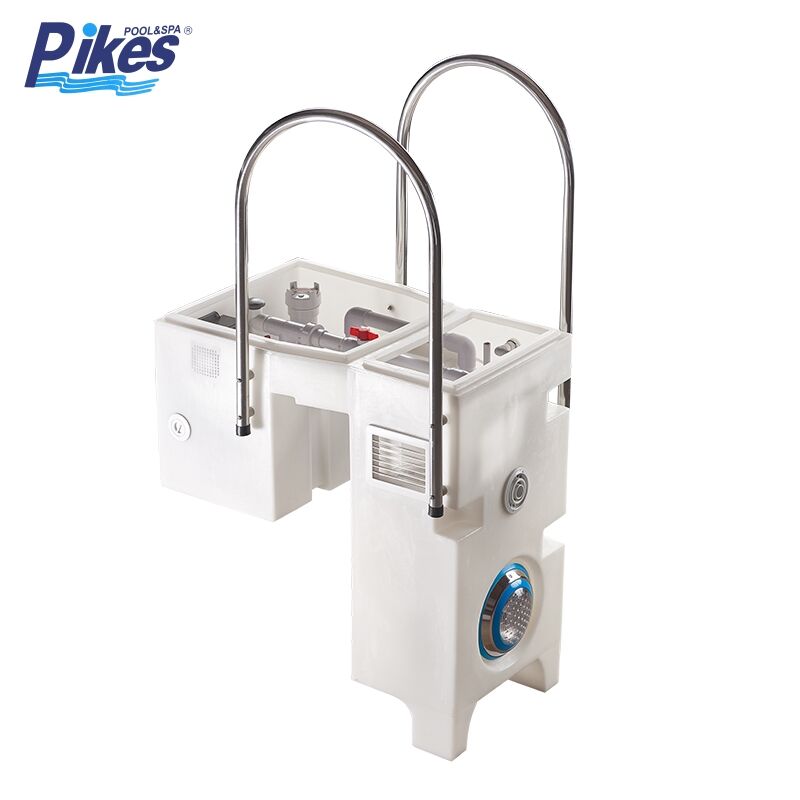
A water return system represents a sophisticated engineering solution designed to efficiently manage and circulate water within industrial, commercial, and residential environments. This innovative technology serves as the backbone of sustainable water management, ensuring optimal resource utilization while maintaining consistent flow patterns throughout various applications. The water return mechanism operates by collecting, processing, and redistributing water through carefully engineered pathways, creating a closed-loop system that maximizes efficiency and minimizes waste. Modern water return systems incorporate advanced monitoring capabilities, allowing operators to track performance metrics and adjust parameters in real-time. These systems feature robust construction materials resistant to corrosion and wear, ensuring long-term reliability even in demanding operational conditions. The technological architecture of water return systems includes precision-engineered pumps, filtration components, and control valves that work in harmony to deliver consistent performance. Smart sensors integrated throughout the system provide continuous feedback on water quality, temperature, and flow rates, enabling proactive maintenance and optimization. The versatility of water return technology makes it suitable for diverse applications ranging from cooling towers and heat exchangers to irrigation systems and process manufacturing. Environmental sustainability stands as a core principle in water return system design, with features that reduce energy consumption and minimize environmental impact. The modular design approach allows for scalable implementations, accommodating facilities of varying sizes and requirements. Advanced water return systems also incorporate energy recovery mechanisms, capturing and reusing thermal energy that would otherwise be lost. This comprehensive approach to water management ensures that organizations can achieve their operational goals while maintaining responsible resource stewardship and regulatory compliance across multiple industry sectors.

Popular Products

Water return systems deliver exceptional operational benefits that directly translate into cost savings and improved efficiency for businesses and property owners. The primary advantage lies in significant water conservation, as these systems can reduce overall water consumption by up to 90 percent compared to traditional once-through systems. This dramatic reduction in water usage results in substantial utility bill savings, particularly beneficial for large facilities with high water demands. Energy efficiency represents another major benefit, as water return systems eliminate the constant need to heat or cool fresh water supplies. By maintaining water temperature within optimal ranges through circulation, these systems reduce energy consumption for heating and cooling processes by approximately 30 to 50 percent. The closed-loop design prevents contamination from external sources, ensuring consistent water quality throughout the system and reducing the need for frequent chemical treatments or replacements. Maintenance costs decrease significantly with water return systems due to their robust design and reduced exposure to environmental contaminants. The controlled environment within the system minimizes scale buildup, corrosion, and biological growth, extending equipment lifespan and reducing replacement frequencies. Environmental compliance becomes easier to achieve with water return systems, as they help organizations meet stringent water discharge regulations and sustainability targets. The systems provide enhanced process control, allowing operators to maintain precise temperature and chemical balance requirements for specialized applications. Installation flexibility enables integration into existing infrastructure without major modifications, reducing implementation costs and operational disruptions. Real-time monitoring capabilities provide valuable data insights, enabling predictive maintenance strategies that prevent costly equipment failures and unplanned downtime. The scalable nature of water return technology allows for future expansion without complete system overhauls, protecting initial investments while accommodating growth. Quality assurance improves significantly as the controlled water environment ensures consistent product standards in manufacturing processes. Risk mitigation occurs through reduced dependency on external water supplies, protecting operations from supply disruptions or quality issues. Long-term economic benefits compound over time, with many organizations reporting complete return on investment within two to three years of implementation.

Latest News

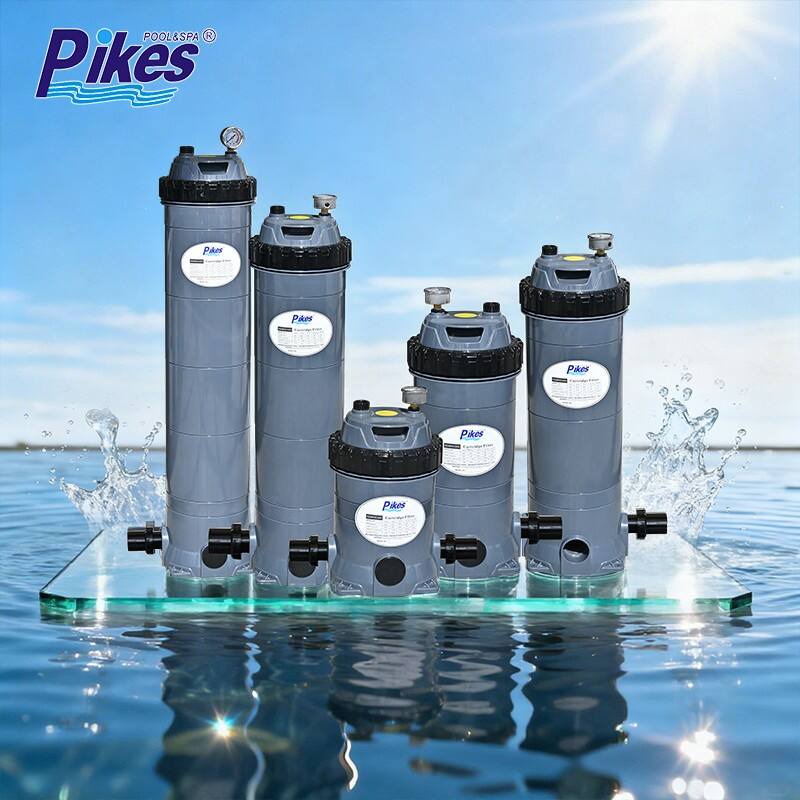
Cartridge Filter: Efficient And Water-Saving Pool Filtration Solution

15

Jan

Cartridge Filter: Efficient And Water-Saving Pool Filtration Solution

View More
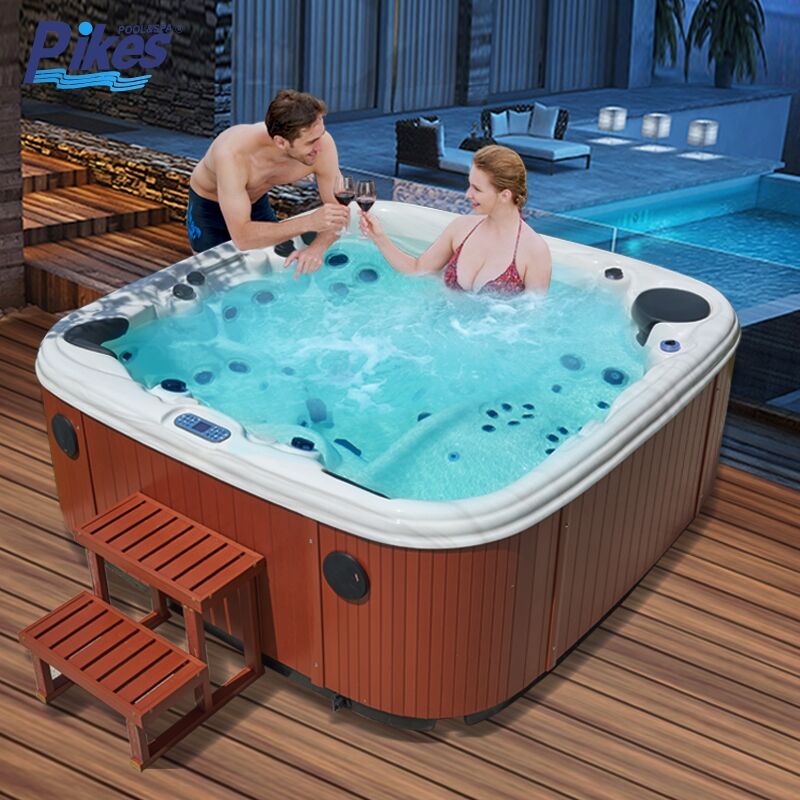
Why A Hot Tub Is The Perfect Investment For Relaxation And Wellness

15

Jan

Why A Hot Tub Is The Perfect Investment For Relaxation And Wellness

View More
Why More Families Are Choosing Hot Tubs For Modern Living

15

Jan

Why More Families Are Choosing Hot Tubs For Modern Living

View More
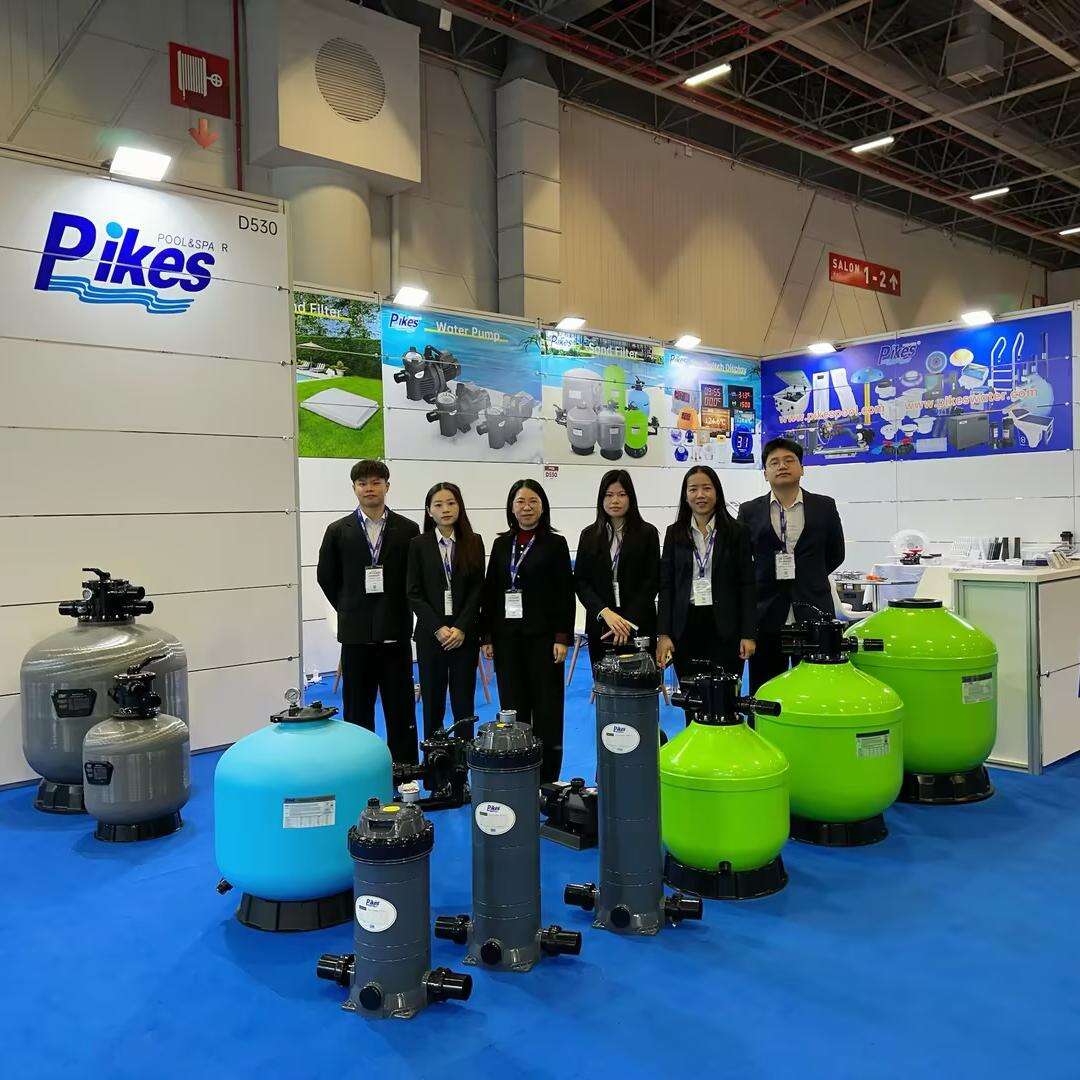
Pool Spa Equipment Joins AQUAFUN 2026 in Istanbul!

19

Jan

Pool Spa Equipment Joins AQUAFUN 2026 in Istanbul!

View More

Get a Free Quote

Our representative will contact you soon.
Email
Mobile
Name
Company Name
Message
0/1000

water return

Advanced Closed-Loop Circulation Technology

Advanced Closed-Loop Circulation Technology

The cornerstone of modern water return systems lies in their sophisticated closed-loop circulation technology, which revolutionizes how facilities manage their water resources. This innovative approach creates a completely contained water environment where every drop is continuously recycled and optimized for peak performance. Unlike traditional open systems that constantly consume fresh water and discharge waste, closed-loop circulation maintains a fixed volume of water that circulates indefinitely through the system. The technology employs precision-engineered pumps and distribution networks that ensure uniform water flow throughout all system components, eliminating dead zones and stagnation points that could compromise efficiency. Advanced filtration mechanisms integrated within the circulation loop continuously remove contaminants, suspended particles, and biological matter, maintaining water clarity and quality without external intervention. Temperature control becomes highly precise through circulation technology, as the system can rapidly distribute heated or cooled water to specific zones while maintaining overall thermal balance. The closed nature of the system prevents evaporation losses, which typically account for significant water waste in open systems, resulting in up to 95 percent reduction in water consumption. Smart flow regulation technology automatically adjusts circulation rates based on demand patterns, ensuring optimal performance while minimizing energy usage. The system design incorporates multiple circulation paths and redundancy features, guaranteeing continuous operation even during maintenance activities or component failures. Pressure balancing technology within the circulation network prevents cavitation and pump damage while ensuring consistent delivery pressure throughout the system. Chemical treatment efficiency improves dramatically in closed-loop systems, as treatments remain within the controlled environment and maintain their effectiveness longer. The technology enables heat recovery capabilities, capturing thermal energy from return water and transferring it to incoming supply streams, further enhancing overall system efficiency. Monitoring sensors positioned throughout the circulation network provide real-time data on flow rates, pressure differentials, and system performance metrics, enabling proactive optimization and maintenance scheduling.
Intelligent Water Quality Management System

Intelligent Water Quality Management System

The intelligent water quality management system represents a breakthrough in automated water treatment and monitoring technology, ensuring optimal water conditions while minimizing manual intervention and operational costs. This comprehensive system utilizes an array of sophisticated sensors and analytical instruments to continuously monitor critical water parameters including pH levels, dissolved oxygen content, conductivity, turbidity, and chemical composition. Advanced algorithms process this data in real-time, automatically adjusting treatment protocols to maintain water quality within predetermined specifications. The system employs multi-stage filtration technology, including mechanical strainers, activated carbon filters, and specialized membrane systems that remove contaminants at the molecular level. Automated chemical dosing systems precisely inject treatment chemicals based on real-time water analysis, eliminating guesswork and preventing over-treatment or under-treatment scenarios. UV sterilization technology integrated within the quality management system provides continuous disinfection without introducing harmful chemicals, ensuring biologically safe water throughout the entire circulation network. The intelligent system learns from operational patterns and historical data, developing predictive models that anticipate quality changes before they occur, enabling proactive treatment adjustments. Remote monitoring capabilities allow facility managers to track water quality metrics from anywhere, receiving instant alerts when parameters exceed acceptable ranges. The system maintains detailed logs of all water quality measurements and treatment activities, supporting regulatory compliance reporting and system optimization efforts. Automated backwashing and cleaning cycles maintain filter efficiency without manual intervention, extending component lifespan and ensuring consistent performance. The quality management system integrates seamlessly with building management systems, providing centralized control and coordination with other facility operations. Advanced diagnostic capabilities identify potential issues before they impact water quality, enabling scheduled maintenance that prevents system disruptions. Energy-efficient operation modes optimize power consumption while maintaining treatment effectiveness, contributing to overall system sustainability. The modular design allows for customization based on specific water quality requirements and facility needs, ensuring optimal performance across diverse applications.
Energy Recovery and Thermal Management Excellence

Energy Recovery and Thermal Management Excellence

The energy recovery and thermal management capabilities of advanced water return systems deliver unprecedented efficiency gains and operational cost reductions through innovative heat exchange and thermal optimization technologies. This sophisticated system captures and repurposes thermal energy that would traditionally be lost to the environment, converting waste heat into valuable energy resources for facility operations. High-efficiency heat exchangers strategically positioned throughout the water return network transfer thermal energy between return water streams and incoming supply water, pre-conditioning fresh water to optimal temperatures. The thermal management system employs variable-speed pumps and intelligent flow control to optimize heat transfer rates while minimizing energy consumption for circulation activities. Advanced insulation technologies and thermal barriers prevent heat loss during water transport, maintaining temperature stability throughout the entire distribution network. The system incorporates thermal storage capabilities, allowing excess heat energy to be stored during peak availability periods and released when demand increases, smoothing out thermal load variations. Smart thermal controls automatically adjust system parameters based on ambient conditions, occupancy patterns, and operational schedules, ensuring optimal energy utilization without compromising comfort or process requirements. Heat recovery ventilation systems integrated with the water return technology capture thermal energy from exhaust air streams and transfer it to water systems, maximizing overall facility energy efficiency. The thermal management system provides precise zone control, delivering water at specific temperatures to different areas based on individual requirements while maintaining overall system efficiency. Advanced monitoring systems track thermal performance metrics including heat transfer rates, energy recovery percentages, and system efficiency ratios, providing valuable data for optimization efforts. The technology enables waste heat utilization from industrial processes, capturing thermal energy from equipment cooling systems and redirecting it for beneficial use in space heating or domestic hot water applications. Seasonal thermal optimization adjusts system operation based on changing weather conditions and facility demands, maximizing energy recovery during favorable conditions. The system design incorporates thermal shock prevention mechanisms that protect equipment and piping from rapid temperature changes, extending component lifespan and reducing maintenance requirements. Integration with renewable energy sources allows the thermal management system to complement solar thermal collectors and geothermal systems, creating comprehensive sustainable energy solutions.

Get a Free Quote

Our representative will contact you soon.
Email
Mobile
Name
Company Name
Message
0/1000