Professional Water Quality Monitor Systems - Real-Time Monitoring Solutions for Accurate Water Analysis

Get a Free Quote

Our representative will contact you soon.
Email
Mobile
Name
Company Name
Message
0/1000

water quality monitor

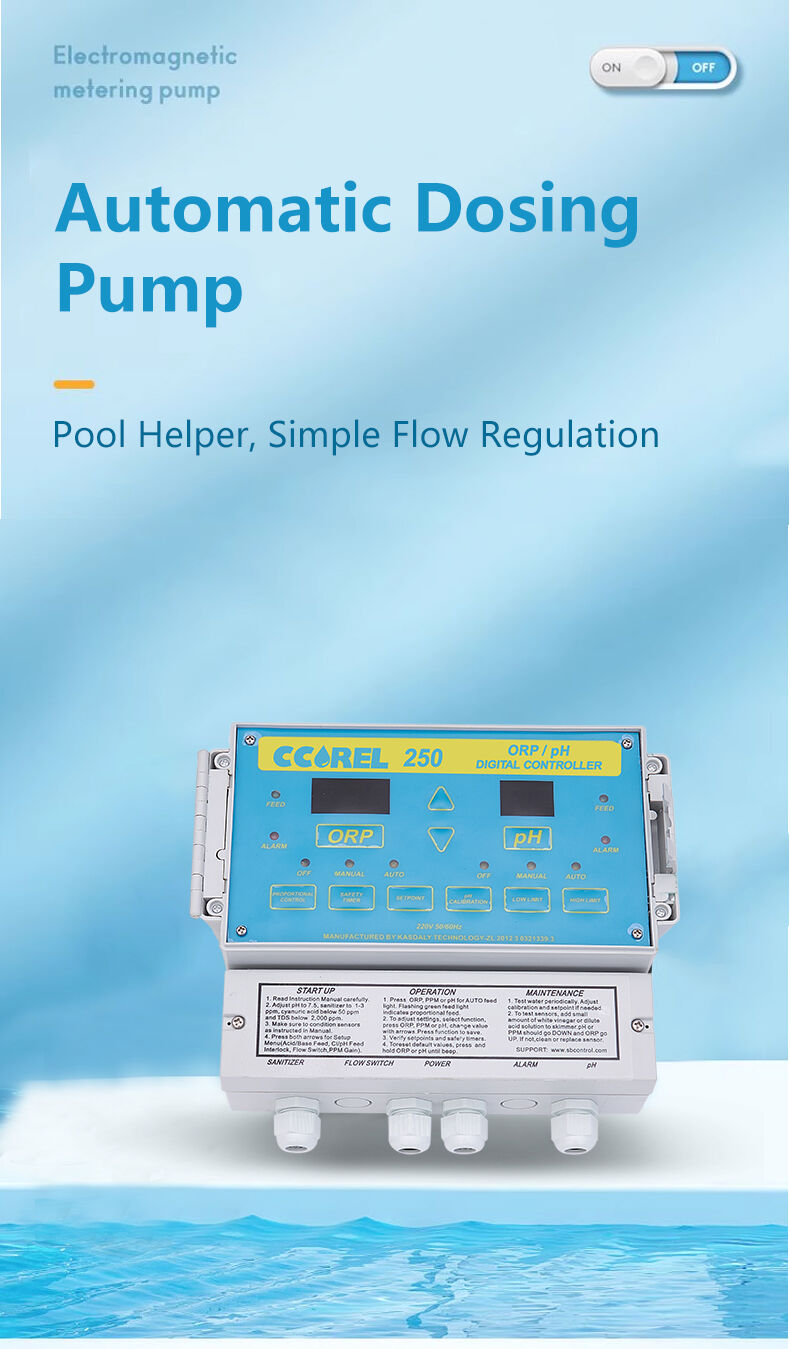
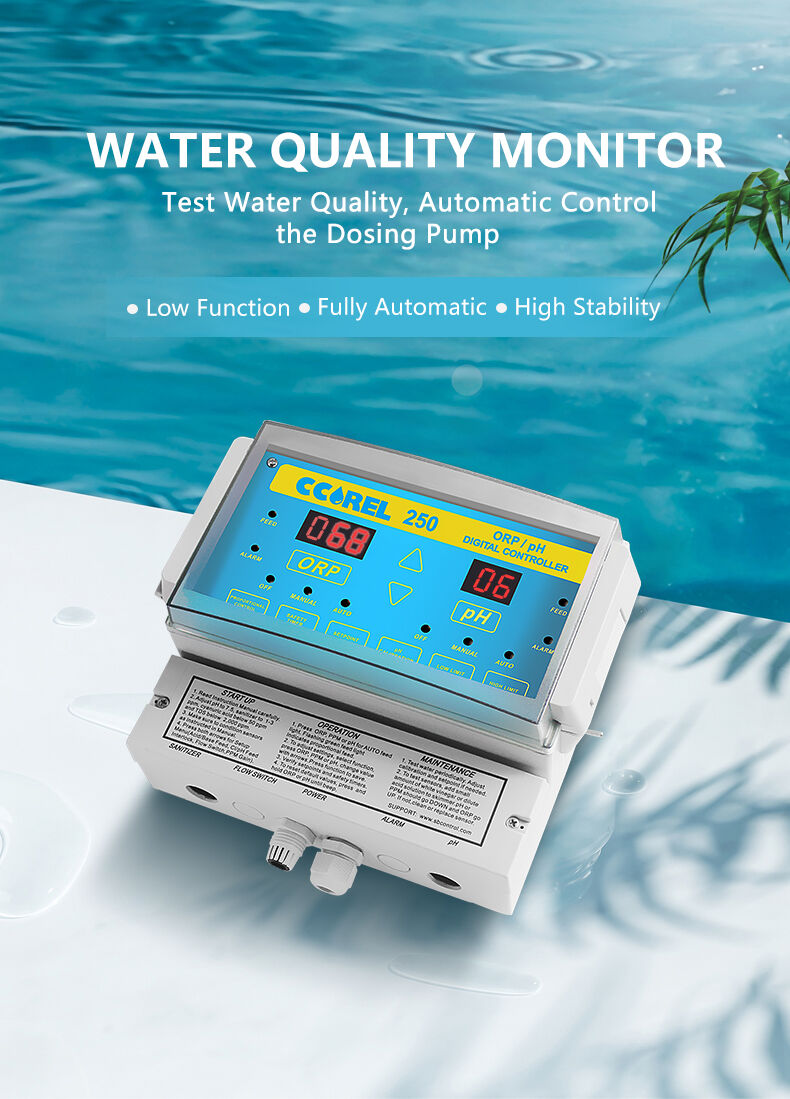
A water quality monitor represents an essential technological solution designed to continuously assess and measure various parameters that determine water safety and purity across diverse environments. These sophisticated devices serve as vigilant guardians of water systems, providing real-time data collection and analysis capabilities that ensure compliance with environmental standards and regulatory requirements. Modern water quality monitors incorporate advanced sensor technology to detect multiple parameters simultaneously, including pH levels, dissolved oxygen content, turbidity, conductivity, temperature, and various chemical concentrations that affect water safety. These monitoring systems operate through automated processes that eliminate human error while delivering consistent, accurate measurements around the clock. The technology behind water quality monitors combines precision sensors with intelligent software platforms that process data instantaneously, generating comprehensive reports and alerts when parameters exceed predetermined thresholds. Industries ranging from municipal water treatment facilities to agricultural operations rely on these monitoring systems to maintain optimal water conditions and prevent contamination events. The versatility of water quality monitor applications extends to environmental research stations, aquaculture facilities, swimming pool maintenance, industrial manufacturing processes, and residential well water testing. These devices feature robust construction designed to withstand harsh environmental conditions while maintaining measurement accuracy over extended periods. Remote monitoring capabilities allow operators to access critical water quality data from anywhere through wireless communication networks and cloud-based platforms. Integration with existing control systems enables automated responses to parameter changes, such as adjusting chemical dosing or triggering emergency protocols. The data logging capabilities of modern water quality monitors create valuable historical records that support trend analysis, regulatory reporting, and system optimization efforts. User-friendly interfaces simplify operation and maintenance procedures, making these sophisticated monitoring systems accessible to personnel with varying technical backgrounds while ensuring reliable performance in critical water quality management applications.
New Products

Water quality monitors deliver immediate cost savings by preventing expensive contamination incidents that could otherwise result in system shutdowns, product recalls, or regulatory penalties. These monitoring systems detect problems early, allowing operators to implement corrective measures before minor issues escalate into major crises that demand significant financial resources to resolve. The automated nature of water quality monitors eliminates the need for constant manual testing, reducing labor costs while improving measurement frequency and accuracy. Personnel can focus on other critical tasks knowing that the monitoring system maintains continuous surveillance over water quality parameters. Real-time alerts enable rapid response to changing conditions, minimizing downtime and protecting valuable equipment from damage caused by poor water quality. The comprehensive data collection capabilities of these monitors support informed decision-making processes that optimize chemical usage, reduce waste, and improve overall system efficiency. Regulatory compliance becomes effortless with automated reporting features that generate documentation required by environmental agencies and industry standards. The reliability of modern water quality monitors ensures consistent performance in demanding environments, providing peace of mind for facility managers responsible for maintaining safe water conditions. Remote monitoring capabilities eliminate the need for frequent site visits, saving time and transportation costs while enabling 24/7 oversight of multiple locations from a centralized control room. These systems adapt to various water sources and applications, making them versatile solutions for diverse industries and organizations. The precision of sensor technology ensures accurate measurements that support quality assurance programs and help maintain customer confidence in water-related products and services. Long-term operational benefits include extended equipment lifespan through early detection of corrosive conditions, reduced maintenance requirements, and improved system reliability. Investment in water quality monitors demonstrates commitment to environmental stewardship and public health protection, enhancing organizational reputation while meeting stakeholder expectations. The scalability of these monitoring systems allows facilities to expand coverage as operations grow, ensuring continued protection and compliance throughout organizational development.

Tips And Tricks

What Is A Saltwater Chlorinator And How Does It Work

15

Jan

What Is A Saltwater Chlorinator And How Does It Work

View More
Why A Hot Tub Is The Perfect Investment For Relaxation And Wellness

15

Jan

Why A Hot Tub Is The Perfect Investment For Relaxation And Wellness

View More
Why More Families Are Choosing Hot Tubs For Modern Living

15

Jan

Why More Families Are Choosing Hot Tubs For Modern Living

View More
Wall-Mounted Filter: Space-Saving Filtration Solution For Swimming Pools

15

Jan

Wall-Mounted Filter: Space-Saving Filtration Solution For Swimming Pools

View More

Get a Free Quote

Our representative will contact you soon.
Email
Mobile
Name
Company Name
Message
0/1000

water quality monitor

Advanced Multi-Parameter Sensing Technology

Advanced Multi-Parameter Sensing Technology

The cornerstone of effective water quality monitoring lies in the sophisticated multi-parameter sensing technology that enables simultaneous measurement of numerous critical water quality indicators within a single integrated system. Modern water quality monitors incorporate state-of-the-art sensors capable of detecting pH variations, dissolved oxygen concentrations, turbidity levels, electrical conductivity, temperature fluctuations, and specific chemical parameters with exceptional precision and reliability. This comprehensive sensing approach eliminates the need for multiple individual testing devices, reducing equipment costs while simplifying installation and maintenance procedures. The advanced sensor arrays utilize cutting-edge materials and design principles that ensure long-term stability and minimal drift, providing consistent accuracy over extended operational periods. Calibration procedures have been streamlined through automated protocols that maintain sensor performance without requiring extensive technical expertise from operators. The multi-parameter capability allows users to observe correlations between different water quality parameters, providing deeper insights into system behavior and potential issues that might not be apparent when monitoring individual parameters in isolation. Real-time data processing algorithms analyze sensor inputs continuously, identifying trends and patterns that indicate developing problems before they become critical. The robust construction of these sensing systems ensures reliable operation in challenging environments, including extreme temperatures, high humidity, and corrosive conditions that would compromise lesser monitoring equipment. Digital communication protocols enable seamless integration with existing control systems and data management platforms, creating comprehensive water quality management solutions. The flexibility of modern sensor technology allows customization of parameter selection based on specific application requirements, ensuring that each water quality monitor delivers relevant information for its intended use. Maintenance requirements have been minimized through self-diagnostic capabilities that alert operators to sensor issues and guide troubleshooting procedures, reducing downtime and ensuring continuous monitoring coverage.
Real-Time Data Analytics and Intelligent Alerting

Real-Time Data Analytics and Intelligent Alerting

The transformative power of modern water quality monitors extends far beyond simple parameter measurement through their integration of sophisticated real-time data analytics and intelligent alerting systems that convert raw sensor data into actionable insights for water management professionals. These advanced analytical capabilities process continuous streams of measurement data, applying statistical algorithms and machine learning techniques to identify patterns, trends, and anomalies that indicate potential water quality issues before they become critical problems. The intelligent alerting system operates on multiple levels, providing customizable threshold-based notifications for immediate parameter excursions while also detecting subtle trends that suggest gradual system degradation or emerging contamination events. Users can configure alert parameters based on their specific operational requirements, ensuring that notifications provide relevant information without overwhelming operators with unnecessary warnings. The data analytics platform creates comprehensive dashboards that present complex water quality information in easily understood visual formats, enabling quick assessment of system status and informed decision-making processes. Historical data storage and analysis capabilities support long-term trend identification, regulatory reporting requirements, and system optimization efforts that improve operational efficiency over time. Predictive analytics features analyze historical patterns and current conditions to forecast potential issues, enabling proactive maintenance scheduling and preventive interventions that minimize disruption to operations. The cloud-based architecture of modern data analytics platforms ensures secure data storage and accessibility from multiple devices and locations, supporting collaborative decision-making processes and remote system management. Integration with mobile applications allows key personnel to receive alerts and access critical water quality information regardless of their physical location, ensuring rapid response to emergency situations. Advanced reporting tools generate customized reports that meet specific regulatory requirements and stakeholder information needs, reducing administrative burden while ensuring compliance with applicable standards. The scalability of these analytics platforms accommodates growing data volumes and expanding monitoring networks without compromising performance or functionality.
Seamless Integration and Remote Monitoring Capabilities

Seamless Integration and Remote Monitoring Capabilities

The exceptional value proposition of contemporary water quality monitors centers on their seamless integration capabilities and comprehensive remote monitoring features that transform isolated measuring devices into interconnected components of intelligent water management networks. These sophisticated systems utilize multiple communication protocols including WiFi, cellular, ethernet, and satellite connections to ensure reliable data transmission regardless of location or infrastructure limitations. The integration architecture supports connection with existing SCADA systems, building management platforms, and industrial control networks without requiring extensive modifications to established operational procedures. Remote monitoring capabilities enable real-time access to water quality data from anywhere in the world through secure web-based interfaces and mobile applications that provide identical functionality across different devices and operating systems. This connectivity empowers facility managers to maintain oversight of multiple locations simultaneously, optimizing resource allocation while ensuring consistent water quality standards across distributed operations. The remote accessibility features include comprehensive user management systems that control access levels and permissions, ensuring data security while enabling appropriate stakeholders to access relevant information. Automated backup systems protect critical data against loss while redundant communication pathways ensure continuous connectivity even when primary networks experience disruptions. The integration platform supports bidirectional communication, enabling remote configuration changes, calibration procedures, and system updates that minimize on-site maintenance requirements. Real-time synchronization ensures that all connected devices and platforms display current information, eliminating confusion and supporting coordinated response efforts during emergency situations. The flexibility of these integration systems accommodates various network topologies and security requirements, making them suitable for diverse organizational structures and operational environments. Cloud-based data storage and processing capabilities provide virtually unlimited scalability while ensuring data availability and system performance regardless of local infrastructure limitations. Third-party integration support enables connection with complementary monitoring systems and analytical tools, creating comprehensive environmental monitoring solutions that extend beyond basic water quality parameters to include related factors such as weather conditions, flow rates, and system performance metrics.

Get a Free Quote

Our representative will contact you soon.
Email
Mobile
Name
Company Name
Message
0/1000