Energy Efficiency and Cost Savings Excellence
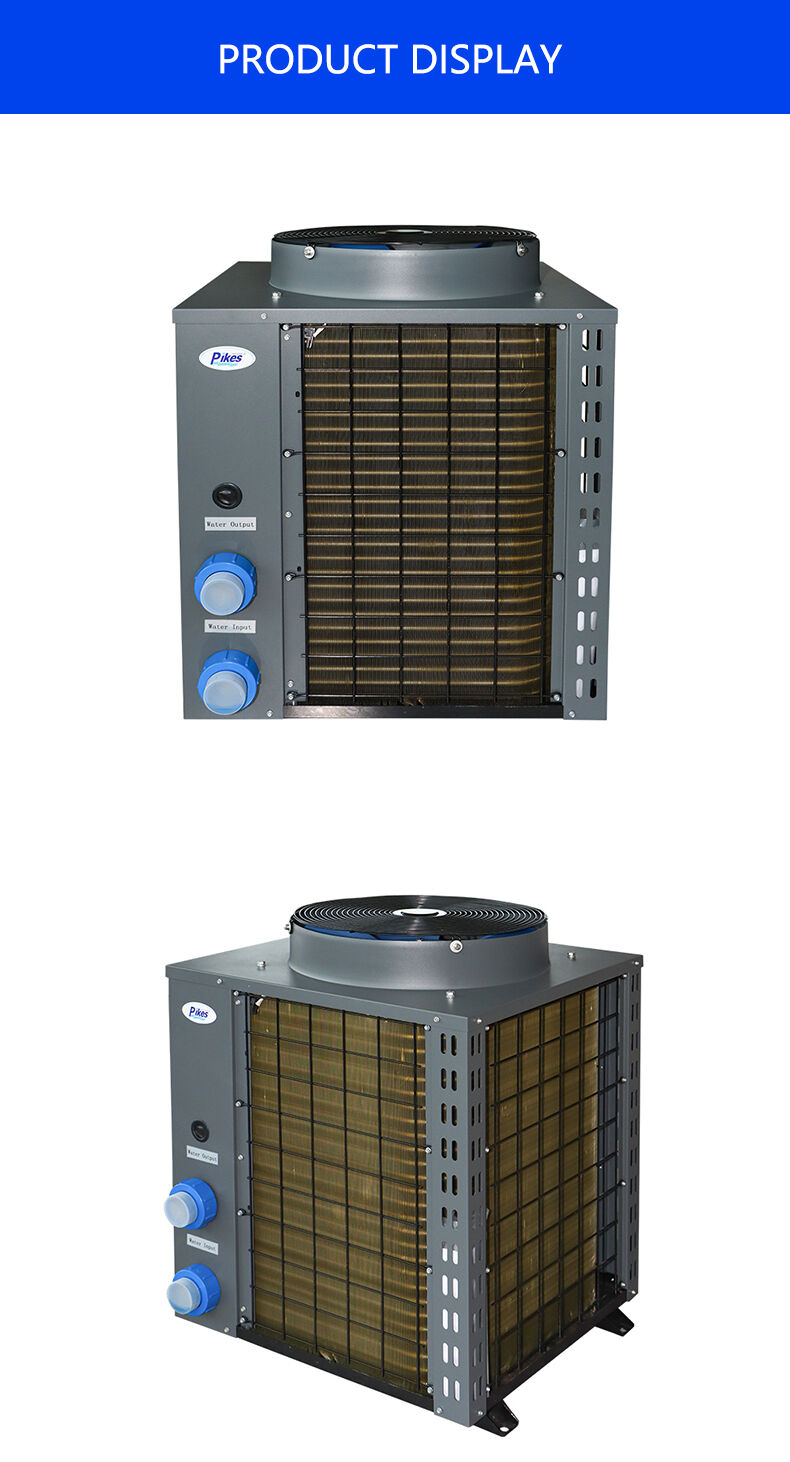
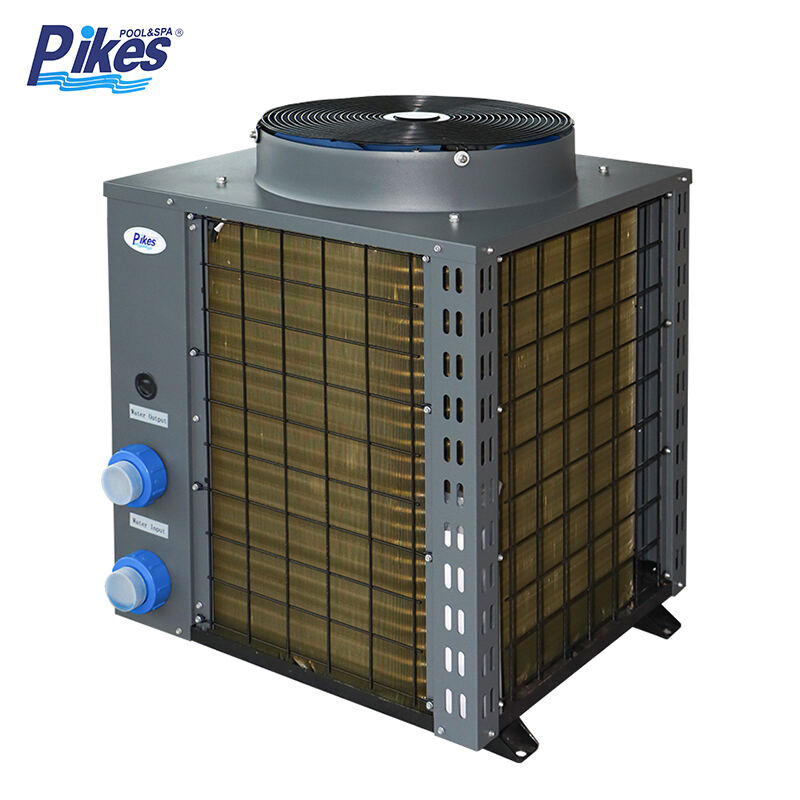
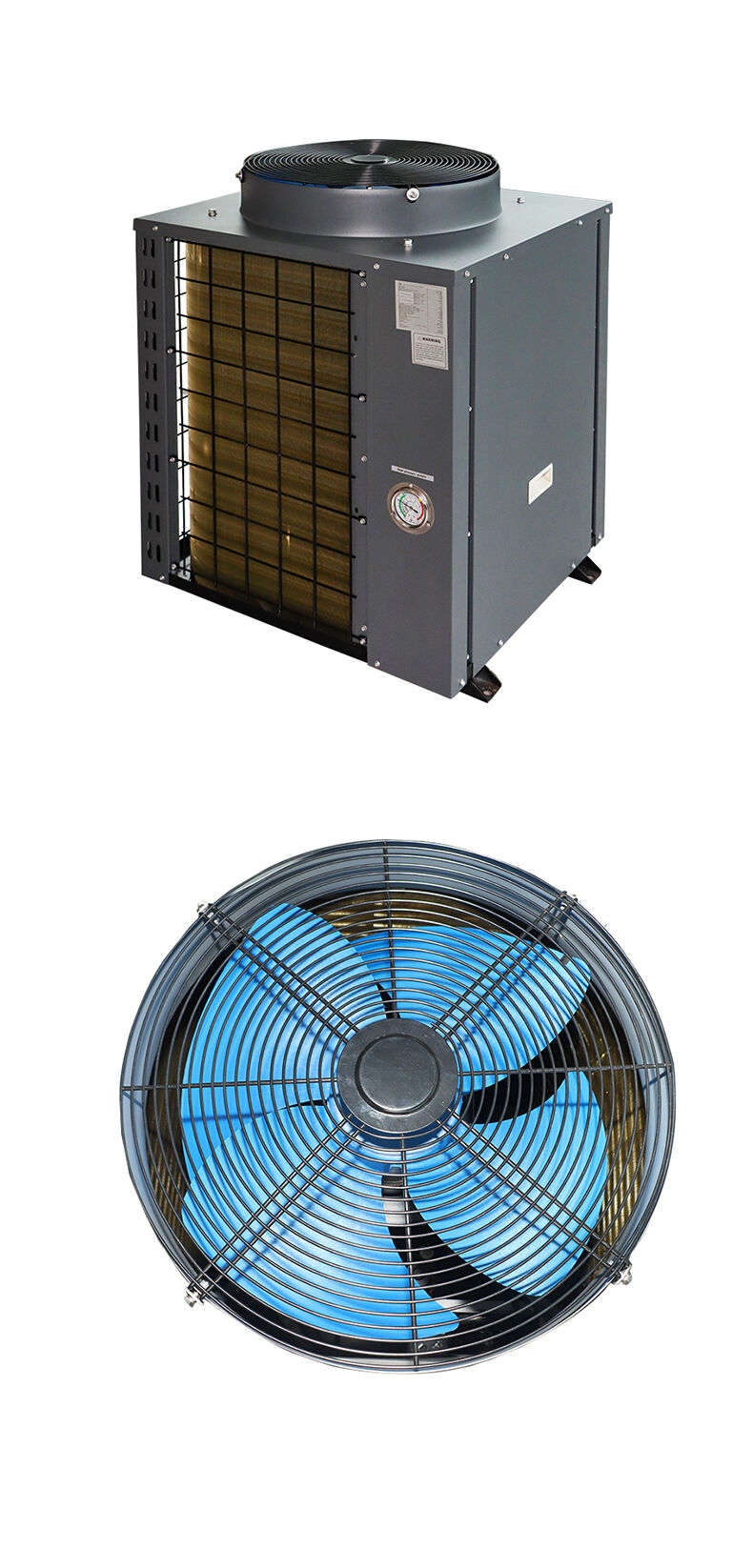
The exceptional energy efficiency of pool heat pump for above ground pool systems stands as their most compelling feature, delivering substantial cost savings while maintaining superior heating performance. These advanced units operate on heat transfer principles rather than heat generation, extracting thermal energy from ambient air and amplifying it through sophisticated compression technology. The coefficient of performance typically achieves ratios between 4:1 and 6:1, meaning each kilowatt of electricity consumed produces four to six kilowatts of heating power. This remarkable efficiency translates into dramatic reductions in operational expenses, with homeowners experiencing up to 80 percent lower heating costs compared to traditional electric resistance heaters. The intelligent variable speed technology incorporated in modern pool heat pump for above ground pool models automatically adjusts compressor operation based on heating demand, optimizing energy consumption while maintaining precise temperature control. During mild weather conditions, these systems operate at reduced capacity, consuming minimal electricity while providing adequate heating output. The smart defrost cycles prevent ice formation on evaporator coils during cooler temperatures, ensuring consistent performance without energy waste. Advanced inverter technology enables seamless modulation of heating output, eliminating the energy spikes associated with traditional on-off cycling systems. Pool heat pump for above ground pool installations typically recover their initial investment within three to five years through accumulated energy savings, making them financially attractive long-term solutions. The extended operational lifespan, often exceeding 15 years with proper maintenance, provides exceptional value compared to conventional heating alternatives that require more frequent replacement. Environmental benefits include significantly reduced carbon footprint, as these systems utilize renewable thermal energy from ambient air rather than burning fossil fuels. The precise temperature regulation capabilities prevent energy waste from overheating, while programmable timers allow users to schedule heating cycles during off-peak electricity rates for additional savings.
 ×
×


 EN
EN