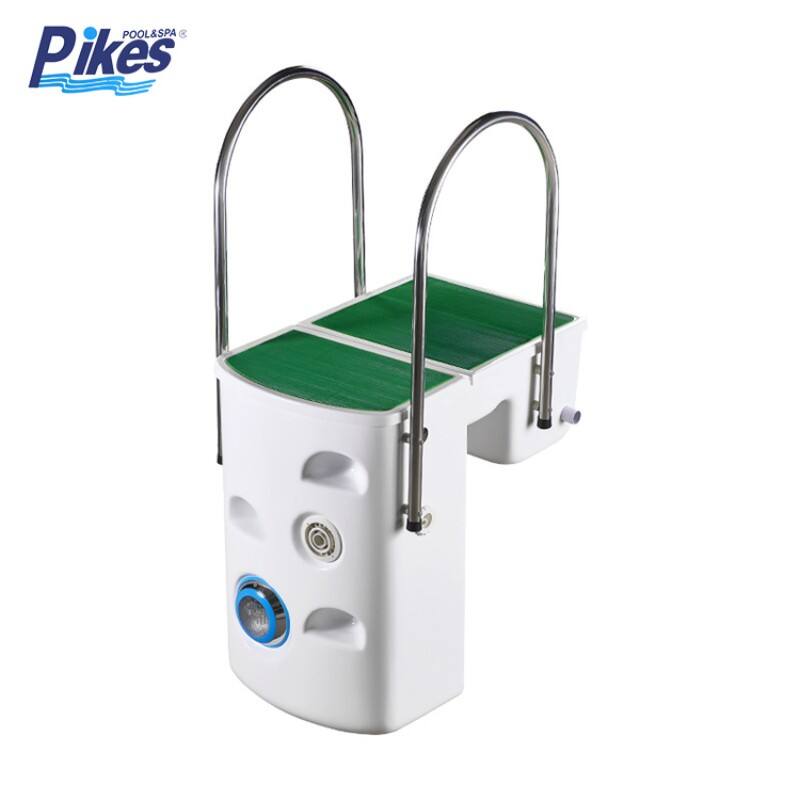
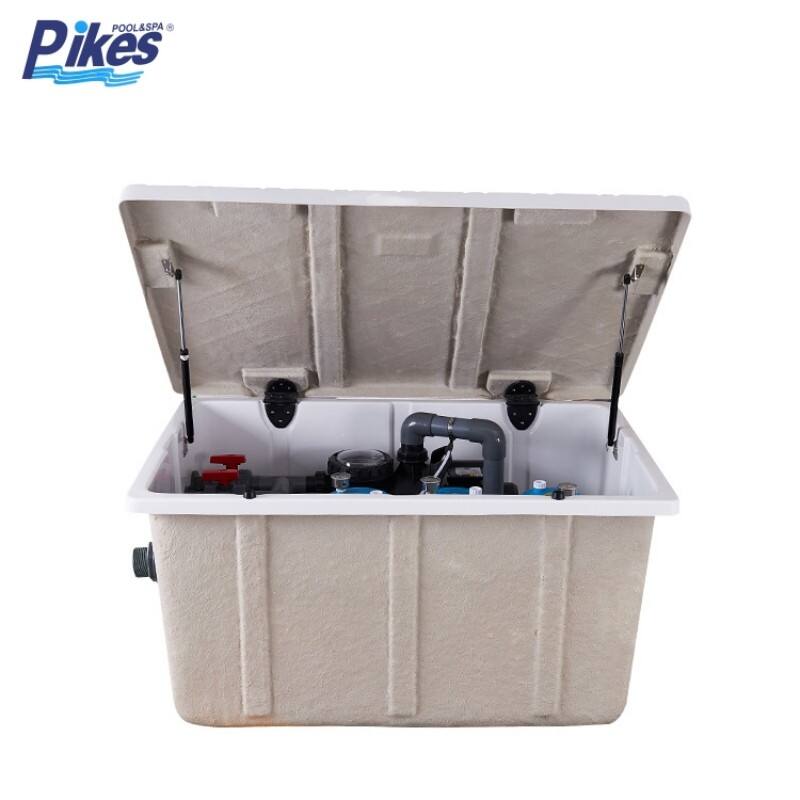
Inground Filter Systems: Advanced Water Treatment Solutions for Residential and Commercial Applications

Get a Free Quote

Our representative will contact you soon.
Email
Mobile
Name
Company Name
Message
0/1000

inground filter

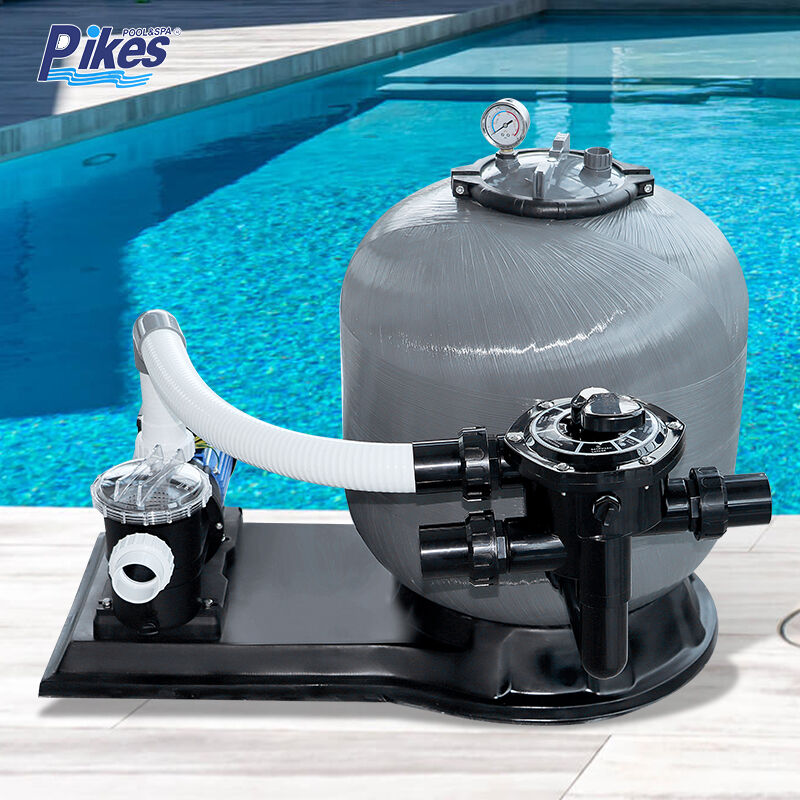
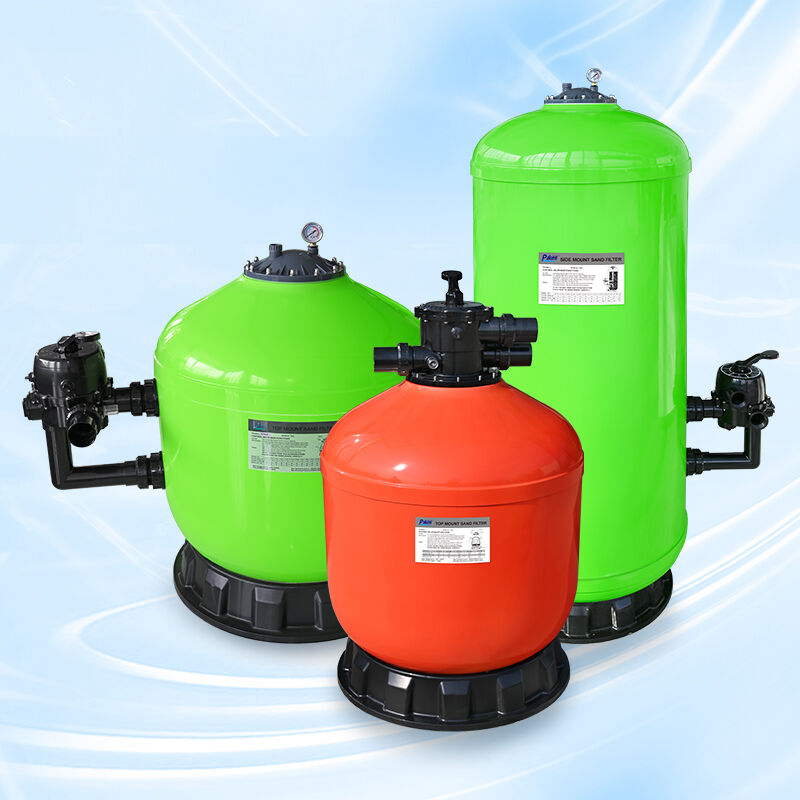
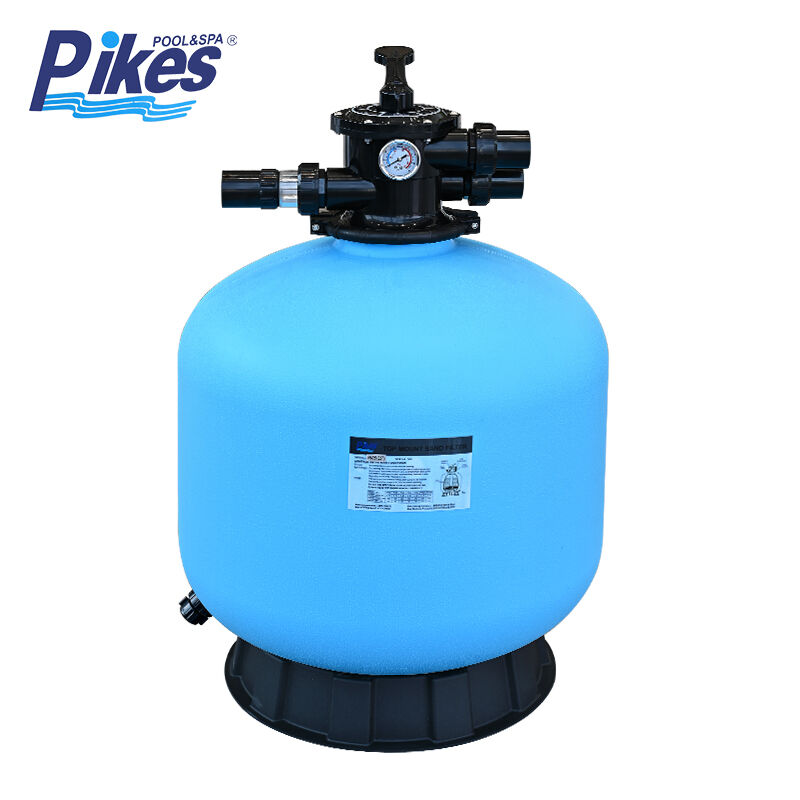
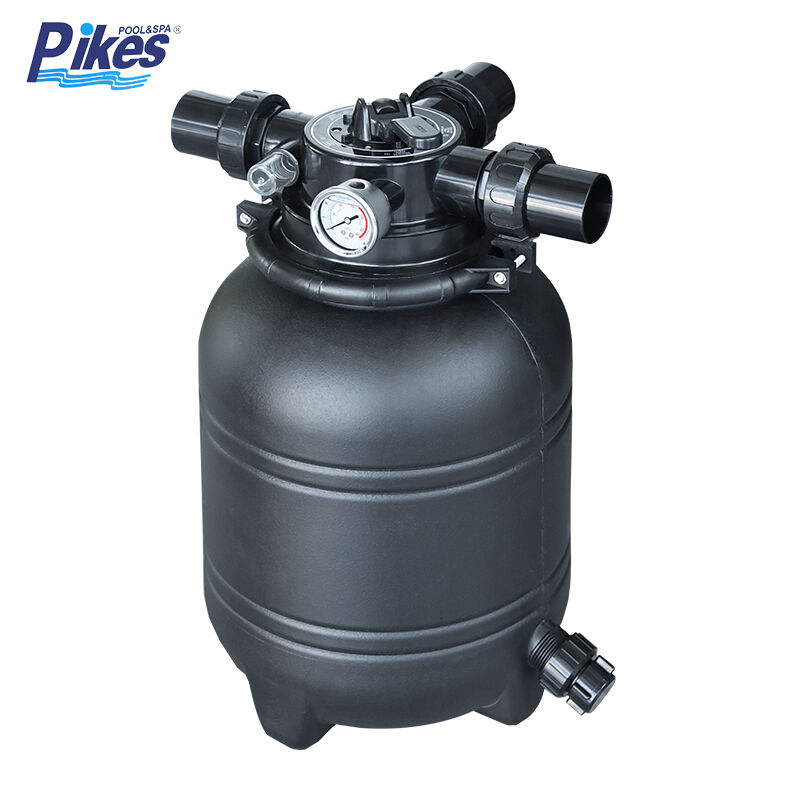
An inground filter represents a sophisticated water treatment solution designed to provide comprehensive filtration directly beneath the ground surface. This innovative filtration system operates by utilizing the natural filtering properties of soil layers combined with advanced engineered components to deliver exceptional water purification results. The inground filter functions as a permanent installation that seamlessly integrates with existing water infrastructure while maintaining optimal performance standards throughout its operational lifespan. The primary functions of an inground filter encompass removing sediments, organic contaminants, chemical pollutants, and biological impurities from water sources. The system employs multiple filtration stages, beginning with coarse screening to eliminate large debris, followed by fine filtration layers that capture microscopic particles and dissolved substances. Advanced inground filter designs incorporate specialized media configurations that target specific contaminants based on local water quality requirements and environmental conditions. Technologically, the inground filter utilizes gravity-fed mechanisms combined with pressure differential systems to ensure consistent water flow rates and filtration efficiency. The system features durable construction materials resistant to corrosion, chemical degradation, and extreme temperature variations. Modern inground filter installations include monitoring capabilities that track system performance, maintenance requirements, and filtration effectiveness through integrated sensor networks and automated reporting systems. Applications for inground filter systems span residential, commercial, industrial, and municipal sectors. Residential installations typically serve individual homes or small communities seeking reliable water treatment solutions. Commercial applications include restaurants, hotels, manufacturing facilities, and office complexes requiring high-quality water for operations. Industrial uses encompass process water treatment, cooling system filtration, and wastewater pretreatment applications. Municipal implementations focus on community water supply enhancement, stormwater management, and environmental protection initiatives. The versatility of inground filter technology makes it suitable for diverse geographic locations and varying water quality challenges.

Popular Products

The inground filter delivers substantial benefits that make it an excellent choice for property owners seeking reliable water treatment solutions. First, the system provides continuous water purification without requiring daily maintenance or operator intervention. Once installed, the inground filter operates automatically, removing contaminants and improving water quality around the clock. This hands-off approach saves time and eliminates the need for constant monitoring, making it perfect for busy homeowners and commercial properties. Second, the inground filter offers exceptional cost-effectiveness compared to alternative water treatment methods. The system requires minimal electricity to operate, significantly reducing monthly utility expenses. Additionally, the durable construction ensures long-term performance with minimal replacement needs, providing excellent return on investment over decades of service. Maintenance costs remain low because the inground filter design minimizes component wear and tear through efficient operation principles. Third, space efficiency represents a major advantage of the inground filter system. Because the unit installs below ground level, it preserves valuable surface area for other uses while providing comprehensive water treatment capabilities. This underground placement eliminates visual clutter and maintains property aesthetics without compromising filtration performance. Property owners can utilize the entire surface area for landscaping, construction, or recreational purposes while benefiting from advanced water purification technology. Fourth, the inground filter provides superior environmental protection through effective contaminant removal and responsible waste management practices. The system prevents harmful substances from entering groundwater supplies and surface water bodies, contributing to ecosystem preservation and public health protection. The filtration process removes chemicals, bacteria, viruses, and other pollutants that could otherwise cause environmental damage or health risks. Fifth, installation flexibility allows the inground filter to adapt to various site conditions and specific requirements. Professional installers can customize the system configuration to match existing infrastructure, soil conditions, and water flow patterns. This adaptability ensures optimal performance regardless of property layout or environmental constraints. Finally, the inground filter enhances property value through improved water quality and modern infrastructure upgrades that appeal to potential buyers and increase marketability.

Practical Tips

What Is A Saltwater Chlorinator And How Does It Work

15

Jan

What Is A Saltwater Chlorinator And How Does It Work

View More
Cartridge Filter: Efficient And Water-Saving Pool Filtration Solution

15

Jan

Cartridge Filter: Efficient And Water-Saving Pool Filtration Solution

View More
Why A Hot Tub Is The Perfect Investment For Relaxation And Wellness

15

Jan

Why A Hot Tub Is The Perfect Investment For Relaxation And Wellness

View More
Pool Spa Equipment Joins AQUAFUN 2026 in Istanbul!

19

Jan

Pool Spa Equipment Joins AQUAFUN 2026 in Istanbul!

View More

Get a Free Quote

Our representative will contact you soon.
Email
Mobile
Name
Company Name
Message
0/1000

inground filter

Advanced Multi-Stage Filtration Technology

Advanced Multi-Stage Filtration Technology

The inground filter incorporates cutting-edge multi-stage filtration technology that delivers unparalleled water purification performance through a carefully engineered sequence of treatment processes. This sophisticated system begins with preliminary screening stages that remove large debris, leaves, and sediment particles before water enters the primary filtration chambers. The initial screening prevents clogging and extends the lifespan of downstream filtration components while maintaining optimal flow rates throughout the system. Following preliminary treatment, water passes through progressively finer filtration media designed to capture increasingly smaller contaminants. The second stage utilizes specialized granular media that removes suspended solids, turbidity, and organic matter through physical straining and adsorption mechanisms. This layer effectively eliminates particles as small as 10 microns while maintaining sufficient porosity for consistent water flow. The third filtration stage employs activated carbon media specifically selected for chemical contaminant removal, including chlorine, volatile organic compounds, pesticides, and industrial chemicals that affect taste, odor, and safety. The fourth stage incorporates biological treatment processes where beneficial microorganisms break down organic pollutants and convert harmful substances into harmless byproducts. This biological component provides natural treatment enhancement while reducing chemical dependency and environmental impact. The final polishing stage utilizes advanced filtration media that captures remaining microscopic particles and provides final water quality improvement before discharge or reuse. Each filtration stage operates synergistically to maximize contaminant removal efficiency while minimizing operational costs and maintenance requirements. The multi-stage design allows for targeted treatment optimization based on specific water quality challenges and regulatory requirements. Regular backwashing cycles automatically clean filtration media and maintain system performance without manual intervention. The inground filter monitoring system continuously tracks each stage performance and alerts operators to maintenance needs or system anomalies, ensuring consistent water quality and reliable operation throughout the system lifecycle.
Environmentally Sustainable Operation

Environmentally Sustainable Operation

The inground filter exemplifies environmental responsibility through its sustainable operation principles and minimal ecological footprint. This system harnesses natural processes to enhance water treatment effectiveness while reducing energy consumption and chemical usage compared to conventional treatment technologies. The gravitational flow design eliminates the need for high-energy pumping systems, significantly reducing electricity consumption and associated carbon emissions. The inground filter utilizes renewable biological processes that occur naturally in soil environments, creating a self-sustaining treatment ecosystem that requires minimal external inputs. The system design incorporates native soil microorganisms that naturally break down organic contaminants and convert harmful substances into benign compounds through biological degradation processes. This biological treatment component reduces dependence on chemical additives while providing effective contaminant removal that meets or exceeds regulatory standards. The inground filter protects groundwater resources by preventing contaminated water from infiltrating deeper soil layers and reaching aquifer systems. The comprehensive filtration process removes pollutants before they can migrate through soil and potentially contaminate drinking water supplies or sensitive ecological areas. The system also prevents surface water contamination by treating runoff and wastewater before discharge to streams, lakes, or other water bodies. Long-term environmental benefits include soil improvement through enhanced filtration capacity and increased biological activity in treatment zones. The inground filter creates beneficial microbial communities that continue improving treatment effectiveness over time while contributing to overall soil health. The system generates minimal waste products because most removed contaminants undergo biological decomposition or remain safely contained within the filtration media. Periodic maintenance activities focus on media regeneration rather than disposal, reducing waste generation and associated environmental impacts. The sustainable operation model ensures decades of reliable service with minimal environmental disruption and contributes to broader environmental protection goals through responsible water management practices that benefit entire communities and ecosystems.
Cost-Effective Long-Term Investment

Cost-Effective Long-Term Investment

The inground filter represents an exceptional long-term investment opportunity that delivers substantial financial benefits through reduced operational costs, minimal maintenance requirements, and enhanced property values. The initial installation cost quickly pays for itself through significant savings on water treatment expenses, utility bills, and maintenance activities compared to alternative treatment systems. The system operates with remarkable energy efficiency, requiring minimal electricity for automated functions while relying primarily on gravitational forces and natural processes for water treatment. This low-energy operation translates to minimal monthly operating costs that remain stable regardless of energy price fluctuations or utility rate increases. The inground filter construction utilizes premium materials engineered for decades of reliable service without requiring frequent component replacement or major system overhauls. The durable design withstands harsh environmental conditions, chemical exposure, and mechanical stress while maintaining consistent performance throughout its extended operational lifespan. Maintenance requirements focus primarily on periodic inspection and routine cleaning procedures that property owners or maintenance staff can easily perform without specialized training or expensive equipment. The automated operation reduces labor costs associated with system monitoring and routine adjustments that other treatment technologies require. The inground filter provides predictable maintenance scheduling that allows for budget planning and prevents unexpected repair expenses that can occur with more complex treatment systems. The system reliability eliminates costs associated with treatment failures, emergency repairs, and temporary water treatment solutions that disrupt operations and increase expenses. Property value enhancement represents an additional financial benefit as the inground filter installation increases marketability and appeal to potential buyers who recognize the value of advanced water treatment infrastructure. The system provides competitive advantages for commercial properties by ensuring consistent water quality that meets regulatory requirements and customer expectations. Insurance benefits may include reduced premiums for properties with advanced water treatment systems that minimize environmental risks and liability exposure. The comprehensive filtration capability eliminates needs for supplementary treatment equipment, reducing capital expenditure requirements and simplifying system management. Return on investment calculations demonstrate that the inground filter typically recovers initial costs within three to five years through operational savings and continues providing financial benefits throughout its multi-decade service life.

Get a Free Quote

Our representative will contact you soon.
Email
Mobile
Name
Company Name
Message
0/1000