Indoor Pool Pump Systems: Advanced Circulation Technology for Optimal Water Quality

Get a Free Quote

Our representative will contact you soon.
Email
Mobile
Name
Company Name
Message
0/1000

indoor pool pump

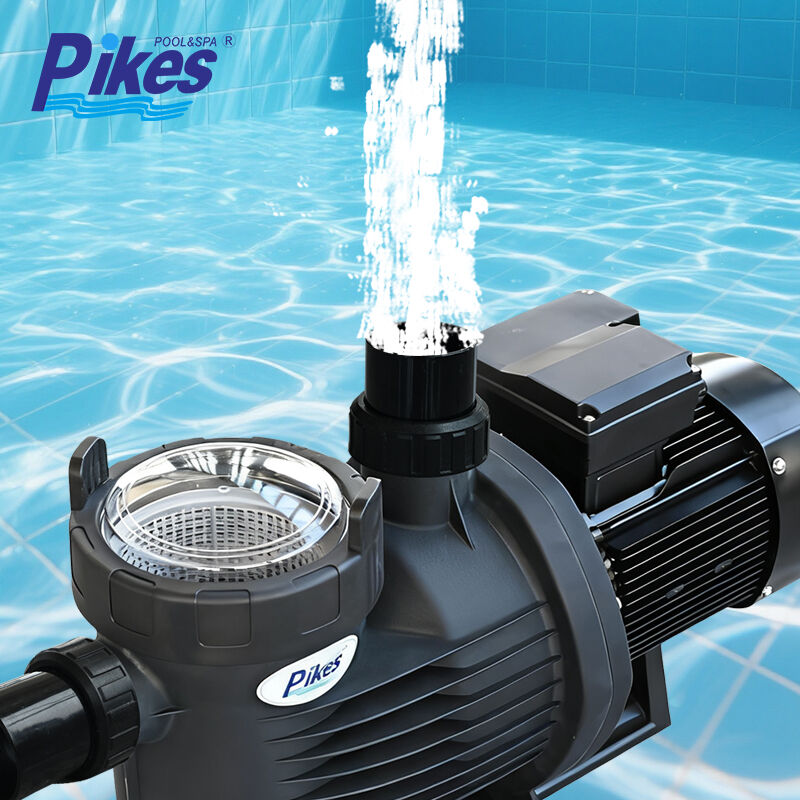
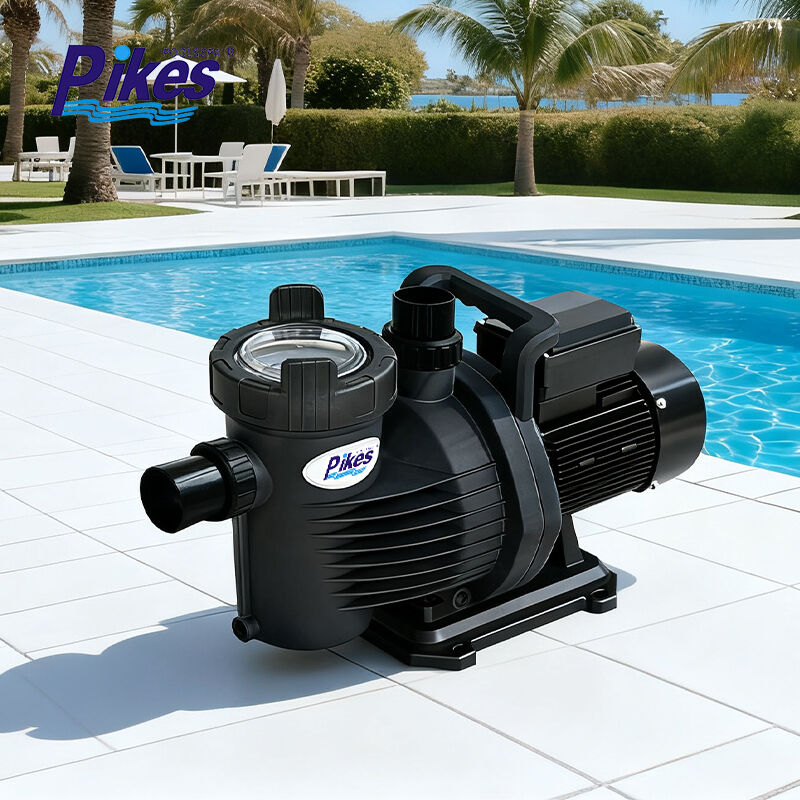
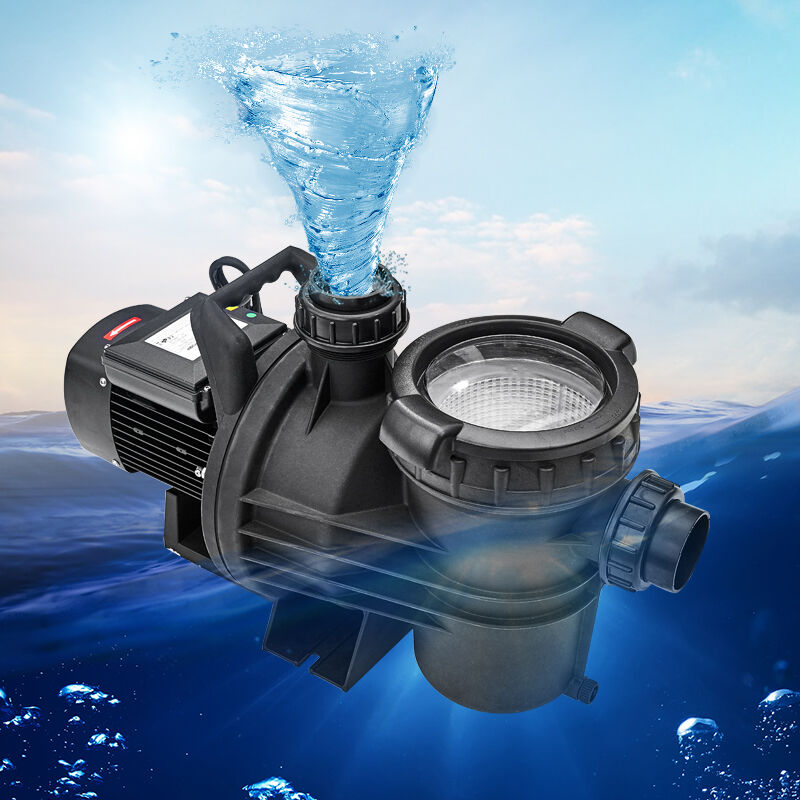
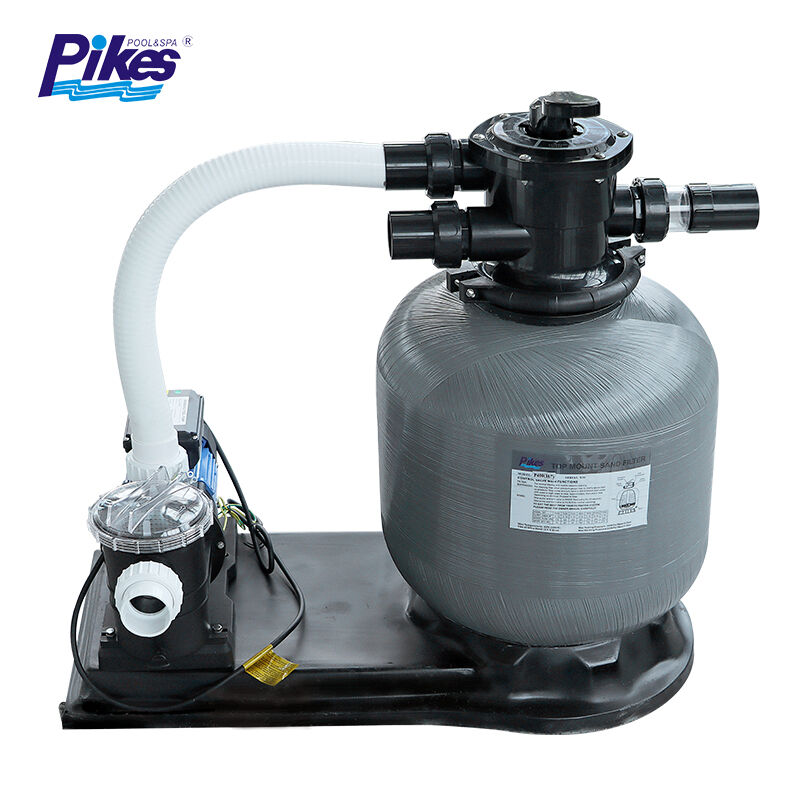
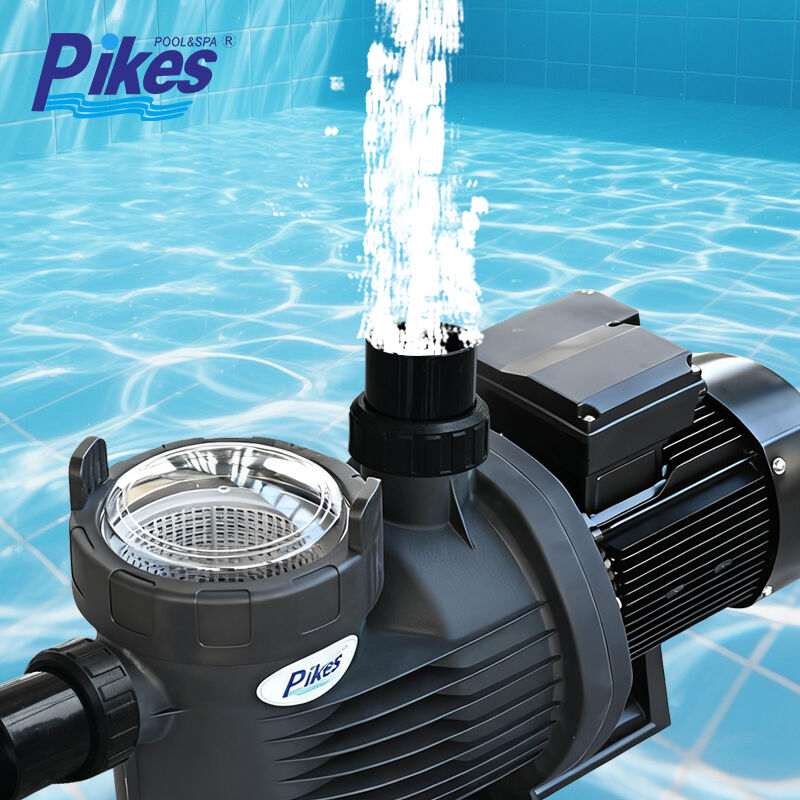
An indoor pool pump serves as the circulation system's heart, maintaining water quality and ensuring optimal swimming conditions throughout the year. This essential equipment moves water through filtration systems, heating units, and chemical treatment processes to create a safe and enjoyable aquatic environment. The indoor pool pump operates by drawing water from the pool through skimmers and main drains, then pushing it through various treatment stages before returning clean, heated water back to the pool. Modern indoor pool pump systems incorporate advanced motor technology that delivers consistent performance while minimizing energy consumption. These pumps feature variable speed capabilities, allowing users to adjust flow rates based on specific needs such as cleaning cycles, heating requirements, or regular circulation. The robust construction of contemporary indoor pool pump units ensures reliable operation in controlled indoor environments where temperature and humidity levels remain relatively stable. Professional-grade indoor pool pump models include corrosion-resistant components that withstand chemical exposure from pool sanitizers and pH balancing agents. Many systems integrate smart controls that enable remote monitoring and automated scheduling, making pool maintenance more convenient for facility managers and homeowners alike. The indoor pool pump typically connects to a comprehensive filtration network that includes sand filters, cartridge systems, or diatomaceous earth filters, depending on the specific installation requirements. Proper sizing of an indoor pool pump is crucial for achieving optimal water turnover rates, typically requiring complete circulation every six to eight hours for residential applications and more frequent turnover for commercial facilities. Installation considerations for indoor pool pump systems include adequate ventilation, electrical safety measures, and accessibility for routine maintenance procedures. Regular maintenance of the indoor pool pump involves cleaning strainer baskets, monitoring pressure gauges, and inspecting seals to prevent leaks that could damage surrounding structures or compromise system efficiency.

New Product Releases

The indoor pool pump offers numerous practical benefits that make it an indispensable component of any enclosed aquatic facility. Energy efficiency stands as a primary advantage, with modern variable speed indoor pool pump models consuming up to 70 percent less electricity compared to traditional single-speed alternatives. This significant reduction in operational costs translates to substantial savings on monthly utility bills, making the indoor pool pump an economically sound investment for long-term facility management. The precise flow control capabilities of contemporary indoor pool pump systems allow operators to optimize circulation patterns for different activities, whether maintaining water quality during low-usage periods or maximizing filtration during peak swimming times. Noise reduction represents another compelling benefit, as advanced indoor pool pump designs incorporate sound-dampening technologies that minimize operational disturbance in enclosed spaces where acoustic considerations are paramount. The improved water quality achieved through consistent circulation ensures that chemical distribution remains uniform throughout the pool, preventing dead zones where algae and bacteria might otherwise proliferate. Enhanced filtration efficiency results from the indoor pool pump's ability to maintain steady pressure and flow rates, allowing filter media to capture contaminants more effectively and extend cleaning intervals. Automated features built into modern indoor pool pump systems reduce manual intervention requirements, enabling facility managers to focus on other operational priorities while maintaining optimal water conditions. The durability of professional-grade indoor pool pump components ensures reliable performance over extended periods, minimizing unexpected downtime and costly emergency repairs. Temperature control benefits emerge from the indoor pool pump's role in circulating heated water, ensuring even distribution throughout the entire pool volume and preventing cold spots that could diminish user comfort. Safety enhancements include built-in protection against dry running, overheating, and electrical faults, safeguarding both the equipment and facility infrastructure. The indoor pool pump's compatibility with various water treatment systems allows for flexible integration of sanitization methods, from traditional chlorine systems to advanced UV sterilization and ozone treatment technologies. Maintenance advantages include easily accessible components, clear diagnostic indicators, and user-friendly interfaces that simplify troubleshooting and routine service procedures, ultimately extending equipment lifespan and maintaining peak performance levels.

Tips And Tricks

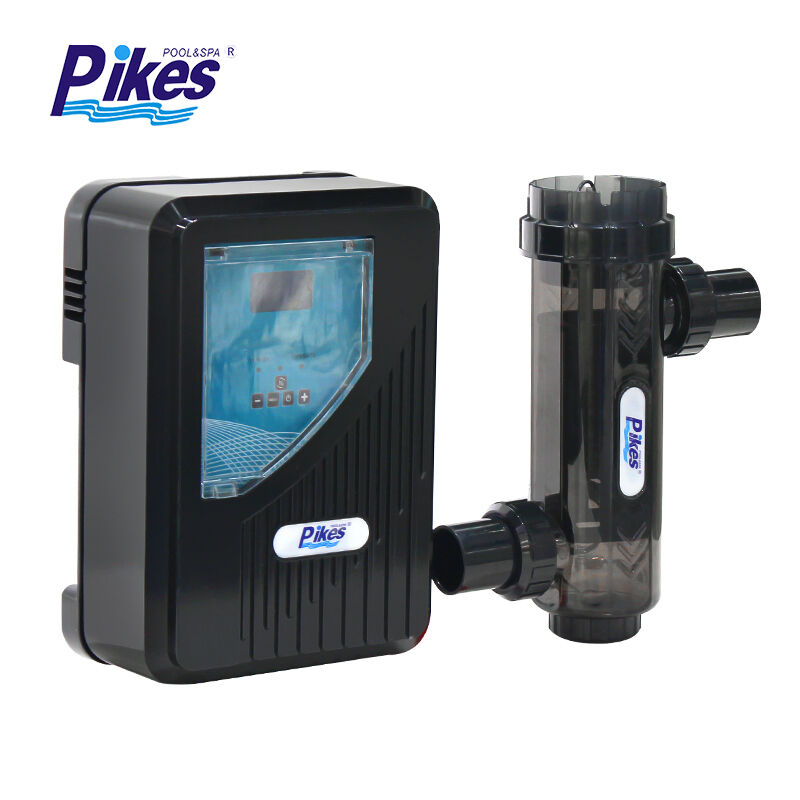
What Is A Saltwater Chlorinator And How Does It Work

15

Jan

What Is A Saltwater Chlorinator And How Does It Work

View More
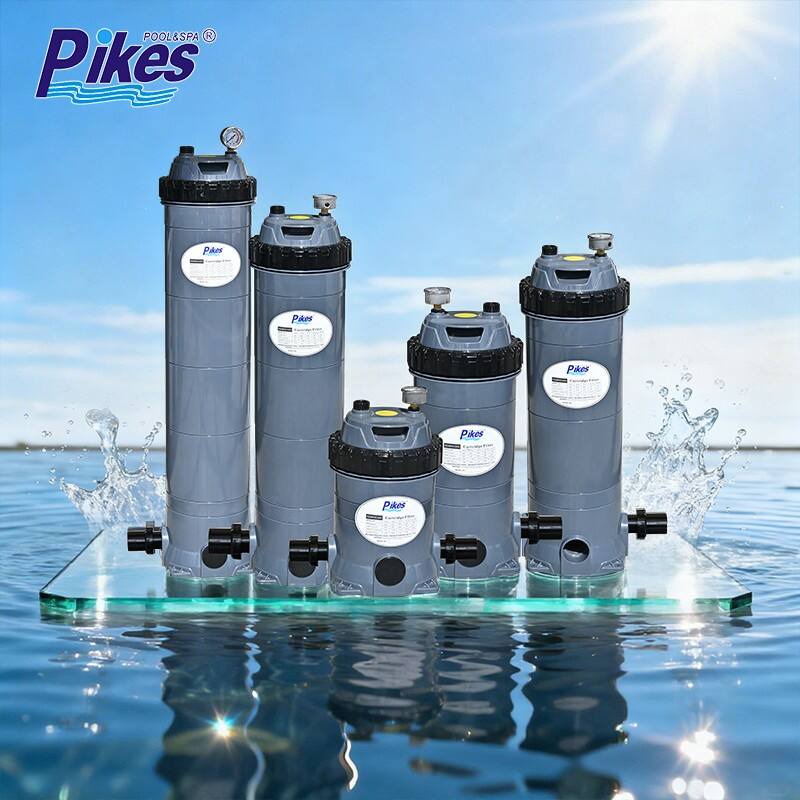
Cartridge Filter: Efficient And Water-Saving Pool Filtration Solution

15

Jan

Cartridge Filter: Efficient And Water-Saving Pool Filtration Solution

View More
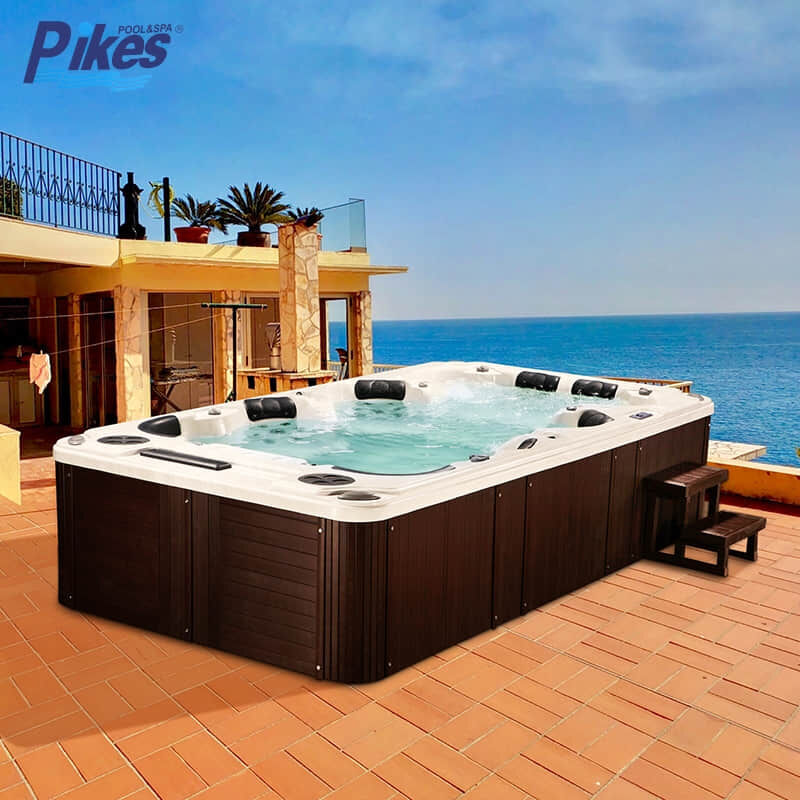
Why A Hot Tub Is The Perfect Investment For Relaxation And Wellness

15

Jan

Why A Hot Tub Is The Perfect Investment For Relaxation And Wellness

View More
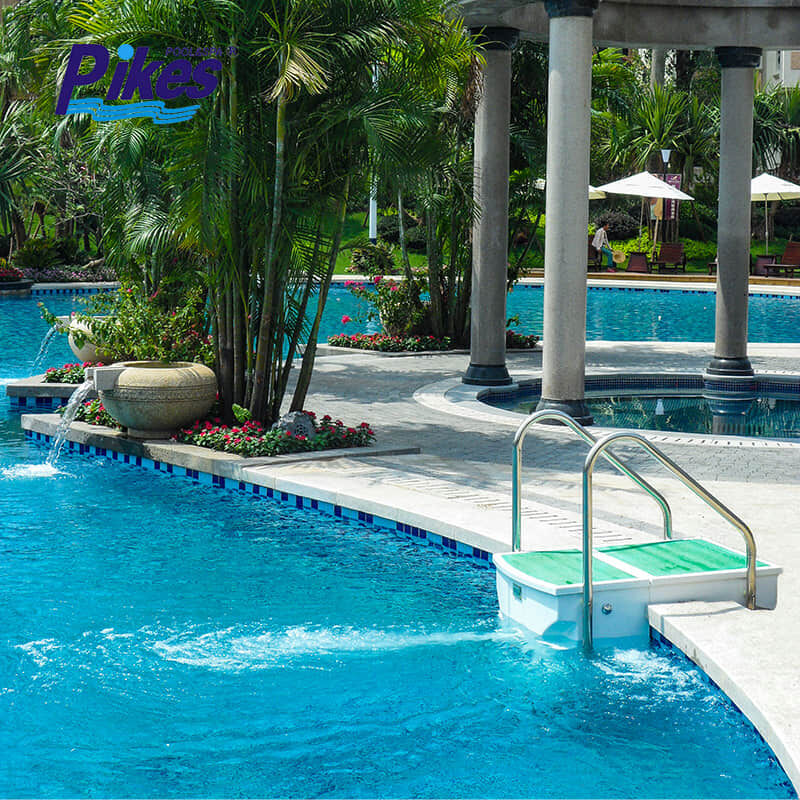
Wall-Mounted Filter: Space-Saving Filtration Solution For Swimming Pools

15

Jan

Wall-Mounted Filter: Space-Saving Filtration Solution For Swimming Pools

View More

Get a Free Quote

Our representative will contact you soon.
Email
Mobile
Name
Company Name
Message
0/1000

indoor pool pump

Variable Speed Technology for Maximum Efficiency

Variable Speed Technology for Maximum Efficiency

The revolutionary variable speed technology integrated into modern indoor pool pump systems represents a paradigm shift in aquatic facility management, delivering unprecedented control over water circulation while dramatically reducing energy consumption. This sophisticated technology allows the indoor pool pump to operate at precisely the right speed for specific tasks, eliminating the wasteful practice of running at full capacity regardless of actual circulation needs. During overnight periods or low-usage times, the indoor pool pump can maintain gentle circulation at reduced speeds, consuming minimal electricity while ensuring adequate water movement to prevent stagnation. When intensive filtration is required, such as after heavy pool usage or chemical treatment, the system automatically increases speed to optimize cleaning cycles and restore crystal-clear water quality. The intelligent programming capabilities of variable speed indoor pool pump models enable customized schedules that align with facility operations, automatically adjusting flow rates based on time of day, occupancy patterns, or specific maintenance requirements. This adaptive approach not only maximizes energy savings but also extends the lifespan of filtration media by operating at optimal pressures that prevent premature clogging or damage. The precision motor control inherent in variable speed indoor pool pump technology produces significantly less heat and vibration compared to traditional constant-speed alternatives, reducing wear on mechanical components and minimizing maintenance requirements. Advanced diagnostic features continuously monitor performance parameters, alerting operators to potential issues before they escalate into costly failures. The quiet operation achieved through variable speed control makes these indoor pool pump systems ideal for residential applications or commercial facilities where noise pollution must be minimized. Environmental benefits extend beyond energy savings, as reduced electrical consumption decreases carbon footprint and supports sustainability initiatives. The investment in variable speed indoor pool pump technology typically pays for itself through energy savings within two to three years, making it both an environmentally responsible and financially prudent choice for forward-thinking facility owners.
Corrosion-Resistant Construction for Longevity

Corrosion-Resistant Construction for Longevity

The superior corrosion-resistant construction of premium indoor pool pump systems ensures decades of reliable performance in the challenging chemical environment that characterizes modern pool water treatment. Unlike standard pumps that may succumb to chemical degradation within a few years, professionally designed indoor pool pump models incorporate advanced materials science to withstand constant exposure to chlorine, bromine, acid, and alkaline compounds used in water sanitization and pH balancing. The pump housing typically features high-grade thermoplastic or bronze construction that resists pitting, scaling, and chemical attack, maintaining structural integrity even under aggressive water treatment protocols. Internal components such as impellers, wear rings, and seals utilize specialized compounds that maintain their dimensional stability and sealing properties despite continuous contact with treated water. This robust construction prevents premature failure modes that plague inferior indoor pool pump models, including shaft corrosion, seal degradation, and housing deterioration that can lead to catastrophic leaks and water damage. The engineering excellence evident in corrosion-resistant indoor pool pump designs extends to electrical components, with moisture-sealed motor housings and corrosion-proof wiring connections that prevent electrical failures in humid indoor environments. Maintenance intervals are significantly extended due to the durability of these materials, reducing both direct service costs and indirect expenses associated with system downtime. The long-term reliability of corrosion-resistant indoor pool pump construction provides peace of mind for facility owners, eliminating concerns about unexpected equipment failures that could compromise water quality or force temporary pool closures. Quality manufacturers back their corrosion-resistant indoor pool pump products with comprehensive warranties that reflect confidence in material performance and construction standards. The investment in superior materials pays dividends through reduced lifecycle costs, as the extended service life of corrosion-resistant components often exceeds that of multiple replacement cycles for standard equipment. Professional installations of corrosion-resistant indoor pool pump systems maintain their aesthetic appeal over time, avoiding the unsightly staining and deterioration that affects lesser-quality equipment and reflects poorly on facility management standards.
Smart Controls and Automation for Effortless Operation

Smart Controls and Automation for Effortless Operation

The integration of smart controls and comprehensive automation features transforms the indoor pool pump from a basic mechanical device into an intelligent facility management system that optimizes performance while minimizing operator intervention. These sophisticated control systems continuously monitor multiple parameters including water flow rate, pressure differentials, motor temperature, and electrical consumption to ensure optimal operation under all conditions. The intuitive user interface allows facility managers to program complex operational schedules that automatically adjust indoor pool pump speed and runtime based on facility usage patterns, seasonal requirements, and maintenance schedules. Remote connectivity capabilities enable monitoring and control from smartphones, tablets, or computer systems, allowing operators to respond quickly to changing conditions or potential issues regardless of their physical location. Predictive maintenance features analyze performance trends and component wear patterns to provide advance warning of potential problems, enabling proactive service that prevents unexpected failures and costly emergency repairs. The smart controls integrated into advanced indoor pool pump systems can interface with other facility equipment including heaters, chemical feeders, and lighting systems to create a comprehensive automated environment that responds intelligently to changing conditions. Energy optimization algorithms continuously adjust pump operation to minimize electrical consumption while maintaining required water quality standards, automatically finding the most efficient operating points for any given set of conditions. Historical data logging capabilities provide valuable insights into system performance trends, energy usage patterns, and maintenance requirements, supporting informed decision-making and long-term facility planning. The automation features of modern indoor pool pump systems include safety interlocks that prevent operation when potentially damaging conditions are detected, such as low water levels, clogged filters, or excessive system pressures. User-customizable alarms and notifications ensure that operators are immediately informed of any conditions requiring attention, whether through email alerts, text messages, or audible alarms. The seamless integration of smart controls with building management systems allows the indoor pool pump to participate in facility-wide energy management strategies, automatically reducing consumption during peak demand periods or adjusting operation based on utility rate structures. Training requirements are minimized through intuitive interfaces and comprehensive help systems that guide operators through complex procedures and troubleshooting steps, ensuring consistent operation regardless of staff experience levels.

Get a Free Quote

Our representative will contact you soon.
Email
Mobile
Name
Company Name
Message
0/1000