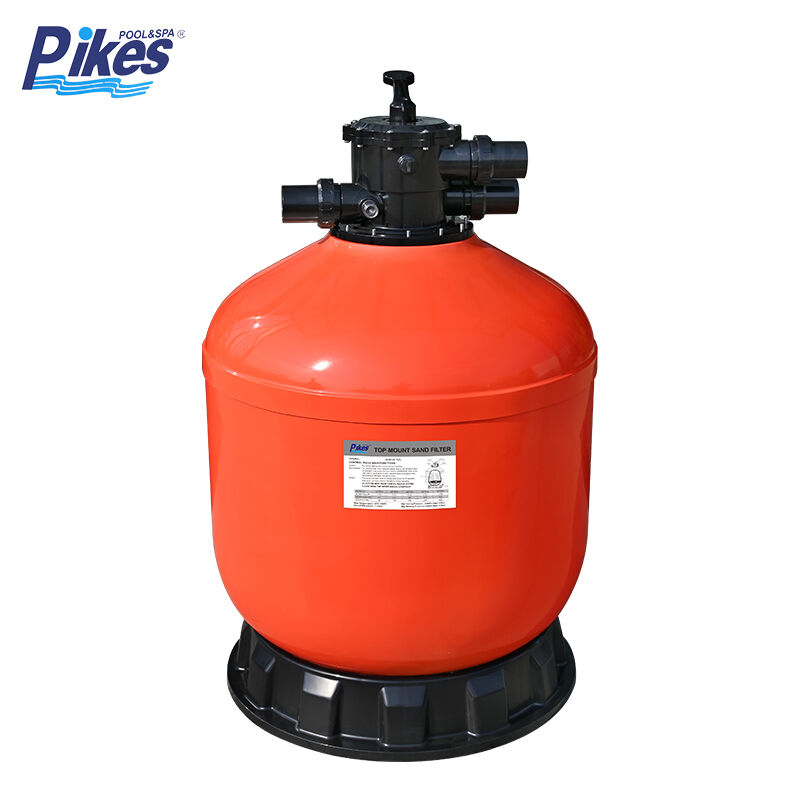
24 inch sand filter
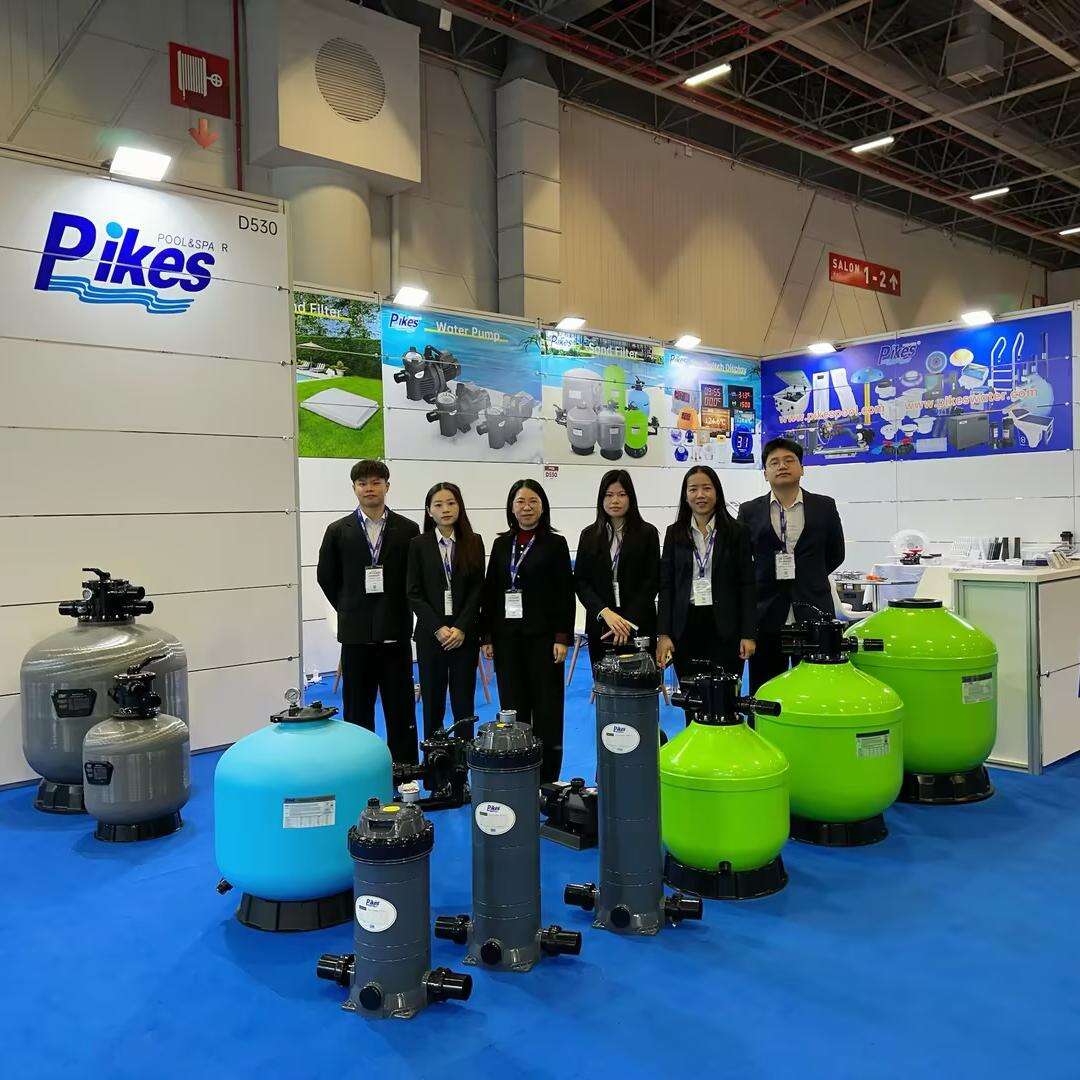
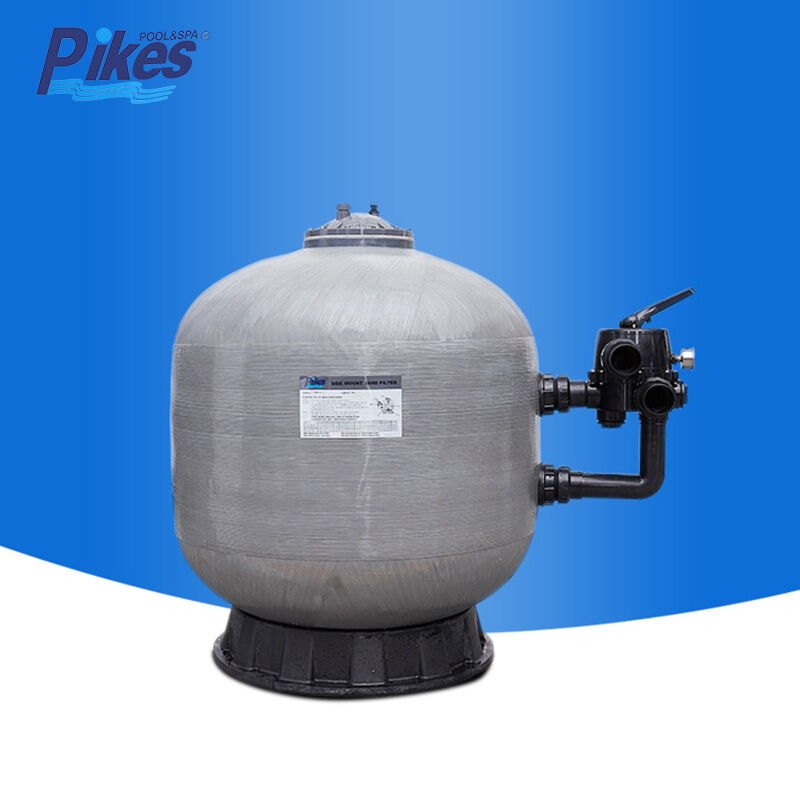
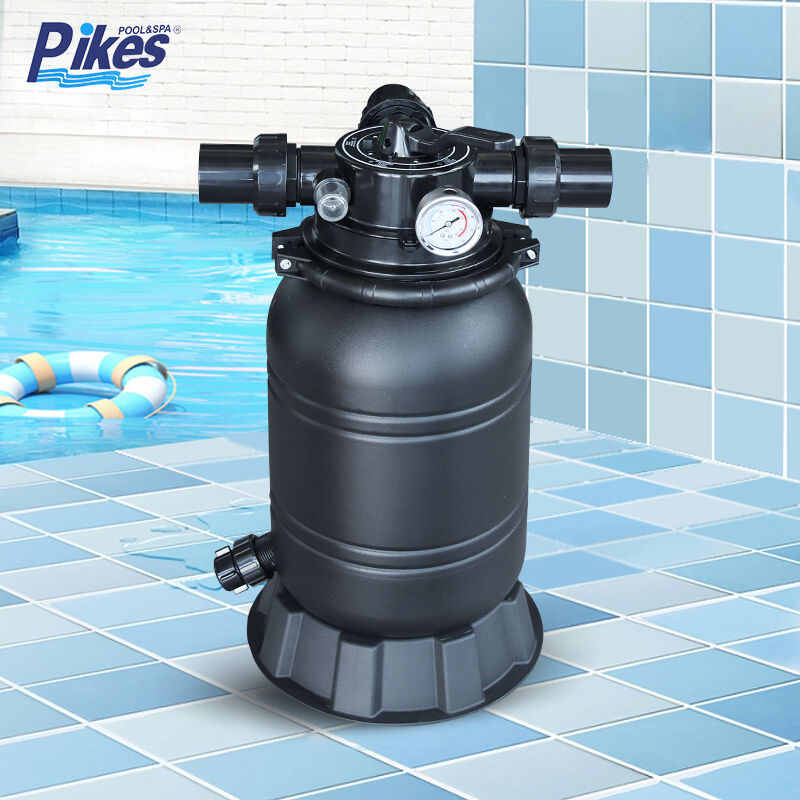
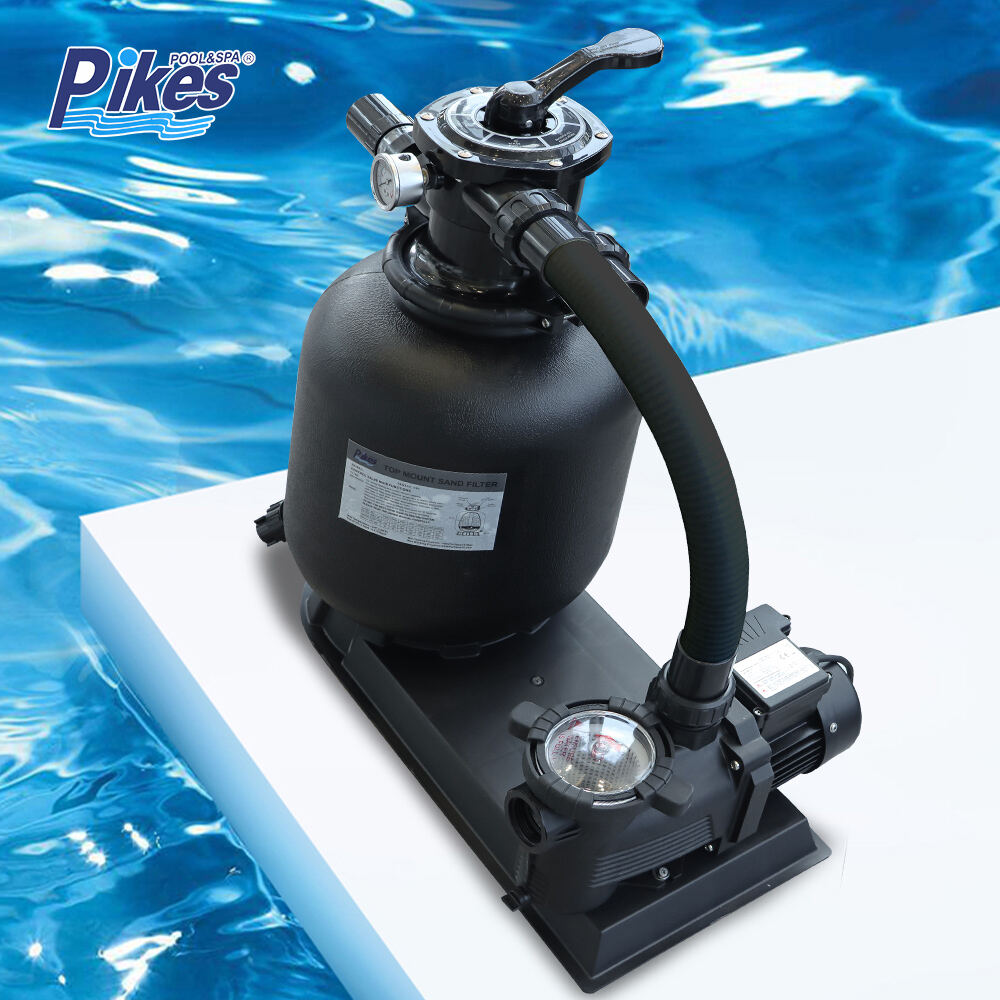
The 24 inch sand filter represents a significant advancement in water filtration technology, designed to meet the demanding requirements of residential pools, commercial aquatic facilities, and various industrial applications. This robust filtration system utilizes high-grade silica sand as its primary filtering medium, effectively capturing particles, debris, and contaminants as small as 20-40 microns from water. The 24 inch sand filter operates through a sophisticated multi-layer filtration process, where water enters the filter tank from the top and passes through carefully graded sand beds of varying sizes. As water moves downward through these layers, larger particles are trapped in the upper sand layers while finer contaminants are captured in the deeper, more densely packed sand sections. The technological features of this filtration system include a durable fiberglass or high-density polyethylene tank construction that resists corrosion and UV damage, ensuring longevity even in harsh environmental conditions. The filter incorporates a multi-port valve system that allows for easy operation switching between filtration, backwashing, rinsing, and waste modes. This automated functionality streamlines maintenance procedures and optimizes filtration performance. The 24 inch sand filter typically handles flow rates ranging from 150 to 200 gallons per minute, making it suitable for medium to large-sized pools and commercial applications. Its applications extend beyond traditional pool filtration to include spa systems, water treatment facilities, agricultural irrigation systems, and industrial process water cleaning. The filter's design incorporates strategically placed underdrain systems and lateral assemblies that ensure even water distribution throughout the sand bed, preventing channeling and maximizing filtration efficiency. Regular maintenance involves periodic backwashing to remove trapped debris and restore optimal flow rates, while sand replacement is typically required every 3-5 years depending on usage intensity and water quality conditions.
 ×
×

 EN
EN