
 EN


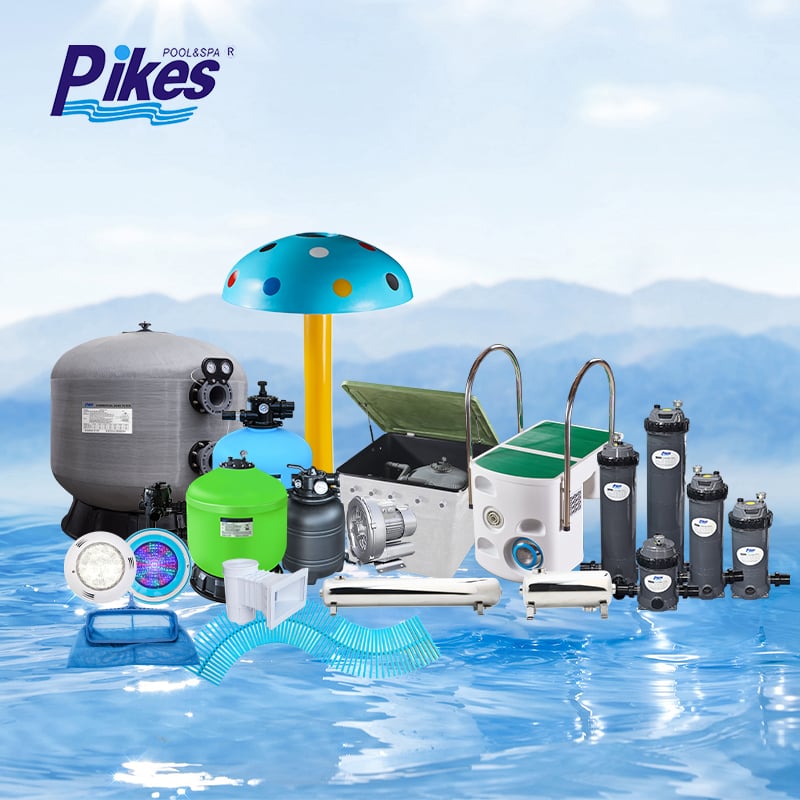
Swimming pool equipment covers the systems and working tools that keep a pool circulating, clean, controlled, and ready for use. For facility managers, knowing the main equipment types makes planning easier: pool maintenance tools support daily care, while water treatment systems manage water quality and aquatic facility supplies address safe, reliable operation across the site.
The equipment generally falls into connected groups rather than isolated products. Circulation moves water through the system, filtration removes suspended material, treatment supports appropriate water balance, and cleaning and safety gear help staff manage the pool environment. Understanding these functions helps teams specify swimming pool equipment according to pool size, use patterns, maintenance capacity, and operating requirements.
Core systems that move and clean pool water
Circulation and filtration equipment
Pumps, pipework, valves, and return fittings form the circulation pathway. They move water from the pool through the treatment loop and return it after processing. Filters capture particles carried by the flow, helping maintain clarity and reducing the burden on other parts of the system. Together, these components are foundational aquatic facility supplies, and their sizing should reflect the pool volume and intended operating schedule.
Filter designs differ in how they retain and release collected material, so operators should consider cleaning procedures, available space, and the demands of the site. A filter is not a substitute for circulation: both functions must work together. Routine checks of pressure, flow, seals, and connections are practical pool maintenance tools because they can reveal developing issues before they disrupt normal operation.
Water treatment and control
Disinfection, dosing, and monitoring equipment help staff manage water conditions in line with applicable operating rules. The appropriate water treatment systems depend on the pool’s use, water source, control approach, and staffing arrangements. Test instruments and dosing components also belong in aquatic facility supplies, since treatment decisions rely on measurements and consistent handling rather than appearance alone.
A treatment system works best as part of a coordinated process: measure, interpret, adjust, and verify. Staff should follow equipment instructions and local requirements, keeping records that make changes traceable. When selecting swimming pool equipment, consider whether controls are understandable to the people who will use them and whether routine service can be performed safely.
Equipment for cleaning and daily operation
Manual and automated cleaning tools
Cleaning equipment ranges from brushes, nets, and vacuum heads to automated cleaners suited to particular pool surfaces and layouts. These pool maintenance tools address debris on the waterline, floor, and walls, but they do not replace filtration or treatment. Choosing tools that match the pool finish and cleaning routine helps staff work efficiently without adding avoidable wear to surfaces.
A practical cleaning setup reflects where debris collects and how frequently the pool is used. Long-handled tools may help with reach, while vacuum equipment can support removal of settled material. Store pool maintenance tools in an orderly, dry location and inspect heads, hoses, and connectors for wear. These simple practices make the equipment easier to access and help teams plan replacements.
Operational accessories and monitoring
Operational accessories include gauges, thermometers, test kits, chemical storage provisions, and replacement fittings. Their exact role varies, but each supports a repeatable operating routine. Facility teams should treat these items as aquatic facility supplies with clear storage, inspection, and replenishment processes, rather than assuming small accessories will always be available when needed.
Monitoring devices provide useful information only when readings are understood and acted on consistently. Staff need suitable instructions, calibration or verification routines where applicable, and a process for escalating unusual results. In a complete equipment plan, water treatment systems and measurement tools should be considered together, because the treatment process depends on reliable observations and controlled adjustments.
Safety and choosing a suitable equipment mix
Safety, access, and facility support
Safety-related equipment may include approved rescue aids, signage, access features, and protective items required by the facility’s rules. The specific provisions depend on pool type, user group, and applicable codes, so managers should verify requirements rather than rely on a generic package. Aquatic facility supplies should also include the practical items staff need to keep work areas organized and reduce avoidable hazards.
Access and maintenance needs influence equipment layout. Pumps and filters require service clearance, while treatment materials need appropriate handling and storage. A well-planned arrangement makes inspections and cleaning more manageable. It also helps staff keep pool maintenance tools separate from treatment materials, reducing confusion during busy operating periods.
Matching equipment to the pool and workload
Start selection with the pool’s volume, configuration, expected attendance, operating hours, and maintenance resources. Then review how each component connects to the others: circulation supports filtration, filtration supports clarity, and water treatment systems address water conditions. This systems view helps prevent gaps, such as investing in cleaning accessories while overlooking service access or monitoring needs.
For a smaller pool, compact equipment and a straightforward inspection routine may suit the site, while larger or busier facilities may need more structured controls and servicing plans. In either case, swimming pool equipment should be chosen around documented operating needs, not isolated product features. Confirm compatibility, installation requirements, maintenance access, and staff training before procurement.
Budget planning should include the full ownership cycle: installation, consumables, inspection, routine service, and eventual replacement. Clear documentation helps teams understand which pool maintenance tools are used daily and which items are reserved for periodic work. It also allows managers to evaluate whether existing aquatic facility supplies are sufficient for the actual workload.
For filtration planning, review the pool’s circulation design, the filter’s operating requirements, and the maintenance routine together. A product such as swimming pool equipment should be assessed in that system context, with attention to fit and service needs. The broader goal is dependable operation, not simply adding components.
FAQ
What are the main types of swimming pool equipment?
The main groups include circulation and filtration components, water treatment systems, cleaning equipment, monitoring devices, and safety provisions. The right combination depends on the pool’s design and operating conditions. Managers can map aquatic facility supplies to each function, then check that routine pool maintenance tools and service procedures are also covered.
Are cleaning tools the same as treatment equipment?
No. Pool maintenance tools remove visible debris or deposits, while water treatment systems support control of water conditions through measurement and appropriate processes. Both contribute to operation, but one cannot replace the other. Aquatic facility supplies should account for these distinct roles so staff have the equipment and instructions needed for each task.
How should a facility decide what equipment it needs?
Begin with pool size, usage, local requirements, available staff, and the maintenance routine. Check compatibility between circulation, filtration, monitoring, and treatment components, then assess safety and service access. This approach helps managers prioritize swimming pool equipment and keep pool maintenance tools, aquatic facility supplies, and water treatment systems aligned with real operating needs.