
 EN
EN



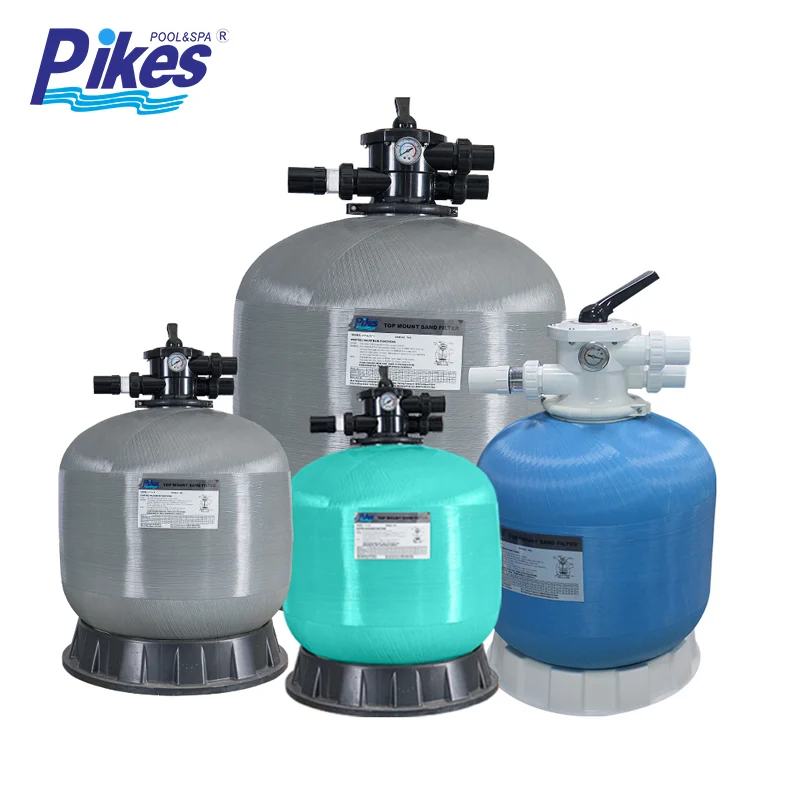
Choosing between a pool sand filter and cartridge filter represents one of the most important decisions pool owners face when establishing their filtration system. Both filtration methods offer distinct advantages and limitations that directly impact water quality, maintenance requirements, and long-term operating costs. Understanding the fundamental differences between these two filtration technologies helps pool owners make an informed decision that aligns with their specific needs, budget constraints, and maintenance preferences.
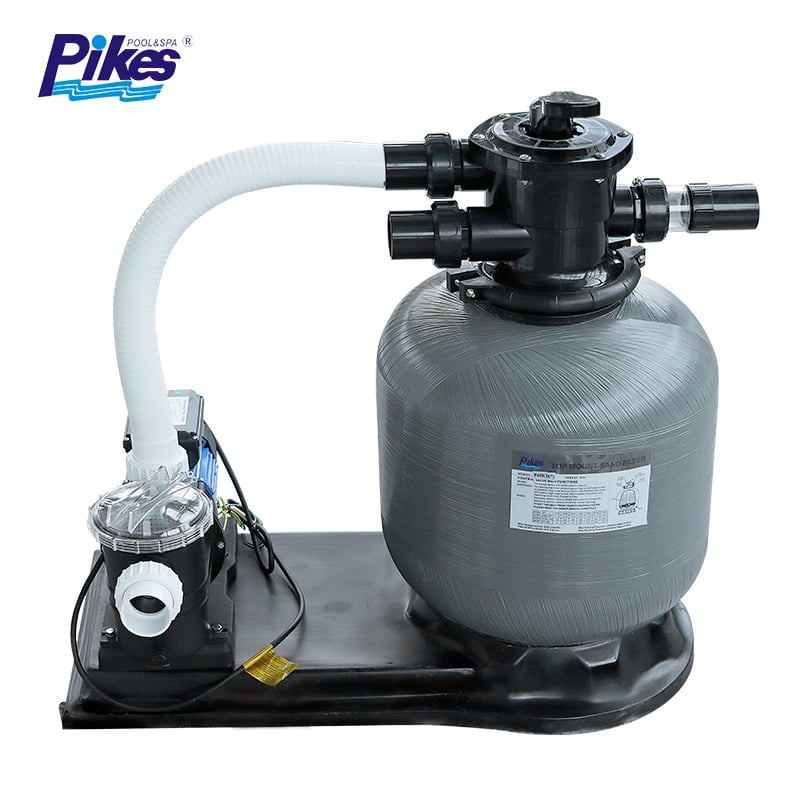
The choice between a pool sand filter and cartridge filter ultimately depends on several critical factors including pool size, bather load, local water conditions, and personal maintenance preferences. While cartridge filters excel in fine particle removal and initial cost efficiency, sand filters provide superior durability and automated cleaning capabilities. This comprehensive comparison examines the technical specifications, performance characteristics, and practical considerations that determine which filtration system delivers optimal results for different pool environments and usage patterns.
Filtration Performance and Water Quality
Particle Removal Efficiency
Pool sand filter systems utilize specially graded silica sand or alternative media to trap particles through depth filtration, effectively removing debris ranging from 20 to 40 microns in size. The filtration process occurs as water passes through multiple layers of sand media, with larger particles trapped near the surface and finer particles captured deeper within the filter bed. This multilayer filtration approach provides consistent performance over extended periods without requiring frequent media replacement.
Cartridge filters employ pleated synthetic materials that create a barrier filtration system capable of capturing particles as small as 10 to 15 microns. The increased surface area created by the pleated design allows cartridge filters to remove finer particles more effectively than traditional sand filtration systems. This superior particle removal capability results in noticeably clearer water with enhanced visual clarity, particularly beneficial for pools with heavy bather loads or challenging water conditions.
The filtration efficiency difference becomes particularly apparent when dealing with fine particles such as sunscreen residue, body oils, and microscopic debris that can cloud pool water. While a pool sand filter provides adequate filtration for most residential applications, cartridge systems deliver superior clarity by capturing particles that would typically pass through sand media. However, the enhanced filtration comes with increased maintenance requirements and more frequent replacement cycles.
Flow Rate and Circulation Dynamics
A properly sized pool sand filter typically maintains higher flow rates compared to cartridge systems of equivalent capacity, allowing for more efficient water circulation throughout the pool. The open structure of sand media creates less resistance to water flow, enabling pumps to operate more efficiently while maintaining optimal circulation rates. This characteristic proves particularly advantageous for larger pools or installations requiring high turnover rates to maintain water quality standards.
Cartridge filters initially provide excellent flow rates when clean, but performance degrades more rapidly as particles accumulate on the filter media. The pleated surface design, while effective for particle capture, creates higher resistance to water flow compared to sand media. As cartridges become loaded with debris, flow rates decrease significantly, requiring more frequent cleaning or replacement to maintain optimal circulation performance.
The flow rate characteristics directly impact energy consumption and overall system efficiency. Pool sand filter systems maintain relatively consistent flow rates between cleaning cycles, allowing pumps to operate at design specifications for extended periods. Cartridge systems may require pump speed adjustments or more frequent maintenance to compensate for flow rate degradation, potentially increasing energy consumption over time.
Maintenance Requirements and Operational Considerations
Cleaning Procedures and Frequency
Pool sand filter maintenance involves a straightforward backwashing process that reverses water flow through the filter media to flush accumulated debris from the system. This automated cleaning procedure typically requires 3-5 minutes of operation every 1-2 weeks, depending on pool usage and environmental conditions. The backwashing process effectively removes trapped particles while extending the useful life of the sand media, which typically requires replacement every 3-5 years under normal operating conditions.
Cartridge filter maintenance requires manual removal, cleaning, and inspection of individual filter elements on a weekly or bi-weekly basis. The cleaning process involves hosing down the pleated surfaces to remove accumulated debris, followed by periodic chemical cleaning to eliminate oils and fine particles embedded in the filter media. While this manual process allows for thorough inspection and targeted cleaning, it requires more hands-on involvement and time commitment from pool owners.
The frequency and complexity of maintenance tasks significantly impact the long-term convenience and cost of ownership. A pool sand filter system offers the advantage of automated cleaning with minimal manual intervention, making it ideal for pool owners seeking low-maintenance filtration solutions. Cartridge systems require more active management but provide opportunities for detailed inspection and customized maintenance approaches.
Replacement Cycles and Long-term Costs
Sand media in pool sand filter systems typically maintains effective filtration performance for 3-5 years before requiring complete replacement. The gradual breakdown of sand particles over time actually improves filtration efficiency initially, as smaller particles create tighter filtration spaces. However, excessive breakdown eventually leads to sand loss through backwashing and reduced filtration effectiveness, necessitating media replacement to restore optimal performance.
Cartridge filters require replacement every 1-2 years under normal operating conditions, with heavily used pools potentially requiring more frequent replacement cycles. The synthetic materials used in cartridge construction gradually degrade due to chemical exposure and physical stress from cleaning procedures. While individual cartridge replacement costs appear modest, the cumulative expense over time often exceeds the long-term costs associated with sand media replacement.
The economic comparison extends beyond simple replacement costs to include water usage, chemical consumption, and energy requirements. Pool sand filter systems consume significant water during backwashing procedures but require minimal chemical cleaning agents. Cartridge systems eliminate backwash water waste but may require specialized cleaning chemicals and potentially higher energy consumption due to flow rate degradation between cleanings.
Installation and System Compatibility
Equipment Requirements and Space Considerations
Pool sand filter installations require larger equipment footprints due to the substantial tank size needed to contain adequate sand media volume. The pressure vessel construction demands robust support structures and proper plumbing connections to handle the hydraulic forces generated during operation and backwashing. Additionally, sand filter systems require multiport valves or automated controls to manage the backwashing sequence, adding complexity to the plumbing configuration.
Cartridge filter systems typically feature more compact designs that accommodate space-constrained installations more effectively. The modular nature of cartridge housings allows for flexible configuration options and easier integration with existing plumbing systems. However, cartridge systems may require additional accessibility considerations to facilitate regular removal and cleaning procedures, potentially offsetting some space advantages.
The installation complexity varies significantly between systems, with pool sand filter setups requiring more extensive plumbing work and electrical connections for automated controls. Cartridge systems offer simpler installation procedures but may require more frequent access for maintenance activities. The choice between systems often depends on available installation space, accessibility requirements, and local building codes governing pool equipment installations.
Pump and Plumbing Compatibility
Pool sand filter systems work optimally with higher capacity pumps capable of generating sufficient flow rates for effective backwashing procedures. The pressure requirements for proper backwashing often necessitate pump sizing considerations that exceed normal filtration needs, potentially impacting energy consumption and system costs. However, the consistent flow characteristics of sand filtration allow for predictable pump performance and efficient operation over extended periods.
Cartridge filter systems accommodate a wider range of pump sizes and flow rates, making them suitable for both high-performance and energy-efficient installation approaches. The lower pressure requirements of cartridge filtration enable the use of variable speed pumps operating at reduced speeds to minimize energy consumption while maintaining adequate filtration performance. This compatibility advantage supports modern energy conservation initiatives and reduced operating costs.
The plumbing configuration requirements differ substantially between systems, with pool sand filter installations requiring bypass provisions for backwashing and waste disposal. Cartridge systems utilize simpler plumbing arrangements but may benefit from shut-off valves to facilitate filter removal and replacement procedures. The complexity of plumbing requirements often influences installation costs and future maintenance accessibility.
Environmental Impact and Water Conservation
Water Usage and Waste Management
Pool sand filter systems generate substantial wastewater during backwashing procedures, typically consuming 2-3% of total pool volume per cleaning cycle. This water consumption represents a significant environmental consideration, particularly in regions facing water restrictions or drought conditions. However, the extended cleaning intervals between backwashing cycles help minimize overall water waste compared to daily maintenance requirements of alternative systems.
Cartridge filter systems eliminate backwash water consumption entirely, making them environmentally preferable in water-scarce regions or areas with strict water conservation requirements. The manual cleaning process uses minimal water for rinsing procedures, and the ability to clean cartridges with captured rinse water further reduces environmental impact. This water conservation advantage often outweighs other considerations in environmentally sensitive areas.
The disposal considerations extend beyond water usage to include media waste and chemical consumption. Sand media replacement generates bulk waste materials but occurs infrequently over the system's operational life. Cartridge replacement creates more frequent waste streams of synthetic materials that may have limited recycling options, potentially offsetting some environmental advantages of reduced water consumption.
Chemical Usage and Pool Balance
Pool sand filter systems typically require standard sanitization chemicals without additional filtration-specific treatments. The stable filtration performance allows for consistent chemical dosing and predictable water balance maintenance. However, the backwashing process removes some dissolved chemicals from the pool water, requiring periodic adjustment of sanitizer and pH levels to maintain optimal water chemistry.
Cartridge filter systems may benefit from specialized cleaning chemicals designed to remove oils and embedded particles from filter media. While these chemicals enhance filtration performance and extend cartridge life, they represent additional chemical inputs to the overall pool maintenance program. The superior particle removal capability of cartridge filters often reduces the chemical demand for clarification and algae prevention, potentially offsetting cleaning chemical requirements.
The interaction between filtration systems and chemical programs significantly impacts overall pool management strategies. Pool sand filter systems support traditional chemical programs with minimal modifications, while cartridge systems may enable reduced chemical consumption through enhanced mechanical filtration. The optimal chemical program varies based on local water conditions, bather loads, and specific filtration system characteristics.
FAQ
How long does a pool sand filter last compared to cartridge filters?
A pool sand filter system typically lasts 15-20 years with proper maintenance, while the sand media itself requires replacement every 3-5 years. Cartridge filters have shorter lifespans, with individual cartridges needing replacement every 1-2 years and the housing system lasting 10-15 years. The longer operational life of sand filter systems often provides better long-term value despite higher initial investment costs.
Which filter type requires less maintenance time?
Pool sand filter systems require significantly less hands-on maintenance time due to automated backwashing capabilities. Weekly maintenance involves simply initiating a 3-5 minute backwash cycle, while cartridge systems require manual removal, cleaning, and reinstallation procedures that can take 30-45 minutes per session. However, cartridge systems eliminate the need for media replacement procedures and associated downtime.
Can I switch from a cartridge filter to a pool sand filter system?
Converting from cartridge to pool sand filter systems is possible but requires significant plumbing modifications, equipment upgrades, and space considerations. The conversion typically involves installing a larger pressure vessel, multiport valve, and possibly upgrading the pump to handle backwashing requirements. Professional assessment is recommended to determine feasibility and associated costs for system conversion projects.
Which filter type works better for saltwater pools?
Both pool sand filter and cartridge filter systems work effectively with saltwater chlorination systems, but each offers distinct advantages. Sand filters provide superior durability against salt corrosion and require less frequent replacement of filtration media. Cartridge filters offer better removal of calcium deposits and scale formation common in saltwater environments but may require more frequent replacement due to accelerated wear from salt exposure and cleaning chemical requirements.