
 EN




Installing spa equipment is a coordinated project involving space planning, structural preparation, utilities, access, and commissioning. A successful installation starts with the intended experience: identify how massage chairs and hydrotherapy jets will be used, then confirm that the room and services can support them. Planning these details before equipment arrives helps reduce avoidable changes and gives installers a clear sequence of work.
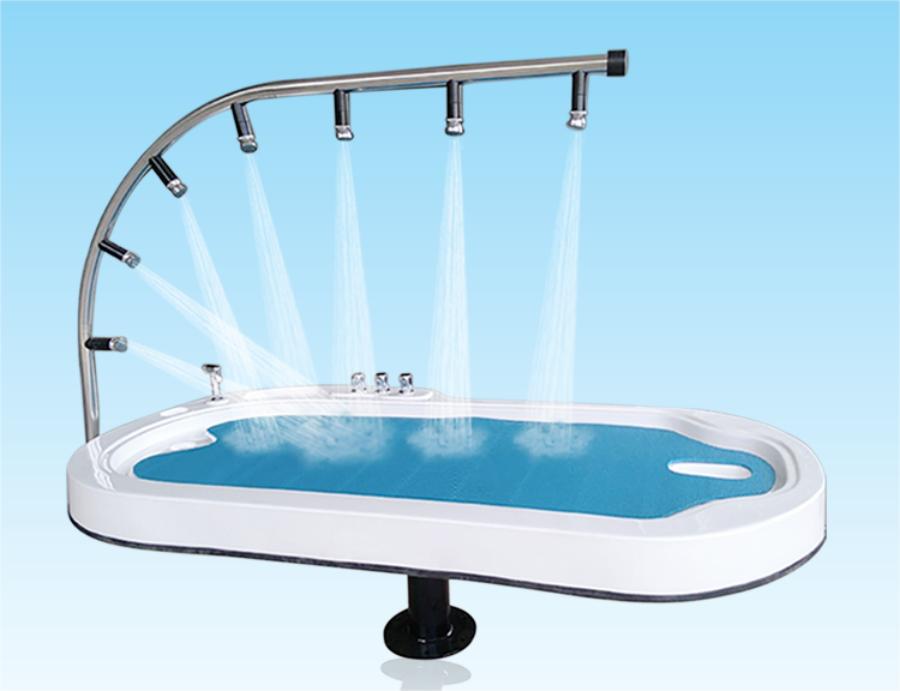
The key is to treat each item as part of one operating environment, not as a standalone purchase. Sauna systems, massage chairs, and water-based features can have different clearance, access, and service needs. Confirming those needs against the building plan makes it easier to coordinate contractors, protect the finished space, and prepare a practical commissioning plan.
Plan the room and service requirements
Confirm the layout before ordering
Begin with measured drawings that show the equipment footprint, door openings, circulation paths, and locations for controls. Allow room to use and service massage chairs without blocking exits or access panels. For hydrotherapy jets, account for the vessel or installation surface as well as the space needed for pumps and plumbing connections. A layout should reflect how people move through the room, not only where each item fits on paper.
Check ceiling height, floor transitions, and the route from the delivery point to the final position. Large items may need to pass through corridors or around corners before installation, so verify dimensions early. Sauna systems also require clearances specified for the chosen configuration. Record these details in the project plan so the general contractor, electrician, and installer work from the same assumptions.
Coordinate utilities and building capacity
Review electrical loads, circuit requirements, water supply, drainage, and ventilation with qualified trades before work begins. Massage chairs may require a nearby outlet and a protected cable path, while hydrotherapy jets depend on compatible plumbing and access to serviceable components. Confirm requirements in the product documentation rather than relying on assumptions based on a similar installation.
Consider heat and moisture as part of the same design decision. Sauna systems need appropriate electrical provision and ventilation, and the room finishes should suit the expected conditions. Where several features share a space, assess whether the existing services can support concurrent operation. Document the agreed connections and shutoff locations; clear records simplify inspection, troubleshooting, and later maintenance.
Prepare the installation site
Build a stable, accessible base
Before delivery, confirm that the floor is level, sound, and suitable for the installed load. This is especially important for water-filled equipment, where the combined weight of the unit, water, and occupants can be substantial. Ask a qualified building professional to assess the structure when capacity is uncertain. Keep service access available for pumps, valves, and the electrical components that operate hydrotherapy jets.
Protect surfaces during transport and installation, and make sure the path is clear of debris. Position massage chairs according to the documented clearances so reclining movement does not strike a wall or nearby fixture. If equipment sits on a finished floor, confirm the required protection and leveling method. Careful preparation limits damage and avoids having to move a connected unit after the room is complete.
Sequence trades and connections
Set the installation order with the project team. Rough-in work for plumbing, wiring, and ventilation generally needs to be checked before walls or access panels are closed. Hydrotherapy jets should be connected and inspected according to the equipment instructions, with joints and service points remaining reachable. Coordinate delivery timing with site readiness so equipment is not exposed to construction dust, moisture, or avoidable handling.
Use qualified installers and licensed trades where local rules require them. Sauna systems should be connected and ventilated in line with manufacturer instructions and applicable codes. Keep electrical and water work separate where required, and label shutoffs and circuits for the operations team. Taking photographs of concealed connections before finishes are installed can also provide useful reference information for future service calls.
Commission and maintain the installation
Test operation before opening the space
Commission each item systematically after installation and before regular use. Verify controls, power isolation, water connections, drainage, and any required ventilation. Run hydrotherapy jets through the specified checks and inspect for leaks, unusual vibration, or restricted flow. Test massage chairs through their available movement and control functions, checking that cables remain clear and the unit stays stable in its intended position.
For sauna systems, confirm that controls and sensors respond as expected and that the room ventilation is operating as planned. Follow the supplied startup instructions and record any settings that the facility needs to preserve. Do not treat a successful power-on as a complete handover: staff should know normal operating procedures, emergency shutoffs, and which issues require a qualified technician.
Set up practical operating procedures
Create a maintenance schedule based on the equipment documentation, site conditions, and frequency of use. Record inspections of massage chairs, including checks for worn upholstery, loose fittings, or damaged cables. For hydrotherapy jets, define cleaning, water-quality, and leak-inspection routines that suit the installation. Assign responsibility so essential checks do not depend on informal reminders.
Keep manuals, commissioning notes, warranty information, and service contacts together in an accessible location. Sauna systems may need periodic checks of controls, ventilation, and surrounding finishes, while wet-area equipment requires attention to moisture and drainage. Review procedures after the first weeks of operation and adjust them to reflect actual use. A clear handover helps operators respond consistently and identify developing issues early.
FAQ
What should be checked before delivery?
Confirm room measurements, access routes, floor readiness, utility locations, and the documented requirements for massage chairs and hydrotherapy jets. Make sure the installation area is protected and that responsible trades have completed their preparations.
Can different spa features share one room?
They can when the layout, utilities, ventilation, and safety provisions suit each feature. Assess how sauna systems, massage chairs, and wet-area equipment will operate together, and preserve access for users and service work.
When is the installation ready for regular use?
Begin regular use after required inspections, operational tests, and staff handover are complete. Confirm that hydrotherapy jets function correctly, operating guidance is available, and maintenance responsibilities are assigned.