
 EN



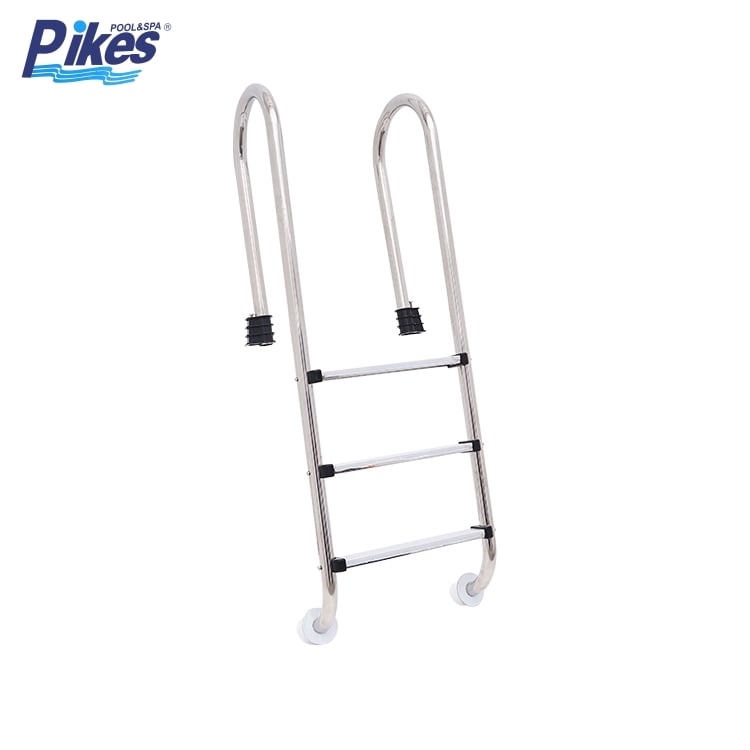
Installing a pool ladder correctly starts with matching the ladder to the pool, then securing it to a sound surface and checking its stability before anyone climbs. A careful installation helps reduce movement, protects the pool structure, and makes routine entry and exit more predictable for swimmers.
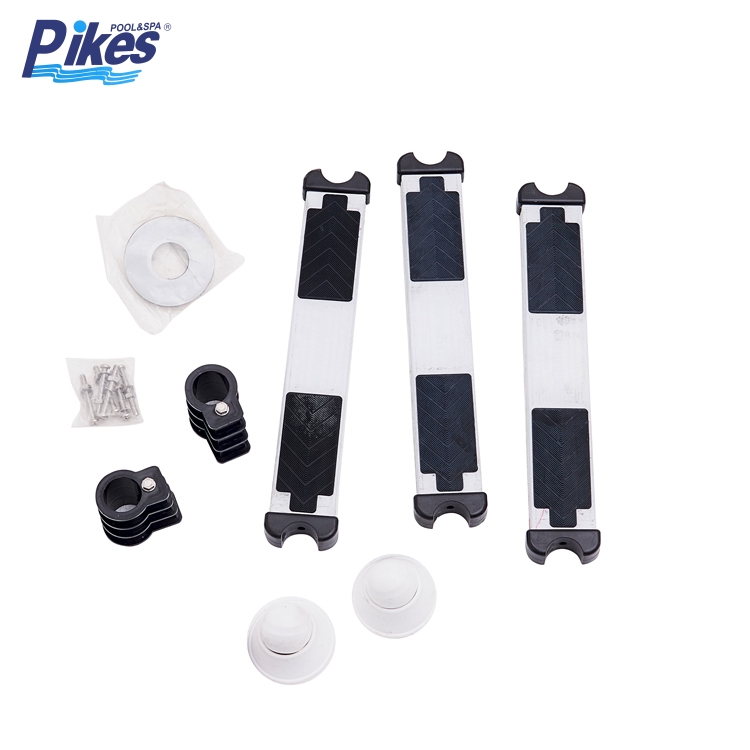
The exact steps depend on the pool design, ladder style, and mounting method. Before you begin, read the product instructions and inspect the deck or pool wall; swimming pool access equipment, above ground pool steps, and pool entry systems may require different clearances, supports, and fasteners.
Prepare the pool and choose the right mounting point
Confirm compatibility and site conditions
Check the ladder specifications against the pool height, wall construction, deck arrangement, and intended use. Swimming pool access equipment must fit the site rather than simply look suitable, while above ground pool steps and pool entry systems can have distinct support requirements. Confirm the recommended water depth and clearances before positioning anything.
Inspect the proposed mounting area for cracks, loose boards, corrosion, or uneven paving. A pool ladder anchored to a weak or sloped surface can shift under load, even when its parts are assembled correctly. Check whether swimming pool access equipment needs a flat deck, a reinforced attachment point, or a specific distance from the pool edge.
For an above-ground pool, verify that the ladder is intended for the wall and top-rail arrangement on site. Above ground pool steps may rest on the ground, attach to a deck, or use a combined support, so do not assume one design suits every pool. Keep pool entry systems clear of skimmers, plumbing, and other fittings.
Gather tools and plan safe access
Review the installation guide and lay out the supplied components before assembly. Identify the correct bolts, washers, brackets, and handrails, and use tools that fit the fasteners without damaging them. Swimming pool access equipment is easier to install accurately when all parts are accounted for and the work area is dry and uncluttered.
Plan where a person will stand while entering and leaving the water, not only where the ladder will attach. Above ground pool steps should meet the ground evenly, and pool entry systems should offer a clear approach without blocking gates or circulation routes. Keep children and swimmers away until installation and checks are complete.
If the instructions call for drilling or structural anchoring, confirm the surface can accept the specified fixings. Do not substitute casual deck screws for structural hardware or drill through a pool wall without explicit guidance. Swimming pool access equipment relies on secure load transfer, so uncertain substrate conditions are a reason to pause and seek qualified advice.
Assemble and secure the ladder in sequence
Build the frame according to instructions
Assemble the frame on a protected, level surface and follow the sequence in the manual. Fit rails, treads, spacers, and retainers in their intended orientation, leaving fasteners slightly loose until the frame is aligned. Above ground pool steps should be assembled without twisting their side supports, while pool entry systems need correctly seated joints.
Check that every tread faces the correct direction and that handrails are even. Tighten connections progressively rather than fully tightening one side while the other remains loose. Swimming pool access equipment with uneven rails can bind during mounting, so correct any misalignment before lifting the assembly into position.
Use the provided hardware and observe the manufacturer’s tightening guidance; overtightening can damage plastic parts or distort brackets. If the ladder includes adjustable feet, set them to contact the surface firmly without forcing the frame out of square. Above ground pool steps should remain stable on their base, and pool entry systems should preserve a comfortable step path.
Mount the ladder and check alignment
Position the assembled ladder at the planned access point and confirm it sits straight against the pool or deck. Attach the brackets or anchors using the specified hardware, tightening them evenly. Swimming pool access equipment should not rock or pull away from its mounting surface when a person applies light pressure to the rails.
For deck-mounted designs, check that the deck is level and that anchors enter sound material. For an above-ground installation, follow the designated method for supporting the outer legs and attaching the inner section; above ground pool steps must not hang unsupported from a thin rail. Pool entry systems should maintain clearance from the liner and pool fittings.
Recheck the frame from the side and front before final tightening. Confirm that each tread is level, the rails are parallel where specified, and the ladder does not press sharply against the liner. If the installation uses swimming pool access equipment with adjustable components, lock them only after the fit and spacing match the guide.
After tightening, inspect each fastener and connection for gaps, loose washers, or damaged threads. Avoid adding unapproved adhesive or sealant as a substitute for proper fastening. The support points for above ground pool steps and other pool entry systems must follow their intended design, since improvised changes can create new movement or stress.
Verify stability and maintain safe use
Test the installation before opening access
Keep the pool closed to users while you inspect the completed installation. Apply gradual hand pressure to both rails, then carefully load each tread in turn if the instructions permit. Swimming pool access equipment should feel firm, with no unexpected movement, sharp edges, or contact that could damage the pool finish.
Check the ladder with the pool at its normal operating level and confirm that the entry and exit route remains clear. Above ground pool steps need steady footing at the ground and secure attachment at the pool, while pool entry systems should allow a user to hold a rail throughout the transition. Do not use the ladder if it shifts during testing.
Make sure treads are clean, evenly spaced, and free from obstructions. Look for protruding bolts, rough edges, or gaps that could catch fingers or clothing. Swimming pool access equipment should be comfortable to grip and climb, but installation must follow the specified geometry rather than relying on appearance alone.
Set an inspection and care routine
Recheck fasteners and supports after initial use, then inspect them regularly and after storms, deck work, or other disturbances. Above ground pool steps can settle if the ground beneath them changes, so verify their footing as well as their attachments. Pool entry systems also need attention to joints and handrail connections.
Clean the ladder using care instructions suited to its materials, and avoid cleaners that can damage finishes or nearby pool surfaces. Look for corrosion, cracks, worn tread surfaces, and movement at anchors. Swimming pool access equipment exposed to water and pool chemicals benefits from prompt attention to visible wear.
If a component is damaged, stop using the ladder until it is repaired or replaced according to the product guidance. Do not compensate for a loose mount by tightening unrelated parts or adding makeshift supports. Above ground pool steps and pool entry systems should be kept out of service whenever their stability is uncertain.
The installation is complete only when the assembly is secure, the approach is unobstructed, and the parts match the instructions. Record any inspection concerns and address them before reopening access. A correctly installed pool ladder supports consistent entry and exit, but safe use still depends on ongoing checks and appropriate supervision.
FAQ
Can I install a pool ladder on any deck?
No. The deck must suit the ladder’s mounting method and carry the expected load. Check its condition, level, and material against the installation instructions, and confirm that swimming pool access equipment can be anchored securely before drilling or fixing it.
How do I fit steps to an above-ground pool?
Use a model designed for the pool’s height and wall arrangement, then follow its specified support and attachment method. Above ground pool steps should rest evenly and remain secure at the pool side; stop if the wall, deck, or ground cannot provide the required support.
When should I inspect pool entry systems?
Inspect them after installation, during routine maintenance, and whenever the ladder shifts or the surrounding deck changes. Check fasteners, supports, tread surfaces, and handrails. Keep pool entry systems closed to users until any instability or damage has been corrected.