
 EN



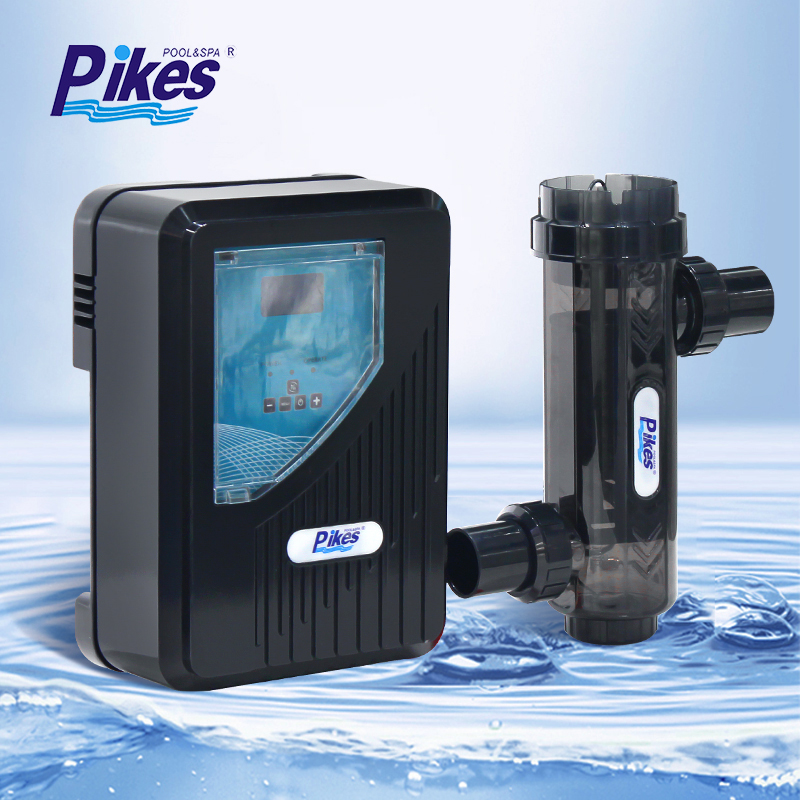
A salt chlorinator makes pool sanitizing a continuous process rather than relying solely on routine additions of chlorine products. In saltwater pool chlorination, the equipment uses dissolved salt in the water as the raw material for producing chlorine. Understanding the conversion, controls, and upkeep helps pool operators judge whether this approach suits their facility and operating routine.
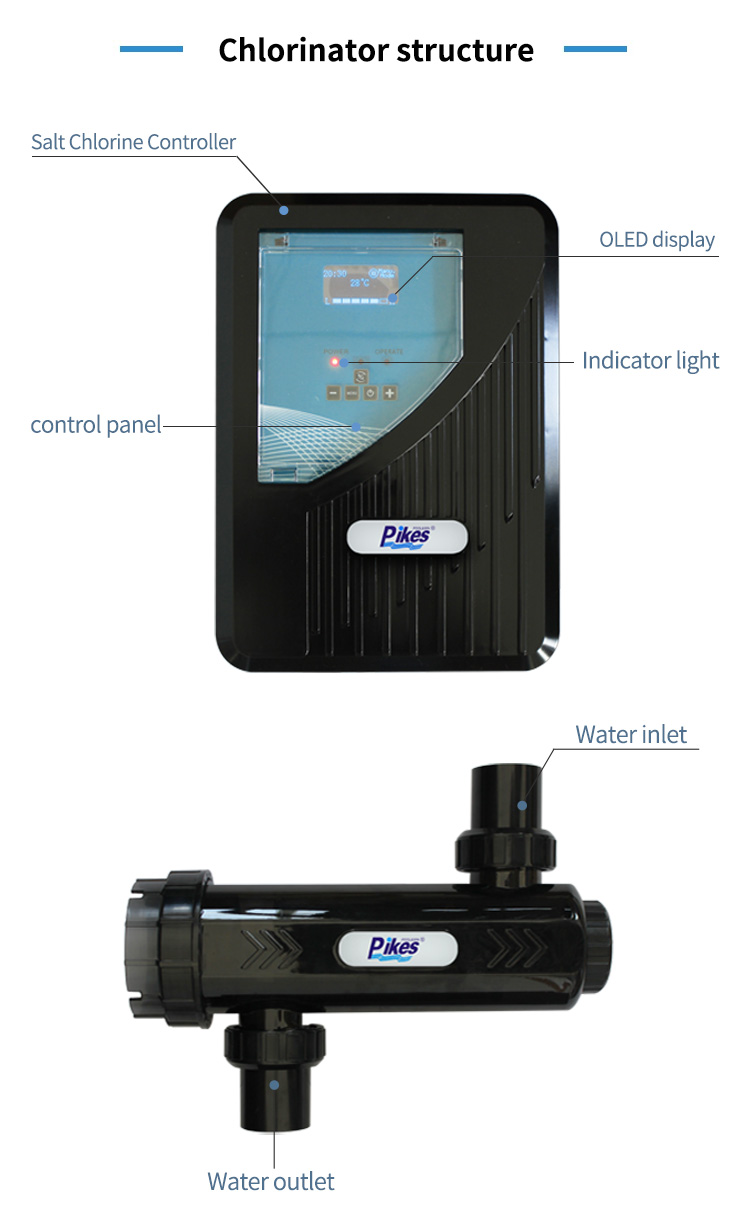
At the center is an electrolytic cell connected to the pool’s circulation system. As water passes through it, electrical current helps convert salt into a sanitizing form of chlorine; after doing its work, that chlorine eventually returns to a salt form. This chlorine generator system supports ongoing production, but still depends on testing, circulation, and correct settings.
How the salt chlorinator produces chlorine
Electrolysis within the circulation loop
Salt is dissolved directly into the pool water, which then moves through plumbing and across the cell’s electrically charged plates. During saltwater pool chlorination, electrolysis creates chlorine compounds that sanitize the water. The chlorine generator system is therefore part of the circulation loop, not a separate treatment tank that replaces filtration.
The process is cyclical: sanitizing chlorine reacts with contaminants and sunlight, then changes back into chloride in the water. The cell can use that salt again as water recirculates. This is why a chlorine generator system can make chlorine steadily while the pump runs, rather than storing a supply of finished sanitizer for later use.
A salt chlorinator does not remove the need for chlorine; it changes how chlorine is produced and delivered. Saltwater pool chlorination still requires enough sanitizer to match swimmer load, temperature, sunlight, and contamination. Operators should measure free chlorine and respond to test results instead of assuming the machine’s display alone proves that the water is properly sanitized.
Water chemistry and operating conditions
The pool must have an appropriate salt concentration for the unit’s operating range. During saltwater pool chlorination, low salt can limit production, while excessive salt may contribute to corrosion or uncomfortable water. A chlorine generator system may report a salt reading, but periodic independent testing helps confirm that reading and identify changes before they affect output.
Water balance also matters because pH affects chlorine effectiveness and can influence scale formation on cell plates. Regular testing of pH, alkalinity, and sanitizer levels gives staff a fuller picture than a single control-panel value. In practice, saltwater pool chlorination works best as one element of a measured water-management routine, alongside filtration and circulation.
What controls output and ongoing care
Settings, demand, and monitoring
Most systems let an operator set a production percentage or operating schedule. That setting controls how long or intensely the cell generates chlorine, but actual demand changes with weather, pool use, and water condition. A chlorine generator system should be adjusted using test results and operating observations, not left at one setting throughout the year.
If testing shows low sanitizer despite adequate salt, check whether the pump runs long enough and whether the production setting matches demand. Saltwater pool chlorination cannot compensate for poor circulation, blocked filters, or unusually heavy bather loads without an appropriate response. Operators should also investigate faults and verify readings before changing several settings at once.
A cell needs inspection because mineral scale and debris can reduce its effective performance. Follow the equipment instructions for inspection and cleaning, and avoid aggressive methods that may damage the plates. Salt cell replacement becomes relevant when cleaning and troubleshooting do not restore reliable production, or when inspection shows that the cell has reached the end of its service life.
Maintenance decisions and replacement signals
Before arranging salt cell replacement, confirm that salt concentration, water balance, flow, and electrical connections are within the specified operating conditions. A warning light can point to a real fault, but it can also reflect an incorrect reading or condition elsewhere in the system. A chlorine generator system is easier to diagnose when staff keep test results and maintenance observations together.
Salt cell replacement should be based on the cell’s condition and the manufacturer’s service guidance, not on a calendar alone. Frequent cleaning is not automatically better, since unnecessary treatment can shorten component life. For saltwater pool chlorination, a simple record of inspections, water tests, and output changes can help separate gradual wear from temporary operating problems.
After a new cell is installed, verify flow, salt level, and control settings, then test the pool water to confirm sanitizer production. Salt cell replacement does not correct unrelated issues such as poor circulation or unbalanced chemistry. Likewise, a chlorine generator system needs continued monitoring after service; equipment operation is not a substitute for checking the water itself.
Assessing whether the approach fits a pool
Operational fit for facilities
A salt chlorinator may suit facilities seeking automated, on-site chlorine production as part of a consistent circulation schedule. Its practical value depends on the pool’s size, operating hours, water chemistry program, and staff capacity for inspection. Saltwater pool chlorination is not maintenance-free, so the decision should include the work required to test water and care for the cell.
Commercial operators should also consider how the equipment integrates with existing pumps, pipework, electrical supply, and control procedures. A chlorine generator system can support a managed sanitation process, but operators still need a response plan for equipment alarms or measured chlorine outside the required range. Reviewing these tasks before installation helps set realistic expectations.
Limits and practical expectations
The water is saline, not equivalent to seawater, and the system continues to produce chlorine. Some users may notice a different feel, but the system does not guarantee that irritation will disappear or that chemical handling will be eliminated. Saltwater pool chlorination describes a production method; it does not mean a pool operates without chemical monitoring or water balance management.
For a facility, the useful question is whether automated production matches its workload and maintenance resources. If output falls, check water conditions and circulation before assuming salt cell replacement is necessary. A chlorine generator system delivers dependable control only when its settings, cell condition, and test results are considered together over time.
FAQ
Does a salt chlorinator mean the pool has no chlorine?
No. The unit produces chlorine from dissolved salt, and that chlorine sanitizes the water. Saltwater pool chlorination changes the production method, while regular testing remains necessary to confirm a suitable sanitizer level. The chlorine generator system must be correctly set and supported by circulation.
How can an operator tell whether a cell needs service?
Check water-test results, salt level, flow, and any equipment alerts, then inspect the cell according to its instructions. If output remains low after operating conditions are corrected, salt cell replacement may be appropriate. Saltwater pool chlorination should still be monitored during troubleshooting, and a chlorine generator system should not be treated as proof of adequate sanitizer.
Does salt cell replacement fix every low-chlorine problem?
No. Low chlorine can result from high demand, insufficient run time, poor circulation, incorrect settings, or water chemistry issues. Salt cell replacement addresses a worn or damaged cell, not every cause of weak output. Confirm the diagnosis, then verify production and pool test results after service; continue monitoring saltwater pool chlorination as normal.