
 EN



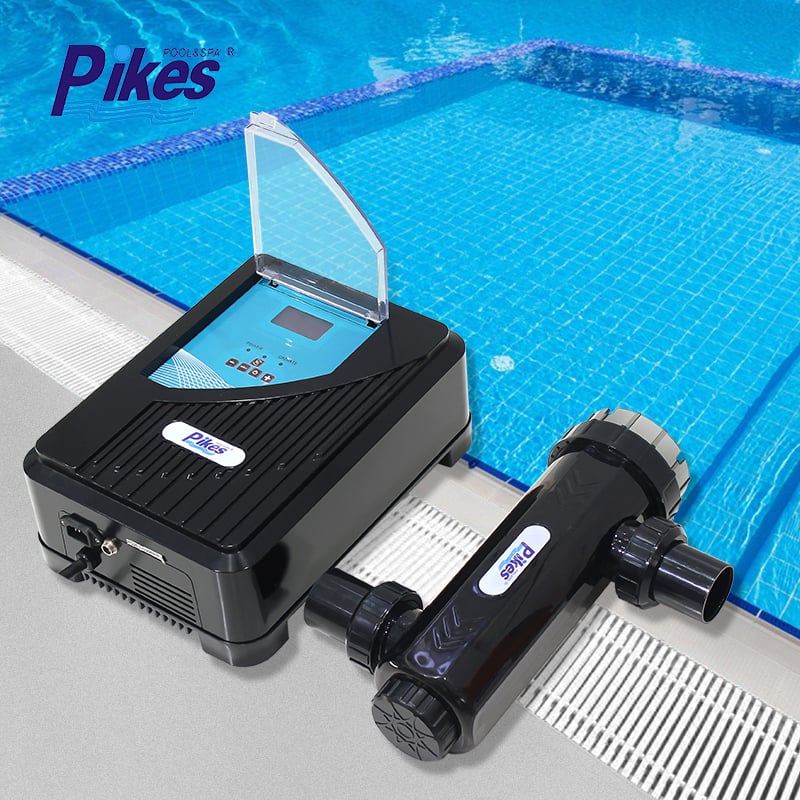
A salt chlorinator improves pool water quality by producing chlorine from dissolved salt as water passes through an energized cell. This controlled process supports saltwater pool chlorination and helps maintain a consistent sanitizer level when the equipment is correctly sized, operated, and monitored. It changes how chlorine is supplied; it does not remove the need to test and balance the water.
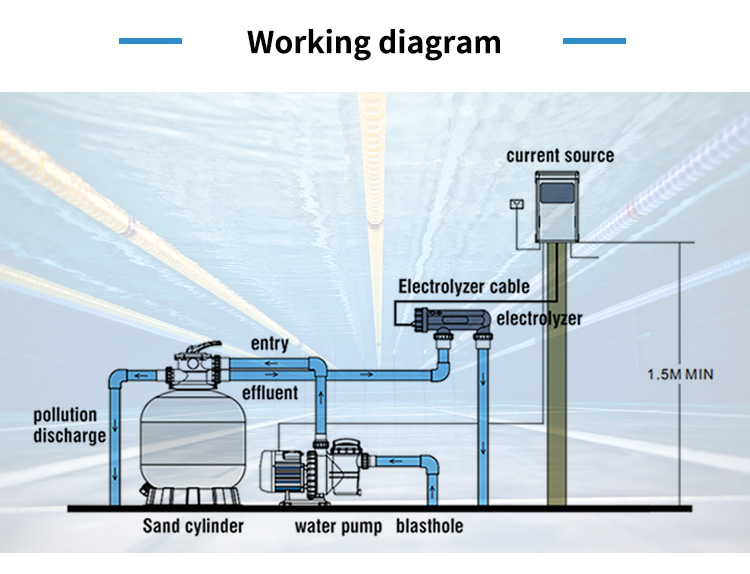
For pool operators, the benefit is a steady sanitation process integrated with circulation, rather than a separate manual addition of chlorine at every interval. A chlorine generator system can make chlorine during scheduled pump operation, while testing remains essential to confirm the water has an appropriate free chlorine level, balanced pH, and suitable salt concentration.
How the Chlorination Process Supports Sanitation
Electrolysis produces an active sanitizer
A salt chlorinator uses electrolysis: dissolved salt moves with circulating water through a cell, where an electrical current converts chloride into chlorine compounds that sanitize the pool. This is the working basis of saltwater pool chlorination. The chlorine helps control many microorganisms and oxidize some contaminants, then returns to a chloride form as it performs its work.
The process does not mean a pool is chlorine-free. Rather, a chlorine generator system produces sanitizer on site from salt already present in the water. The owner or facility team still needs to measure free chlorine and follow equipment instructions. If the reading falls outside the required range, adjust output or investigate the underlying cause instead of assuming the unit is providing enough sanitizer.
Production depends on more than the control setting. Pump run time, water temperature, stabilizer level, sunlight, and swimmer load can affect chlorine demand or the amount produced. A salt cell replacement may be needed when a cell is worn or damaged, but a low reading can also result from restricted flow, scaling, or unsuitable water balance.
Circulation carries sanitizer through the pool
The cell can only treat water that passes through it, so circulation is central to reliable saltwater pool chlorination. Run the pump for the duration recommended for the pool and operating conditions, and confirm that flow is adequate for the generator. Dead spots, clogged filters, or closed valves can reduce distribution even when the display indicates that chlorine is being produced.
Water Quality Benefits Depend on Balanced Operation
Steadier output can simplify daily sanitation
When its production matches demand, saltwater pool chlorination can provide a more continuous supply than occasional manual dosing. A chlorine generator system lets an operator set output and align it with pump schedules, then verify results through routine testing. That approach can reduce sharp swings associated with inconsistent dosing, although weather and heavy use may still change chlorine demand quickly.
The equipment is not an automatic water-quality guarantee. Test free chlorine and pH regularly, and check other parameters according to the pool's maintenance plan. If chlorine drops after a busy weekend or hot spell, raise production only as appropriate and retest. A persistently low result calls for checking flow, cell condition, stabilizer, and actual demand.
Many users notice a different swimming experience because the system produces chlorine steadily and the water contains dissolved salt. However, comfort is not proof of sanitation: clear-looking water can still have inadequate sanitizer or imbalanced pH. A chlorine generator system supports a treatment routine, but measurements and corrective action remain the basis for safe, stable water.
Salt concentration also matters to the unit's operation. Too little salt can limit output, while excess salt can exceed equipment specifications and may contribute to corrosion risks for incompatible materials. Follow the product guidance when testing and adjusting levels. Saltwater pool chlorination works best when the salt reading, water balance, and generator settings are considered together.
Comfort and clarity still require water balance
A salt chlorinator does not replace filtration, physical cleaning, or pH management. Balanced water helps sanitizer work effectively and reduces the chance of scale forming on the cell. Check for debris, maintain the filter, and keep surfaces clean; these tasks remove material that chemical treatment alone cannot reliably clear from a busy pool.
Operating Checks That Protect Water Quality
Match production to pool conditions
Start by setting output in line with pool volume, circulation time, and expected use, then use test results to fine-tune it. Saltwater pool chlorination needs can rise with warmer weather, intense sunlight, or more swimmers. Record readings and adjustments so a facility team can distinguish a temporary demand spike from a recurring equipment or circulation problem.
A chlorine generator system should be checked for alerts, adequate flow, and visible deposits according to its manual. Avoid changing several settings at once, because that makes results harder to interpret. After an adjustment, allow the pool to circulate as directed before retesting. This measured workflow connects equipment operation to actual water quality rather than relying only on a control-panel number.
If output declines, inspect the cell and water chemistry before concluding that the unit has failed. Scale can restrict cell performance, and low flow can interrupt production. Cleaning should follow the equipment instructions, not an aggressive routine that may shorten component life. Consider salt cell replacement when inspection, operating history, and manufacturer guidance indicate that the cell can no longer produce adequately.
Maintain the cell and respond to test results
Plan for salt cell replacement as a maintenance decision based on condition and performance, not a fixed assumption that every cell lasts the same length of time. A replacement cell should match the generator specifications. After installation, confirm salt level, circulation, and output, then test the water to establish that the equipment is contributing to the required sanitizer level.
Even after salt cell replacement, water testing remains necessary because a new component cannot compensate for poor circulation, excessive demand, or unbalanced chemistry. Keep a record of readings and service actions, and investigate repeated low chlorine results promptly. This makes saltwater pool chlorination more predictable and helps operators identify whether the issue lies in settings, water conditions, or hardware.
FAQ
Does a salt chlorinator eliminate chlorine from pool water?
No. A salt chlorinator generates chlorine from dissolved salt; the sanitizer is still present and needs to be tested. Saltwater pool chlorination describes how the chlorine is produced, not a chlorine-free treatment. A chlorine generator system supplies it during operation, but the operator must verify the residual and respond when readings show that output or demand is out of balance.
Why can chlorine readings stay low when the generator is running?
Low readings can reflect high swimmer or weather-related demand, short pump operation, poor flow, low salt, scaling, or a cell problem. Saltwater pool chlorination requires enough production to match demand, so inspect the full operating setup and retest. A chlorine generator system may need an output adjustment, while salt cell replacement is relevant only if assessment indicates the cell is worn or faulty.
When should a pool operator consider salt cell replacement?
Consider salt cell replacement when cleaning, flow checks, water balance, and settings do not restore expected output, and the equipment guidance supports replacement. Confirm compatibility before fitting a new cell, then test the pool after circulation. Saltwater pool chlorination still depends on measured results, and a chlorine generator system should be monitored as part of the wider water-treatment routine.