
 EN


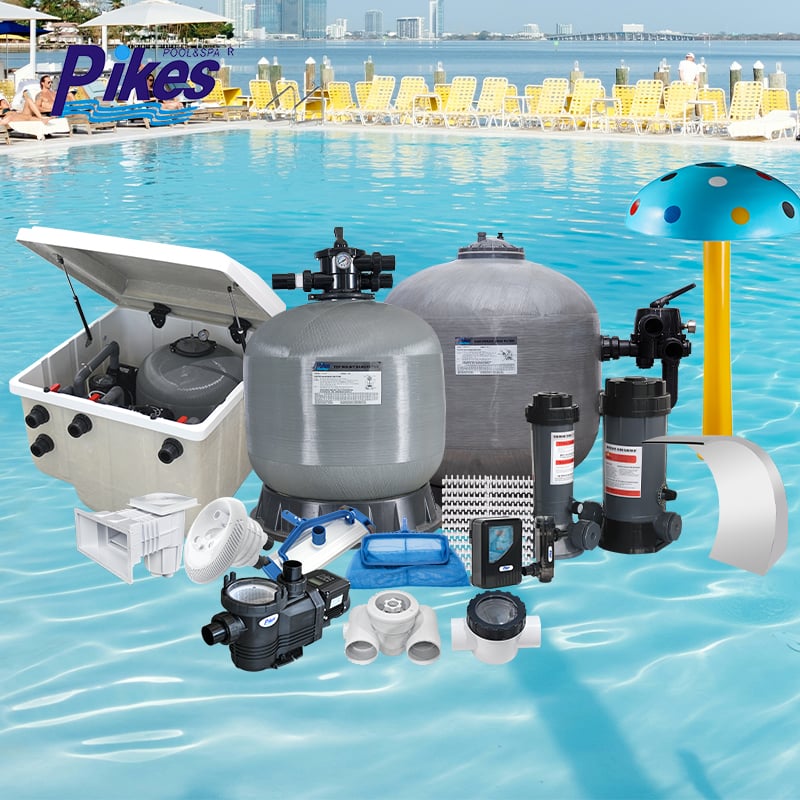
Maintaining swimming pool equipment is a repeatable process: inspect components, remove buildup, verify operation, and record changes before small problems disrupt daily use. A planned routine also helps staff use pool maintenance tools correctly and identify wear early, rather than waiting for a breakdown during busy operating hours.
The right schedule depends on facility use, equipment type, and manufacturer instructions. Treat aquatic facility supplies and water treatment systems as connected parts of one operating plan: cleaning affects circulation, circulation supports treatment, and accurate records help the next shift respond consistently. Begin with routine checks, then adjust frequency to actual conditions.
Build a Reliable Inspection Routine
Check equipment before opening
Start each operating day with a visual walk-through of pumps, filters, heaters, drains, and control panels. Listen for unusual vibration, note leaks, and confirm that gauges and indicators show expected readings. Keep pool maintenance tools in an assigned, dry location, and use the same inspection route so no critical area is overlooked.
Look for loose fittings, damaged cables, corrosion, clogged baskets, or water around seals. These findings can indicate a need for cleaning or qualified service, but staff should not open energized equipment or bypass safety devices. Record observations alongside readings from water treatment systems, because an equipment fault can change water quality and circulation.
Use cleaning tools without causing damage
Rinse cleaning equipment after use and remove hair, leaves, and other debris before it dries. Telescopic poles, brushes, and nets should be checked for secure connections, smooth adjustment, and cracks. Store pool maintenance tools away from direct heat and chemicals; damaged handles or worn heads can scratch surfaces or make cleaning less controlled.
Match the brush or vacuum head to the pool finish and follow the equipment instructions. Clean baskets and strainers with the system safely isolated when required, then reinstall each cover correctly. Aquatic facility supplies such as test kits, replacement seals, and cleaning accessories should be kept labeled and protected from moisture to preserve usability.
Keep Circulation and Treatment in Balance
Maintain pumps, filters, and flow paths
Inspect pump baskets frequently and remove debris before it restricts flow. Check filter pressure against the facility’s normal operating baseline, not a generic target, and clean or backwash only according to the filter instructions. Pool maintenance tools support this work, while clear service notes help staff distinguish normal variation from a developing blockage.
After cleaning, confirm that valves are returned to their proper positions and check for leaks when the system restarts. A sudden change in pressure, flow, or pump sound deserves investigation rather than repeated resetting. Water treatment systems rely on steady circulation, so verify that return lines and skimmers are functioning as intended before adjusting chemical dosing.
Protect treatment controls and test equipment
Calibrate or verify testing devices at the intervals stated in their instructions, and replace reagents when they expire or show signs of contamination. Take samples using a consistent method and location. Store aquatic facility supplies, especially test materials, according to label guidance; poor storage can undermine readings and lead staff to make unsuitable adjustments.
Inspect feeders, sensors, tubing, and controller displays for residue, leaks, or error messages. Do not assume that an automated reading is correct simply because the screen is active. Compare it with a suitable manual test, then follow site procedures for investigating differences. These checks help water treatment systems operate predictably without encouraging unnecessary chemical changes.
Plan Servicing and Document Results
Set maintenance intervals by condition
Daily visual checks should be supported by scheduled cleaning and periodic technical inspections. Use operating hours, bather load, water conditions, and service history to decide when tasks are due. Pool maintenance tools need their own checks: inspect pole locks, brush bristles, vacuum hoses, and test equipment before assigning them to routine work.
Follow the equipment manual for lubrication, component replacement, winterization, and other service-specific tasks. If work requires electrical, pressure, or chemical-system expertise, use a qualified technician and keep staff within their training. Water treatment systems may have different service needs from mechanical components, so avoid applying one interval to every device.
Use records to improve the routine
Log inspection dates, readings, cleaning, faults, parts changed, and the person completing each task. A concise record makes recurring symptoms easier to spot and supports handovers between shifts. It also clarifies which aquatic facility supplies are being consumed and whether stock should be replenished before a scheduled service.
Review the log regularly and revise the routine when seasonal use, weather, or operating hours change. If the same blockage or alarm returns, investigate the underlying cause instead of repeating a temporary fix. Consistent documentation links pool maintenance tools, staff actions, and equipment condition, helping managers plan work around facility operations.
FAQ
How often should pool equipment be inspected?
Complete a visual and operational check at the start of each operating day, then follow manufacturer guidance for deeper servicing. Increase attention when use is heavy or readings change. Keep pool maintenance tools clean and available, and document issues so the next inspection can focus on known concerns.
What should staff do when water readings change unexpectedly?
Repeat the test using a properly stored kit and the facility’s sampling procedure, then check circulation and treatment controls. Do not make a large adjustment based on one uncertain reading. Inspect water treatment systems for alarms or visible faults and escalate findings under site procedures.
How can a facility prevent avoidable equipment damage?
Use equipment only as instructed, clean it after use, and store it in a suitable location. Keep aquatic facility supplies organized, remove damaged items from service, and train staff to recognize warning signs. Routine records help confirm that inspection and servicing tasks are completed consistently.