
 EN



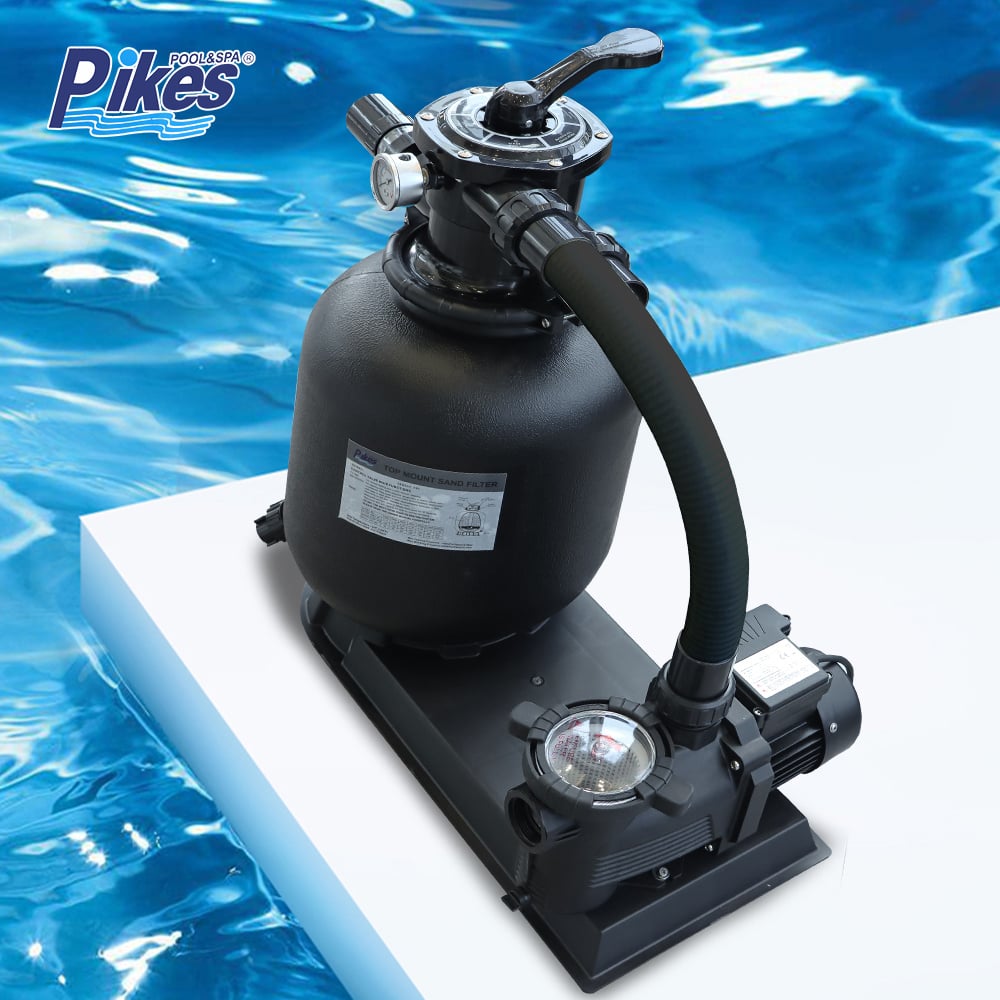
Backwashing reverses water flow through a filter to flush trapped debris out through the waste line. Done at the right time and in the correct sequence, it supports swimming pool filtration, routine pool filter maintenance, and dependable pool water clarity. The essential steps are simple, but operating the valve while the pump is running or restarting without checking the system can create avoidable problems.
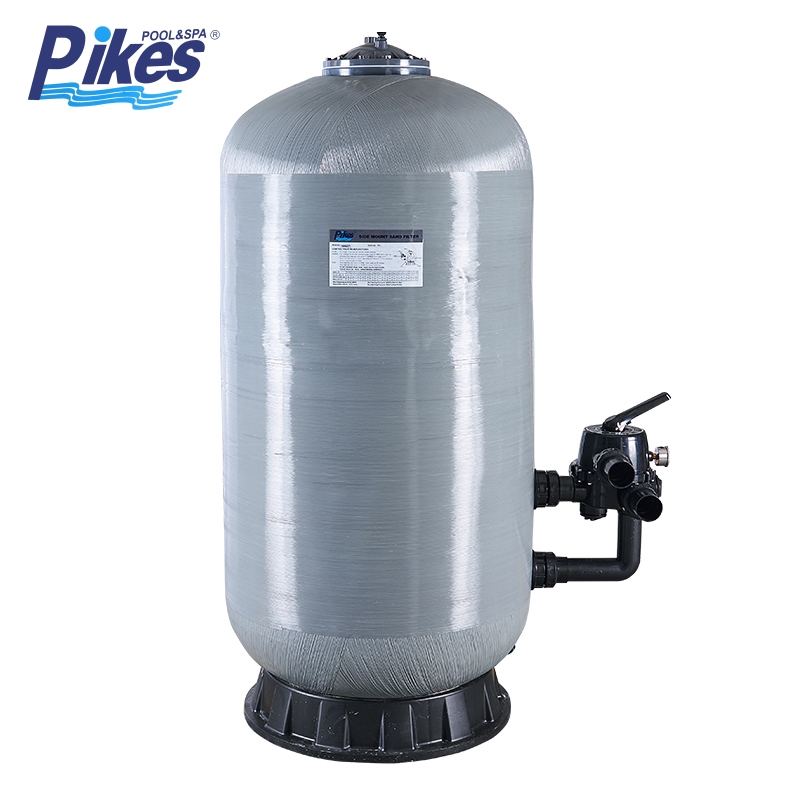
This guide explains how to backwash a typical sand filter, when to stop, and what to check before returning the pool to normal circulation. Filter designs differ, so use the equipment manual for valve-specific instructions. Careful backwashing preserves effective swimming pool filtration, makes pool filter maintenance more predictable, and helps maintain pool water clarity without wasting more water than necessary.
Prepare the System for Backwashing
Confirm that the filter needs cleaning
Do not backwash solely because a certain number of days has passed. Check the pressure gauge against the clean starting pressure recorded after the last service, and follow the filter maker’s recommended trigger. Rising pressure or reduced return flow can indicate a dirty bed, while clear pool water alone does not prove that flow is normal. This measured approach supports swimming pool filtration and practical pool filter maintenance.
Before touching the controls, inspect the pump basket, pressure gauge, waste line, and valve area for visible problems. A clogged basket can restrict circulation independently of the filter, so clearing it may restore flow without backwashing. Assess pool water clarity alongside pressure and circulation, and note whether the pump is making unusual noises. Good pool filter maintenance starts with identifying the actual cause rather than treating every symptom as a dirty filter.
Set up the pump and waste line
Make sure the waste hose or drain path is securely connected and directed to an approved location. Backwash water carries suspended dirt and treatment residues, so it should not flood equipment pads, neighboring property, or areas where runoff is restricted. If the route is blocked or the hose is loose, pause before operating the valve. A safe discharge path is part of responsible swimming pool filtration and protects the surrounding work area.
Switch off the pump before changing a multiport valve position. Moving the handle under pressure can damage valve components and interrupt normal pool filter maintenance. Press the handle down fully, rotate it to Backwash, and release it so it locks into place. The valve positions vary by model, so confirm the markings and operating instructions. Never force a stiff handle; resolve the issue before continuing to protect pool water clarity and equipment function.
Backwash and Rinse in the Correct Sequence
Flush trapped debris from the filter bed
With the valve set to Backwash and the waste route ready, start the pump. Watch the sight glass if fitted, or observe the discharge where it can be done safely. The water may initially look dirty as accumulated particles leave the tank. Continue until it runs clear or until the manual’s recommended duration is reached. This step refreshes swimming pool filtration, while controlled operation keeps pool filter maintenance consistent and helps preserve pool water clarity.
Avoid extending the cycle without a reason. Backwashing sends water out of the pool, and excessive loss can lower the water level enough to affect skimming or pump operation. If the discharge does not clear, investigate possible causes such as an unsuitable valve setting, an obstructed line, or a filter problem instead of running indefinitely. A deliberate cycle supports pool filter maintenance and efficient swimming pool filtration while limiting unnecessary water use.
Rinse before returning to filtration
After backwashing, switch the pump off again before moving the valve. Select Rinse, lock the handle in position, and restart the pump for the duration specified by the equipment manual. Rinsing settles the filter media and sends remaining fine debris to waste rather than back into the pool. This often-overlooked part of pool filter maintenance supports pool water clarity and helps swimming pool filtration resume in the intended direction.
When the rinse is complete, stop the pump before selecting Filter. Check that the handle is fully seated, then restart the pump and confirm that water returns through the outlets. Do not rotate the valve while the pump is operating. This sequence protects the multiport assembly and supports reliable swimming pool filtration. Recording the post-cleaning pressure also gives a useful reference for the next pool filter maintenance check and future pool water clarity troubleshooting.
Restore Circulation and Verify Results
Check pressure, flow, and water level
Once the system is running in Filter mode, inspect the gauge, pump lid, valve area, and waste connection for leaks or unusual behavior. Compare the gauge reading with the clean baseline rather than relying on a single universal pressure value. If pressure remains unusually high or return flow stays weak, stop and investigate before assuming the backwash failed. These checks make pool filter maintenance more diagnostic and help keep swimming pool filtration stable.
Because water leaves through the waste line, confirm that the pool level remains within the skimmer’s operating range. Refill with clean water if needed, then allow circulation to continue before judging the result. Backwashing cannot correct every cause of cloudy water, including chemical imbalance or fine particles that require another treatment. Consider pool water clarity together with circulation and test results, so the next step addresses the cause rather than repeating pool filter maintenance unnecessarily.
Know when additional troubleshooting is needed
If water continues to cloud after normal circulation resumes, test the water and review recent use, cleaning, and chemical adjustments. A filter that quickly returns to high pressure may have a continuing debris load or a mechanical issue. If pressure is unusually low, check for air leaks, a blocked suction path, or a pump problem. Connecting these observations to swimming pool filtration helps distinguish a routine cleaning need from a wider circulation issue affecting pool water clarity.
Use the pressure change that triggered cleaning to refine future service timing, and record the reading after the filter is clean. Backwashing too often can use excess water and disrupt the filter bed, while waiting too long can reduce flow. Follow the manual for your specific equipment and seek qualified service when a valve leaks, will not lock, or behaves abnormally. This measured approach makes pool filter maintenance repeatable and keeps swimming pool filtration aligned with actual operating conditions and pool water clarity needs.
FAQ
How long should I backwash a pool filter?
Follow the filter manual and stop when the discharge is clear or the specified cycle ends. Conditions differ by system, so use the pressure reading and discharge as guides. For swimming pool filtration, avoid running longer than needed; then complete the rinse step as part of pool filter maintenance.
Should I backwash whenever pool water looks cloudy?
Not necessarily. Cloudiness can result from water chemistry, fine particles, or circulation issues, not only a dirty filter. Check pressure, flow, and test results before acting. A backwash is appropriate when the filter’s indicators call for it, but pool water clarity may need a different correction.
Why must the pump be off when changing valve settings?
Turning the valve under pressure can strain or damage its internal parts. Stop the pump before every setting change, confirm the handle locks into position, and then restart. This safe habit supports pool filter maintenance, protects swimming pool filtration equipment, and helps prevent problems that could affect pool water clarity.