
 EN
EN



When contractors and distributors source equipment for swimming pool installations, the choice of a pool ladder becomes far more critical than many realize. A pool ladder serves as the primary access point for swimmers and must balance safety, durability, and aesthetic appeal across countless installations. The right pool ladder can enhance customer satisfaction, reduce liability concerns, and establish your reputation as a supplier of quality products. Understanding the essential features of a reliable pool ladder ensures that contractors make informed purchasing decisions that benefit both their projects and their bottom line.
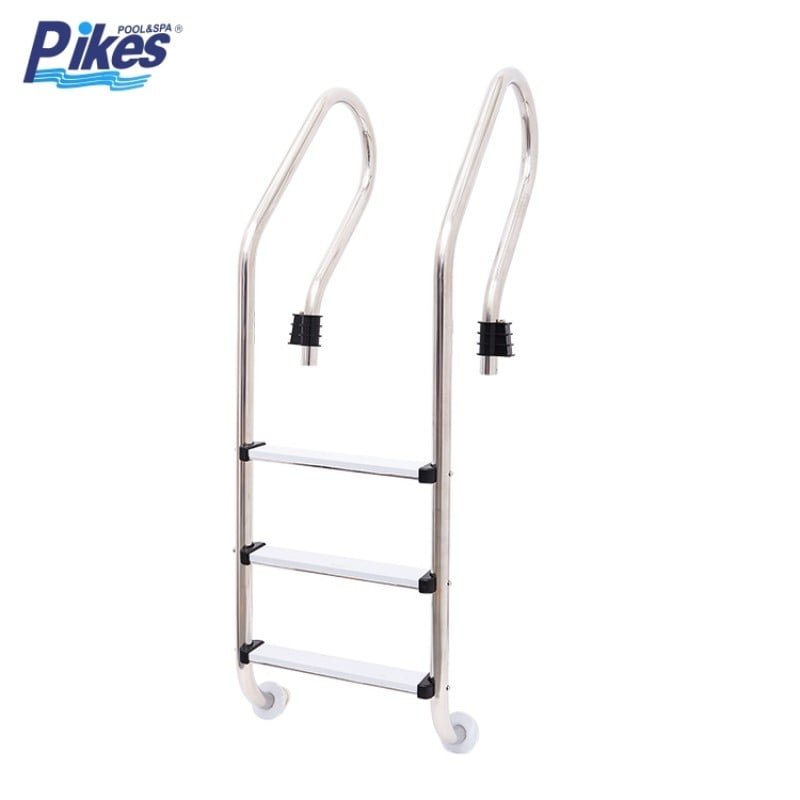
Selecting a pool ladder requires evaluating multiple technical and practical factors that directly impact performance in residential, commercial, and institutional environments. A high-quality pool ladder combines anti-slip surfaces, corrosion-resistant materials, and robust construction to meet safety codes and withstand years of daily use. For contractors and distributors, choosing a pool ladder that meets industry standards and customer expectations creates competitive advantages and reduces warranty claims. This guide explores the key attributes that define reliable pool ladder products and how they support successful pool installations.
Essential Safety Features of Modern Pool Ladder Design
Anti-Slip Surface Technology
The anti-slip surface of a pool ladder is one of the most important safety components. Wet feet and chlorinated water create slippery conditions that demand superior grip on every rung and step surface. A well-designed pool ladder incorporates textured coating or grip-enhancing materials that maintain traction even when immersed in water or subjected to heavy use. Contractors must verify that the pool ladder they specify meets ANSI and ASTM standards for slip resistance, ensuring consistent performance across all seasons and water conditions. Anti-slip treatments that degrade over time expose facilities to liability, making material quality and durability central to product selection.
Structural Integrity and Weight Capacity
Every pool ladder must support swimmers of varying weights while maintaining stability and preventing wobbling. Contractors and distributors recognize that a pool ladder engineered with reinforced steps and high-grade fasteners ensures reliable performance in busy pools where multiple users access the ladder simultaneously. The frame material—whether stainless steel, aluminum, or fiberglass—directly affects both durability and longevity. A premium pool ladder uses corrosion-resistant stainless steel construction that resists chlorine, salt, and UV exposure. Quality manufacturing processes ensure that the pool ladder remains structurally sound for 10 to 15 years or longer, minimizing replacement frequency and supporting contractor reputation.
Material Selection and Corrosion Resistance
Stainless Steel Advantages for Long-Term Performance
Stainless steel represents the gold standard for pool ladder construction in environments demanding extreme durability. The 304 and 316 grades of stainless steel resist corrosion from chlorine, saltwater, and UV radiation far better than painted steel or lower-grade materials. Contractors who specify a pool ladder made from premium stainless steel eliminate rust staining on pool walls and deck surfaces, maintaining aesthetic appeal year after year. For distributors, a pool ladder constructed from quality stainless steel justifies higher margins through increased customer satisfaction and dramatically lower warranty claim rates. The initial investment in a superior pool ladder pays dividends through reduced service calls and enhanced customer retention.
Fastening Systems and Hardware Durability
The fasteners and hardware securing a pool ladder represent hidden but critical quality factors. Stainless steel bolts, nuts, and anchor points prevent rust formation and ensure the pool ladder remains securely attached to the pool deck and wall. Inferior fastening systems lead to wobbling, loose rungs, and eventual structural failure that creates liability and customer dissatisfaction. Contractors performing installation work should inspect the pool ladder hardware closely, ensuring all fasteners use marine-grade stainless steel that matches the frame material. A well-designed pool ladder incorporates recessed fasteners that resist chlorine attack and prevent corrosion-induced failures. When distributors stock pool ladder products with proven hardware durability, they position themselves as trusted suppliers of reliable equipment.
Installation Standards and Compliance Requirements
Building Code Alignment and Safety Certification
Modern pool ladder products must comply with national and regional building codes that specify dimensions, spacing, grab rail placement, and safety margins. Contractors must verify that any pool ladder they select meets ANSI/APSP standards and local health department requirements before installation. A certified pool ladder includes documentation confirming that its design, materials, and construction meet or exceed applicable safety codes. Regulatory compliance protects contractors from liability exposure and ensures that facilities pass inspections without costly modifications. For distributors, stocking only compliant pool ladder products eliminates customer disputes and regulatory problems while reinforcing professional credibility.
Proper Installation Depth and Positioning
The installation methodology for a pool ladder significantly affects its performance and safety profile. Contractors must ensure the pool ladder extends the correct depth into the water—typically measured from deck surface to pool floor—so swimmers can access it comfortably at all water levels. Improper pool ladder positioning creates tripping hazards on the deck and difficulty entering the water at shallow depths. The pool ladder must be securely fastened using appropriate anchor systems that prevent shifting or tilting under load. Distributors providing installation guidance and support distinguish themselves through superior customer service, turning product sales into long-term partnerships that generate repeat business and referrals.
Selecting Pool Ladder Products for Competitive Advantage
Performance Comparison and Quality Differentiation
Contractors and distributors competing in the pool equipment market recognize that a quality pool ladder serves as a visible, tactile representation of their commitment to excellence. Customers assess pool ladder quality through direct observation—noting the grip texture, finish appearance, fastener quality, and overall construction feel. Premium pool ladder products differentiate suppliers through superior durability, reduced maintenance requirements, and enhanced safety features that justify premium pricing. When distributors educate contractors about the long-term value of investing in high-quality pool ladder products, they build credibility and establish themselves as knowledgeable partners rather than mere commodity suppliers. The pool ladder ultimately reflects the professionalism and attention to detail of every contractor and distributor in the supply chain.
Customer Communication and Product Education
Successful contractors and distributors invest in educating their customers about why a quality Pool Ladder protects long-term investment in pool facilities. Clear communication about material specifications, safety certifications, and expected service life builds confidence and justifies product pricing. Providing installation guides, maintenance recommendations, and warranty information transforms product transactions into consultative relationships. Contractors who explain how a superior pool ladder reduces liability, improves user experience, and minimizes maintenance costs position themselves as trusted advisors. Distributors who support contractors with comprehensive product knowledge and technical resources create competitive advantages that extend beyond price competition into the realm of professional partnership and mutual success.
FAQ
What makes an anti-slip pool ladder safer than standard designs?
An anti-slip pool ladder incorporates specialized surface treatments or textures that maintain grip even when wet and exposed to chlorine. Standard ladders without anti-slip features become dangerously slippery, increasing the risk of falls and injuries. Anti-slip technology that meets ASTM standards ensures consistent traction across all rungs and surfaces, protecting users in wet conditions. For contractors and distributors, specifying anti-slip pool ladders demonstrates commitment to safety and significantly reduces liability exposure for facility operators.
How long does a quality stainless steel pool ladder typically last?
A well-constructed stainless steel pool ladder typically lasts 10 to 15 years or longer when properly installed and maintained. Stainless steel grades 304 and 316 resist corrosion from chlorine, salt, and UV radiation far better than painted steel or aluminum. Regular cleaning and inspection extend pool ladder lifespan and ensure continued safety compliance. Contractors who invest in premium stainless steel pool ladder products provide customers with durable equipment that justifies higher initial costs through exceptional service life and reliability.
What installation requirements must contractors follow for pool ladder safety?
Contractors must ensure the pool ladder complies with ANSI/APSP standards, is properly secured to the pool deck and wall, and extends to the correct depth in the water. The ladder must remain stable and wobble-free under loaded conditions, and fasteners must use marine-grade materials resistant to corrosion. Proper positioning prevents tripping hazards and ensures comfortable water entry across all water level conditions. Following these installation standards protects both the facility operator and the contractor from liability while ensuring the pool ladder performs safely throughout its service life.