
 EN
EN



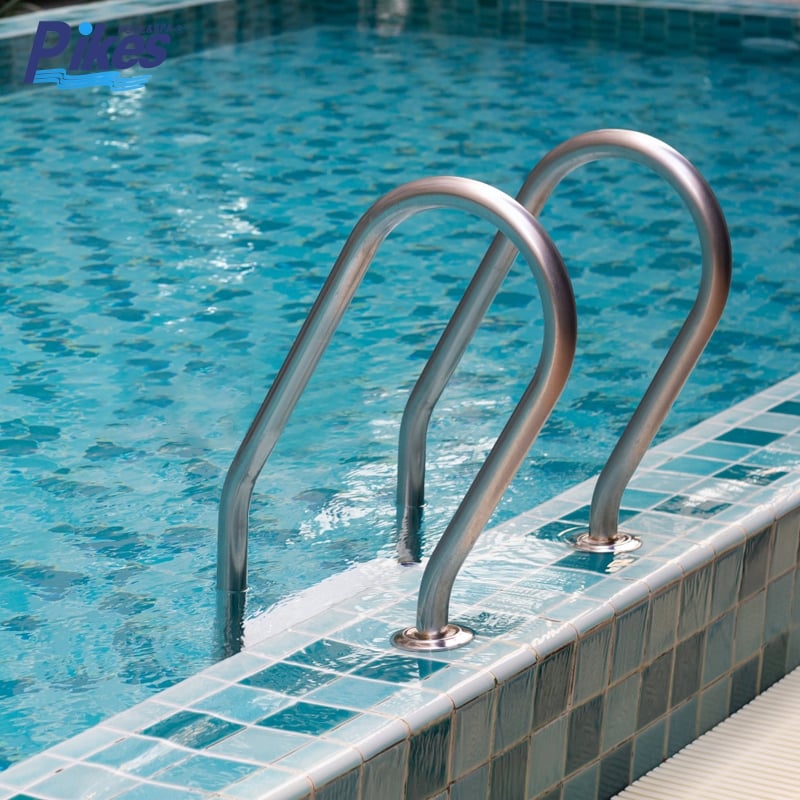
A starting block requires precise water depth to ensure both athlete safety and competitive fairness. The minimum pool depth for a starting block installation is 1.35 meters (approximately 4.4 feet) from the water surface directly in front of the block, extending outward for a minimum of 5.5 meters. This depth requirement exists because swimmers diving from a starting block enter the water at significant speed and angle, necessitating sufficient clearance to prevent striking the pool bottom or deck. Understanding these depth standards is essential for aquatic facility managers, pool designers, and competitive swimming programs planning investments in proper starting block infrastructure.
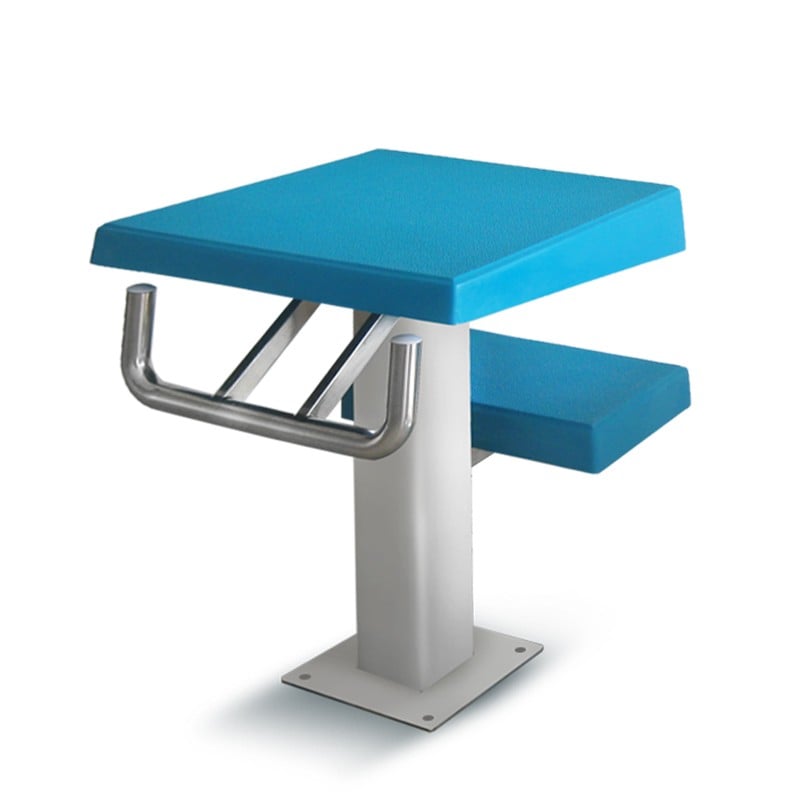
Every starting block installation must conform to internationally recognized aquatic safety standards established by FINA (now World Aquatics) and adopted by national governing bodies worldwide. These regulations specify not only the minimum starting block pool depth but also the trajectory angles, block height, and surface conditions that together create a safe diving environment. Compliance with these standards protects swimmers from injury, enables fair competition, and ensures that facilities meet insurance and liability requirements. Facility operators who overlook proper starting block depth requirements risk athlete safety incidents and regulatory violations.
Understanding Starting Block Depth Requirements
Minimum Depth Standards for Starting Blocks
The critical measurement for starting block pool depth begins at the front edge of the starting block itself. FINA regulations mandate that the water directly in front of the starting block must be at least 1.35 meters deep. This depth extends minimum 5.5 meters forward from the block's edge, with the pool bottom remaining uniformly deep throughout this zone. The 1.35-meter starting block pool depth requirement accommodates the trajectory of swimmers performing standard racing dives, which typically create a shallow angle of entry relative to the water surface. Any starting block installation with insufficient depth in this critical zone creates a collision hazard where divers could strike the bottom during their entry phase.
Why Starting Block Pool Depth Matters
Starting block pool depth directly influences diver safety during the crucial initial moment of every competitive race. When an athlete launches from a starting block, they accelerate forward and downward simultaneously, entering the water at speeds exceeding 10 miles per hour. The starting block pool depth of 1.35 meters allows divers to penetrate sufficiently below the surface before their trajectory naturally rises again. Insufficient starting block pool depth forces swimmers to decelerate their dive angle artificially, placing stress on joints and reducing competitive efficiency. Additionally, the starting block design itself, typically 0.3 to 0.76 meters above water level, means the actual diving entry point begins from elevation, requiring extra water depth to accommodate the full dive arc safely.
Safety Considerations and Liability
Injury Prevention Through Proper Starting Block Pool Depth
Pools with inadequate starting block pool depth represent a significant liability exposure for facility operators and swimming organizations. Head, neck, and spinal injuries can result when divers strike the pool bottom or encounter shoaling (gradually shallowing) water prematurely. The starting block represents the only point in the pool where athletes intentionally dive from elevation into the water at maximum velocity. Any reduction in starting block pool depth below the 1.35-meter minimum dramatically increases injury risk. Medical studies document that even 10-centimeter reductions in starting block pool depth correlate with increased injury rates, particularly among younger or less experienced swimmers who may not adjust their dive mechanics properly.
Regulatory Compliance and Insurance Requirements
Insurance policies for competitive swimming facilities explicitly reference compliance with FINA standards for starting block pool depth. Facilities operating without proper starting block pool depth often face higher insurance premiums, coverage limitations, or complete policy denial following an incident. Liability waivers and assumption-of-risk agreements provide limited protection if a facility fails to maintain required starting block depths. Regulatory agencies in many jurisdictions conduct inspections of competitive aquatic facilities and document starting block pool depth measurements as part of their compliance reviews. Operators who ignore these standards expose their organizations to litigation, regulatory fines, and potential criminal liability if a serious injury occurs.
Installation and Facility Planning
Designing Pools with Starting Block Capability
New pool construction projects must plan starting block pool depth requirements from the initial design phase. Retrofitting a pool without starting block capacity to add competitive starting block capability often proves impractical or prohibitively expensive if the existing starting block pool depth is insufficient. During design, engineers must consider not only the minimum 1.35-meter starting block depth zone but also the surrounding pool geometry, entry and exit areas, and safety clearances. Many Olympic-standard facilities exceed minimum starting block requirements, maintaining 2.0 to 2.5 meters of water depth in competition areas to accommodate multiple diving disciplines and provide additional safety margin. Facilities planning to host regional or national competitions should consult with competitive swimming organizations about their specific starting block depth expectations before finalizing pool designs.
Installation of Starting Block Systems
Quality starting block systems combine engineering precision with proper starting block pool depth to create safe competitive environments. Starting blocks must be anchored securely to pool decking, positioned at precise distances from the pool edge, and aligned perfectly with lane markings. The starting block itself typically measures 0.5 meters wide by 0.5 meters deep, with adjustable height ranging from 0.5 to 0.76 meters above water level. Installation contractors must verify the underlying starting block pool depth before and after block placement to ensure no settling or displacement occurs. Post-installation, facility managers should conduct annual inspections of both the starting block structure and the starting block pool depth profile to identify any erosion, settling, or other factors that might compromise safety. Regular maintenance of the starting block keeps diving surfaces clean and slip-resistant while ongoing depth monitoring ensures continued compliance with safety standards.
FAQ
What is the exact minimum water depth required for a starting block?
The minimum water depth for a starting block is 1.35 meters (4.4 feet) measured from the water surface directly in front of the block, extending at least 5.5 meters forward. This starting block pool depth requirement applies to competitive installations and is based on diver trajectory analysis and safety research. Some facilities exceed this minimum to provide additional safety margin or accommodate multiple diving disciplines beyond racing starts.
Can a pool with insufficient starting block pool depth still operate competitively?
A pool with starting block pool depth below 1.35 meters cannot host FINA-sanctioned or nationally-recognized competitive swimming events that require starting blocks. Facilities operating with substandard starting block depth may face liability issues, insurance complications, and athlete safety risks. Some facilities with limited starting block pool depth operate as training facilities but must prohibit full competitive racing from blocks until depth requirements are met.
How do facilities measure and verify starting block pool depth compliance?
Pool operators measure starting block depth using certified depth gauges or surveying equipment at multiple points within the critical diving zone. Measurements should be taken at the block edge, midway through the required 5.5-meter distance, and at the end of the depth requirement zone. Documentation of these measurements should be maintained for insurance purposes, regulatory inspections, and liability protection. Professional pool surveyors can conduct comprehensive depth mapping to identify any areas that fail to meet starting block requirements.