
 EN
EN



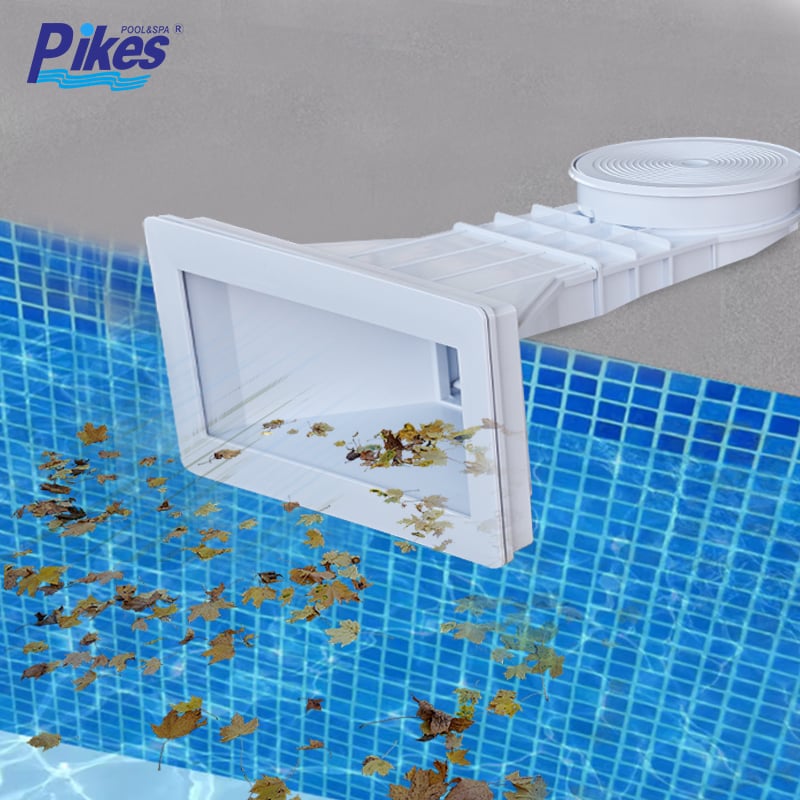
Running a swimming pool without a skimmer is technically possible, but it presents significant challenges that most pool owners should seriously consider before attempting. While alternative surface cleaning methods exist, they require considerably more manual effort, time, and ongoing commitment to maintain water clarity and hygiene. Understanding the role of a skimmer and evaluating whether you can realistically manage pool maintenance without one is essential for making an informed decision about your pool operations.
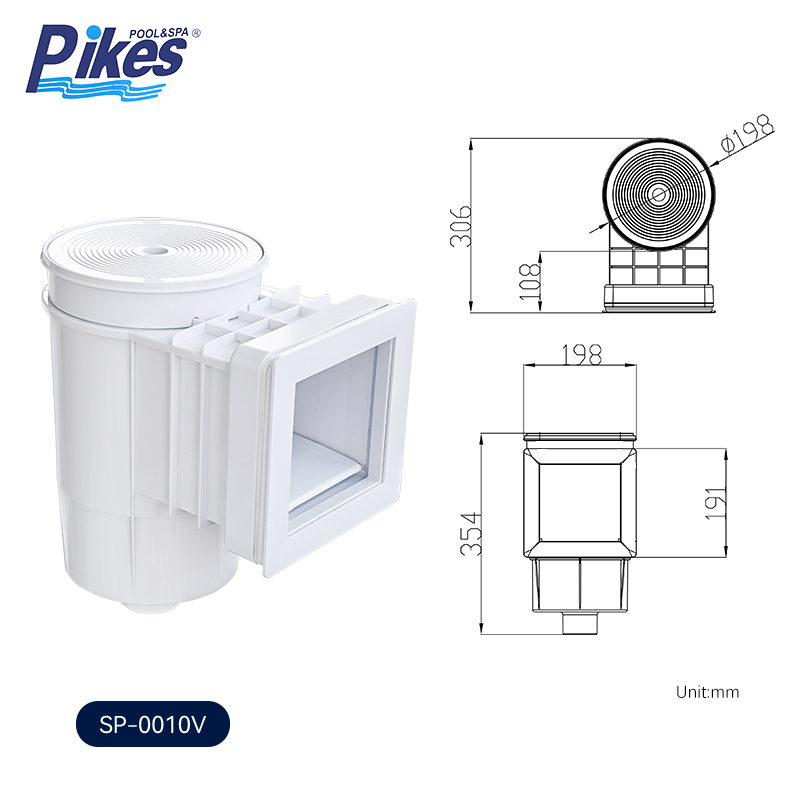
A skimmer serves as the primary tool for removing floating debris, leaves, insects, and surface contaminants before they sink and decompose in your pool. Without this dedicated component, debris accumulates faster, water chemistry becomes harder to balance, and your filtration system works overtime processing settled materials. The skimmer is designed to catch floating debris at the water surface, making it an integral part of pool circulation and water quality management.
The Role of a Skimmer in Pool Circulation
How a Skimmer Functions in Your Pool System
A skimmer operates by drawing water from the pool surface through an intake opening, allowing floating debris to enter a basket collection chamber before water passes to the filter and pump system. This surface-level suction creates circulation that pushes water through your filtration equipment, where particles, bacteria, and chemical residue are trapped. The skimmer basket catches larger debris, preventing it from clogging your filter and extending filter life significantly. Most residential pools rely on at least one skimmer, often positioned strategically to maximize surface coverage.
Water Quality Impact Without a Skimmer
Operating without a skimmer means debris sinks to the pool bottom rather than being caught at the surface, forcing your main drain and filtration system to handle all debris removal. This creates several problems: your filter clogs faster, chemical balancing becomes unpredictable, algae growth accelerates, and water clarity deteriorates rapidly. Pools without a skimmer typically show signs of poor water quality within days to weeks, depending on environmental factors and surrounding vegetation. The skimmer is essentially your first line of defense against water degradation.
Alternative Methods for Surface Debris Removal
Manual Skimming as a Replacement Option
The most direct alternative to a built-in skimmer is manual surface skimming using a handheld net. This approach requires you to physically remove floating leaves, insects, pollen, and other debris multiple times daily, particularly during seasons with high debris production. Manual skimming demands consistent discipline and daily commitment, as skipping even a few days allows debris to sink and decompose. While a handheld skimming net is affordable, the labor intensity makes it impractical for most pool owners who maintain their pools weekly or less frequently.
Supplementary Debris Management Strategies
Some pool owners implement combination approaches by using pool covers when the pool is not in use, installing robotic surface skimmers, or positioning the main drain intake to maximize bottom debris collection. Pool covers prevent debris from entering the water entirely, reducing the workload significantly. Robotic surface cleaners offer semi-automated debris removal but represent additional investment and maintenance responsibilities. The main drain can provide supplementary water circulation, but it cannot replicate the dedicated surface cleaning function that a traditional skimmer provides.
Practical Considerations for Pool Operation Without a Skimmer
Maintenance Demands and Time Commitment
Eliminating a skimmer from your pool system fundamentally changes your maintenance routine, requiring substantially more hands-on work to keep water clean and safe. Without a skimmer, you must increase filter cleaning frequency, monitor chemical levels more closely, and perform manual debris removal at least once daily. Winter months present particular challenges, as falling leaves accumulate rapidly without a skimmer to catch them at the surface. Homeowners with limited time or those who travel frequently will find this approach extremely challenging to sustain year-round.
Long-Term Cost and System Reliability
While skipping a skimmer installation saves initial construction costs, the skimmer ultimately reduces long-term expenses by extending filter life and reducing chemical consumption needed to maintain water quality. Filters without a dedicated skimmer clog faster, requiring more frequent cleaning and premature replacement. Your pump works harder to process debris-laden water, consuming more energy and experiencing accelerated wear. Chemical testing and adjustment become more frequent and complex when debris continuously settles and decays in the water, increasing chemical costs substantially over time.
FAQ
Can a pool function with only a main drain and no skimmer?
A pool can technically operate with only a main drain, but water quality will suffer significantly. The main drain cannot remove floating surface debris efficiently, so leaves and insects sink and decompose, making chemical balance extremely difficult. Your skimmer should always work alongside your main drain to create complete circulation and debris management.
What is the minimum maintenance required if you skip the skimmer?
Without a skimmer, you must manually skim the pool surface at least once daily, monitor and adjust chemicals more frequently, clean your filter multiple times weekly, and run circulation continuously. This represents a dramatic increase in labor compared to pools equipped with a skimmer, making it impractical for most residential pool owners.
Is there any benefit to operating a pool without a skimmer?
The primary benefit is lower initial installation cost if you are not including a skimmer during pool construction. However, this savings evaporates quickly through increased maintenance labor, higher chemical costs, faster filter deterioration, and more frequent equipment repairs. For nearly all pool owners, including a skimmer during construction or adding one to an existing pool is the most practical and cost-effective decision.