
 EN



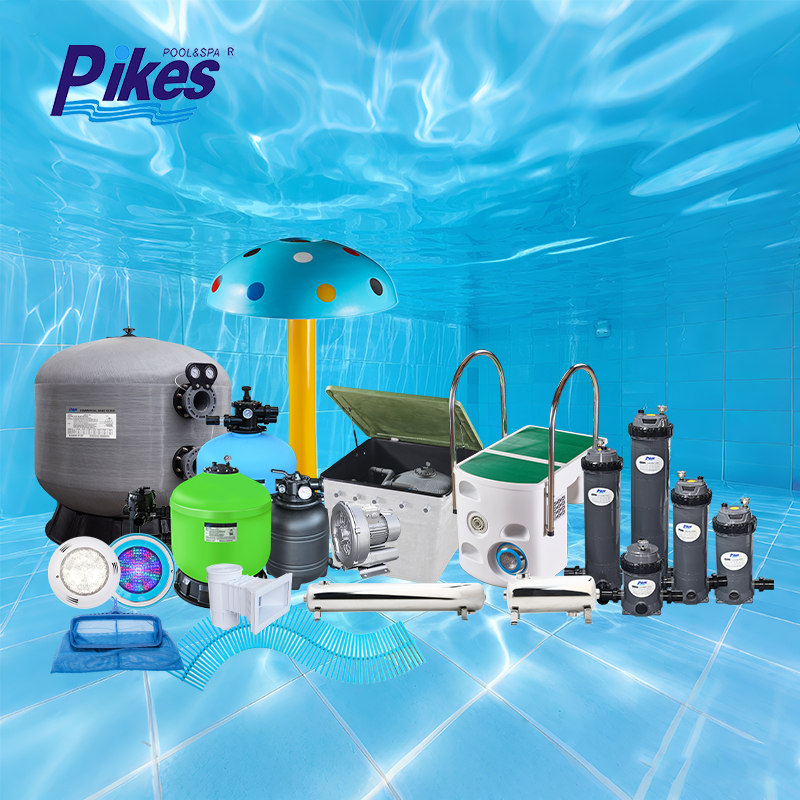
Most swimming pools need a circulation pump to move water through the filter and treatment loop. The right setup may also include a dedicated feature pump, a spa jet pump, or a sump pump, depending on the pool’s design and operating needs. Choosing swimming pool equipment starts with understanding what each pump does, then matching its flow and pressure to the system.
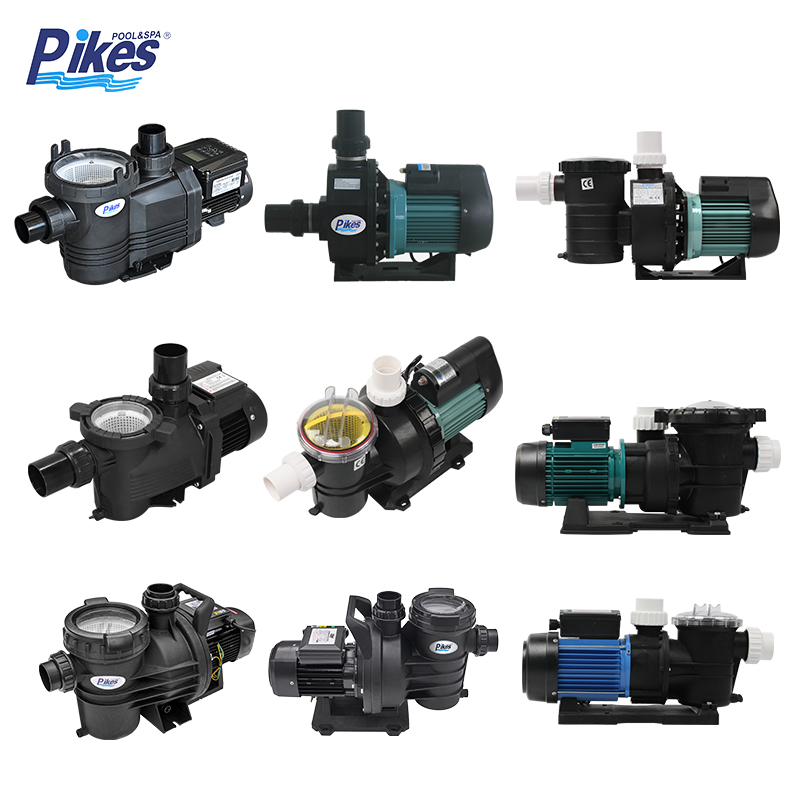
A residential pool often operates with one properly selected circulation pump, while a commercial or multi-feature facility may need separate pumps for distinct circuits. Pool layout, filter type, pipework, bather load, and operating schedule all affect the choice. These factors also influence aquatic facility supplies, controls, and maintenance planning, so a pump should be specified as part of the complete hydraulic system.
Core Pumps for Pool Circulation
The circulation pump moves water through the treatment loop
The circulation pump is the essential pump in most pools. It draws water from skimmers and main drains, then pushes it through filtration and, where fitted, heating or sanitation equipment before returning it to the basin. This continuous or scheduled movement helps distribute treated water and carry suspended debris toward the filter. A pump cannot replace sound circulation design or routine testing of water treatment systems.
Select the pump by required flow at the system’s actual resistance, not by horsepower alone. Pipe diameter, fittings, elevation changes, filter condition, and installed accessories contribute to total dynamic head. An oversized unit can use more energy than necessary and may create excessive velocity or pressure; an undersized unit may not deliver the intended flow. Pool maintenance tools help technicians check pressure, flow indicators, and filter condition during commissioning.
Filtration and plumbing determine the duty point
The filter and pump must be compatible. Sand, cartridge, and diatomaceous earth filters have different flow limits and pressure behavior, while heaters and chemical feeders can add resistance. Confirm the equipment manufacturer’s operating range and the designer’s target circulation rate before choosing a pump. That review makes the selection practical for aquatic facility supplies procurement and helps prevent a mismatch between pump capacity and treatment equipment.
For a replacement, identify the existing pump model, motor details, connection size, and measured operating conditions before ordering. A pump with similar dimensions is not automatically a hydraulic match. Check whether the original installation had been modified, whether the filter is correctly sized, and whether valves are fully open. These checks provide a better basis for selecting swimming pool equipment than copying a nameplate without reviewing the pool circuit.
Additional Pumps for Specific Pool Functions
Separate circuits serve spas and water features
A spa attached to a pool may use a dedicated jet pump when the jets require a higher flow or pressure than the ordinary circulation circuit supplies. Waterfalls, deck jets, fountains, and other features may likewise benefit from a separate pump circuit. Separating duties allows operators to run a feature only when needed, but each branch still requires suitable pipe sizing, isolation valves, and access for service.
Some installations can use a single pump with valves to direct water to different functions, but this depends on design and simultaneous operating requirements. A dedicated pump is more appropriate when the feature has a distinct duty point or should run independently. Include the additional motor, electrical protection, controls, and service access in the project scope. Aquatic facility supplies should support the entire circuit, not just the pump purchase.
Booster and drainage pumps address narrower needs
A booster pump may be specified for a pressure-side cleaner or another accessory that needs more pressure than the main circulation loop provides. It is not a standard requirement for every pool; many cleaners are designed to work with suction or circulation flow instead. Confirm the accessory’s instructions and the plumbing arrangement before adding a booster, since unnecessary equipment adds maintenance and electrical demand.
A drainage or sump pump serves a different purpose: removing water from a plant room, pit, or low area, rather than circulating pool water. It becomes relevant where flooding or groundwater accumulation is a site concern. Keep drainage equipment separate from the treatment circuit and choose it for the anticipated discharge conditions. Pool maintenance tools and inspection procedures can help staff identify standing water and respond before it affects equipment access.
Choosing and Operating the Right Pump
Size for real conditions and operating goals
Begin with the pool volume, target circulation plan, filter capacity, and expected system resistance. Then compare pump performance curves at the calculated duty point, checking that the selected model can deliver the required flow without exceeding component limits. Water temperature, usage patterns, and the possibility of future features may also affect the specification. Water treatment systems work as intended only when circulation supports their required flow and contact conditions.
Where the application allows it, a variable-speed pump can let operators adjust flow for different tasks, such as routine filtration, heating, or cleaning. Lower settings may suit some operating periods, while backwashing or a feature circuit may require a different setting. The appropriate program depends on the equipment and local requirements, so verify minimum flows and manufacturer instructions rather than assuming one speed fits every task.
Plan installation, controls, and service access
Install the pump on a stable base with suitable ventilation, drainage, electrical protection, and access to the strainer lid and unions. Follow applicable electrical and plumbing codes, and ensure the pump is primed according to its design before operation. Correct valve positions and secure connections reduce the risk of air leaks or dry running. A linked swimming pool equipment option should be assessed against these same system requirements.
Commissioning should record flow or a suitable operating indicator, pressure readings, valve positions, and control settings. Staff can then compare later readings with the baseline and investigate changes that may signal a blocked basket, dirty filter, air ingress, or worn component. Water treatment systems benefit from stable circulation, while service records help keep maintenance decisions consistent across shifts and seasons.
Set a service routine around the actual installation: inspect the strainer basket, listen for unusual noise, check for leaks, and clean the filter at its specified pressure or schedule. Pool maintenance tools support these checks, but staff should never open a pressurized filter or work on electrical components without following safety procedures. Clear labels for pump circuits and controls help operators respond correctly when equipment needs attention.
FAQ
Does every pool need a separate filter pump?
Most pools need a circulation pump to move water through filtration, but the pump and filter are usually parts of one connected system rather than separate pumping duties. The required configuration depends on the pool design and equipment specifications. Pool maintenance tools can help staff monitor basic operating conditions, but sizing should be checked against the complete hydraulic circuit.
Does a pool always need a booster pump?
No. A booster pump is needed only when a particular cleaner or feature requires pressure beyond the main circulation circuit. Check the accessory instructions and system design first. Aquatic facility supplies planning should account for the extra pump, controls, and maintenance if a booster is specified.
How can an operator tell whether a pump is correctly sized?
Compare the measured operating conditions with the design flow, pump curve, and limits of the filter and other components. Unusual pressure, inadequate circulation, or persistent operating problems warrant investigation, but no single symptom proves a pump is the wrong size. Review water treatment systems requirements and consult a qualified pool professional when measurements or design records are unclear.