
 EN



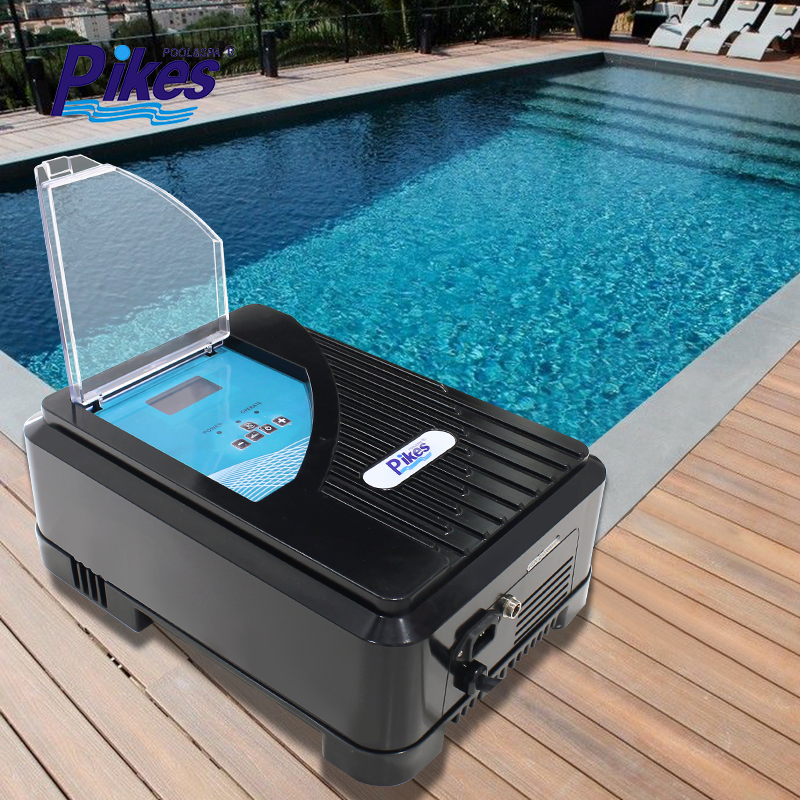
A salt chlorinator needs steady water chemistry, periodic cell inspections, and basic checks of its electrical and plumbing connections. Routine care supports reliable saltwater pool chlorination and helps you spot a developing issue before it affects pool operation. Maintenance is not limited to cleaning the cell; the surrounding water and chlorine generator system also matter.
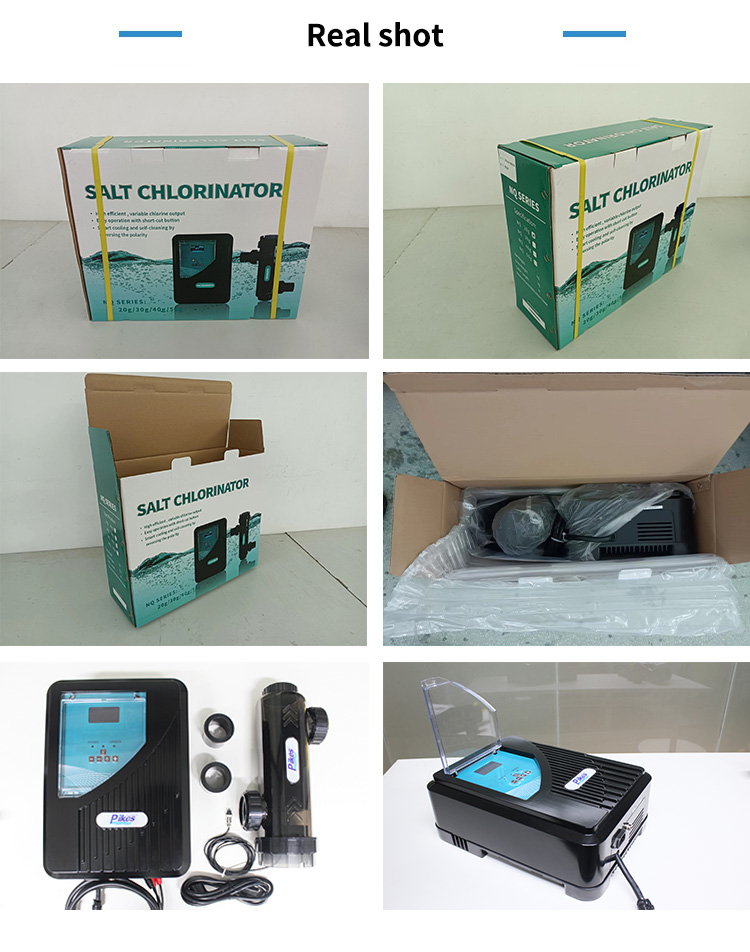
A practical schedule combines frequent water testing with less frequent equipment checks, adjusted for pool use, weather, and the manufacturer’s instructions. A salt cell replacement is usually a later decision, not a routine cleaning task. The goal is to keep the system operating within its specified conditions and to diagnose changes methodically.
Routine checks that protect daily operation
Keep pool water within the operating range
Test the water regularly and compare readings with the ranges specified for your pool and equipment. Saltwater pool chlorination still depends on balanced water: salinity, pH, and stabilizer levels influence how the system operates and how chlorine performs. A chlorine generator system cannot compensate for every water-balance problem, so correct chemistry before changing output settings.
Check salt with a suitable test method rather than relying only on a control-panel reading. If the reading is outside the equipment’s stated range, verify it before adding salt; excess salt cannot be removed by the generator. Record test results so gradual changes are easier to distinguish from a one-off measurement error.
Inspect circulation and system indicators
Confirm that the pump is running and water is moving through the cell whenever generation is expected. Saltwater pool chlorination relies on circulation, and a flow warning may point to a pump, filter, valve, or sensor issue rather than a failed cell. Check the display for alerts and consult the manual before resetting the chlorine generator system.
Look over accessible unions, cables, and the cell housing for leaks, damage, or loose connections. Keep the area around the control unit clear and dry, and never open electrical components while energized. These simple inspections can reveal conditions worth correcting before they interrupt production or complicate diagnosis.
If chlorine levels are low, test the water and confirm circulation before increasing the output. Sun exposure, heavy use, and water temperature can change demand, while an incorrect salt reading can mislead the operator. A salt cell replacement should not be the first response to a single low reading; check the whole operating picture first.
Cell cleaning and wear decisions
Clean only when inspection supports it
Inspect the cell at intervals recommended in its manual, with more frequent visual checks if local water conditions encourage mineral buildup. Saltwater pool chlorination does not mean the cell should be cleaned on a fixed, aggressive schedule. Scale or debris may require attention, but unnecessary cleaning can add wear without improving output.
When deposits are visible, switch off power and follow the manufacturer’s exact removal and cleaning procedure. Use only the specified solution and exposure time; do not scrape plates or improvise with tools or chemicals. The chlorine generator system should be fully isolated as directed before the cell is handled.
Separate maintenance from end-of-life symptoms
After cleaning, rinse and reinstall the cell as instructed, then restore power and check for normal flow and status indications. Saltwater pool chlorination should be assessed over time through water tests, not inferred from a single display message. If warnings return, verify salinity and circulation before assuming cleaning failed.
Cell life varies with operating hours, chemistry, settings, and maintenance history, so avoid treating a calendar date as a guarantee. Persistent low output, recurring cell alerts, or visible damage may justify a closer evaluation. A salt cell replacement becomes reasonable when troubleshooting indicates the component can no longer perform as intended.
Keep a brief service record noting test results, cleaning dates, alerts, and any adjustments. That history helps distinguish a gradual decline from a sudden water-balance or circulation problem. It also gives a technician useful context if the chlorine generator system needs diagnosis beyond routine owner checks.
Seasonal care and troubleshooting workflow
Adjust care as pool conditions change
At opening, inspect the cell and plumbing, confirm water balance, and verify the control settings against the equipment instructions. Saltwater pool chlorination may need a different output as water temperature, sunlight, and swimmer load change. Make measured adjustments, then retest rather than changing several settings at once.
During the swimming season, maintain a regular testing rhythm and check equipment indicators when you test. After storms, heavy use, or substantial water replacement, verify chemistry and salt level again. These checks help the chlorine generator system respond to actual conditions rather than assumptions based on the previous week.
Investigate problems in a consistent order
When production appears low, first test free chlorine and pH, then confirm the pump, filter, and flow indication. Next, verify salinity with an independent test and inspect the cell for deposits or damage. This sequence keeps saltwater pool chlorination troubleshooting grounded in evidence and avoids unnecessary component changes.
If the issue remains, check the manual’s fault guidance and note the exact alert, operating conditions, and recent maintenance. Do not bypass safety switches or keep restarting equipment that shows an electrical or flow fault. A salt cell replacement should follow diagnosis, not substitute for checking water, circulation, settings, and connections.
Before winter shutdown or an extended closure, follow the equipment instructions for draining, protecting, or removing the cell where applicable. Do not assume every pool has the same freeze or storage requirements. At reopening, inspect connections and confirm correct operation before relying on the chlorine generator system for normal sanitation.
FAQ
How often should I inspect a salt cell?
Follow the manual’s interval and inspect sooner if the system reports a cell issue or output changes. Saltwater pool chlorination benefits from regular water testing, but cell removal and cleaning should be based on inspection rather than habit.
Can I clean the cell with any descaling product?
No. Use only the cleaning method and solution approved in the equipment instructions. Incorrect chemicals or excessive exposure can damage the cell; isolate the chlorine generator system as directed before handling it.
When should I consider a salt cell replacement?
Consider it after checking chemistry, salt level, circulation, settings, and visible cell condition. Persistent warnings or inadequate output after appropriate troubleshooting may support salt cell replacement, but confirm the diagnosis before ordering a component.