
 EN



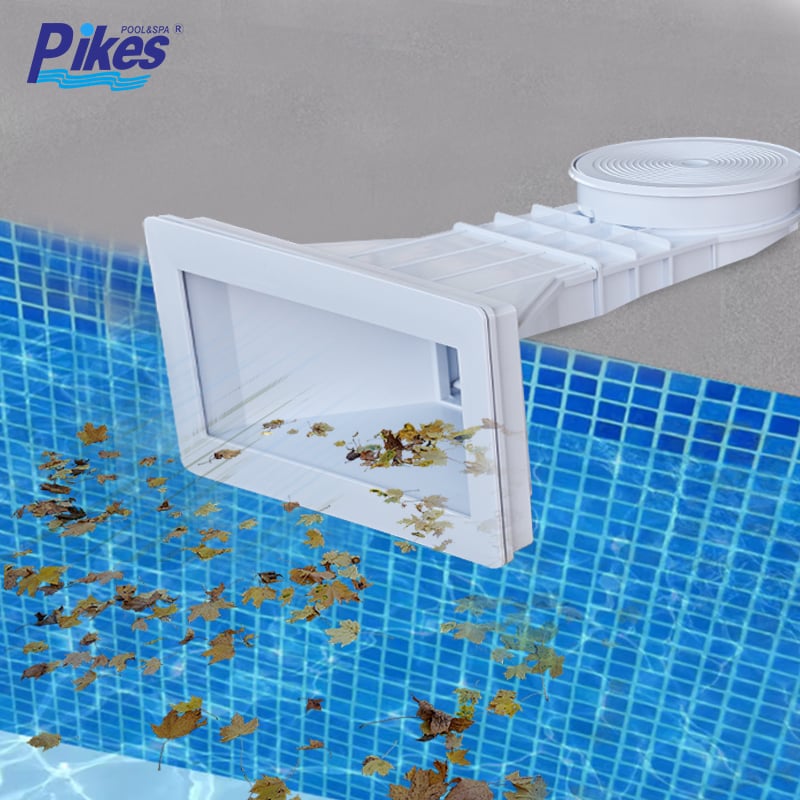
A pool skimmer is the opening and collection assembly that draws water from the pool surface toward the circulation system. It catches floating leaves, insects, and other debris before they sink, while a skimmer basket holds larger material for removal. Understanding how surface skimming works helps pool operators recognize what the equipment can handle, what requires other cleaning methods, and how the skimmer supports everyday water circulation.
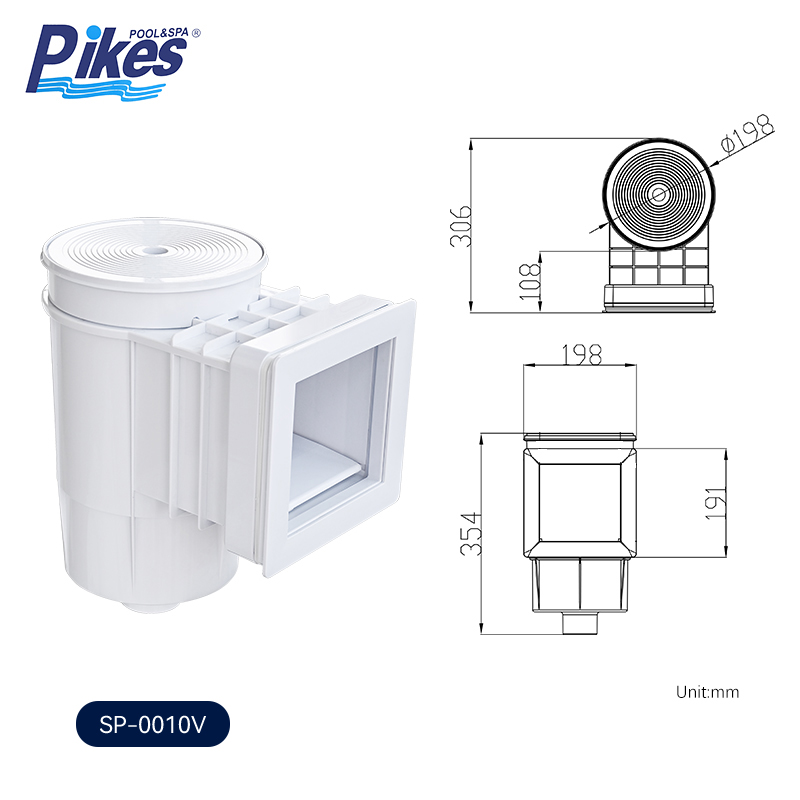
In a typical system, the pool skimmer sits at the waterline and connects to a suction pipe. The pump pulls water through its opening, past the skimmer basket, and onward to filtration. This simple route explains why surface skimming is most effective when the water level, pump operation, and basket condition are all suitable. It also clarifies why a skimmer is not a substitute for brushing, vacuuming, or treating the water.
How a Pool Skimmer Captures Surface Debris
The waterline opening and floating weir
The visible mouth of a pool skimmer is positioned so pool water can enter near the surface. A floating weir, when fitted, moves with small changes in water level and helps limit debris from drifting back out when circulation pauses. As the pump draws water inward, surface skimming carries floating material through the opening. The pool skimmer therefore targets the layer where leaves, pollen, and many lightweight contaminants collect first.
Water level matters because the opening needs enough water to feed the system without drawing excessive air. If the level falls too low, the pool skimmer may pull air instead of a steady stream of water; if it rises too high, surface skimming can become less effective because water flows across the opening differently. Operators should use the equipment’s operating guidance and keep the level within the recommended range for the particular installation.
Debris collection before filtration
Once debris enters, the skimmer basket catches larger items before they travel through the suction line. The pool skimmer can then pass water toward the pump and filter while leaves and similar material remain accessible for removal. This first collection stage reduces the amount of coarse debris reaching downstream equipment. Surface skimming works best when the basket is in place, undamaged, and not packed so tightly that water flow is restricted.
The basket is a convenient inspection point, not a signal that all unwanted material has been removed. Fine particles can pass through its openings, and settled dirt is outside the reach of surface skimming. A pool skimmer addresses floating debris while the filter, sanitizer, and other cleaning practices serve separate roles. Looking at the skimmer basket during routine checks can reveal whether wind, nearby trees, or pool use has increased the debris load.
How Water Moves Through the Skimmer System
From pool surface to pump and filter
With the circulation pump running, suction draws water through the pool skimmer and into the connected plumbing. The skimmer basket intercepts larger debris along this route, and water continues to the pump before moving through the filtration equipment. In this sequence, surface skimming is the collection step at the pool, not the entire treatment process. The filtered water then returns to the pool through return fittings, supporting ongoing circulation.
The amount of water drawn through a pool skimmer depends on the system layout and how its suction lines are set. Some pools use more than one skimmer or combine skimmer suction with a main drain. These arrangements affect circulation patterns, so surface skimming may be stronger in some areas than others. If debris repeatedly remains in a particular corner, operators can review return flow, operating schedules, and line settings rather than assuming the skimmer itself has failed.
Why flow and basket condition matter
A clogged skimmer basket can restrict flow, which may reduce the water reaching the pump and make surface skimming less consistent. Emptying the basket when debris accumulates helps maintain a clear path, but it should be done using safe shutdown procedures specified for the system. Check that the pool skimmer cover is secure and that the basket is seated correctly after cleaning. Never reach into an operating suction opening.
Air bubbles, weak visible movement, or recurring debris at the waterline can indicate a condition worth investigating. A full skimmer basket is one possibility; a low water level, blocked line, or pump issue may also affect circulation. The pool skimmer is only one part of the loop, so diagnosing the whole system is more useful than repeatedly clearing the same basket. Follow equipment instructions and seek qualified service when the cause is uncertain.
Using a Skimmer Effectively in Daily Pool Care
Routine checks and practical limits
Routine attention is straightforward: observe whether water is entering normally, inspect the pool skimmer opening, and empty the skimmer basket as needed. The right interval varies with weather, vegetation, and pool activity, so a fixed schedule may not suit every site. Consistent checks help operators notice a change before debris becomes difficult to remove. Surface skimming can reduce floating material, but regular inspection still matters during windy periods or heavy use.
A skimmer should not be expected to collect material that has already sunk or adhered to walls. Brushing and vacuuming address those areas, while water testing and filtration support water quality. For facilities with changing debris loads, checking the skimmer basket more often during peak conditions is a practical adjustment. The pool skimmer provides an accessible first line of debris collection, not a complete maintenance program on its own.
Installation fit and operating expectations
The skimmer must suit the pool structure, plumbing arrangement, and intended waterline. When planning a new installation or replacement, confirm the opening dimensions, connection details, mounting method, and compatibility with surrounding fittings. A correctly matched pool skimmer allows water to enter as intended, while an unsuitable fit can complicate installation or service. These details are especially relevant when coordinating construction work with circulation equipment and pool finishes.
For existing pools, judge performance by whether water is drawn consistently and floating debris reaches the basket, rather than expecting every leaf to move directly toward the opening. Return jets, wind direction, and pool shape all influence surface movement. Adjusting circulation settings where permitted may improve surface skimming patterns. The skimmer is most useful when installed appropriately and maintained as part of the full circulation system.
FAQ
Does a pool skimmer filter the water?
A pool skimmer collects floating debris and directs water toward the pump and filtration equipment. The pool skimmer basket holds larger material, but fine particles and water treatment are handled elsewhere in the system.
How often should I empty the skimmer basket?
Check the skimmer basket regularly and empty it when debris begins to restrict flow or the basket is noticeably full. The interval depends on weather, nearby vegetation, and how heavily the pool is used.
Why is surface skimming not collecting debris?
Check the water level, basket condition, and whether the pump is circulating water normally. Wind, return flow, and pool layout can also affect surface skimming, so debris may not travel evenly toward the opening.