
 EN
EN



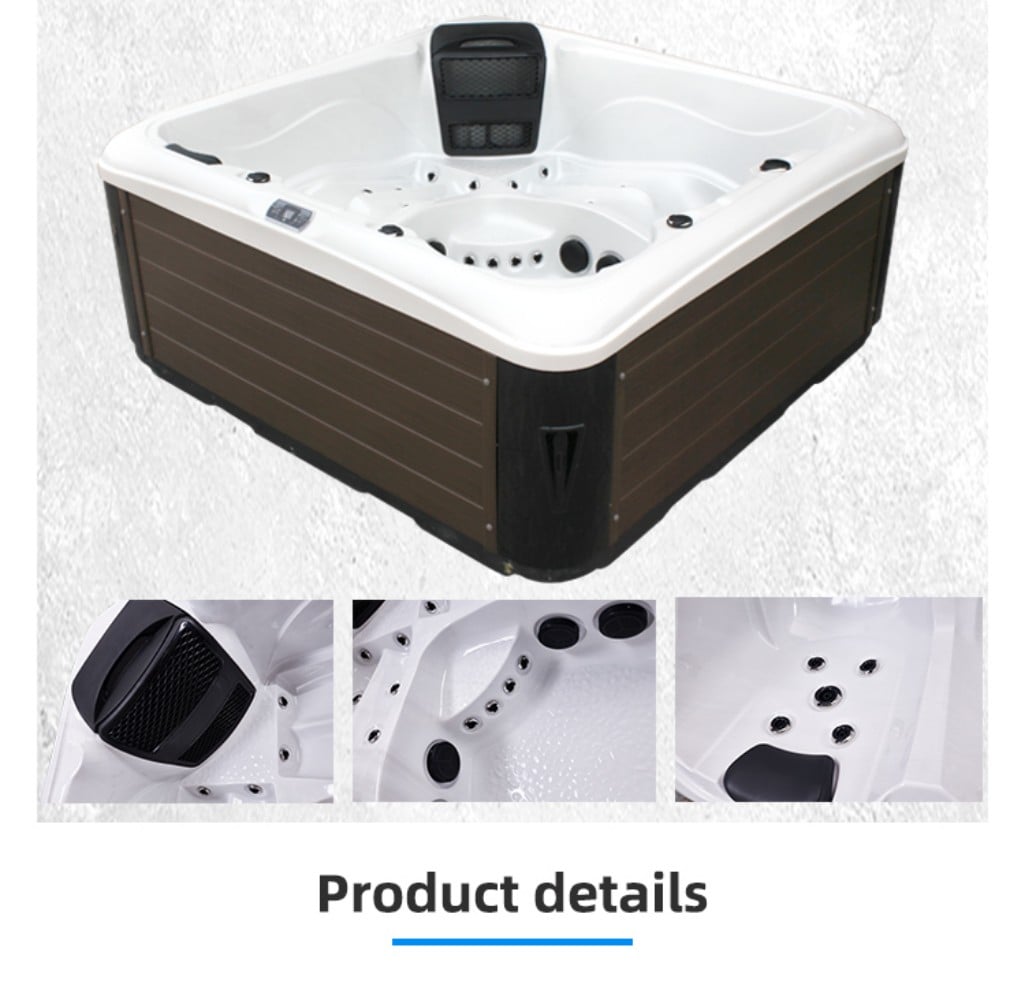
Mayroon hot tub nagdudulot ng tunay na kahimyang at halaga sa pamumuhay, ngunit bago ka magpasya, mahalagang unawain ang aktwal na buwanang gastos para sa isang hot tub. Maraming bumibili ang nakatuon sa paunang presyo ng pagbili at hindi pinapansin ang patuloy na mga gastos na dumadami sa paglipas ng panahon. Ang isang realistiko at maayos na buwanang badyet para sa isang hot tub ay nakasalalay sa ilang salik, kabilang ang konsumo ng enerhiya, pangangalaga sa tubig, pagpapanatili, at pag-aalaga sa kagamitan. Ang pag-unawa sa mga gastos na ito ay tumutulong sa iyo upang tamasahin ang iyong hot tub nang walang hindi inaasahang pampinansyal na sorpresa.
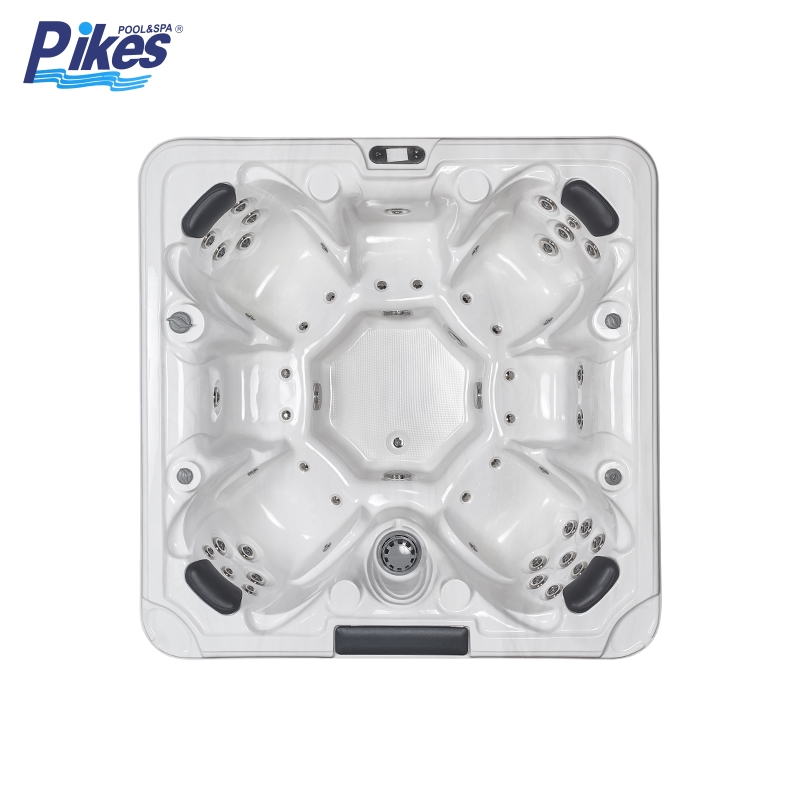
Ang buwanang gastos sa pagmamay-ari ng isang hot tub ay karaniwang nasa pagitan ng $50 hanggang $200 o higit pa, depende sa iyong lokasyon, ugali sa paggamit, at uri ng hot tub na iyong pinamamahalaan. Ang isang enerhiya-episyenteng hot tub na may de-kalidad na insulation ay magkakaroon ng mas mababang gastos sa operasyon kumpara sa isang luma o mahinang insulated na modelo. Ang pagsasahimpapawid ng mga indibidwal na kategorya ng gastos ay nagpapadali ng malaki sa pagtantiya ng iyong tunay na buwanang gastusin para sa isang hot tub at sa pagkilala kung saan ka makakatipid nang hindi kinakailangang bawasan ang kaginhawahan.
Mga Gastos sa Enerhiya para sa isang Hot Tub
Gaano Karaming Kuryente ang Ginagamit ng isang Hot Tub?
Ang kuryente ay karaniwang ang pinakamalaking paulit-ulit na gastos para sa anumang may-ari ng hot tub. Dapat panatilihin ng isang hot tub ang temperatura ng tubig nito araw at gabi, kaya ang heater ay tumatakbo nang regular kahit kapag hindi mo ito ginagamit. Sa average, ang isang hot tub ay nakokonsumo ng pagitan ng 3,000 at 7,500 kilowatt-oras bawat taon, na katumbas ng humigit-kumulang $20 hanggang $100 bawat buwan depende sa lokal na singil sa kuryente. Ang isang mainit na paliguan na may mahusay na thermal insulation kasama ang isang epektibong pump at heater ay nasa mas mababang dulo ng saklaw na iyon, kaya nga ang kalidad ng insulation ay napakahalaga kapag pumipili ka ng hot tub.
Maaari mong bawasan ang iyong bayarin sa kuryente para sa hot tub sa pamamagitan ng paggamit ng takip na angkop sa sukat nito tuwing hindi ito ginagamit. Nakakatulong din ang pagbaba ng temperature setting nang bahagya sa mga panahon kung kailan mas kaunti ang paggamit mo ng hot tub. Ang ilang modelo ng hot tub ay nagpapahintulot sa iyo na i-program ang economy mode, na binabawasan ang mga heating cycle sa mga off-peak na oras at nagpapababa nang malaki ng buwanang gastos sa kuryente.
Pagbabago ng Pagkonsumo ng Enerhiya ng Hot Tub Ayon sa Panahon
Ang iyong hot tub ay gagamit ng higit na enerhiya sa panahon ng taglamig dahil ang heater ay kailangang mas magsikap upang panatilihin ang target na temperatura laban sa malamig na paligid na hangin. Sa mga mas mainit na buwan, ang parehong hot tub ay natural na mas mura ang gastos sa pagpapainit. Kung naninirahan ka sa isang mas malamig na klima, ang iyong buwanang gastos sa enerhiya para sa hot tub ay maaaring biglang tumaas nang malaki sa panahon ng taglamig. Ang pagpaplano para sa seasonal na pagbabago ay isang mahalagang bahagi ng akurat na pagbuo ng badyet para sa pagmamay-ari ng hot tub sa buong taon.
Pag-aalaga sa Tubig at Mga Gastos sa Kemikal
Buwanang Gastos sa Kemikal para sa Hot Tub
Ang pagpanatili ng kalinisan at kaligtasan ng tubig sa isang hot tub ay nangangailangan ng isang konsehente na pangangalaga gamit ang mga kemikal. Karaniwang nagkakaroon ng gastos ang mga may-ari ng hot tub na nasa pagitan ng $20 at $50 bawat buwan para sa mga kemikal na pang-alaga ng tubig, kabilang dito ang mga sanitizer tulad ng chlorine o bromine, mga pH adjuster, mga alkalinity balancer, at mga shock treatment. Ang eksaktong halaga ay nakasalalay sa kung gaano kadalas ginagamit ang hot tub, kung ilan ang gumagamit nito, at sa lokal na komposisyon ng tubig. Ang isang hot tub na ginagamit ng maraming tao nang ilang beses bawat linggo ay nangangailangan ng mas madalas na pag-aadjust ng mga kemikal kaysa sa isang hot tub na paminsan-minsan lamang ginagamit ng isang tao.
Ang pag-invest sa isang maaasahang water testing kit ay isang matalinong desisyon para sa anumang may-ari ng hot tub. Ang pagsubok sa tubig ng hot tub dalawa o tatlong beses bawat linggo ay nagbibigay-daan sa iyo na maglagay lamang ng mga kemikal na talagang kailangan, na nagpapigil sa parehong kulang sa paggamot at sa mahal na sobrang paggamot. May ilang sistema ng hot tub na may kasamang built-in na ozone generator o UV sanitizer na nababawasan ang dami ng kinakailangang kemikal, na maaaring makabawas nang malaki sa iyong buwanang gastusin para sa mga kemikal ng hot tub.
Mga Gastos sa Pagpapalit at Pagpupuno ng Tubig
Dapat buong i-drain ang hot tub at punuan muli ng bago at malinis na tubig tuwing tatlo hanggang apat na buwan. Ang gastos sa pagpupuno nito ay nakadepende sa lokal na presyo ng tubig, ngunit karaniwang maliit lamang ang halaga nito. Gayunpaman, kapag isinasaalang-alang ang oras at mga kemikal na kailangan upang balansehin ang bagong puno ng hot tub, ang kabuuang gastos ay nagdaragdag ng ilang dolyar bawat buwan sa iyong badyet para sa operasyon ng hot tub. Ang pagsusunod-sunod sa iyong iskedyul ng pagpupuno ay protektado rin ang mga kagamitan ng hot tub laban sa pagbuo ng scale at imbalance ng kemikal dahil sa lumalang tubig.
Pangangalaga, Serbisyo, at Reparasyon
Mga Karaniwang Gastos sa Pangangalaga ng Hot Tub
Bukod sa mga kemikal at kuryente, ang iyong hot tub ay nangangailangan ng regular na pisikal na pagpapanatili. Ang paglilinis o pagpapalit ng filter ay isa sa pinakakaraniwang gawain. Dapat hugasan ang mga filter ng hot tub tuwing linggo at malalim na linisin tuwing buwan. Ang presyo ng bagong cartridge ng filter ng hot tub ay humigit-kumulang $20 hanggang $60 depende sa modelo, at karamihan sa mga filter ay kailangang palitan isang beses o dalawang beses bawat taon. Ang pagpanatili ng malinis na filter ay direktang nakaaapekto sa kahusayan ng pump ng iyong hot tub at sa kaliwanagan ng tubig, kaya hindi ito hakbang na dapat laktawan.
Ang takip ng hot tub ay nangangailangan din ng periodicong pagpapabuti upang maiwasan ang pagkabasag at pagsipsip ng tubig. Ang de-kalidad na produktong panggamot para sa takip ng hot tub ay nagkakahalaga ng ilang dolyar bawat aplikasyon at nagpapahaba nang malaki sa buhay ng takip. Maglaan ng humigit-kumulang $5 hanggang $15 kada buwan para sa mga maliit na kagamitang pangpangangalaga sa hot tub.
Propesyonal na Serbisyo at Hindi Inaasahang Pagkukumpuni
Ang karamihan sa mga may-ari ng hot tub ay hindi nangangailangan ng propesyonal na serbisyo bawat buwan, ngunit mabuti pa ring maglaan ng badyet para dito. Ang isang taunang pagbisita para sa serbisyo ng hot tub mula sa isang kwalipikadong teknisyan ay karaniwang nagkakahalaga ng $100 hanggang $200, na katumbas ng humigit-kumulang $10 hanggang $17 bawat buwan kapag inilahad sa loob ng isang taon. Kung ang iyong hot tub ay magkaroon ng problema tulad ng pagkabigo ng pump, maling paggana ng heater, o isyu sa mga jet, ang gastos sa pagkukumpuni ay maaaring umabot sa $150 hanggang $500 o higit pa. Ang paglalaan ng maliit na pondo bawat buwan para sa di-inaasahang pagkukumpuni ng hot tub ay protektado ka laban sa malalaking singil na isang beses lamang.
Madalas Itanong
Ano ang average na buwanang gastos sa pagpapatakbo ng isang hot tub?
Ang average na buwanang gastos sa pagpapatakbo ng isang hot tub ay nasa pagitan ng $50 at $150 para sa karamihan ng mga may-ari ng residential na hot tub. Kasama rito ang kuryente, mga kemikal para sa pangangalaga ng tubig, at mga regular na gamit para sa pangangalaga. Ang mga modelong hot tub na may mataas na kahusayan sa enerhiya at malakas na insulation ay karaniwang nasa mas mababang dulo ng saklaw na ito, habang ang mga lumang modelo o sobrang ginagamit na hot tub ay maaaring lumampas sa $150 bawat buwan.
Maaari ko bang pababain nang malaki ang aking buwanang gastos sa hot tub?
Oo, may ilang praktikal na paraan upang bawasan ang iyong buwanang gastos sa hot tub. Ang paggamit ng isang mainam na angkop na takip para sa hot tub nang paulit-ulit, ang pag-programa ng mga mode ng pag-init na pang-ekonomiya, ang regular na pagsusuri sa kemikal na komposisyon ng tubig upang maiwasan ang labis na pagdadagdag ng mga kemikal, at ang panatiling kalinisan ng filter ng hot tub ay lahat ng nag-aambag sa makabuluhang pagbawas ng gastos. Ang pagpili ng isang enerhiya-episyente na hot tub mula sa simula ay ang pinakamalaking desisyon para sa matagalang pagtitipid.
Nagdaragdag ba ng malaki ang hot tub sa iyong buwanang bill sa kuryente?
Karaniwang nagdaragdag ang isang hot tub ng $20 hanggang $100 sa iyong buwanang bill sa kuryente depende sa dalas ng paggamit, lokal na taripa ng kuryente, at kalidad ng thermal insulation ng hot tub. Ang isang enerhiya-episyente na hot tub na dinisenyo gamit ang mataas na densidad na foam insulation at isang sealed cabinet ay gagamit ng malaki ang kaunti ng kuryente kaysa sa isang simpleng modelo, kaya mas napapamahalaan ang epekto nito sa iyong buwanang badyet.