In Ground Pool Heat Pump: Efficient, Reliable Pool Heating Solutions for Year-Round Swimming Comfort

Get a Free Quote

Our representative will contact you soon.
Email
Mobile
Name
Company Name
Message
0/1000

in ground pool heat pump

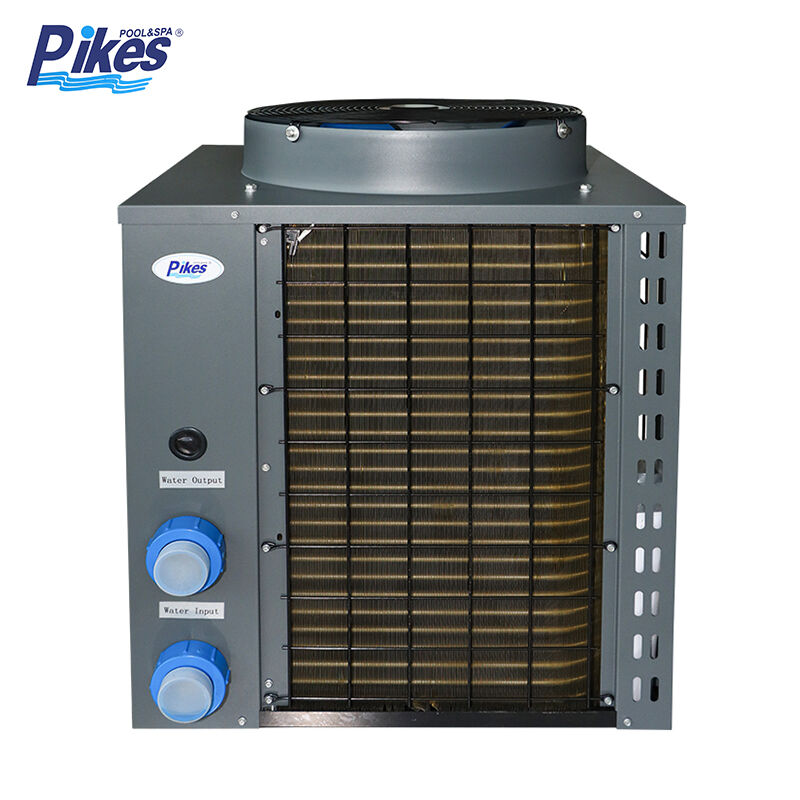
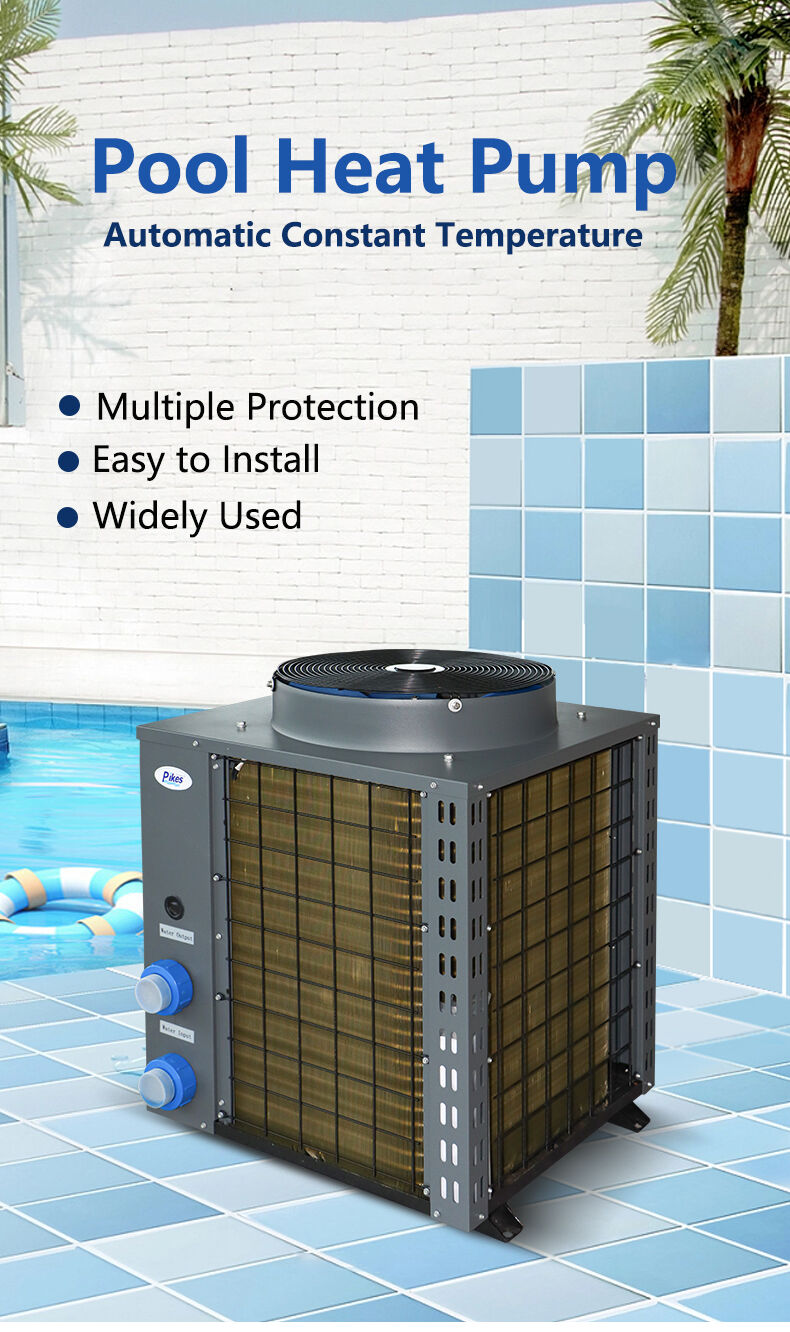
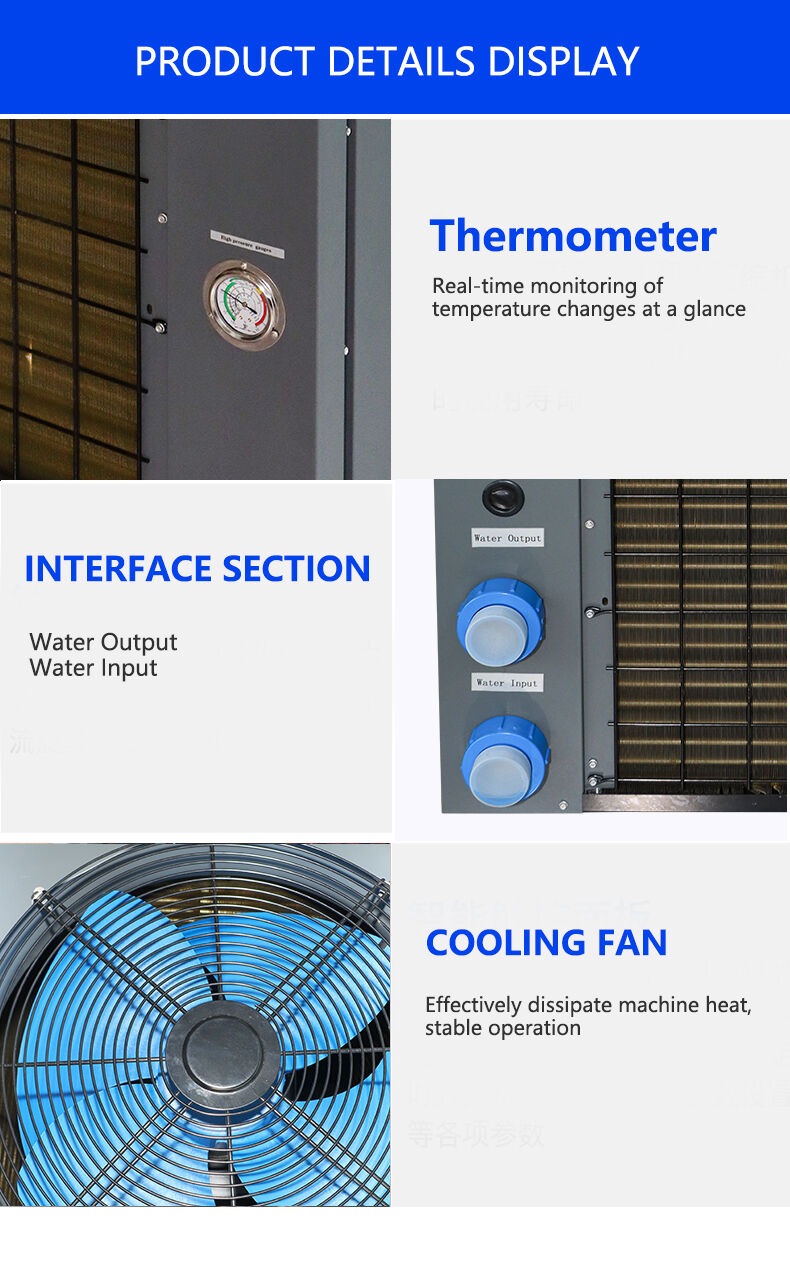
An in ground pool heat pump represents a sophisticated heating solution designed specifically for swimming pools that are installed below ground level. This advanced system operates by extracting thermal energy from the surrounding air and efficiently transferring it to your pool water, maintaining comfortable temperatures throughout extended swimming seasons. The in ground pool heat pump utilizes cutting-edge heat exchanger technology combined with environmentally conscious refrigerant systems to deliver consistent performance while minimizing environmental impact. The unit features a robust outdoor installation design that seamlessly integrates with existing pool equipment and filtration systems. Modern in ground pool heat pump models incorporate digital control panels with programmable timers, allowing users to customize heating schedules and monitor system performance remotely through smartphone applications. These systems typically include titanium heat exchangers that resist corrosion from chlorinated pool water, ensuring longevity and reliable operation. The compressor technology employed in contemporary in ground pool heat pump units delivers exceptional coefficient of performance ratings, often exceeding 5.0 in optimal conditions. Installation flexibility allows the heat pump to be positioned at various distances from the pool, connected through insulated piping that minimizes heat loss during water circulation. The in ground pool heat pump operates effectively in ambient temperatures as low as 45 degrees Fahrenheit, extending the practical swimming season significantly compared to unheated pools. Noise reduction features including sound-dampening materials and variable-speed fan motors ensure quiet operation that maintains neighborhood harmony. The system integrates seamlessly with existing pool automation systems, allowing coordination with pumps, lighting, and chemical dosing equipment for comprehensive pool management.

Popular Products

The primary advantage of installing an in ground pool heat pump lies in its exceptional energy efficiency compared to traditional gas heating systems. This technology can produce up to five units of heat energy for every unit of electricity consumed, resulting in significantly lower operating costs throughout the swimming season. Pool owners typically experience 50-80 percent reduction in heating expenses when switching from gas heaters to an in ground pool heat pump system. The environmental benefits are equally compelling, as these systems produce zero direct emissions and utilize ambient air as their primary energy source. Unlike gas heaters that burn fossil fuels, the in ground pool heat pump operates cleanly and quietly, contributing to reduced carbon footprint for environmentally conscious homeowners. The longevity of these systems provides excellent return on investment, with properly maintained units lasting 10-15 years compared to 5-7 years for gas heaters. Consistent temperature control represents another significant advantage, as the in ground pool heat pump maintains precise water temperatures without the fluctuations common in solar heating systems. Weather independence ensures reliable heating performance regardless of cloud cover or seasonal variations, unlike solar alternatives that depend entirely on sunlight availability. The automated operation eliminates the need for manual intervention, with programmable controls allowing users to set desired temperatures and heating schedules days or weeks in advance. Safety benefits include elimination of combustion risks, gas leaks, and carbon monoxide concerns associated with fossil fuel heating systems. Maintenance requirements are minimal, typically involving only periodic cleaning of air filters and annual professional inspections. The compact design of modern in ground pool heat pump units requires less installation space than solar panel arrays, making them ideal for properties with limited roof or yard space. Integration capabilities allow seamless connection with smart home systems, enabling remote monitoring and control through mobile devices. The consistent heating performance extends swimming seasons substantially, often allowing pool use from early spring through late fall in moderate climates.

Practical Tips

What Is A Saltwater Chlorinator And How Does It Work

15

Jan

What Is A Saltwater Chlorinator And How Does It Work

View More
Cartridge Filter: Efficient And Water-Saving Pool Filtration Solution

15

Jan

Cartridge Filter: Efficient And Water-Saving Pool Filtration Solution

View More
Why More Families Are Choosing Hot Tubs For Modern Living

15

Jan

Why More Families Are Choosing Hot Tubs For Modern Living

View More
Wall-Mounted Filter: Space-Saving Filtration Solution For Swimming Pools

15

Jan

Wall-Mounted Filter: Space-Saving Filtration Solution For Swimming Pools

View More

Get a Free Quote

Our representative will contact you soon.
Email
Mobile
Name
Company Name
Message
0/1000

in ground pool heat pump

Energy Efficiency and Cost Savings

Energy Efficiency and Cost Savings

The energy efficiency of an in ground pool heat pump stands as its most compelling feature, delivering unmatched cost savings that transform pool ownership economics. These systems achieve coefficient of performance ratings between 4.0 and 6.0, meaning they generate four to six times more heat energy than the electrical energy they consume. This remarkable efficiency stems from the heat pump's ability to extract thermal energy from ambient air rather than creating heat through combustion or electrical resistance. The in ground pool heat pump operates on the same principle as household air conditioning units but in reverse, using refrigerant cycles to capture and concentrate heat from outside air temperatures. Even when outdoor temperatures drop to 50 degrees Fahrenheit, the system continues extracting usable heat energy, though efficiency gradually decreases in colder conditions. Seasonal operating costs typically range from 300 to 800 dollars annually for average-sized pools, compared to 1200 to 2500 dollars for equivalent gas heating systems. The initial investment in an in ground pool heat pump usually pays for itself within 2-4 years through reduced utility bills, after which owners enjoy pure savings for the system's remaining lifespan. Variable-speed compressor technology in premium models optimizes energy consumption by adjusting output to match heating demands precisely, preventing energy waste from oversized heating cycles. Smart controls learn usage patterns and optimize heating schedules to minimize energy consumption while ensuring pools reach desired temperatures when needed. The efficiency gains become more pronounced in warmer climates where ambient air temperatures remain favorable for heat extraction throughout most of the year. Utility rebates and tax incentives for energy-efficient heating systems often offset 10-30 percent of initial purchase costs, further improving the financial proposition of in ground pool heat pump installations.
Year-Round Reliability and Performance

Year-Round Reliability and Performance

Reliability represents a cornerstone benefit of in ground pool heat pump systems, providing consistent heating performance that pool owners can depend on throughout extended swimming seasons. Unlike solar heating systems that fluctuate with weather conditions and cloud cover, the in ground pool heat pump delivers steady, predictable heating regardless of daily weather variations. The system operates effectively in ambient temperatures ranging from 45 to 100 degrees Fahrenheit, covering the vast majority of swimming weather conditions across diverse climates. Advanced defrost cycles automatically manage frost buildup on heat exchanger coils during cooler operation, ensuring continuous performance even when morning temperatures approach freezing while afternoon conditions support comfortable swimming. Titanium heat exchangers resist corrosion from chlorinated pool water and salt systems, maintaining efficiency throughout the system's lifespan without degradation from chemical exposure. The in ground pool heat pump incorporates multiple safety sensors that monitor refrigerant pressures, electrical systems, and water flow rates to prevent damage and ensure safe operation under all conditions. Backup heating elements in hybrid models provide supplemental heat during extreme cold snaps, guaranteeing pool availability even in unusually harsh weather. Digital controls maintain water temperatures within one degree of set points, eliminating the temperature swings common with less sophisticated heating systems. Redundant safety systems shut down operation if water flow stops or electrical issues arise, protecting both the equipment and pool systems from potential damage. Professional installation ensures proper refrigerant charging, electrical connections, and water flow optimization that maximize reliability and prevent common failure modes. Remote monitoring capabilities alert owners to maintenance needs before they become critical issues, supporting proactive care that extends system life. The robust construction of quality in ground pool heat pump units withstands outdoor installation challenges including UV exposure, temperature extremes, and severe weather events while maintaining consistent performance standards.
Environmental Sustainability and Clean Operation

Environmental Sustainability and Clean Operation

Environmental sustainability positions the in ground pool heat pump as the most eco-friendly pool heating solution available to modern homeowners. These systems produce zero direct emissions at the point of operation, eliminating concerns about carbon monoxide, nitrogen oxides, or other combustion byproducts that gas heaters release into the atmosphere. The clean operation principle relies entirely on electricity and ambient air, both renewable resources when paired with solar electrical generation or utility-supplied renewable energy. Carbon footprint reduction reaches 60-75 percent compared to natural gas heating systems, even when considering electrical generation from traditional power plants, with greater environmental benefits in regions served by renewable electricity sources. The in ground pool heat pump uses environmentally responsible refrigerants that comply with current and future environmental regulations, avoiding ozone-depleting substances while minimizing global warming potential. Noise pollution concerns are addressed through advanced sound-dampening technologies that reduce operational noise to levels comparable to household air conditioning units, typically measuring less than 55 decibels at normal operating distances. The absence of combustion eliminates fire hazards and gas leak risks, contributing to overall safety while reducing insurance concerns associated with fuel-burning equipment. Water conservation benefits emerge from the closed-loop operation that requires no additional water for cooling towers or evaporation management, unlike some industrial heating alternatives. The long operational lifespan of in ground pool heat pump systems reduces manufacturing impact per year of service, supporting sustainable consumption patterns through durable equipment design. Integration with renewable energy systems amplifies environmental benefits, allowing homeowners to achieve carbon-neutral pool heating when combined with solar electrical generation. The recyclable materials in modern heat pump construction support end-of-life environmental responsibility, with copper, aluminum, and steel components retaining value for recycling programs. Smart controls optimize operation cycles to minimize electrical consumption while maintaining comfort, supporting grid stability during peak demand periods through programmable load management features.

Get a Free Quote

Our representative will contact you soon.
Email
Mobile
Name
Company Name
Message
0/1000